Medically reviewed by David Nazarian, MD — Board Certified in Internal Medicine and Medical Director of PRP Treatment Beverly Hills.
People searching for “PRP skin whitening” are often asking whether PRP can improve uneven skin tone or hyperpigmentation. PRP has been studied for pigmentary concerns such as melasma, but it should not be described as a universal skin-lightening treatment and results vary.
In this article, we review what is known about PRP for uneven skin tone and hyperpigmentation, including where evidence is limited, how PRP differs from true skin-lightening treatments, and when other options may be more appropriate.
PRP should not be presented as a universal skin-whitening treatment; pigment concerns require an accurate diagnosis and individualized treatment plan.
PRP for Uneven Skin Tone and Hyperpigmentation
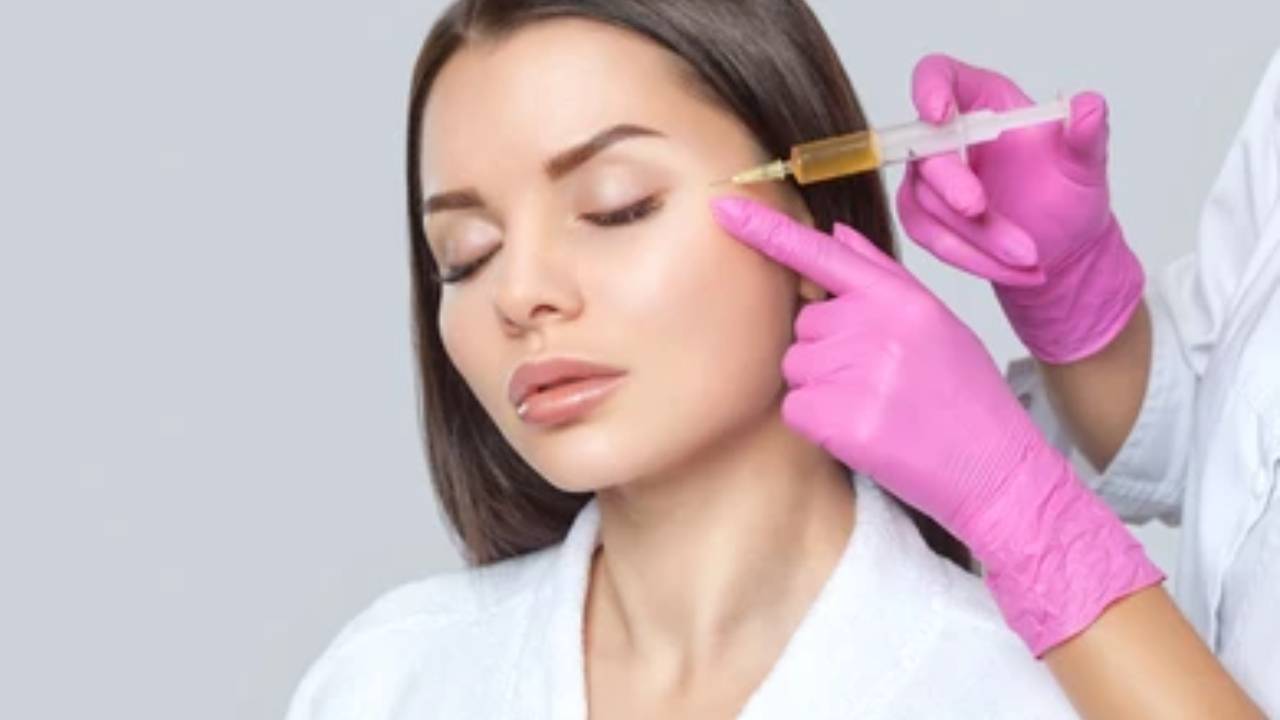
Platelet-Rich Plasma (PRP) is a concentrated solution of platelets derived from your blood, containing numerous growth factors and cytokines that promote healing and rejuvenation.
PRP has been studied for selected pigmentary concerns, including melasma, but evidence is still limited and variable. Any improvement in tone or pigmentation is not guaranteed and should not be described as generalized skin whitening.
What the Evidence Suggests About PRP for Pigmentation
Autologous Treatment, but Not Risk-Free
PRP is prepared from the patient’s own blood, which makes immune reactions to the platelet product uncommon. It is still an invasive procedure and can cause pain, swelling, bruising, infection, pigment changes, or other injection-related complications.
This makes PRP treatment a safer, more organic alternative for those seeking a healthier way to achieve a brighter, more even complexion.
Minimal Side Effects and Low Risk of Complications
Because PRP is autologous, immune reactions to the platelet product itself are uncommon. However, injections still carry risks including pain, bruising, swelling, infection, pigment change, and procedure-related complications.
Temporary redness, swelling, tenderness, bruising, or pigment changes can occur. Recovery and risk vary by technique, skin type, and whether PRP is injected or combined with microneedling.
Stimulates Collagen Production for Improved Skin Elasticity
PRP contains platelet-derived signaling proteins involved in tissue repair. Some studies have evaluated PRP for melasma and skin-quality concerns, but this does not establish generalized skin whitening or a predictable collagen response in every patient.
As we age, collagen production naturally decreases, leading to sagging and wrinkles. PRP treatment helps counteract this by promoting new collagen formation, resulting in firmer, smoother skin with a youthful glow.
Evens out Skin Tone and Reduces Hyperpigmentation
Hyperpigmentation, including age spots, sun damage, and melasma, can leave your skin uneven and dull. PRP has been studied for hyperpigmentation and melasma, but the quality and consistency of evidence vary and it should not be expected to correct every cause of uneven pigmentation.
Some studies report improvement in melasma severity or skin-quality measures, but the newest meta-analytic evidence does not show a clear significant advantage over control therapies. Results therefore should be described as uncertain rather than expected.
How Durable Are Results?
While individual results may vary, many patients report visible skin tone and texture improvements after one PRP treatment. Optimal results are typically achieved after a series of sessions, with effects lasting several months or even years, depending on factors such as lifestyle and skincare habits.
There is no established long-term duration for pigmentation improvement from PRP, and maintenance needs vary by diagnosis and treatment protocol.
Does Skin Type Affect Treatment Choice?
PRP treatment’s compatibility with various skin types and ethnicities makes it a versatile option for diverse individuals.
While some skin whitening treatments may be too harsh or ineffective for specific skin types, PRP is not universally effective for pigmentation concerns, and candidacy depends on the diagnosis, skin type, treatment protocol, and alternative options.
Minimal Downtime and Recovery
Downtime varies by whether PRP is injected, combined with microneedling, or used with another procedure. Redness, swelling, bruising, tenderness, or temporary pigment changes can occur, and recovery should be discussed for the specific treatment plan.
This quick recovery period means you can return to your daily life without significant interruption, making PRP treatment a convenient choice for those with busy schedules or who simply don’t want to deal with lengthy recovery times.

What Does PRP for Facial Skin Concerns Cost?
At our Beverly Hills clinic, PRP facial with microneedling is $900 per session or $2,400 for a 3-session package. The $450 consultation is credited toward treatment. See our current PRP and PRF pricing.
Remember that most patients require multiple sessions to achieve optimal results, which can increase the overall cost. During your consultation, your chosen provider should give you a clear estimate of the total cost based on your specific treatment plan and the number of sessions needed to reach your desired outcome.
PRP treatment for skin whitening is generally considered a cosmetic procedure and is not typically covered by insurance. Discuss financing options or payment plans with your provider if cost is a concern.
PRP Compared With Established Treatments for Hyperpigmentation
PRP can be compared with other treatments for hyperpigmentation and uneven tone, but current evidence does not establish it as a universally superior option.
Chemical Peels
Chemical peels involve the application of a chemical solution to the skin, which causes the outer layers to exfoliate and eventually peel off. This reveals a new layer of skin that is typically smoother and brighter.
While chemical peels can effectively reduce hyperpigmentation and improve skin texture, they also have several drawbacks. These include potential irritation, redness, and peeling, which can be uncomfortable and require a significant recovery.
Additionally, some skin types may not respond well to chemical peels, leading to adverse reactions or less-than-optimal results.
Microdermabrasion
Microdermabrasion is a non-invasive procedure that uses a mechanical device to exfoliate the skin, removing dead skin cells and revealing a brighter, more even complexion.
Although microdermabrasion can be effective for some individuals, it may not suit those with sensitive skin, as the procedure can cause redness and irritation.
Additionally, multiple sessions are often needed to achieve the desired results, which can be time-consuming and costly.
Laser Treatments
Laser skin whitening treatments use focused light energy to target and break down melanin, the pigment responsible for skin color. These treatments can reduce hyperpigmentation and improve skin tone by destroying melanin deposits.
However, laser treatments have risks and potential side effects, such as burns, scarring, or uneven pigmentation. They also typically require multiple sessions and may not be suitable for all skin types or colors.
What about PRP for Skin Whitening?
PRP is autologous and may be considered for selected aesthetic concerns, but it still carries risks such as pain, bruising, swelling, infection, and pigment changes. Its role in pigmentation treatment is less established than several conventional options.
This results in a brighter, more even complexion without the risks associated with harsh chemicals or invasive procedures.
Results and durability vary, and PRP is not suitable for every pigmentation disorder or every patient. Treatment choice should be based on skin type, diagnosis, risks, and available evidence.
Finding a Qualified PRP Treatment Provider

When considering PRP for pigmentation or uneven skin tone, the first step is confirming the diagnosis and discussing evidence-based alternatives. A qualified physician or dermatology-trained clinician should review skin type, cause of pigmentation, medications, prior treatments, and risk of post-inflammatory pigment change.o help you find the right professional for your needs:
Research and Referrals
Start by asking friends or family members for recommendations, or search online for reputable dermatologists and clinics in your area. Look for providers with positive reviews and a strong online presence showcasing their expertise in PRP treatment for skin whitening.
Check Qualifications and Certifications
Choosing a provider with the appropriate training and certifications in PRP treatment is essential. Look for a board-certified dermatologist or healthcare professional with specialized aesthetics and PRP procedures training. Don’t hesitate to ask about their qualifications during your consultation.
Experience and Expertise
Ask how the diagnosis was established, which PRP protocol is being used, what evidence supports that indication, what alternatives exist, and how outcomes and adverse effects are tracked.
Before-and-after Photos
Before-and-after photographs can illustrate individual outcomes, but they do not prove effectiveness and should be interpreted carefully because lighting, camera settings, makeup, and timing can alter appearance.
Consultation
Schedule a consultation with your chosen provider to discuss your goals, concerns, and expectations. This is an excellent opportunity to ask any questions and determine if PRP treatment is the right option for you. A good provider will listen to your concerns, provide honest feedback, and develop a personalized treatment plan based on your unique needs.
Comfort and Trust
Feeling comfortable with your chosen provider is essential, as trust is crucial when undergoing any medical procedure. If you don’t feel at ease with a particular provider or if something seems off, continue your search until you find someone who meets your needs and makes you feel confident in their abilities.
Conclusion
For physician-supervised treatment details, candidacy, risks, and current pricing, see our PRP facial with microneedling page.
PRP may be considered for selected concerns involving melasma, uneven tone, or hyperpigmentation, but it should not be marketed as a general-purpose skin-whitening treatment. Current evidence does not establish PRP as superior to sun protection, prescription topical therapy, chemical peels, microneedling, lasers, or other established options chosen for the specific diagnosis.
As you explore your options, consult a qualified provider and weigh the advantages and drawbacks of each treatment.
With the right approach and a skilled professional, you can achieve the radiant, even skin tone you’ve always desired, boosting your confidence and enhancing your overall appearance.