...
Yelp Logo

CALL US NOW +1-844-669-0939

PRF Under Eye Treatment in Beverly Hills & Los Angeles

Home > PRF Undereyes

PRF Under Eyes Beverly Hills

Pricing: Consultation $450, credited toward treatment. PRF under eyes: $1,100 per session or $3,000 for a 3-session package.

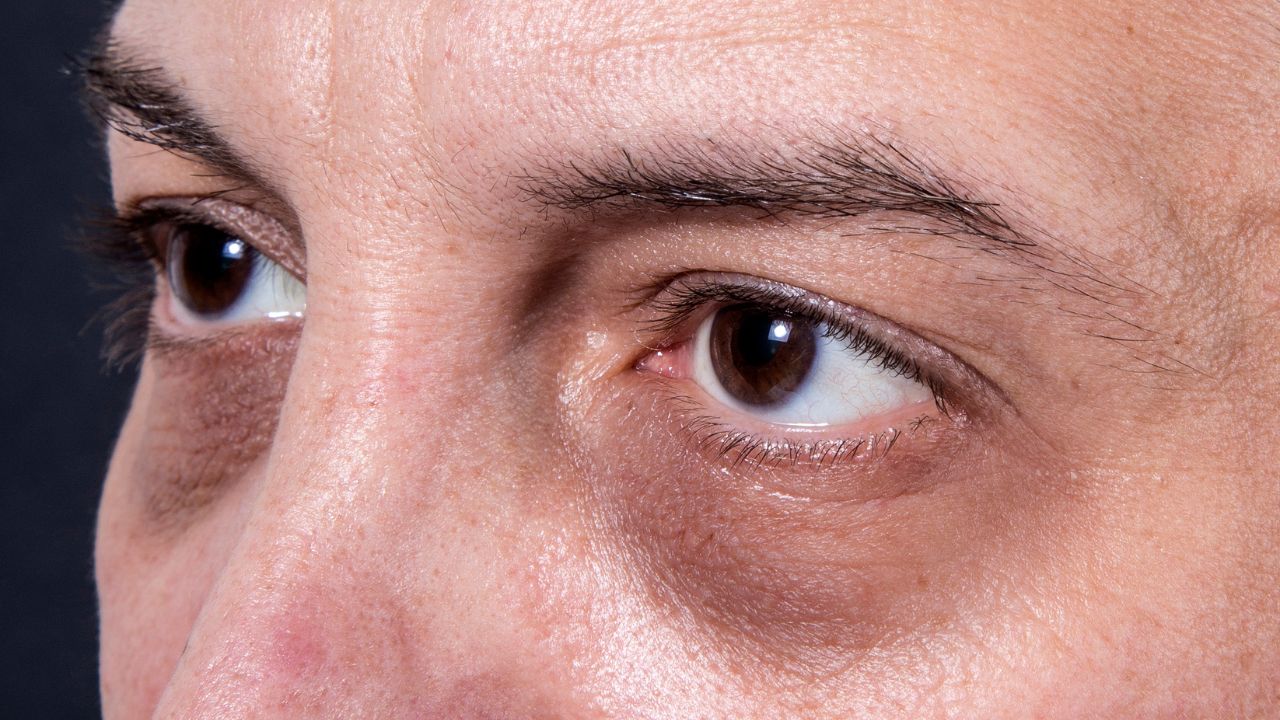
Are you tired of looking exhausted and having puffiness around the eyes? You’re not alone. Many people struggle with under-eye bags and dark circles. Fortunately, there is a solution – the PRF for Under Eyes.

At PRP Treatment Beverly Hills, we understand that everyone’s needs are different. That’s why we offer a variety of PRF treatments to meet the specific needs of your eyes.

Whether you’re looking for a more natural approach or a more aggressive approach, we have the perfect PRF treatment for you. From laser treatments to injectables, we have all the best and most advanced treatments available.

What is PRF for under the eye?

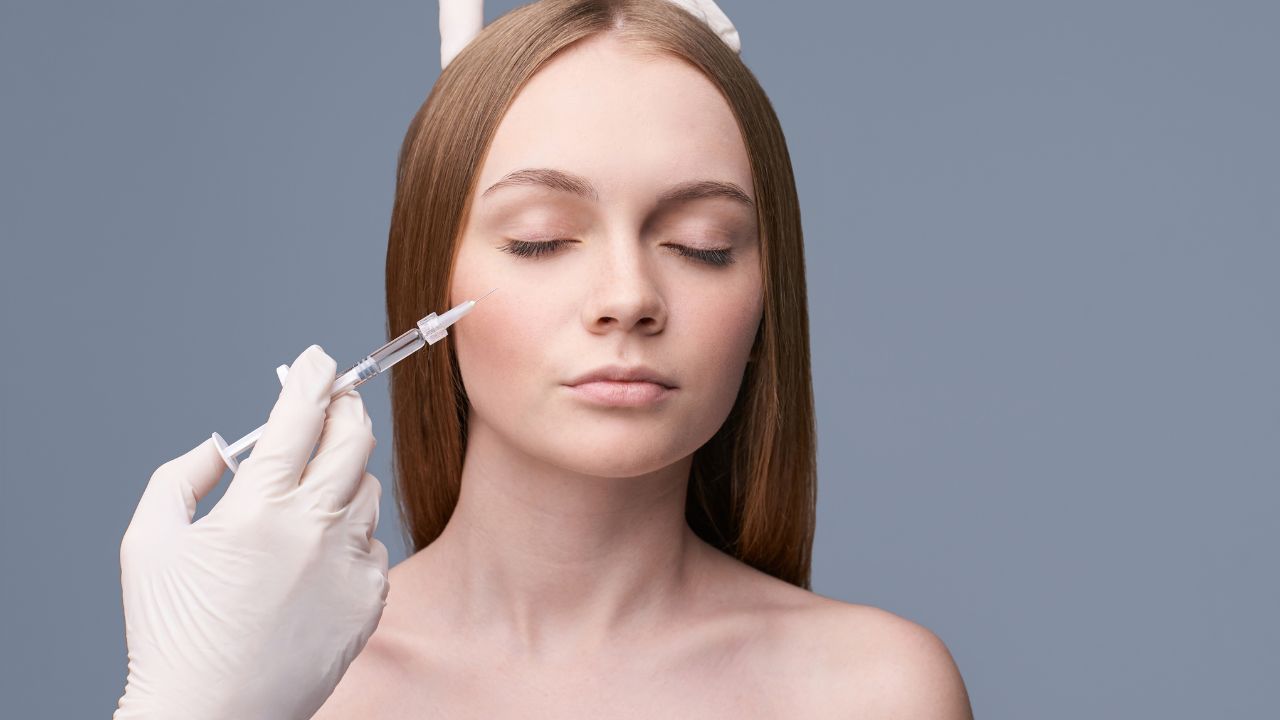
Platelet-rich fibrin (PRF) is an autologous blood-derived preparation processed differently from PRP. Patients considering under-eye PRF commonly ask whether it may help hollowness or dark-circle appearance, how it differs from filler or PRP, how much swelling to expect, how long results may last, how many sessions may be considered, and what treatment costs. These questions are reviewed in the context of the patient’s anatomy and the actual cause of the under-eye concern. A thicker preparation sometimes called PRF EZ Gel is also used by some clinicians for selected under-eye and facial concerns. It contains platelets within a fibrin matrix, and its exact cellular composition varies with the preparation method. PRF preparation and clotting characteristics vary by collection system and protocol. Injectable PRF should not be described with a universal gelation time or assumed filler-like behavior across all protocols.

This precise method entails drawing a minor amount of the patient’s blood and processing it to isolate platelet-rich fibrin. Subsequently, an injection of PRF is given in the under-eye region using tiny needles. The growth factors within this compound can stimulate collagen formation and induce cellular proliferation that could result in improved skin texture as well as increased elasticity; additionally, small studies suggest PRF may improve some measures of periorbital skin texture and wrinkles, but results are mixed and preparation methods vary.

Evidence about temporomandibular-joint injections is unrelated to cosmetic PRF treatment under the eyes and does not establish benefit for periorbital rejuvenation.


How long does PRF last under the eyes?

The longevity of PRF (Platelet-Rich Fibrin) treatment for under-eye rejuvenation can vary considerably, depending on several factors – such as the patient’s age, skin type, and lifestyle habits. Generally speaking, however, the duration of improvement varies considerably, and there is no single evidence-based timeline that applies to every patient.

This innovative medical technology stimulates collagen production while promoting cell growth in the epidermis – ultimately helping to improve skin texture and elasticity. With time, however, through intrinsic aging processes, the collagen may degrade, resulting in a gradual return of under-eye concerns.

How much is PRF under eye treatment?

The price for PRF (Platelet-Rich Fibrin) under-eye treatment can vary significantly depending on various factors, such as the geographical location of the practitioner performing the procedure, their experience and qualifications in skincare; furthermore, how extensive a course of action is required may also be taken into account.

Here are some points to give you an idea of the range of costs for PRF under eye injections:

  • The cost of a single PRF treatment for under-eye rejuvenation can is $1,100 per session at our Beverly Hills clinic, with a 3-session package of $3,000.

  • Some skincare professionals may offer package deals that include multiple PRF treatments for a discounted price.

  • The cost of PRF treatment may also be influenced by other factors, such as the cost of any required diagnostic tests, the cost of any required anesthesia or sedation, and the cost of any post-treatment follow-up appointments.

  • Insurance typically does not cover the cost of cosmetic treatments such as PRF under-eye rejuvenation.

  • It’s important to research the credentials and experience of the skincare professional offering PRF treatments and to schedule a consultation to discuss the treatment plan and cost in detail.

Is PRF under eyes safe?

Many people have been asking this question since the introduction of Platelet-Rich Fibrin (PRF).

PRF is a minimally invasive autologous procedure used for selected under-eye and skin concerns. It uses the patient’s own blood to create a serum, then injected into the skin to promote collagen growth and regenerate tissue.

The procedure is considered safe. However, there are a few risks that should be kept in mind before undergoing this type of treatment. There are reports of mild swelling, bruising, and redness after the PRF injections, but these symptoms generally resolve quickly.

In addition, every treatment involving injection carries a risk of infection as well as other unfavorable effects. These hazards can be avoided with the right care and attention, though. Talking with a board-certified dermatologist is crucial when thinking about PRF under the eyes to ensure that the procedure is safe for you.

Is PRF good for under eyes?

PRF is an autologous treatment with a generally favorable reported safety profile in small studies, but effectiveness varies by concern and protocol. Recent systematic reviews report mixed objective results for wrinkles, texture, and pigmentation, so it should not be described as universally effective.

Is PRF better than fillers?

PRF stands for platelet-rich fibrin. It is an autologous blood-derived preparation and is not poly-L-lactic acid (PLLA), which is a different synthetic injectable material used in aesthetic medicine. PRF and dermal fillers also work differently: fillers primarily add volume, while PRF is used as a blood-derived biologic preparation for selected skin-quality concerns.

PRF

1. PRF is a non-surgical procedure that uses the patient’s own blood to create a concentrated solution of platelets and fibrin, which is injected into the skin to stimulate healing and rejuvenation.

2. PRF is a natural, minimally invasive treatment that can improve the appearance of wrinkles and other signs of aging, as well as improve skin elasticity, tone, and texture.

3. PRF has minimal side effects. Published periorbital studies report variable outcomes, and the duration of benefit remains uncertain.

Fillers

1. Fillers are injectable substances that are used to add volume and fullness to thin skin.

2. Fillers can be used to reduce the appearance of wrinkles, enhance the shape of facial features, restore lost volume, and add definition to the face.

3. Fillers are typically made of hyaluronic acid, a naturally occurring substance in the body, and can provide instant and long-lasting results.

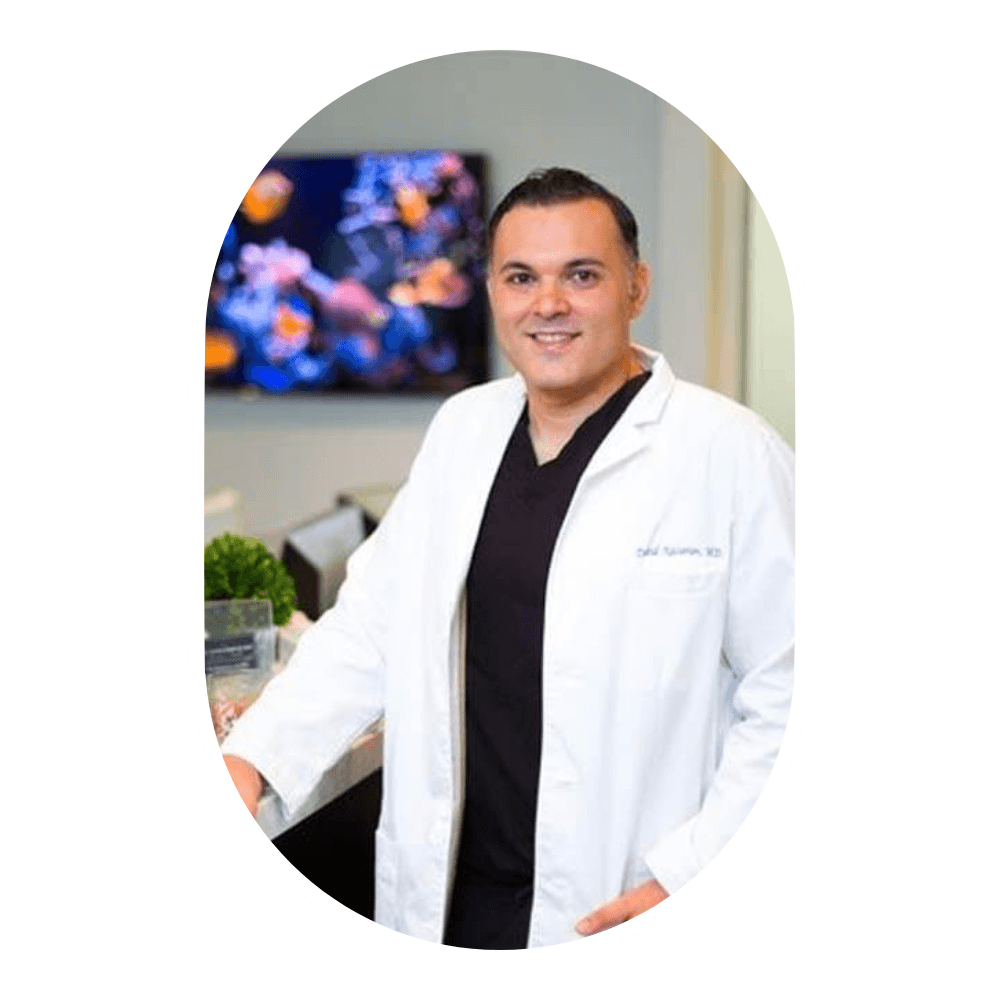
Consultation with Dr. Nazarian, MD: $450
Credited toward your first treatment
Labs and imaging ordered when needed
  • PRP from $800 per session
  • PRF from $1,100 per session
  • Discounted 3-session packages on every treatment
  • See the full PRP and PRF price list
  • 4 tubes of blood drawn per session, more than many clinics use; 10 to 15 cc of PRP obtained
  • 4-ingredient numbing cream
  • 6-needle injector used for hair treatments
  • Providing PRP therapy since 2008
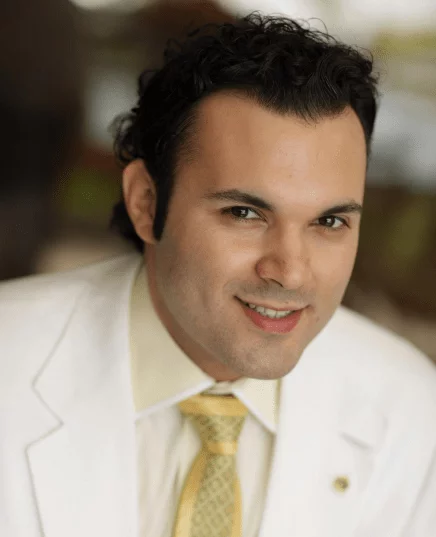
PRP Treatment & Therapy Specialist Beverly Hills - David Nazarian

PRF vs. other under-eye rejuvenation treatments

Platelet-Rich Fibrin (PRF) has emerged as a useful option for under-eye rejuvenation; here’s an outline of its comparative advantages:

PRF vs. Dermal Fillers

Under-eye fillers are a popular choice for reducing under-eye hollows and dark circles. While PRF (Platelet Rich Plasma) is an effective natural treatment that utilizes the patient’s own blood, dermal fillers – synthetic substances – offer quicker results by stimulating collagen production and leading to cell growth over time.

PRF vs. Chemical Peels

Chemical peels are an ideal non-invasive choice for tackling under-eye concerns such as fine lines, wrinkles, and pigmentation. While chemical peels can be effective in improving the texture of the skin, it is not guaranteed that they will provide comparable results for reducing hollows or dark circles; furthermore, multiple sessions may be required to achieve optimal outcomes compared to PRF treatment which typically requires fewer sessions.

PRF vs. Laser Resurfacing

Laser resurfacing is an innovative method of treatment that employs laser technology to rejuvenate skin texture and alleviate under-eye concerns. This procedure can yield satisfying results, such as significantly reducing hollows and discoloration beneath the eyes, but it may entail some time off from work or other activities during recovery – a factor that must be considered prior to undergo this form of facial rejuvenation. Alternatively, PRF sessions are gentler alternatives with limited downtime required, perfect for those who desire a more natural outcome on their complexion!

PRF vs. Microneedling

Microneedling, as the term indicates, means the use of needles or “microneedles” to achieve a therapeutic effect [4]. Microneedling is a non-invasive treatment that employs the use of a diminutive needle to inflict micro-traumas on one’s epidermis, which could result in an uptick in collagen synthesis and enhance skin contour. This process can be quite effective at ameliorating fine lines and wrinkles as well as diminishing under-eye hollows or dark circles; however – it may not provide optimal results for reducing orbicular bags or indigo smudges.

PRF vs. Eye Creams

Eye creams are a commonly-used over-the-counter remedy for reducing under-eye concerns such as fine lines, furrows, and dark circles. Despite their efficacy in improving skin appearance, eye creams may not be as potent as more invasive treatments like photodynamic therapy (PRF). Additionally, these products can take some time to bear results; while PRF could provide long-term relief.

Difference between PRF and PRP

PRF (Platelet-Rich Fibrin) and PRP (Platelet-Rich Plasma) are both considered effective treatments for regenerating cells and restoring vitality within various parts of the body, including the under-eye area. Despite this similarity, though, there exist notable distinctions between these two options:

Composition

The process of extracting platelets from a patient’s blood and concentrating it to produce PRP is highly advantageous; the resulting formulation allows for enhanced efficacy in the treatment area. However, this method does not provide an equivalent potency of growth factors as that present within PRF – a product created by centrifugation followed by purification and concentration.

Preparation

PRP, a ready-to-use formulation that only requires easy blood draw and centrifugation process to produce, is accessible for fast and effortless preparation. On the other hand, PRF requires more involved steps, such as spinning the sample in a specialized centrifuge machine before proceeding with any further processing, thus requiring a longer processing time than comparable products.

Efficacy

Despite indications both PRP and PRF may be beneficial for under-eye skin rejuvenation and promote healing, recent studies have revealed a possible advantage for PRF over its counterpart. This could come from the fact that it contains a higher concentration of growth factors as well as being more stable in formulating, thus offering greater potential for collagen production and improving skin texture.

Side effects

Though PRP and PRF have been deemed a safe option with minimal likelihood of associated side effects or complications, patients may experience localized swelling, bruising, hydration, or redness at the injection site.

Does PRF work on dark circles?

Does PRF work on dark circles

PRF may improve some periorbital skin concerns in selected patients, but evidence for dark circles is mixed. Recent reviews suggest PRP may have stronger evidence for hyperpigmentation, while PRF may help some measures of texture or crepiness. Neither treatment should be presented as guaranteed to correct dark circles.

PRF under eye treatment near me

PRP Treatment Beverly Hills provides physician-supervised PRF under-eye evaluation and treatment in Beverly Hills for patients throughout the Los Angeles area. A consultation is used to determine whether PRF, PRP, filler, laser treatment, skincare, or another approach better matches the underlying concern.

References:

1. Platelet Rich Fibrin for Tear Trough Rejuvenation – Full Text View – ClinicalTrials.gov. Clinicaltrials.gov. Published 2017. Accessed March 15, 2023. https://clinicaltrials.gov/ct2/show/NCT03313934

2. Vingender S, Dőri F, Schmidt P, Hermann P, Vaszilkó MT. Evaluation of the efficiency of hyaluronic acid, PRP and I-PRF intra-articular injections in the treatment of internal derangement of the temporomandibular joint: A prospective study. Journal of Cranio-Maxillofacial Surgery. 2023;51(1):1-6. doi:https://doi.org/10.1016/j.jcms.2023.01.017

3. Platelet Rich Fibrin for Tear Trough Rejuvenation – Full Text View – ClinicalTrials.gov. Clinicaltrials.gov. Published 2017. Accessed March 15, 2023. https://clinicaltrials.gov/ct2/show/NCT03313934

4. Amer M, Farag F, Amer A, ElKot R, Mahmoud R. Dermapen in the treatment of wrinkles in cigarette smokers and skin aging effectively. Journal of Cosmetic Dermatology. 2018;17(6):1200-1204. doi:https://doi.org/10.1111/jocd.12748

5. Edgar J. Under-Eye Filler vs. PRP Injections for Dark Circles: Which Is Right for You? RealSelf News. Published July 8, 2021. Accessed March 15, 2023. https://www.realself.com/news/under-eye–filler-vs-prp–dark-circles

As Seen On

PRP Treatment featured on Extra TV
PRP Treatment featured on KTLA5
PRP Treatment featured on Los Angeles Times
PRP Treatment featured on Beverly Hill Magazine
PRP Treatment featured on Bravo
PRP Treatment featured on ENews
PRP Treatment featured on Extra TV

As Featured on Extra TV

Written byDavid Nazarian, MD
Board Certified in Internal Medicine
Reviewed byDavid Nazarian, MD
Medical review updated October 2026