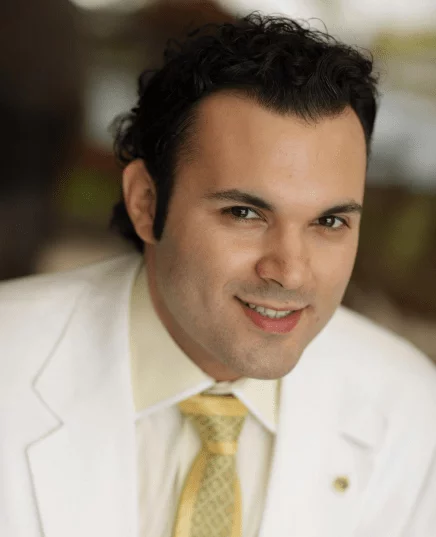
Written and medically reviewed by David Nazarian, MD — Board Certified in Internal Medicine and Medical Director of PRP Treatment Beverly Hills.
If you’re seeking
PRF injection treatments in Beverly Hills. For focused treatment areas, see our
PRF Under Eye Treatment and
PRF Hair Treatment pages, consider scheduling a consultation with our experienced professionals at
PRP Treatment Beverly Hills clinic. With a focus on patient care and personalized treatment plans, our team can help determine if
PRF injections may be appropriate for your specific concern.
Physician Answers: PRF vs PRP
What is the main difference between PRF and PRP?
Both are autologous blood-derived preparations, but PRF is generally prepared with a fibrin matrix and without the same anticoagulant approach commonly used in many PRP systems. At our Beverly Hills clinic, we typically draw three to four vials of blood for PRP or PRF preparation. Our clinic uses RegenLab preparation technology, a Horizon centrifuge system, and the Eclipse PRP system for selected platelet preparations, choosing the appropriate compatible system and settings for each PRP or PRF protocol and may perform multiple processing cycles when appropriate to that protocol. The goal is to prepare an adequate amount of material for the planned procedure, not to claim a particular platelet concentration without measurement. Preparation protocols vary, so the final product is not identical across clinics.
Is PRF better than PRP?
No single preparation is universally better
Patient visit guide: frequently asked questions
What is discussed at the first PRF visit?
A clinician reviews the reason for treatment, whether PRF has credible evidence for that indication, medication and bleeding history, possible alternatives, price and expected recovery before recommending a procedure.
How is PRF prepared and delivered?
A blood sample is processed to obtain a platelet- and fibrin-containing preparation. The preparation method and subsequent use depend on the treatment area. Injection, application and aftercare decisions are not identical for hair, skin or other concerns.
Is PRF the same as dermal filler?
No. Hyaluronic-acid filler and autologous PRF are different products with different evidence, behavior and potential complications. PRF should not be promised to correct substantial volume loss.
What questions should I ask before treatment?
Ask which indication is being treated, what studies support it, the exact preparation system, expected number of visits, complications, alternatives and total cost., and high-quality head-to-head research has not established PRF as consistently superior to PRP across hair, skin or joint indications. For hair-specific evidence and treatment details, see our PRF hair-restoration page. I choose between PRF, PRP, or another treatment based on the diagnosis, anatomy, treatment goal, available evidence, and how the product will be used.
Who should not assume PRF is the right option?
Patients with a concern better addressed by surgery, filler, medication, rehabilitation, or another evidence-based treatment should not be steered toward PRF simply because it is blood-derived.
In my practice, I do not treat PRF as a universal substitute for PRP, filler, or other therapies; I choose it selectively based on anatomy, diagnosis, treatment goals, preparation method, and the quality of evidence for the indication. We offer
PRF injections for
hair loss and growth,
microneedling skin rejuvenation, osteoarthritis, joint pain, tendonitis, muscle injuries, scars, stretch lines,
fine lines,
under eye dark circles,
volume loss,
acne scars and more. Our medical center also offers
stem cell therapies,
PRP and other regenerative therapies.
According to Pubmed, a study was conducted to evaluate the clinical advantages of administering liquid platelet-rich fibrin (PRF) for individuals experiencing temporomandibular joint (TMJ) discomfort and dysfunction. Out of the 48 temporomandibular joints (TMJs) that were assessed, 33 (69%) exhibited a considerable reduction in pain after 8 weeks and at 3, 6, and 12 months (classified as “Responders”).
Another research showed that after a sequence of three i-PRF injections, the facial skin displayed noteworthy revitalization at the 3-month follow-up, with enhanced skin analysis parameters and improved self-assessment scores from patients. Skincare benefits of PRF, such as skin texture, signs of aging, ultraviolet spots, and porphyrins, showed a numerical improvement.