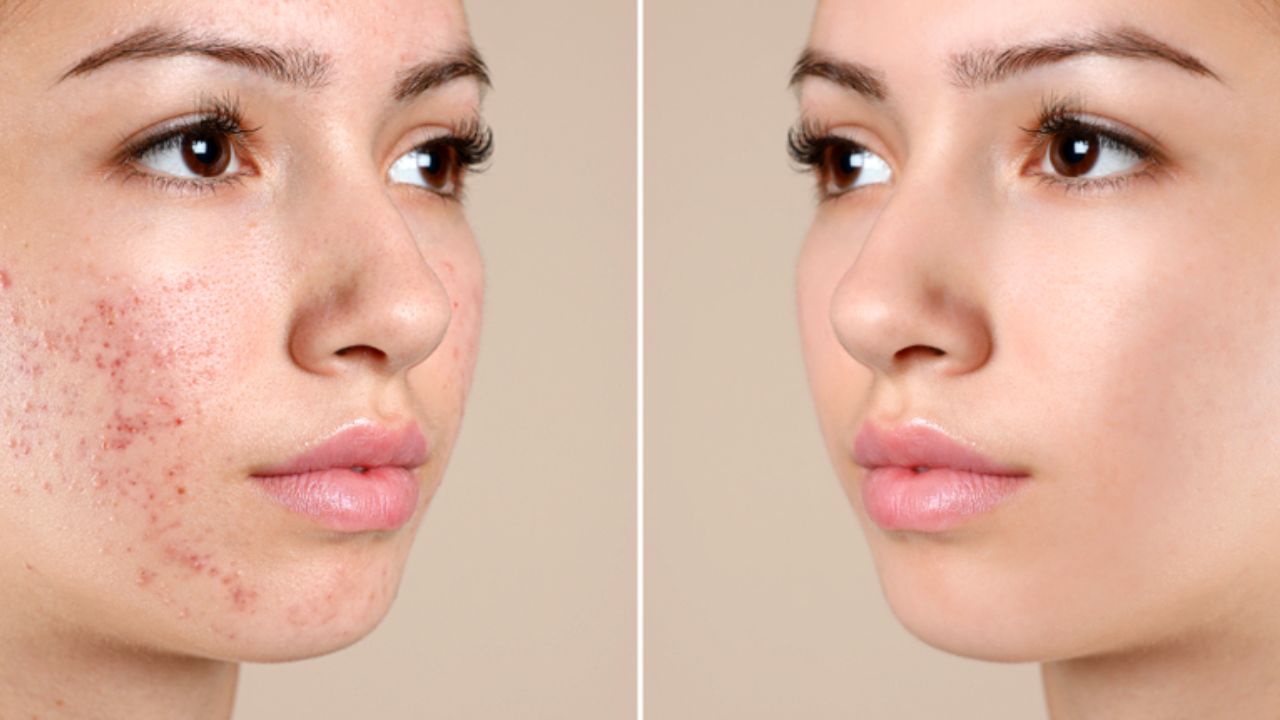
Acne scars are not all the same, and I do not recommend the same treatment for every scar pattern. Before considering PRP with microneedling, I look at whether the scars are rolling, boxcar, ice-pick, tethered, raised, or primarily pigment changes rather than true textural scars. That distinction helps determine whether microneedling with PRP is a reasonable option, whether another treatment may be more appropriate, or whether combination treatment should be considered.
Acne does not always leave permanent scarring, and the scars that do remain can behave very differently. Depressed scars, tethered scars, narrow ice-pick scars, broader boxcar scars, raised scars, and post-inflammatory pigment changes may require different approaches. The goal of this page is to help patients understand which scar patterns may be reasonable candidates for microneedling with PRP and when another treatment strategy may be more appropriate.
Written and medically reviewed by David Nazarian, MD — Board Certified in Internal Medicine and Medical Director of PRP Treatment Beverly Hills.
Physician Answers: PRP for Acne Scars
Which acne scars are most likely to respond?
I am more likely to consider microneedling with PRP for selected atrophic scars when the scar pattern and skin type are appropriate. Deep ice-pick scars, heavily tethered rolling scars, active acne, or primarily pigment-related marks often need a different or combined strategy.
Is PRP enough by itself?
Not always. Acne-scar treatment is diagnosis-specific. Subcision, microneedling, laser, chemical reconstruction, filler, or other treatments may be more important than PRP depending on the scar type.
This page focuses specifically on acne-scar diagnosis and treatment selection. Microneedling with PRP may be considered for selected atrophic scars, but it is not the right approach for every scar type. Patients whose primary goal is broader facial skin-quality treatment should review the separate PRP facial with microneedling service page.