


CALL US NOW +1-844-669-0939
PRP & PRF Frequently Asked Questions
Medically reviewed by David Nazarian, MD
Board Certified in Internal Medicine • Medical Director, PRP Treatment Beverly Hills
Answers below provide general information about PRP and PRF. Evidence, risks, preparation methods, and expected results vary by indication. For treatment-specific information, see our PRP Treatments and PRF Treatments pages.
Prices depend on the treatment. A consultation with Dr. Nazarian is $450 and is credited toward your first treatment. Current prices include PRP hair $800 per session, PRF hair $1,200, PRP joints $1,200, PRP tendon treatment $800, PRP under eyes $850, PRF under eyes $1,100, PRP facial with microneedling $900, PRP stretch marks $800, PRP for erectile dysfunction $1,200, and PRF for erectile dysfunction $1,500. Discounted multi-session packages are available.
Blood-draw volume and final PRP/PRF volume depend on the preparation system and treatment plan; more tubes or more volume does not automatically mean a better clinical result. See our full PRP and PRF price list.
PRP has its strongest evidence for androgenetic alopecia (pattern hair loss) in men and women. Systematic reviews suggest it may improve hair density in some patients, but protocols and results vary. Evidence is less established for other forms of alopecia, so diagnosis should come before treatment selection. See our PRP Hair Restoration page.
We provide physician-supervised evaluation for selected under-eye concerns. PRP may be considered for some patients, but dark circles can result from pigmentation, visible vessels, shadowing from hollows, skin thinning, allergies, or other causes. PRP should not be described as guaranteed to lighten dark circles. See our PRP Under Eyes page.
PRP treatment for knee and joint conditions involves injecting platelet-rich plasma, which contains growth factors, into the affected area. PRP is derived from your own blood and can be injected into knee joints, tendons, shoulders, elbows, wrists and other areas. Research suggests it may reduce pain and improve function in knee osteoarthritis, although results vary.
Most insurance plans do not cover PRP. If you have out-of-network benefits, we can provide documentation of your consultation and PRP session that you can submit for possible reimbursement, but coverage is not guaranteed. You can contact our office to have your benefits checked before treatment.
Recovery varies by treatment area, injection technique, and individual response. Temporary soreness, swelling, redness, bruising, or tenderness can occur for several days, and some treatment areas may take longer to settle. Follow the treating clinician’s aftercare instructions and seek medical review for severe or worsening symptoms.
PRP is a concentrated platelet-containing plasma preparation made from a patient’s own blood. Platelets release signaling proteins involved in tissue repair and inflammation. Clinical benefit depends on the condition being treated, and proposed biologic mechanisms do not guarantee regeneration or improvement.
PRP candidacy is individualized. Active infection at or near the treatment site, certain platelet or bleeding disorders, some active cancers or hematologic diseases, severe medical instability, and medications that affect bleeding or platelet function may change whether or when PRP is appropriate. These are not all absolute exclusions; your physician should review your history, medications, and treatment indication.
PRP is derived from your own blood and is an autologous blood product. It is actually the extraction and concentration of a part that contains platelet rich plasma.
The growth factors in PRP, include platelet-derived growth factor (PDGF), epidermal growth factor (EGF), vascular endothelial growth factor (VEGF), transforming growth factor β (TGF-β),insulin-like growth factor (IGF) and fibroblast growth factor (FGF)
Platelets contain granules that release proteins and other substances that play an important part in tissue repair and the healing process.
Potential benefits depend on the indication. Evidence is strongest for selected uses such as androgenetic alopecia and some musculoskeletal conditions, while evidence for many aesthetic uses is smaller or heterogeneous. PRP should not be described as universally reducing pain, regenerating tissue, or working across all conditions.
The PRP injection procedure refers to the process of drawing ones blood. Typically from the arms and then using a centrifuge and special tubes to obtain a concentrated form. The area that is targeted is usually numbed and PRP prepared in syringes is injected to that area by a healthcare provider.
Common effects include temporary soreness or tenderness, swelling, redness, bruising, or bleeding at the injection site. Infection and nerve or vascular injury are less common but possible with injections. Risk depends on the treatment area and technique.
PRP discomfort varies by treatment area and injection technique. Some patients feel only brief pressure or stinging, while scalp or other sensitive areas can be more uncomfortable. Comfort options may include topical anesthetic, local anesthetic, or a nerve block depending on the treatment area and clinician’s judgment.
Blood clots are not a recognized side effect of PRP injections in typical use. The most common effects are irritation, soreness or bruising at the injection site. As with any injection, there is a small risk of infection, which sterile technique keeps low. Tell Dr. Nazarian if you have a history of blood clots or a clotting disorder.
There is no universal evidence-based rule requiring every patient to avoid coffee after PRP. Some clinicians may recommend limiting caffeine or alcohol around treatment depending on the procedure and patient factors. Follow the instructions provided for your specific treatment.
The blood needs to be taken in the office and spun and extracted. It is usually performed in our office.
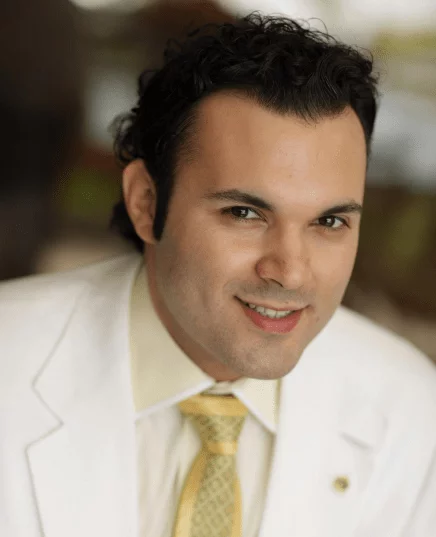
Author: David Nazarian M.D.
Dr. David Nazarian is certified by the American Board of Internal Medicine and specializes in platelet-rich plasma therapy and the role growth factors play in the healing process. Dr. Nazarian closely monitors the medical literature regarding PRP and its potential use in the treatment of certain medical conditions such as hair loss, orthopedics, sports injuries, joint pain, erectile dysfunction, dermatology, acne scars, dark under eyes, tendonitis and more. There are many clinical trials and research being done on the use of platelet-rich plasma that show promising results. We look forward to meeting you and discussing if this therapy can help your specific condition.
Physician-led PRP treatment in Beverly Hills for hair loss, facial skin rejuvenation, stretch marks, tendonitis, joint pain and sexual health.
Verify Dr. Nazarian’s credentials:
Medical Board of California license A102096
American Board of Internal Medicine certification lookup
Contact Us
Dr. David Nazarian, MD
9301 Wilshire Blvd Suite 405,
Beverly Hills, CA 90210
Phone: 1-844-669-0939
Email: info@prptreatmentbeverlyhills.com
Copyright ©2026. Design & Developed by Freelancers Hub