Medically reviewed by David Nazarian, MD — Board Certified in Internal Medicine and Medical Director of PRP Treatment Beverly Hills.
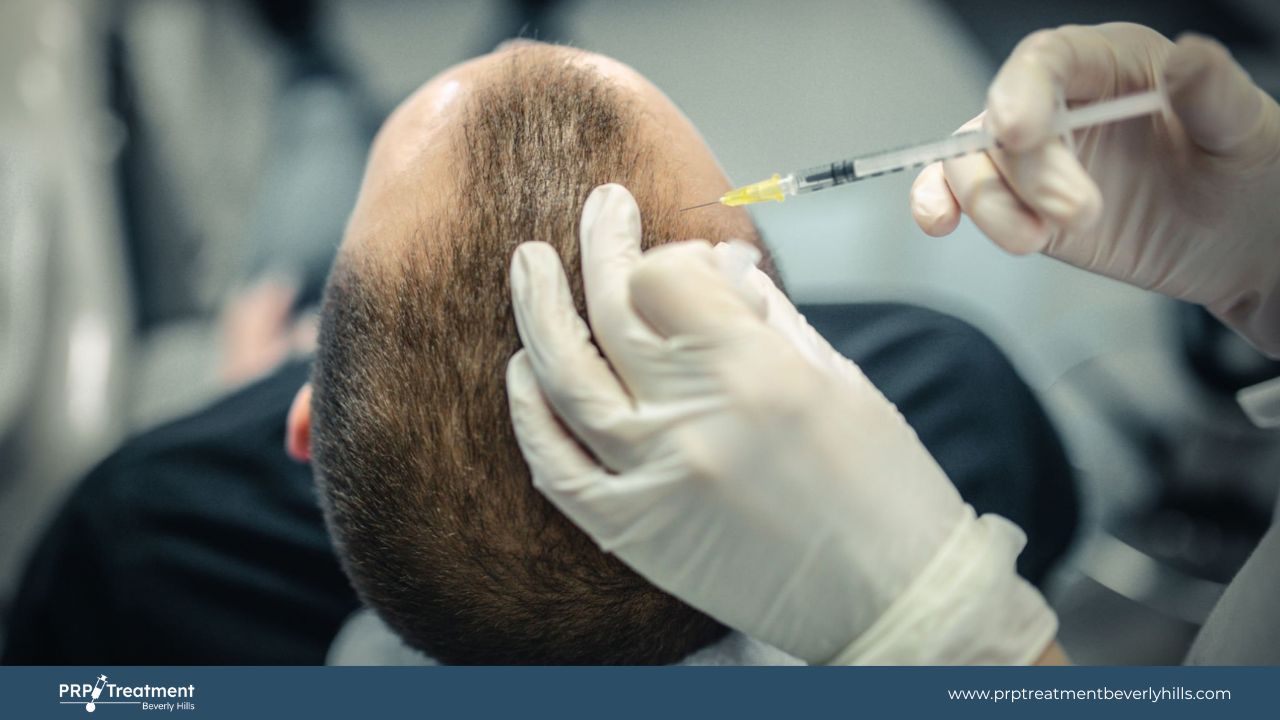
PRP hair treatment is an autologous, non-surgical procedure studied most extensively for androgenetic alopecia. Common adverse effects are usually local and temporary, but injection-related complications can occur.
Common PRP hair-treatment side effects include temporary scalp tenderness, redness, swelling, bruising, itching, or headache. Infection, bleeding, prolonged pain, or other complications are less common but possible. Persistent or severe symptoms should be medically evaluated.
This article explains the common side effects of PRP hair loss treatment and how recovery is typically managed. By providing this information, patients can make informed decisions about their hair restoration options and feel more confident in their treatment journey.
At PRP Treatment Beverly Hills, we prioritize patient safety and satisfaction and strive to provide the best possible care for our patients.
Common Side Effects of PRP Hair Treatment
The most common side effects of PRP hair treatment include
- Swelling at the injection site
- Redness or discoloration of the scalp
- Itching or tingling sensation
- Pain or tenderness at the injection site
Swelling at the Injection Site
Swelling is a common side effect of PRP hair treatment and typically occurs due to the injection process itself. The swelling is usually temporary and should subside within a few days.
Redness or Discoloration of the Scalp
Redness or discoloration may occur due to the injection process or the body’s natural response to the treatment. This side effect is usually temporary and should subside within a few days.
Itching or Tingling Sensation
An itching or tingling sensation is also a common side effect of PRP hair treatment and usually occurs due to the stimulation of the scalp by the injection. The sensation is usually temporary and should subside within a few days.
Pain or Tenderness at the Injection Site
Pain or tenderness may occur due to the injection process, or the pressure of the PRP solution injected into the scalp. This side effect is usually temporary and should subside within a few days.
How Long does Each Side Effect Typically Last?
Typically, these common side effects of PRP hair treatment are mild and temporary, lasting only a few days to a week at most. In rare cases, side effects may persist longer, indicating the need for medical attention.

Tips for Managing Common Side Effects of PRP Hair Treatment
Management depends on the symptom, treatment protocol, and medical history. Patients should follow the treating clinician’s aftercare instructions rather than use a universal post-PRP regimen.
Rest: Patients should avoid strenuous activity and rest for at least 24 hours after PRP hair treatment to reduce the risk of side effects.
- Ice packs: Applying ice packs to the injection site can help reduce swelling and discomfort.
- Avoid hair products: Patients should avoid using hair products, including shampoos and conditioners, for at least 24 hours after treatment to allow the scalp to heal fully.
Specific tips for managing each side effect
- Swelling: Mild swelling may be managed with measures recommended by the treating clinician. Medication choices should be individualized because some clinicians advise avoiding certain anti-inflammatory drugs around PRP treatment.
- Redness or discoloration: Avoid exposing your scalp to direct sunlight or heat, exacerbating redness or discoloration. Wearing a hat or staying in a shaded area can help prevent further irritation.
- Itching or tingling sensation: Avoid scratching or rubbing the injection site, as this can further irritate the scalp. Applying a cool compress or shower can help alleviate itching or tingling sensations.
- Pain or tenderness: Take pain relievers, such as ibuprofen or acetaminophen, to reduce pain or tenderness. Applying ice packs to the injection site can also help alleviate pain.
When to Seek Medical Attention
While the common side effects of PRP hair treatment are usually mild and temporary, patients should seek medical attention if they experience persistent or severe side effects, such as prolonged swelling, fever, or infection. At PRP Treatment Beverly Hills, we encourage patients to contact us immediately if they experience any concerning symptoms following treatment.
Impacts of Pre-Existing Health Conditions on Prp Hair Treatment Side Effects
Pre-existing health conditions can impact on the side effects of PRP hair treatment. Patients with certain health conditions may be more prone to side effects or experience more severe side effects than others.
For example, patients with a history of bleeding disorders or taking blood-thinning medications may have a higher risk of bleeding or bruising at the injection site. Patients with autoimmune disorders may be more prone to allergic reactions to the PRP solution or experience more severe side effects due to their weakened immune systems.
Similarly, patients with a history of skin allergies or sensitive skin may be more prone to skin irritation or redness following PRP hair treatment. Patients with diabetes or other chronic conditions may experience delayed healing and require additional monitoring to ensure proper recovery.
Patients must disclose their pre-existing health conditions and any medications they take to their healthcare provider before undergoing PRP hair treatment. This will allow the healthcare provider to take necessary precautions and tailor the treatment plan to the patient’s needs.
Patients with pre-existing health conditions should also be closely monitored during and after treatment to ensure any side effects are promptly identified and managed. With proper care and monitoring, patients with pre-existing health conditions can still benefit from PRP hair treatment with minimal risk of side effects.
Considering PRP hair treatment in Beverly Hills or Los Angeles? Learn about candidacy, expected results, risks, alternatives and treatment planning on our PRP Hair Restoration & Hair Loss Treatment page.
Conclusion
PRP is a non-surgical option studied for selected types of hair loss, particularly androgenetic alopecia. Results vary, and treatment carries potential side effects and complications. Patients should understand common reactions, warning signs, and realistic expectations before treatment.
By following the tips mentioned in this blog post, patients can minimize the risk of side effects and have a more comfortable treatment experience. At PRP Treatment Beverly Hills, we prioritize patient safety and satisfaction and are always available to answer any questions or concerns our patients may have.
If you are considering PRP hair treatment for hair loss or are already undergoing treatment, we encourage you to speak with our team to learn more about what to expect during and after treatment. With the proper knowledge and preparation, PRP hair treatment can help you achieve your hair restoration goals and boost your confidence.