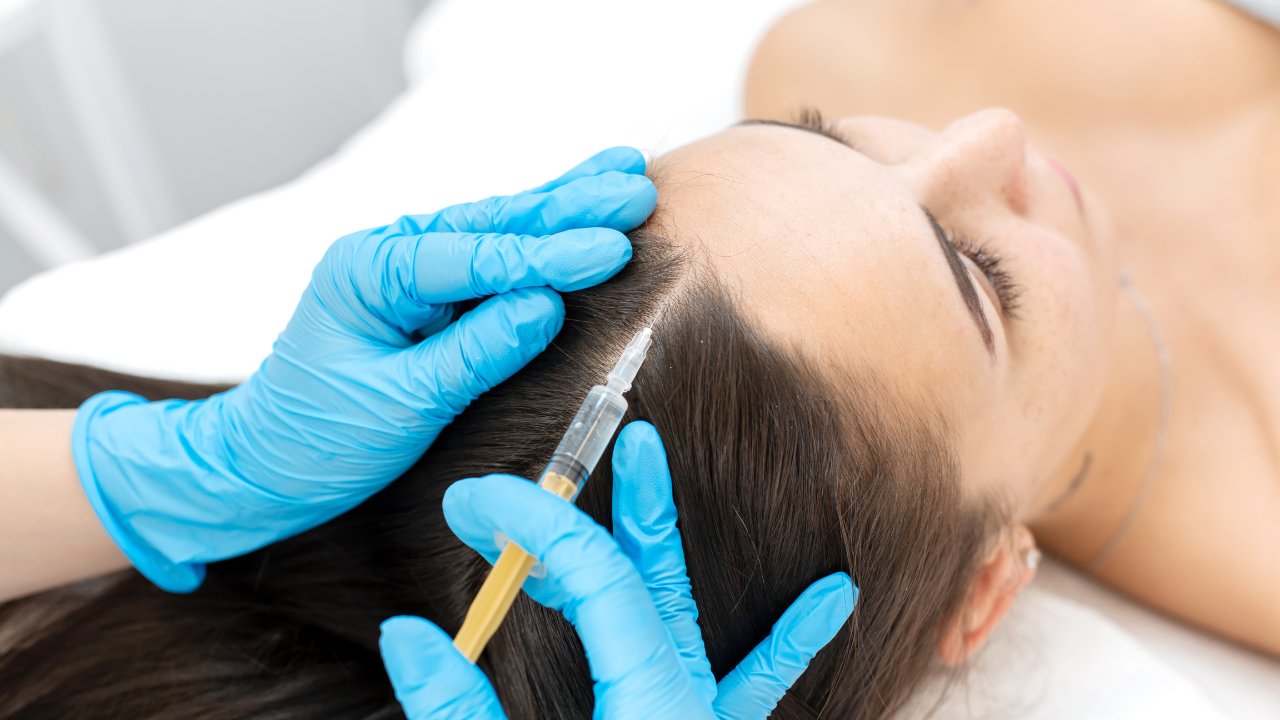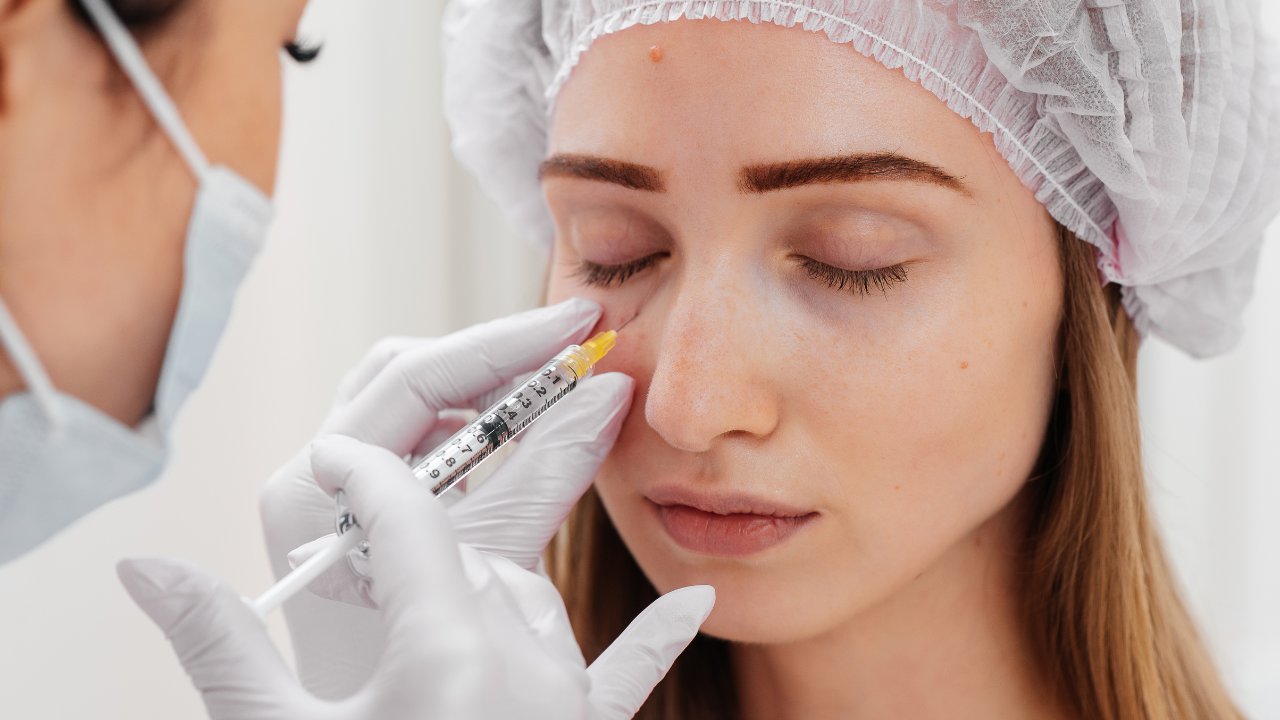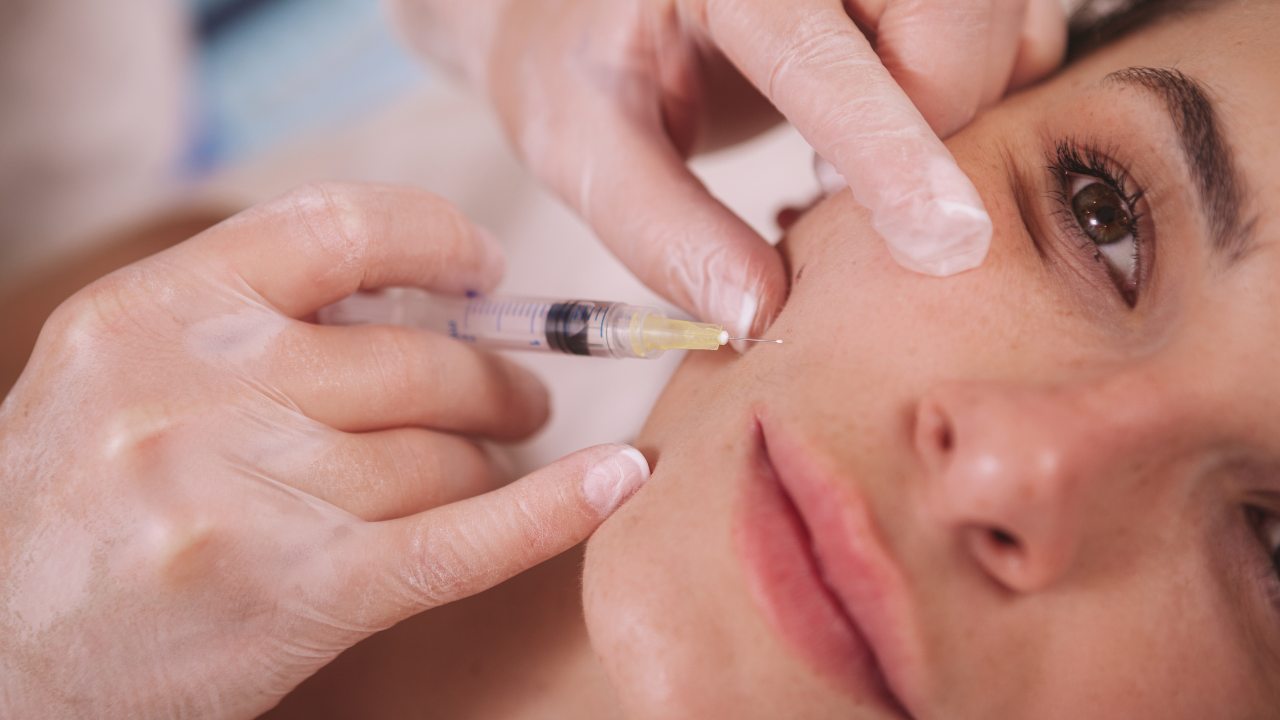
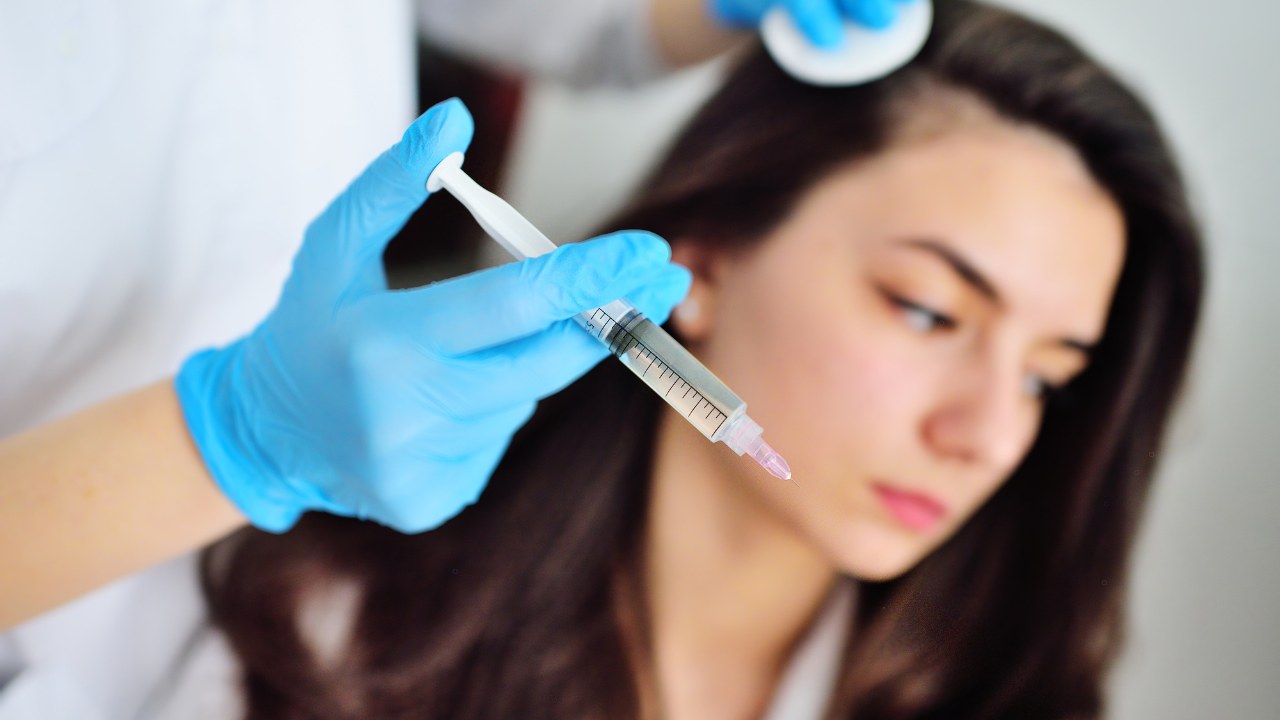
PRP treatment is usually uncomfortable but very tolerable. Most people feel a quick pinch or pressure during injections and temporary soreness or bruising afterward. Pain level depends on the area treated and whether topical numbing or a nerve block is used. Most discomfort is short-lived, and clinics can adjust comfort measures to match your sensitivity and goals.
Key takeaways
- Expect brief injection discomfort, followed by short-term soreness or bruising afterward.
- Comfort options include topical anesthetic numbing cream or a local anesthetic nerve block.
- PRP supports gradual skin or tissue improvement, while Botox relaxes muscles to soften expression lines
- If you dislike needles, ask about numbing timing, breaks, and smaller treatment zones.
- Choose a qualified provider since PRP involves blood handling and injection technique.
Pain and downtime: a realistic PRP timeline
During treatment, the blood draw feels similar to routine lab work. The injection or microneedling portion can feel like a quick sting, a prickling sensation, or pressure. Sensation varies based on your pain threshold and the treatment area.
After treatment, mild soreness, bruising, and sometimes swelling are common. Most people feel steadily better as the area settles.
Pain is influenced by the area treated, the number of injection points or microneedling passes, your baseline sensitivity, and whether topical anesthetic or nerve block anesthesia is used.
Comparing PRP Therapy to Other Treatments
PRP is usually chosen for gradual improvement rather than instant changes.
PRP vs corticosteroid injections: both involve injections and can be briefly uncomfortable. And PRP treatment uses your own blood-derived product, which is one reason clinicians often frame the allergy risk as lower than that of some medication injections.
Also, PRP vs hyaluronic acid fillers: fillers typically provide immediate volume or contour changes, while PRP supports skin quality improvements over time.
PRP vs hair transplant surgery: transplant surgery is more invasive with longer recovery. PRP is minimally invasive and usually has milder downtime.
Differences Between PRP vs Botox
PRP and Botox target different goals.
PRP is made from your own blood components and is used to support tissue recovery and skin quality, with improvements developing gradually.
Botox is a prescription medication injected into specific muscles. It temporarily relaxes those muscles, which softens expression lines like frown lines. Results typically last a few months and fade gradually.
Many clinics combine PRP and Botox depending on the concern, but the timing and sequencing should follow your provider’s plan.
Book a PRP consultation with our Beverly Hills clinic and ask for a comfort-first protocol: your numbing option, timing, and whether PRP or an alternative like Botox best fits your goals.
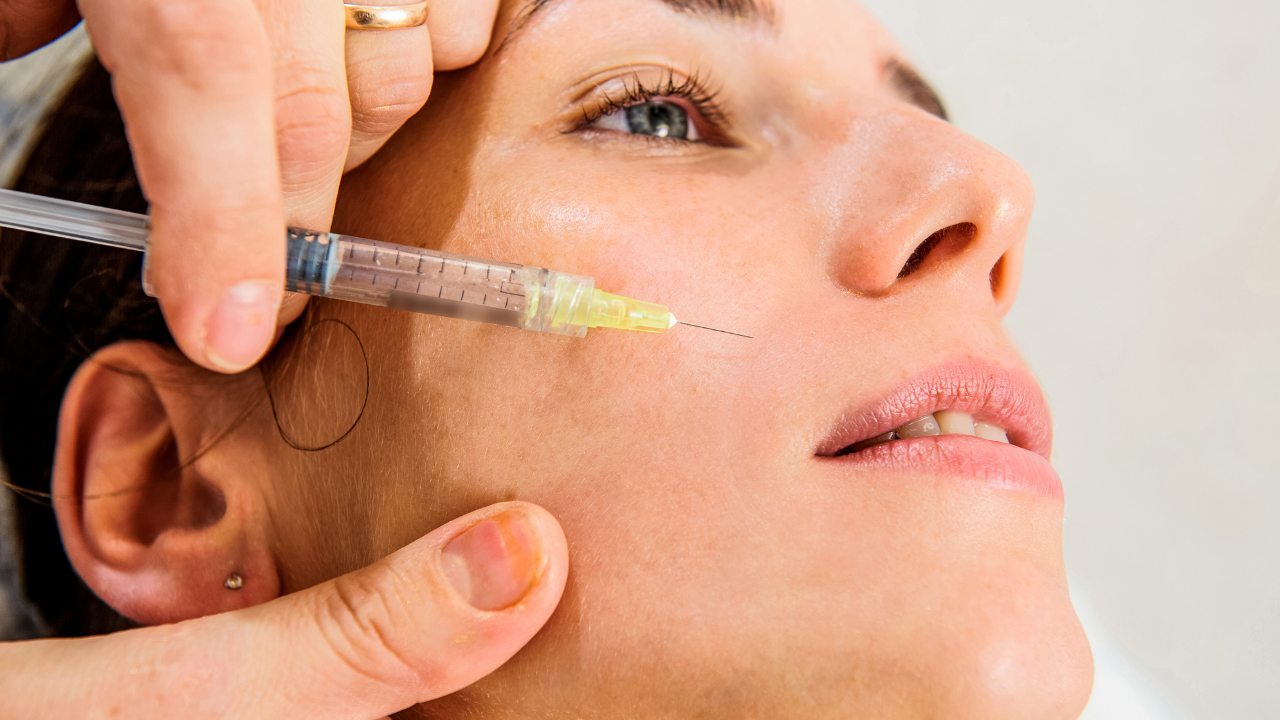
3 Types of Numbing Cream for PRP Injections
PRP comfort is often managed with topical local anesthetics applied before treatment.
- Lidocaine is one of the most common topical anesthetics used to reduce skin sensation before injections or microneedling.
- Benzocaine is another topical anesthetic used to numb the surface, though its suitability depends on the treatment area and your skin sensitivity.
- Tetracaine is used in some topical numbing combinations and may be included to provide stronger or longer-lasting numbing in certain products.
Clinics may also use nerve blocks or other local anesthesia for very sensitive areas or for patients with low pain tolerance.
FAQs
Do PRP injections hurt?
They can sting or feel like pressure, but most patients find it manageable, especially with numbing cream or a nerve block.
How long does PRP soreness last?
Soreness and bruising are common shortly after treatment and usually improve over the next several days.
What is the best numbing option for PRP?
Many patients do well with a topical numbing cream. If you’re very sensitive or treating a tender area, a nerve block may be a better option.
Is PRP more painful than Botox?
Botox is usually very quick and uses small injections. PRP can involve multiple injections or microneedling passes, so it can feel more intense overall, but numbing makes a big difference.
Which is better for wrinkles: PRP or Botox?
Botox is better for expression lines caused by muscle movement. PRP is better when the goal is improving skin quality and texture over time.
How long does Botox last?
Most people see results for about three to four months, though it varies.
What are the main risks of PRP?
Risks are uncommon but can include infection, bleeding, bruising, or nerve irritation. Technique and sterility reduce risk.
Can I request extra numbing?
Yes. Clinics can often adjust numbing type, timing, and technique to improve comfort.
Sources
- Johns Hopkins Medicine — Platelet-Rich Plasma (PRP) Injections
https://www.hopkinsmedicine.org/health/treatment-tests-and-therapies/plateletrich-plasma-prp-treatment
- JAAD — Adverse effects and anesthesia approaches in PRP and microneedling contexts
https://www.jaad.org/article/S0190-9622%2819%2932554-X/fulltext
- FDA label — BOTOX Cosmetic
https://www.accessdata.fda.gov/drugsatfda_docs/label/2018/103000s5306lbl.pdf
- American Academy of Dermatology — Botulinum toxin therapy FAQs
https://www.aad.org/public/cosmetic/wrinkles/botulinum-toxin-faqs
- Mayo Clinic — Lidocaine and tetracaine topical
- Mayo Clinic — Benzocaine topical
- FDA label — Lidocaine + Tetracaine topical cream
https://www.accessdata.fda.gov/drugsatfda_docs/label/2006/021717lbl.pdf