...
Yelp Logo

CALL US NOW +1-844-669-0939

PRP for Stretch Mark

Home > PRP for Stretch Mark

PRP Treatment for Stretch Mark

PRP - Platelet Rich Plasma for Stretch Marks

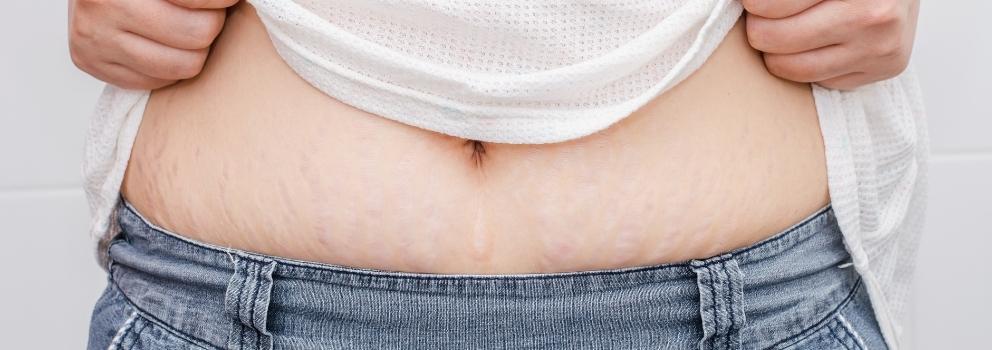
Platelet-rich plasma (PRP) combined with microneedling is a newer treatment that can improve the appearance and texture of stretch marks. When we lose weight, gain curves, or have a child, rapid changes in shape can leave behind thin lines that start red or purple and fade to white: stretch marks. Medically termed striae distensae, they form when the supporting collagen and elastic fibers in the skin are stretched and damaged.

Stretch marks are not a sign of a serious condition, but they can be bothersome, and they can be hard to treat, especially once they are old.

PRP will not erase stretch marks. In small clinical studies, a series of treatments made them less visible and improved skin texture for many patients. Results vary from person to person.

What is platelet-rich plasma treatment?

Platelet-rich plasma is a concentrate made from your own blood. It is used in regenerative medicine to support the skin’s natural repair processes.

To make PRP, we draw a small amount of your blood and spin it in a centrifuge. This separates the platelets and plasma from the red and white blood cells. The platelet-rich layer is then collected and applied to or injected into the treatment area.

How does PRP work?

Platelets are among the smallest and densest of all blood components. They have two main jobs: first, they kickstart the “clotting cascade” that quickly closes a wound after you’ve been injured. They also release proteins called growth factors, which signal the skin to produce collagen.

Collagen, of anti-wrinkle fame, is a protein responsible for the elasticity of our skin, joints, and blood vessels. PRP is being studied and used for skin rejuvenation, scars, hair loss and joint conditions.

So, does PRP work on stretch marks? Small randomized studies and a 2021 systematic review suggest that PRP, especially when combined with microneedling, can improve the appearance and texture of stretch marks. The improvement is gradual and usually partial. The studies are small, so results are not guaranteed.

What are the benefits of platelet-rich plasma for stretch marks?

Here is what patients can reasonably expect from PRP for stretch marks.

It may soften older (white) stretch marks

Stretch marks respond best when they are new, while the lines are still red or purple (striae rubrae). Over time they fade to silvery-white (striae albae), and most creams and lotions do little for them at that stage. In small studies, PRP improved the appearance of both red and white stretch marks, although older white marks usually improve less.

It may help your skin recover after microneedling

Microneedling alone usually causes a few days of redness and sensitivity. Some patients find that the skin settles faster when PRP is applied after microneedling. Most people have redness for about 1 to 3 days.

It supports collagen production

Growth factors released by platelets stimulate the skin to produce new collagen and elastin, the fibers that give skin its strength and elasticity. Studies of skin biopsies after PRP treatment have shown thicker skin and more organized collagen and elastic fibers.

Treated skin may look smoother and firmer over several months

Many patients seek treatment after pregnancy or weight loss. If you also have acne scars in the same area, PRP microneedling may improve their appearance as well.

Can PRP microneedling be used to treat scars as well?

Yes. PRP with microneedling is also used for acne scars and other scars. Studies show that scar appearance can improve after a series of sessions, although results vary.

A study by Ahmed and Mostafa included 45 patients with skin types III and IV (Fitzpatrick) with both white (striae albae) and red (striae rubrae) stretch marks. They were divided into three groups of 15 patients (10 with white and 5 with red stretch marks in each). Group A was treated with carboxytherapy, group B with PRP, and group C with tripolar radiofrequency.

The study found improvement in all three groups. Patients treated with PRP had less visible stretch marks and thicker, healthier-looking skin. Skin biopsies after PRP showed a thicker epidermis, formation of rete ridges, less inflammation, and more collagen and elastic fibers that were longer, thicker and more evenly arranged. [1]

Platelet-rich plasma for stretch marks: what the research shows

A 2021 systematic review in the International Wound Journal found clinical and patient-reported improvement in stretch marks after PRP treatment, along with increased skin thickness and collagen and elastin formation. The authors noted that the studies were small and varied in their methods, and that larger trials are needed. [2]

In another study, Ibrahim et al. treated 68 patients with stretch marks of varying severity. Lesions were randomized to intradermal PRP (group I), microdermabrasion (group II), or both (group III). PRP sessions were done every 2 weeks, up to six sessions.

Stretch marks treated with PRP, or with PRP plus microdermabrasion, improved significantly more than those treated with microdermabrasion alone. Biopsies showed a thicker epidermis and more, thicker and better-organized elastic fibers. [3]

Hodeib et al. treated 20 patients with white stretch marks on the abdomen, using PRP on one side and carboxytherapy on the other. Treatments were repeated every 3 to 4 weeks for 4 sessions. Both sides improved significantly. After PRP, 50% of patients reported pain during injection and 40% had redness or bruising. [4]


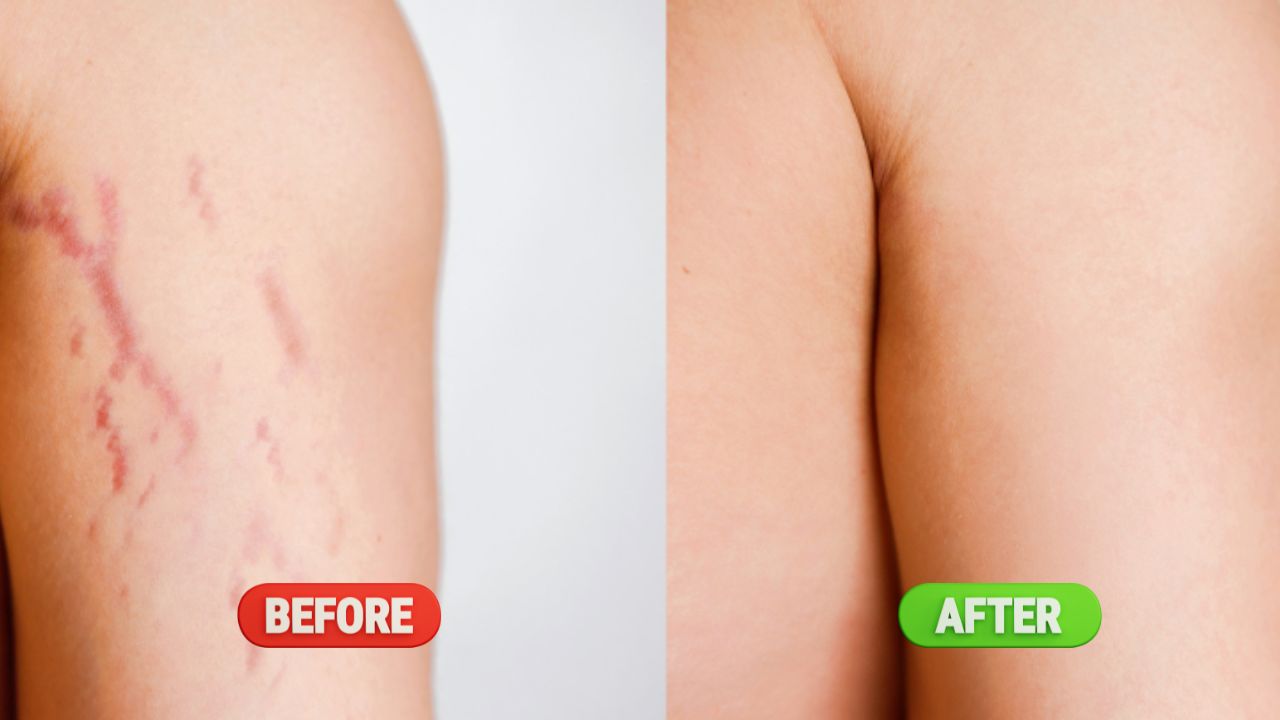
PRP Stretchmarks before and after

PRP for Stretch Mark before after

How is the PRP procedure for stretch marks done?

Applying PRP on stretch marks is remarkably simple and can be done in as little as 30 minutes.

At the start of the appointment, we’ll prepare a fresh vial of platelet-rich plasma using your own blood. This process usually takes 20 minutes or less.

Next, we will apply numbing cream or a topical anesthetic to your skin.

To apply the plasma to your skin, we will first need to first prepare the skin using one of two techniques: standard PRP micro-needling or plasma fibroblast.

PRP Microneedling Stretch Marks

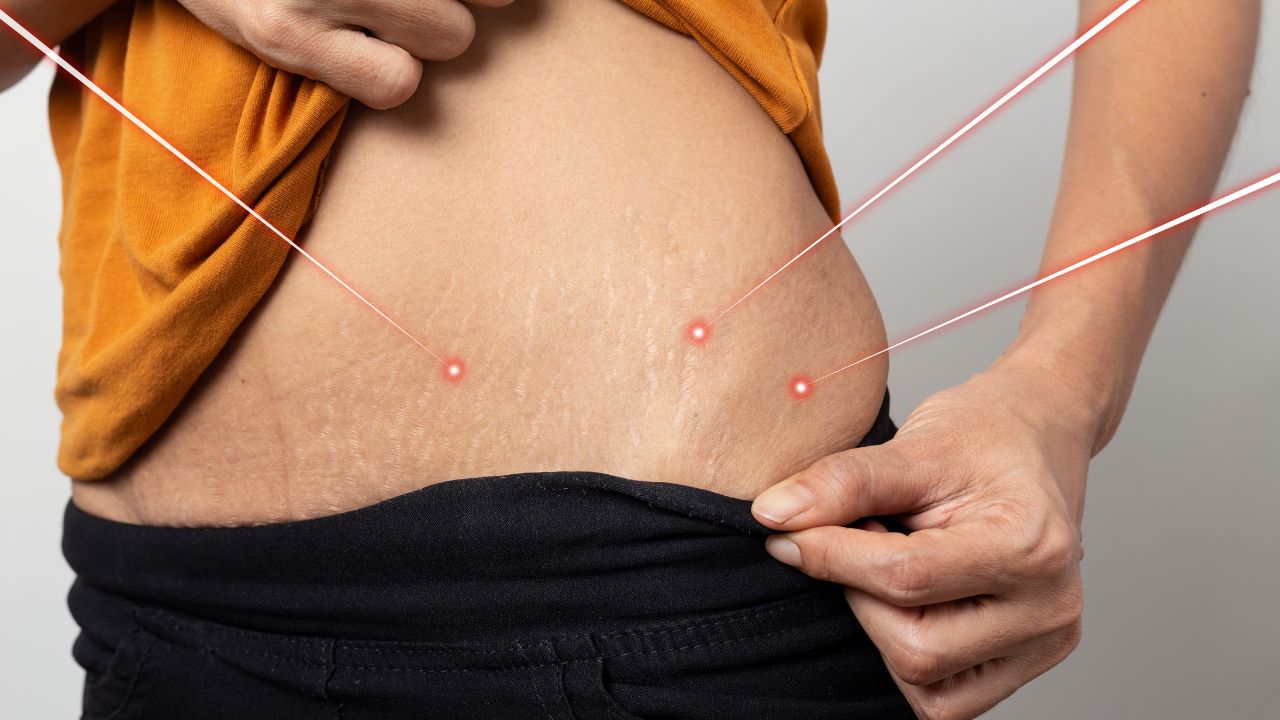
After numbing, a sterile microneedling device creates thousands of tiny, controlled channels in the skin. PRP is applied to the freshly treated skin and may also be injected directly into the stretch marks.

The channels let the platelets and their growth factors reach the dermis, the deeper layer of the skin, where collagen is produced.

Improvement is gradual. Most patients notice changes over 3 to 6 months as new collagen forms. A typical course is 3 to 6 sessions, spaced 2 to 4 weeks apart. Newer red or purple stretch marks tend to respond faster than older white ones. Stretch marks usually become less visible, but they do not disappear completely.

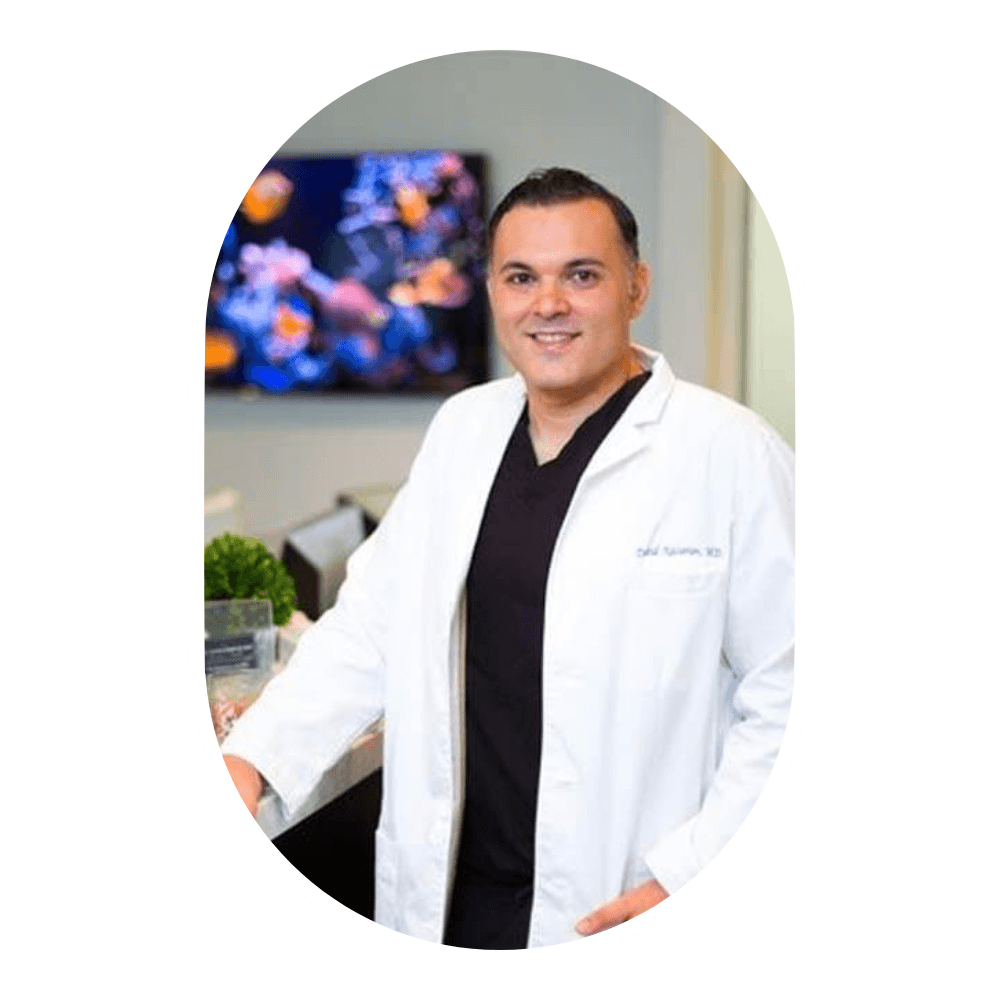
Consultation with Dr. Nazarian, MD: $450
Credited toward your first treatment
Labs and imaging ordered when needed
  • PRP from $800 per session
  • PRF from $1,100 per session
  • Discounted 3-session packages on every treatment
  • See the full PRP and PRF price list
  • 4 tubes of blood drawn per session, more than many clinics use; 10 to 15 cc of PRP obtained
  • 4-ingredient numbing cream
  • 6-needle injector used for hair treatments
  • Providing PRP therapy since 2008
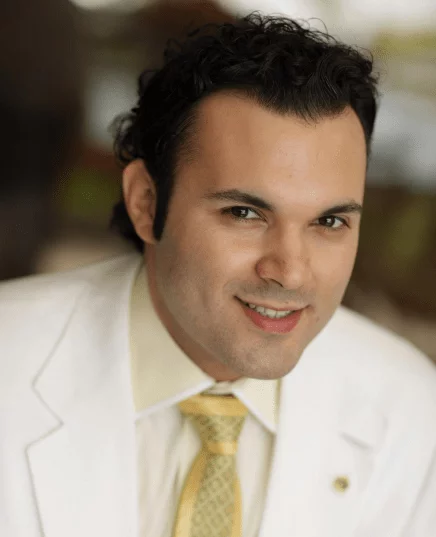
PRP Treatment & Therapy Specialist Beverly Hills - David Nazarian

Platelet-rich plasma fibroblast

Fibroblasting is similar to PRP microneedling for stretch marks, but it works better for very small or delicate areas. Fibroblasting is done using a “plasma pen,” which replaces tiny needles with tiny electrical (plasma) arcs to create a tight pattern of micro-injuries on the skin.

Then, the doctor will massage the plasma directly into the skin, triggering a similar reaction.

Fibroblasting pens are more time-consuming to use, especially for large areas, and this is why they are usually reserved for delicate areas like the eyelids or breasts. However, it can also target deep stretch marks left over from regular PRP microneedling.

Side effects and recovery from PRP

Side effects and recovery from PRP

At the end of the session, your doctor will apply a cooling gel to soothe the skin before you go home. Afterwards, you can expect a few days of slight discomfort, which may include:

  • Swelling
  • Redness
  • Soreness
  • Light bruising, especially if you target the hips
  • Scabbing, especially after fibroblasting

You may need to keep the treated areas covered until the redness completely subsides. However, any more severe side effects or adverse reactions are very infrequent.

Since PRP therapy uses your own blood, the risk of an allergic reaction to the PRP itself is very low. There is a slight chance of infection, which we minimize with sterile technique.

Who shouldn’t get PRP injections for stretch marks?

PRP has a good safety record because it is made from your own blood. However, it may not be right for you if you:

  • Have severe anemia or a low platelet count
  • Have a previous history of keloid scars or hypertrophic scarring
  • Use tretinoin or isotretinoin (Retin-A) creams or serums
  • Are currently pregnant
  • Are allergic to anesthetic or numbing creams

Dr. Nazarian will review your medical history at your consultation to make sure the treatment is appropriate for you.

PRP for stretch marks in Beverly Hills and Los Angeles

Treatment is performed by or under the supervision of David Nazarian, MD, a board-certified internist who has provided PRP therapy in Beverly Hills since 2008. We draw 4 tubes of blood for each session, more than many clinics use, to prepare a larger volume of PRP.

Individual results vary. This page is for general information and is not a substitute for a medical consultation.

To schedule your consultation, call (844) 669-0939

PRP Microneedling For Stretch Marks Near Me

We serve patients from Beverly Hills and the greater Los Angeles area.

References

  1. Ahmed NA, Mostafa OM. Comparative study between: carboxytherapy, platelet‐rich plasma, and tripolar radiofrequency, their efficacy and tolerability in striae distensae. J Cosmet Dermatol. 2018;18:788‐797. 10.1111/jocd.12685. [PubMed] [CrossRef] []
  2. Sawetz I, Lebo PB, Nischwitz SP, Winter R, Schaunig C, Brinskelle P, Kamolz LP, Gualdi A, Lumenta DB. Platelet-rich plasma for striae distensae: What do we know about processed autologous blood contents for treating skin stretchmarks?-A systematic review. Int Wound J. 2021 Jun;18(3):387-395. doi: 10.1111/iwj.13541. Epub 2021 Mar 18. PMID: 33738930; PMCID: PMC8244019. https://pubmed.ncbi.nlm.nih.gov/33738930/

  3. Ibrahim ZAE‐S, El‐Tatawy RA, El‐Samongy MA, Ali DAM. Comparison between the efficacy and safety of platelet‐rich plasma vs. microdermabrasion in the treatment of striae distensae: clinical and histopathological study. J Cosmet Dermatol. 2015;14(4):336‐346. 10.1111/jocd.12160. [PubMed] [CrossRef] []
  4. Hodeib AA, Hassan GFR, Ragab MNM, Hasby EA. Clinical and immunohistochemical comparative study of the efficacy of carboxytherapy versus platelet‐rich plasma in treatment of stretch marks. J Cosmet Dermatol. 2018;17(6):1008‐1015. 10.1111/jocd.12481. [PubMed] [CrossRef] []

As Seen On

PRP Treatment featured on Extra TV
PRP Treatment featured on KTLA5
PRP Treatment featured on Los Angeles Times
PRP Treatment featured on Beverly Hill Magazine
PRP Treatment featured on Bravo
PRP Treatment featured on ENews
PRP Treatment featured on Extra TV

As Featured on Extra TV

Written byDavid Nazarian, MD
Board Certified in Internal Medicine
Reviewed byDavid Nazarian, MD
Medical review updated October 2026