
Patellar tendinopathy, often called jumper’s knee, is a common condition affecting the tendon connecting the kneecap (patella) to the shinbone (tibia). This injury typically occurs from repetitive stress and overuse, commonly seen in athletes involved in activities that require jumping, like basketball, volleyball, and running. The condition results in pain, inflammation, and even dysfunction in the knee, making it challenging for those affected to continue their regular physical activities.
While various treatment options exist for patellar tendinopathy, they often include conservative measures such as rest, physical therapy, and pain relief injections. However, the rise of PRP treatment for tendon and sports injuries is changing the landscape of tendon injury management.
PRP has been studied as an option for selected patients with patellar tendinopathy, but it should not be presented as a guaranteed way to accelerate healing. This article reviews the evidence, procedure, risks, and recovery considerations.
Platelet-Rich Plasma for Patellar Tendinopathy
What is Platelet-Rich Plasma (PRP)?
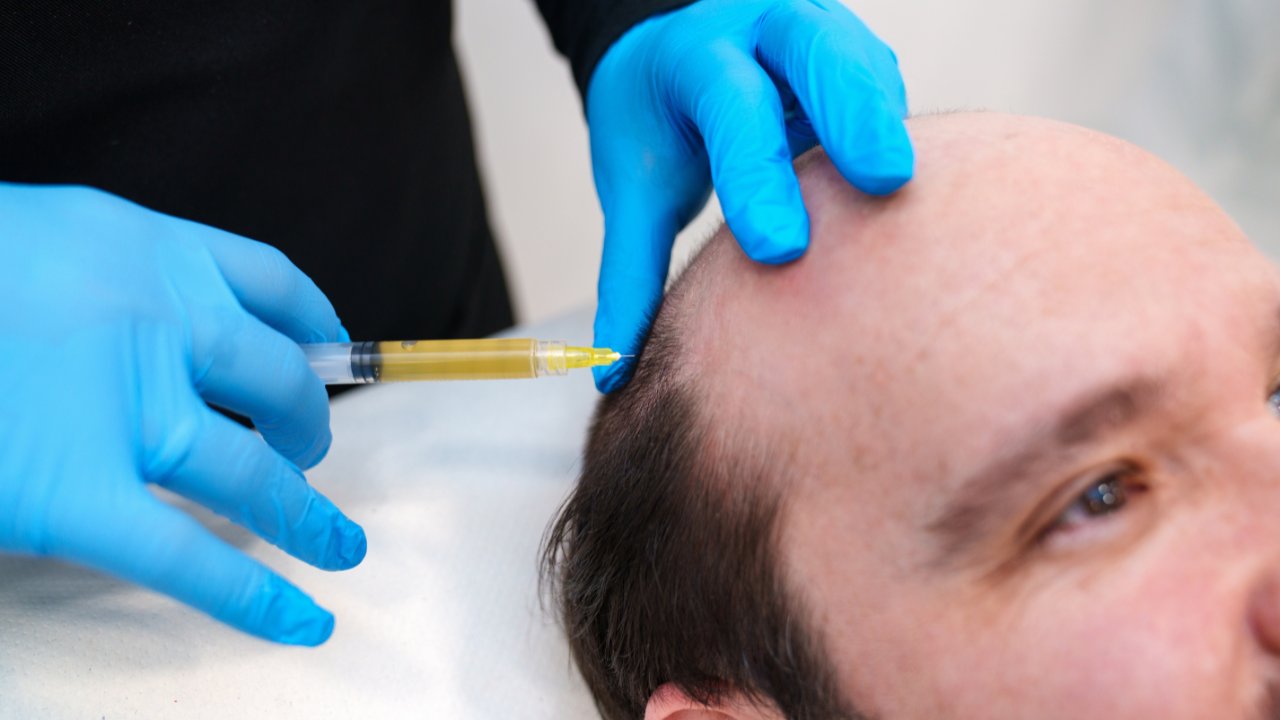
Platelet-rich plasma (PRP) is a concentrated preparation of platelets derived from your own blood. Platelets are blood cells that are crucial in tissue healing and repair. PRP therapy involves taking a sample of the patient’s blood, processing it to concentrate the platelets, and then injecting this plasma directly into the affected area— in this case, the patellar tendon. The goal is to harness the healing power of platelets to promote tissue regeneration, alleviate pain, and enhance recovery.
How PRP Works in Treating Tendon Injuries, Specifically for Patellar Tendinopathy
PRP contains platelets and signaling proteins that are being studied for their effects on local inflammation, collagen-related signaling, and tendon biology. In selected patients with patellar tendinopathy, some studies suggest PRP may improve pain and function, but it should not be described as guaranteed tissue regeneration or accelerated tendon healing. For patellar tendinopathy, the goal of PRP is to improve pain and function in appropriately selected patients; evidence does not establish predictable restoration of tendon strength or structure.
The Science Behind Using PRP to Promote Healing and Tissue Regeneration
The effectiveness of PRP lies in its ability to recruit growth factors like Platelet-Derived Growth Factor (PDGF) and Transforming Growth Factor Beta (TGF-β). These growth factors are essential in stimulating tissue repair and collagen synthesis. In tendon injuries such as patellar tendinopathy, where collagen fibers have been damaged or degenerated, PRP provides a natural mechanism to encourage the production of healthy tissue and restore the tendon to its optimal condition.
How Effective Is PRP for Patellar Tendinopathy?
Research and Studies on PRP for Patellar Tendinopathy
Several studies have explored the effectiveness of PRP in treating patellar tendinopathy, with promising results. One study found that while PRP did not offer significant improvement over non-PRP injections regarding pain relief and functional outcomes, it did show a marked improvement compared to other treatments like extracorporeal shock wave therapy (ECWT). This suggests PRP can be a more practical option in specific scenarios [1].
Success Rates and Effectiveness Compared to Other Treatments
PRP has shown notable advantages compared to traditional treatments such as corticosteroid injections. While corticosteroids may provide short-term relief, they come with the risk of tendon degeneration over time. On the other hand, PRP may provide longer-lasting symptom improvement than some short-term injection approaches in selected studies, but evidence is mixed and it should not be described as a proven regenerative solution. Additionally, recent research suggests that PRP may be particularly effective in treating chronic cases of patellar tendinopathy, offering pain reduction and improved function [2].
When Is PRP Most Effective (Acute vs. Chronic Cases)?
PRP has been studied more often in chronic patellar tendinopathy than in acute injuries. Results are inconsistent across studies, and it should not be assumed that chronic cases respond better or that acute cases experience rapid healing or pain relief.
PRP Treatment Procedure for Patellar Tendinopathy
How PRP Injections Are Performed for Patellar Tendinopathy
The PRP treatment procedure is relatively simple. First, blood is drawn from the patient’s arm, similar to a regular blood test. This blood is then processed using a centrifuge to separate the plasma from the red and white blood cells. The resulting platelet-rich plasma is injected directly into the affected area of the patellar tendon.
The Role of Blood Collection and Centrifugation in Preparing PRP
The centrifugation process is crucial because it concentrates the platelets, the primary healing agents in the plasma. Typically, the concentration of platelets in PRP is higher than in normal blood, making the treatment more effective in stimulating healing at the injury site.
Number of Injections Typically Required for Optimal Results
The number and spacing of PRP injections vary across studies and practices. There is no single evidence-based protocol that guarantees optimal results for patellar tendinopathy.
PRP vs. Other Treatments for Patellar Tendinopathy
Comparing PRP to Corticosteroid Injections
Corticosteroid injections have long been a go-to treatment for tendon injuries, including patellar tendinopathy. However, while they can reduce pain and inflammation, corticosteroids may also weaken the tendon over time. PRP, on the other hand, promotes healing and tissue regeneration, offering a more sustainable solution in the long term.
Physical Therapy and Exercise as Alternatives
Physical therapy and targeted exercises are often recommended for patellar tendinopathy to strengthen the muscles around the knee and reduce stress on the tendon. However, physical therapy alone may not be enough to heal chronic injuries. Combining physical therapy with PRP injections can be an effective strategy for comprehensive treatment.
Surgical Intervention vs. PRP: When Is Surgery Necessary?
Surgery is typically reserved for cases where all conservative treatments, including PRP, have failed. While surgery can provide relief, it comes with risks and a lengthy recovery period. PRP offers a non-invasive alternative, often helping patients avoid the need for surgical intervention.
PRP for Chronic vs. Acute Patellar Tendinopathy
How PRP Affects Chronic Tendon Injuries Compared to Newer Injuries
PRP has been investigated for chronic patellar tendinopathy, particularly when symptoms persist despite rehabilitation, but effectiveness varies. It should not be presented as reliably regenerating tendon tissue or as clearly superior for chronic versus acute injuries.
The Role of PRP in Long-Term Recovery and Pain Management
If symptoms improve after PRP, rehabilitation and progressive tendon loading remain important parts of recovery. Return-to-sport timing should be based on symptoms, strength, function, and clinician guidance rather than the injection alone.
Success Rates for Different Stages of Tendinopathy
Published outcomes vary substantially because patient selection, PRP preparation, rehabilitation, and study methods differ. A single success rate should not be quoted for patellar tendinopathy.
Risks and Side Effects of PRP for Patellar Tendinopathy

Common Side Effects After PRP Treatment
PRP therapy is generally safe, as the plasma is derived from the patient’s blood, reducing the risk of infection or allergic reaction. However, some common side effects include pain at the injection site, swelling, and bruising. These symptoms usually subside within a few days to weeks.
Who Should Avoid PRP Therapy for Tendinopathy?
Patients with certain conditions, such as active infections, blood disorders, or those who are pregnant, may not be suitable candidates for PRP therapy. It is essential to consult with a healthcare provider before proceeding with treatment.
How to Minimize Risks and Ensure the Best Recovery Outcome
To minimize risks and ensure the best results, following post-treatment care instructions carefully is essential. This may include rest, avoiding strenuous activity, and following a rehabilitation program to strengthen the tendon after treatment.
What to Expect During PRP Recovery for Patellar Tendinopathy
Typical Recovery Time After PRP Injections
Recovery time varies depending on the severity of the injury and the individual’s response to treatment. However, most patients can expect to experience some improvement in pain and function within 4 to 6 weeks after PRP injections. Full recovery may take several months.
Post-Treatment Care and Rehabilitation
Following PRP treatment, patients are advised to avoid high-impact activities and give the tendon time to heal. A rehabilitation program, including physical therapy, can further help restore strength and flexibility to the knee.
When Can You Resume Normal Activity or Sports?
While it varies, most patients can resume low-impact activities after 6 to 8 weeks. High-impact sports may require more time, and following your healthcare provider’s advice is important to avoid re-injury.
Frequently Asked Questions
How Much Does PRP Treatment for Patellar Tendinopathy Cost?
PRP therapy costs vary depending on the clinic, but it typically ranges from $500 to $2,500 per session. It’s best to consult with a clinic for specific pricing.
Is PRP Covered by Insurance for Tendon Injuries?
Many insurance companies do not cover PRP therapy, which is considered an elective procedure. However, it’s worth checking with your provider to determine coverage options.
Can PRP Prevent Future Patellar Tendinopathy Flare-Ups?
While PRP can help accelerate healing and reduce pain, it is not guaranteed against future flare-ups. However, with proper rehabilitation and preventive care, the risk of recurrence can be minimized.
Conclusion
PRP therapy offers a promising treatment option for those suffering from patellar tendinopathy. Its ability to promote tissue healing, reduce pain, and accelerate recovery makes it an appealing alternative to traditional treatments. However, as with any medical treatment, it’s essential to consult with a healthcare professional to determine if PRP is the right choice for your specific condition.
If you are struggling with patellar tendinopathy and are looking for a non-invasive treatment option, PRP Treatment Beverly Hills is here to help. Schedule a consultation with our expert team to explore whether PRP therapy could be the solution you’ve been searching for.
References:
- Barman A, Sinha MK, Sahoo J, et al. Platelet-rich plasma injection in the treatment of patellar tendinopathy: a systematic review and meta-analysis. Knee Surg Relat Res. 2022;34(1):22. Published 2022 May 4. doi:10.1186/s43019-022-00151-5
- Bosco, F., Giai Via, R., Giustra, F. et al. Platelet-rich plasma for jumper’s knee: a comprehensive review of efficacy, protocols, and future directions. Eur J Orthop Surg Traumatol 34, 91–96 (2024). https://doi.org/10.1007/s00590-023-03713-9