PRP Treatment Beverly Hills
What to Expect at Your PRP Visit
A clear step-by-step guide to how platelet-rich plasma (PRP) treatment is prepared, what happens during your appointment, and what to expect afterward.
Before Your Appointment
Your consultation begins with a review of your symptoms, medical history, medications, prior treatments, and goals. Depending on the area being treated, Dr. David Nazarian may also review relevant laboratory testing, imaging, or other diagnostic information before deciding whether PRP is appropriate.
Because PRP is an autologous treatment made from your own blood, preparation is performed during the visit. You will receive individualized instructions if any medication, supplement, or activity changes are appropriate for you before treatment.
What Happens During a PRP Visit
Blood Draw
Approximately four tubes of blood are drawn in the office. The amount may vary by treatment area and protocol.
PRP Preparation
Your blood is processed to separate and concentrate the platelet-rich plasma that will be used for treatment.
Numbing or Local Anesthesia
When appropriate, topical numbing or local anesthetic may be used to improve comfort. The approach depends on the treatment area.
Injection or Application
The PRP is injected or applied to the treatment area. Joint and tendon injections may be performed with ultrasound guidance when clinically appropriate.
How Long Does the Appointment Take?
Visit length depends on the treatment area and whether ultrasound guidance, numbing, or additional evaluation is needed. Many PRP appointments can be completed within about 45 to 90 minutes, including blood draw and preparation time.
Your visit may take longer if you are being evaluated for the first time or if a more detailed musculoskeletal assessment is needed.
What Does PRP Feel Like?
Most patients describe the blood draw as routine. During treatment, you may feel pressure, brief stinging, or soreness at the injection site. Areas such as the scalp, face, under-eye region, joints, and tendons can feel different, so comfort measures are tailored to the procedure.
Downtime and Recovery
Mild soreness, swelling, tenderness, bruising, or temporary stiffness can occur after PRP. The pattern depends on the area treated. Many patients return to normal daily activities quickly, but strenuous exercise or heavy loading of a treated joint or tendon may need to be limited for a short period.
Dr. Nazarian will give you treatment-specific aftercare instructions. Contact the office promptly for severe or worsening pain, significant redness, fever, drainage, or other symptoms that concern you.
Aftercare
- Follow the activity restrictions given for your treatment area.
- Keep the treatment area clean according to your instructions.
- Use only medications that your physician says are appropriate after PRP.
- Attend recommended follow-up visits so response and recovery can be assessed.
- Do not assume that more soreness means a better result; recovery varies from patient to patient.
When Will I Notice Results?
PRP is not an immediate-result treatment. Improvement, when it occurs, generally develops gradually over weeks to months as the treated tissue responds. Timing varies by diagnosis, treatment area, severity, age, activity level, and individual biology.
Some patients may be advised to complete a series of treatments rather than a single session. A treatment plan should be based on your diagnosis and response rather than on a fixed package for every patient.
How Many PRP Treatments Will I Need?
There is no universal number of PRP sessions that is right for every condition. Hair loss, facial treatments, under-eye concerns, tendon injuries, and joint conditions are treated differently. Your plan is individualized after evaluation and may be adjusted based on clinical response.
Important Medical Information
PRP uses a concentration of platelets prepared from your own blood. Evidence varies by condition and treatment area, and results cannot be guaranteed. PRP is used in many musculoskeletal, hair, and aesthetic settings, but specific applications may be considered off-label and may not be FDA-approved for the condition being treated.
This page is educational and does not replace an individualized medical evaluation.
Physician Reviewed
David Nazarian, MD
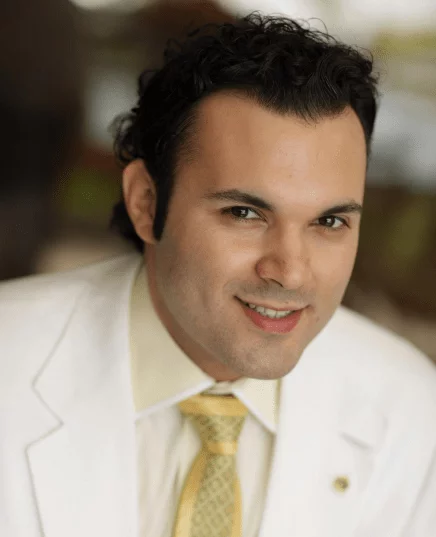
Written and medically reviewed by David Nazarian, MD, a board-certified Internal Medicine physician who has provided PRP therapy in Beverly Hills since 2008.
Last medically reviewed: October 2026
Considering PRP Treatment?
Review current PRP pricing or schedule a consultation to determine whether PRP may be appropriate for your goals.