Medically reviewed by David Nazarian, MD — Board Certified in Internal Medicine and Medical Director of PRP Treatment Beverly Hills.
Supporting article: This comparison supports our primary PRP Under-Eye Treatment and PRF Under-Eye Treatment service pages. It is intended to answer the narrower question of PRP vs PRF rather than compete for the general under-eye treatment query.
For a broader overview of platelet-rich fibrin, candidacy, uses, risks and how PRF differs from PRP, see our PRF Treatments in Los Angeles & Beverly Hills service page.
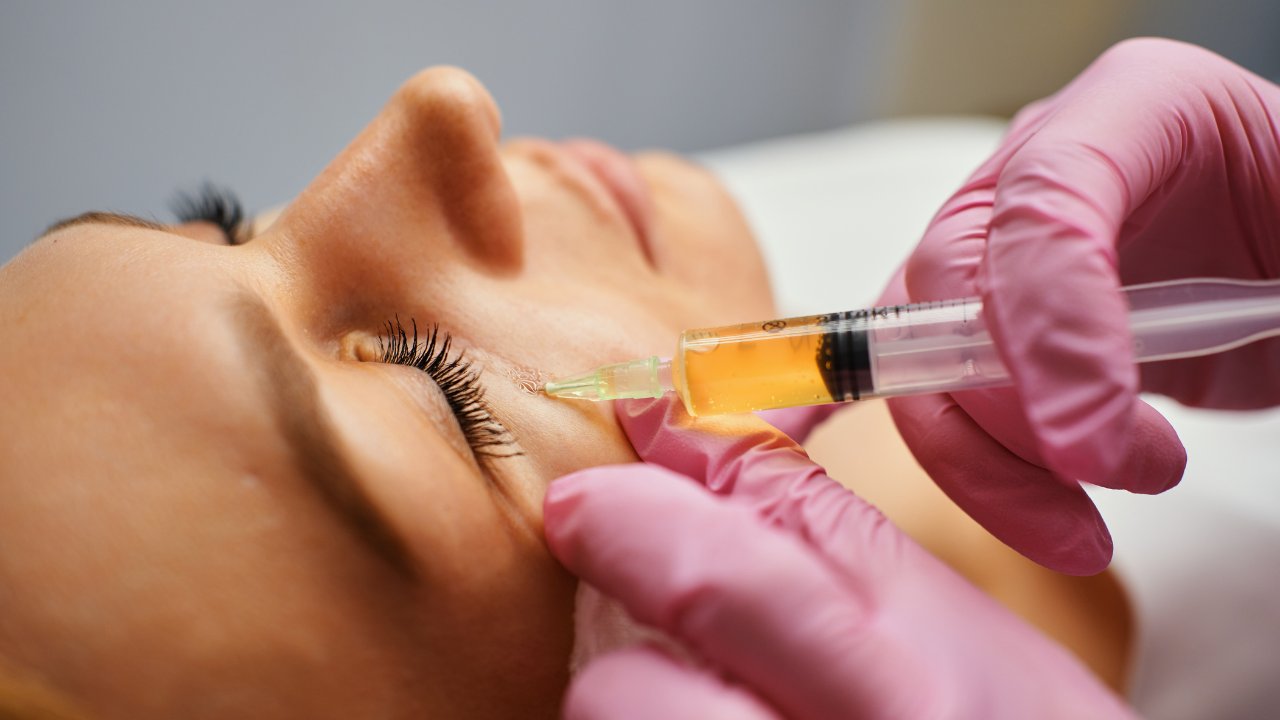
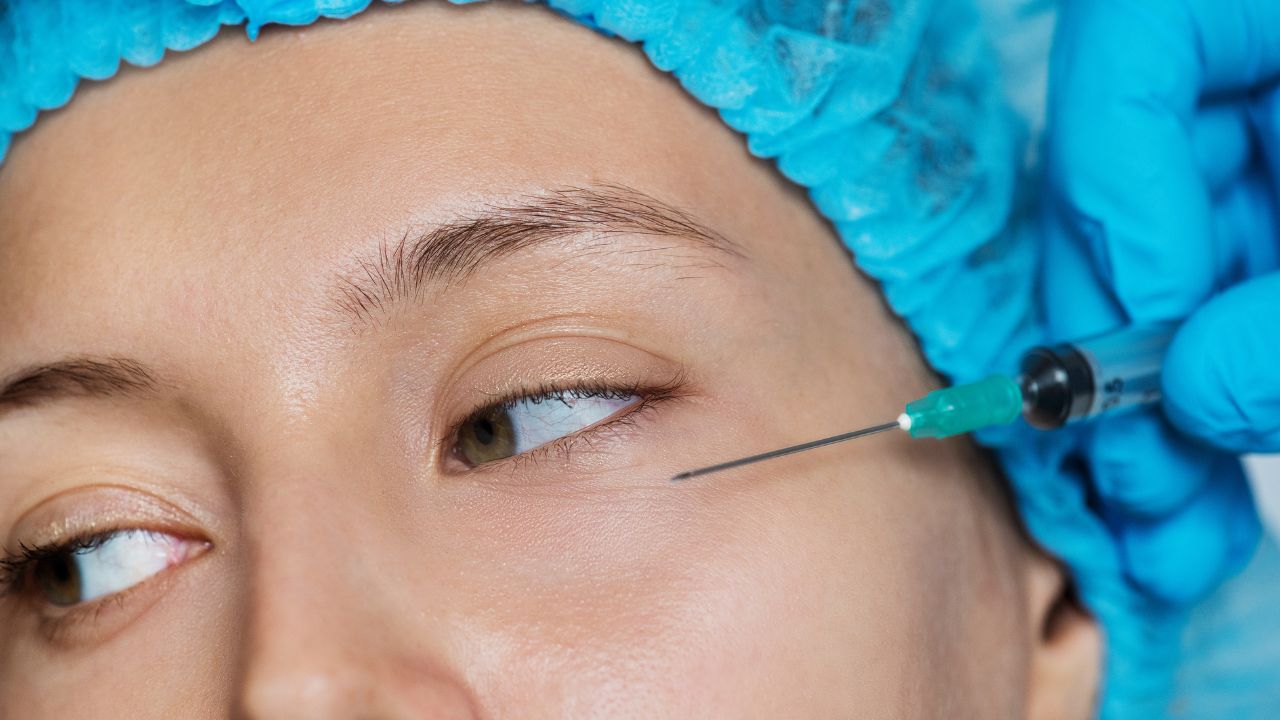
PRP and PRF are autologous blood-derived treatments used for selected under-eye concerns. Evidence is still limited, and neither should be presented as universally effective for dark circles, hollows, or wrinkles. For treatment details, see our PRP under-eye and PRF under-eye service pages. Think texture, crepiness, and dark-circle “shadowing” from thin skin, not instant filler-like volume.
There is no well-established duration that applies to every PRP or PRF under-eye treatment. PRP has a broader aesthetic evidence base, while PRF is newer and promising, but preparation methods and outcomes vary substantially across studies.
PRF is often described as having a slower, more prolonged release of growth factors compared with PRP, which is part of why people market it as “longer-lasting,” though under-eye data is still developing.
PRP vs PRF Under Eyes: Quick Answer
PRP and PRF are both autologous blood-derived preparations used for selected cosmetic under-eye concerns. PRP has a broader aesthetic evidence base, while PRF uses a fibrin-rich preparation and has less comparative under-eye data. Current evidence does not establish that one is universally better or longer-lasting. Choice should depend on the specific concern, anatomy, preparation protocol, risks, and clinician assessment.
Key takeaways
- PRP = more studied in cosmetic dermatology; trials and reviews report temporary redness/swelling/bruising and gradual improvement.
- PRF/i-PRF = newer; research supports a slower/prolonged growth-factor release vs PRP, but under-eye evidence is smaller (case series + ongoing trials).
- Duration is variable and long-term durability remains uncertain. Age, anatomy, skin quality, treatment protocol, and maintenance all influence how long improvement may be noticeable.
- Downtime is usually mild, but swelling/bruising can happen, especially under the eyes.
- Provider safety matters: PRP/PRF involves blood handling; choose a licensed, sterile clinical setting.
PRP vs PRF: what’s the difference (in plain science)
Both start with a blood draw and centrifuge step, but the “product” behaves a bit differently:
- PRP (Platelet-Rich Plasma): a platelet-concentrated plasma fraction. In aesthetic literature, PRP is used to support improvements in skin quality (texture, fine lines, tone), including the infraorbital area in some studies and reviews. (PMC)
- PRF / i-PRF (Platelet-Rich Fibrin): often described as a “second-generation” concentrate that includes a fibrin matrix (or injectable fibrin) and may provide a slower, more sustained release of growth factors over time compared with PRP. (PubMed)
What this means under the eyes:
- PRP is chosen when you want a well-established option with more published aesthetic usage.
- PRF/i-PRF is often chosen for a more gradual, “slow-release” approach, given that evidence for under-eye use is still emerging.
Duration & results: what to expect (timeline that matches real skin biology)
Days 1–3: Most common “recovery” window; swelling, redness, tenderness, and/or bruising can appear and then settle.
Weeks to months: If improvement occurs, it is generally assessed over time rather than within a fixed short window. Published studies use different protocols and outcome measures, so a precise cosmetic timeline should not be promised.
Longer follow-up: Studies assess outcomes at different time points, and improvement may continue to evolve over several months in some patients. The timing and magnitude of benefit are not predictable enough to define a universal ‘best results’ window.
Common mistakes (and fixes)
- Mistake: Expecting PRP/PRF to replace filler volume
Fix: Think skin quality first (texture/crepiness/dullness). If hollowness is the main issue, ask your clinician what’s appropriate for tear trough volume. - Mistake: Judging results too early (48 hours later)
Fix: Give it weeks to months; collagen/skin remodeling is gradual. - Mistake: “One session forever” mindset
Fix: Plan for a series + maintenance, especially under the eyes where skin is thin, and aging continues. - Mistake: Going bargain-hunting for a blood-based procedure
Fix: Choose a licensed medical setting with strong infection control. A CDC investigation linked unsafe PRP microneedling services at an unlicensed spa with likely HIV transmission—sterility and proper handling are non-negotiable. - Mistake: Not disclosing blood thinners or disqualifying medical history
Fix: Bring a full medication list + history. For PRP rejuvenation, AAD lists conditions where PRP isn’t recommended (e.g., Hepatitis C, HIV/AIDS, blood cancers, certain cardiovascular disease requiring blood thinners, skin cancer in the treatment area).
FAQs
1) Which lasts longer under the eyes: PRP or PRF?
Published studies do not establish one dependable duration range or prove that PRF lasts longer than PRP under the eyes. Longevity varies by patient, anatomy, protocol, and outcome measured, and long-term comparative evidence remains limited.
2) When will I see results?
Commonly: subtle changes in weeks, best changes in months. That timeline matches what’s seen in PRP facial rejuvenation trials and reviews (gradual improvement).
3) Does PRP/PRF fix “dark circles”?
It can help when dark circles are related to thin skin, texture, and quality. A review of infraorbital dark circles lists PRP as a treatment option, depending on the cause.
4) Does PRF work like filler?
Not exactly. It’s better described as biostimulation/skin-quality support rather than immediate volumization.
5) Is swelling or bruising normal?
Yes. Temporary pain, swelling, bruising, redness, and irritation are commonly described after PRP injections and typically resolve within hours to days (sometimes longer under-eyes).
6) Is PRF “more effective” than PRP?
For skin quality, the answer depends on protocol, baseline skin, and how outcomes are measured. Reviews compare PRP and PRF in facial rejuvenation, but direct, head-to-head evidence under the eyes remains limited.
7) Is there published under-eye PRF/i-PRF research?
Yes, but it’s smaller. Example: an i-PRF + hyaluronic acid lower-eyelid case series reported predicted immediate swelling and described the approach as safe/feasible; and registered clinical trials are studying PRF in tear trough rejuvenation.
For a physician-supervised evaluation, compare our PRP under-eye treatment and PRF under-eye treatment. Want a recommendation that fits your under-eye concern? Book a consultation and ask for a plan that clarifies the PRP vs PRF choice, number of sessions, expected duration, downtime, and safety protocols (sterility and blood handling).
Sources
- American Academy of Dermatology — PRP rejuvenation: who it’s not recommended for; duration up to ~18 months
https://www.aad.org/public/cosmetic/younger-looking/platelet-rich-plasma-secret-to-younger-skin
- Johns Hopkins Medicine — PRP injections: low allergy risk; less common risks include bleeding, tissue damage, infection, nerve injuries
https://www.hopkinsmedicine.org/health/treatment-tests-and-therapies/plateletrich-plasma-prp-treatment
- AAOS OrthoInfo — PRP overview; injection risks discussed (infection/tissue/nerve injury similar to other injections)
https://www.orthoinfo.org/treatment/platelet-rich-plasma-prp/
- Alam M, et al. (2018) JAMA Dermatology — PRP injection for photoaged facial skin (randomized clinical trial) [PubMed]
https://pubmed.ncbi.nlm.nih.gov/30419125/
- Xiao H, et al. (2021) Systematic review — PRP in facial rejuvenation (open access)
https://pmc.ncbi.nlm.nih.gov/articles/PMC8606573/
- Diab NAF, et al. (2023) PRF vs PRP: prolonged growth factor release discussion [PubMed]
https://pubmed.ncbi.nlm.nih.gov/36520210/
- Nagaja SA, et al. (2024) Injectable PRF + hyaluronic acid for lower eyelids (case series) [PubMed]
https://pubmed.ncbi.nlm.nih.gov/39360098/
- ClinicalTrials.gov — Platelet Rich Fibrin for Tear Trough Rejuvenation (registered study)
https://clinicaltrials.gov/study/NCT03313934
- CDC MMWR (2024) — Investigation of presumptive HIV transmission associated with PRP microneedling facials at an unlicensed spa (safety/infection-control importance)