High cortisol and hair loss are often linked because prolonged stress can disrupt the body’s normal repair rhythm. The body makes cortisol through the adrenal glands, and this hormone helps you respond to pressure, manage energy, and control inflammation.
Cortisol is useful in small amounts, but long-term elevation can affect sleep, immunity, skin health, and shedding patterns. Cortisol levels and hair loss do not always move together, so it helps to consider timing, symptoms, and other possible causes before assuming a single trigger.
Can High Cortisol Cause Hair Loss?
Chronic physiologic or emotional stress can contribute to hair shedding, most commonly through telogen effluvium, but a high cortisol level by itself does not prove the cause of hair loss. Timing, symptoms, medications, illness, nutrition, and the scalp pattern all matter.
This can affect hair follicles and interrupt the hair growth cycle. Some research suggests that prolonged stress signaling may keep growth-supporting cells in a resting phase, delaying new growth after shedding.
Because high cortisol levels may also worsen inflammation, sleep quality, appetite, and recovery, shedding can become more noticeable.
How Does Stress Disrupt Growth?
The most common pattern is telogen effluvium. This means more strands than usual enter the shedding stage at the same time. It often starts two to three months after a major stressor, illness, surgery, crash diet, or emotional shock.
This form of stress-related hair loss usually looks diffuse. You may see more hair in the shower, on your pillow, or in your brush. The affected hairs often shed across the scalp rather than from one clear bald spot. This type of stress-related hair loss can improve once the trigger is controlled, but regrowth takes time because hair grows slowly.
A clinician experienced in hair-loss evaluation can review your scalp density, family history, shedding timeline, and signs of miniaturization before recommending care.
| Pattern You Notice | What It May Suggest |
| Sudden shedding across the scalp | Temporary stress-linked shedding |
| Gradual widening of the part or crown loss | Pattern-related loss that may need review |
| Patchy loss or scalp pain | A medical evaluation may be needed |
Does Low Cortisol Cause Hair Loss?
Low cortisol is less commonly discussed than elevated cortisol, but low readings can reflect adrenal, medication-related, sleep-related, or illness-related issues. Low cortisol is not usually the first explanation, but any long-term hormone disruption can affect the body’s repair systems.
Other causes may matter more. Thyroid hormones, for example, influence growth rate and shedding. Iron deficiency, low protein intake, postpartum changes, autoimmune disease, and hormonal imbalances can also play a role.
This is why testing only one marker rarely gives the full picture. A better approach is to connect lab results with symptoms, history, and scalp findings.
What Signs Should You Watch For?
You can track patterns at home before your appointment. Focus on changes you can describe clearly.
- More daily hair fall after a stressful event
- Visible hair thinning near the part or temples
- Shedding that lasts longer than three to six months
- Itching, burning, scaling, or pain on the scalp
- Fatigue, weight change, heavy periods, or cold sensitivity
These details help your clinician decide whether the problem is temporary shedding, inherited loss, inflammation, or another medical concern. Photos taken once a month under the same lighting can also show whether thinning hair is improving or worsening.
What Can Help Regrowth?
You cannot force immediate regrowth, but you can reduce triggers and support hair health while your body recovers.
- Improve sleep consistency and reduce late-night screen time
- Eat enough protein, iron-rich foods, and balanced meals
- Avoid tight hairstyles, harsh brushing, and aggressive heat styling
- Manage stress with walking, breathing exercises, therapy, or lighter training blocks
- Ask a clinician about treatment options if shedding is severe or prolonged
Because healthy hair growth depends on time, nutrition, hormones, scalp condition, and genetics, many people see improvement after the trigger improves. It may take several months to notice fuller coverage.
When to Seek Medical Help
See a clinician if shedding is sudden, patchy, painful, or ongoing. You should also get checked if you have scalp redness, scaling, eyebrow loss, irregular cycles, recent medication changes, or rapid weight change.
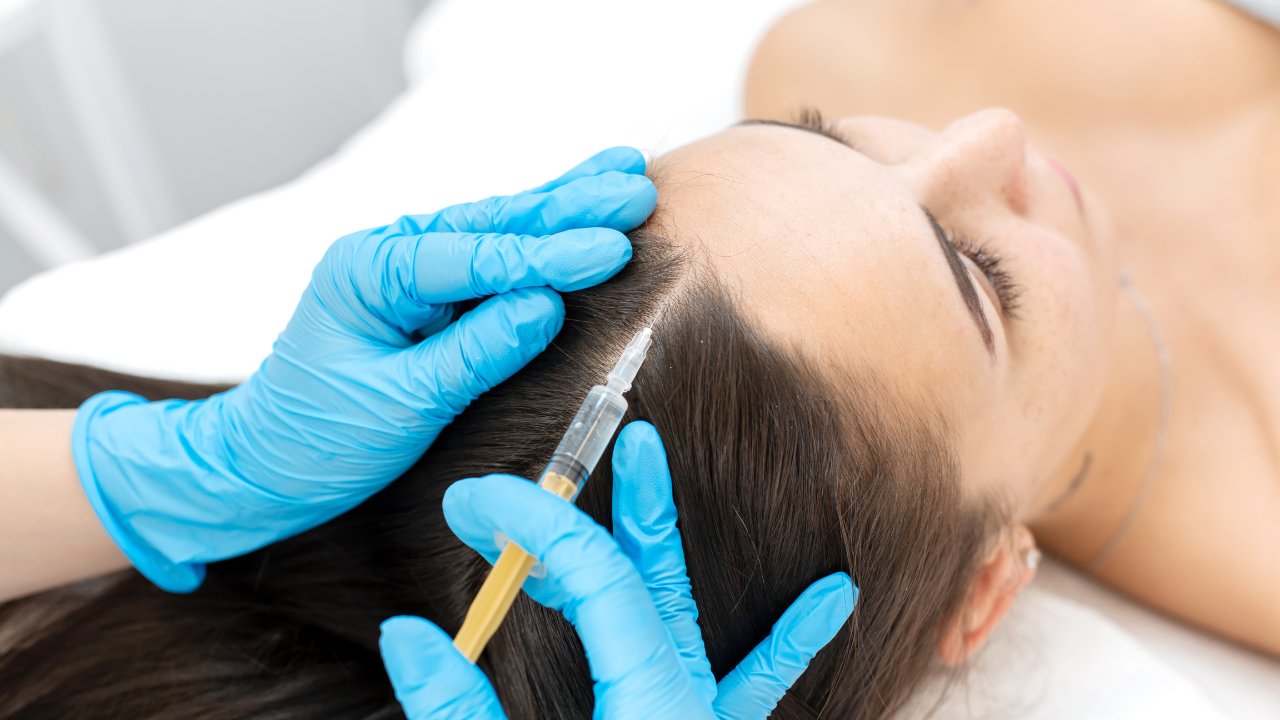
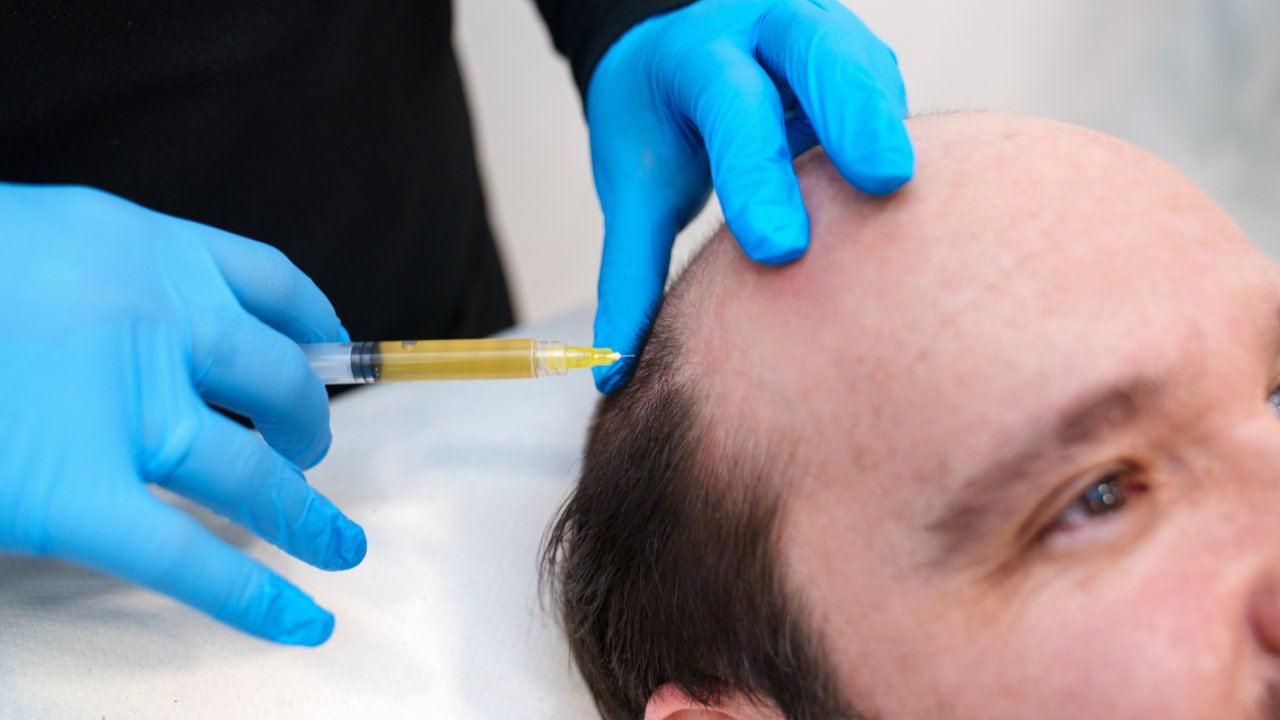
Do not assume every shed strand comes from stress. Several conditions can look similar, and early care can protect remaining density. A clear diagnosis helps you choose the right plan, avoid unnecessary supplements, and act before temporary shedding becomes harder to separate from other forms of hair loss.\r\n\r\nFor patients with appropriate patterns of hair loss, learn more about our PRP Hair Restoration treatment, including candidacy, evidence, risks, alternatives, and expected results.