Yelp Logo

CALL US NOW +1-844-669-0939

What to Expect During PRP Treatment: Pain, Numbing & Alternatives

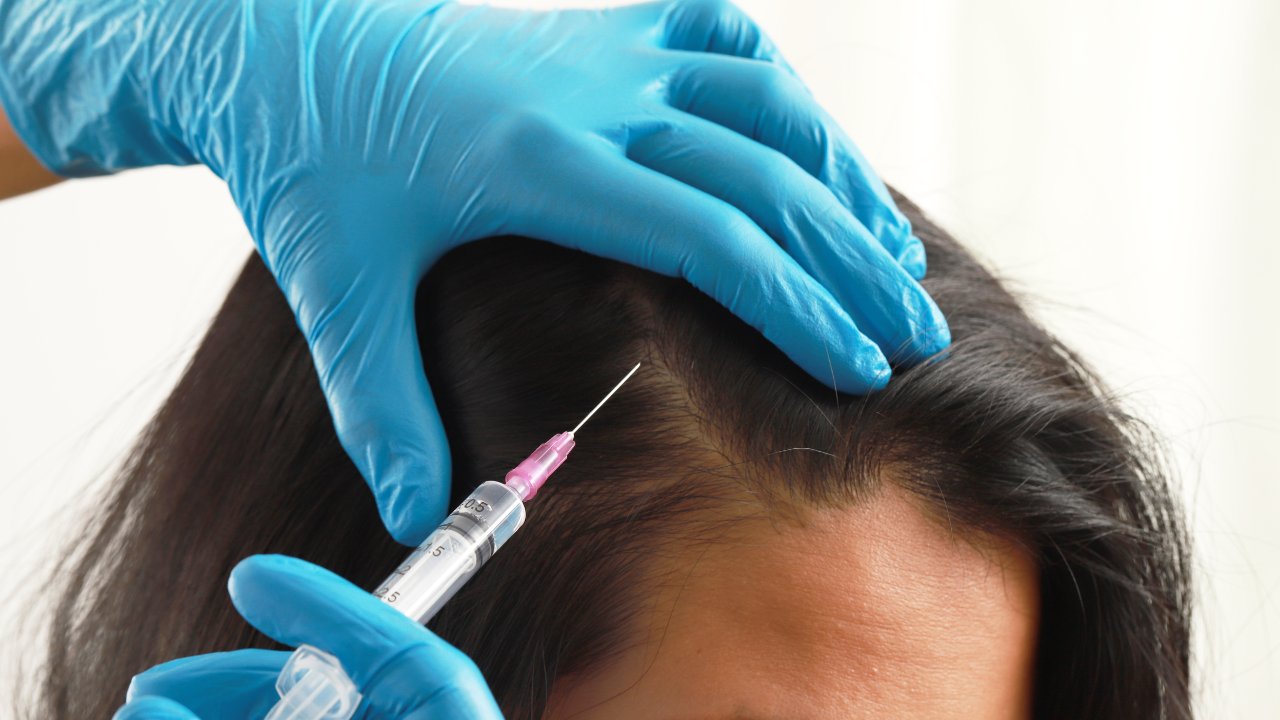
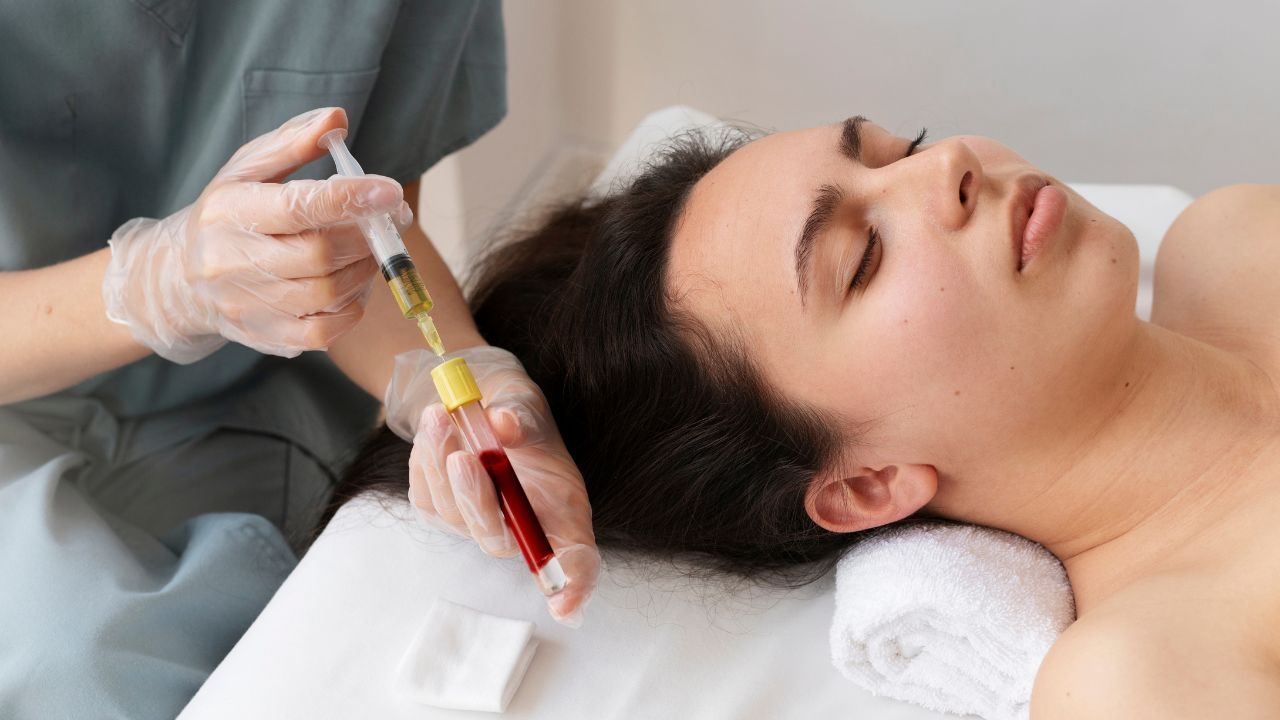
PRP treatment is usually uncomfortable but very tolerable. Most people feel a quick pinch or pressure during injections and temporary soreness or bruising afterward. Pain level depends on the area treated and whether topical numbing or a nerve block is used. Most discomfort is short-lived, and clinics can adjust comfort measures to match your sensitivity and goals.

Key takeaways

  • Expect brief injection discomfort, followed by short-term soreness or bruising afterward.
  • Comfort options include topical anesthetic numbing cream or a local anesthetic nerve block.
  • PRP supports gradual skin or tissue improvement, while Botox relaxes muscles to soften expression lines
  • If you dislike needles, ask about numbing timing, breaks, and smaller treatment zones.
  • Choose a qualified provider since PRP involves blood handling and injection technique.

Pain and downtime: a realistic PRP timeline

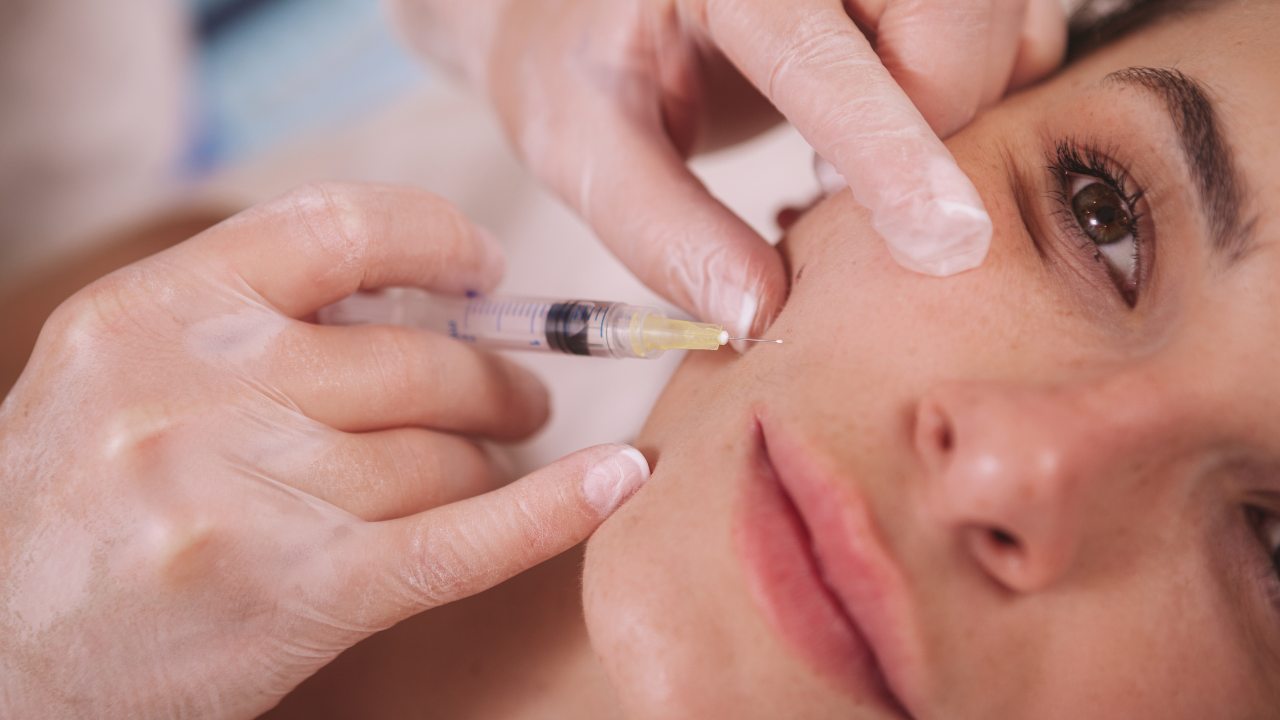
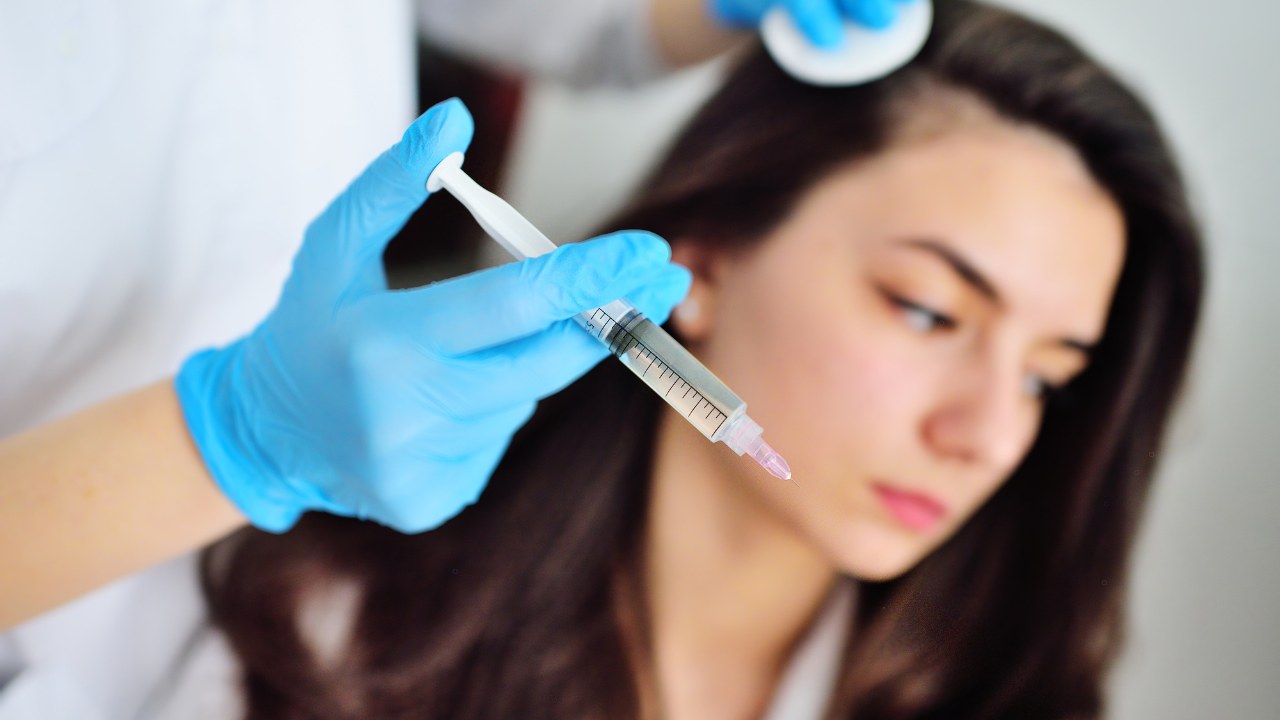
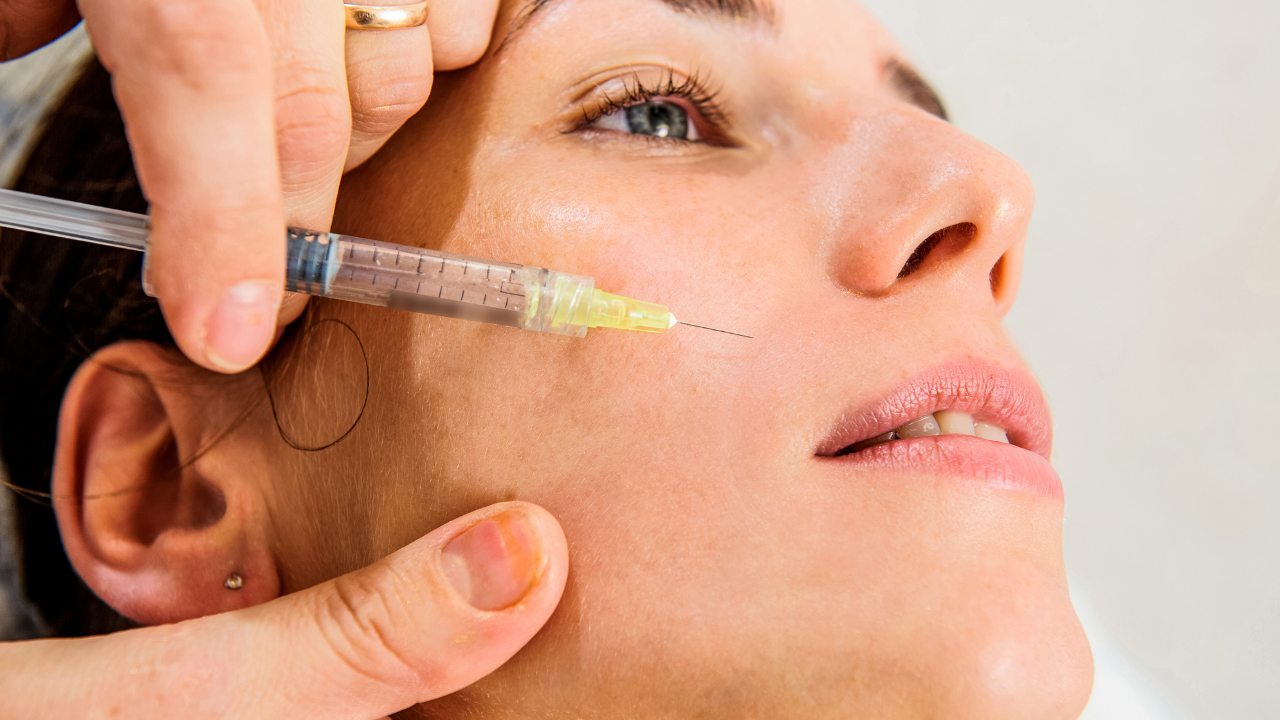
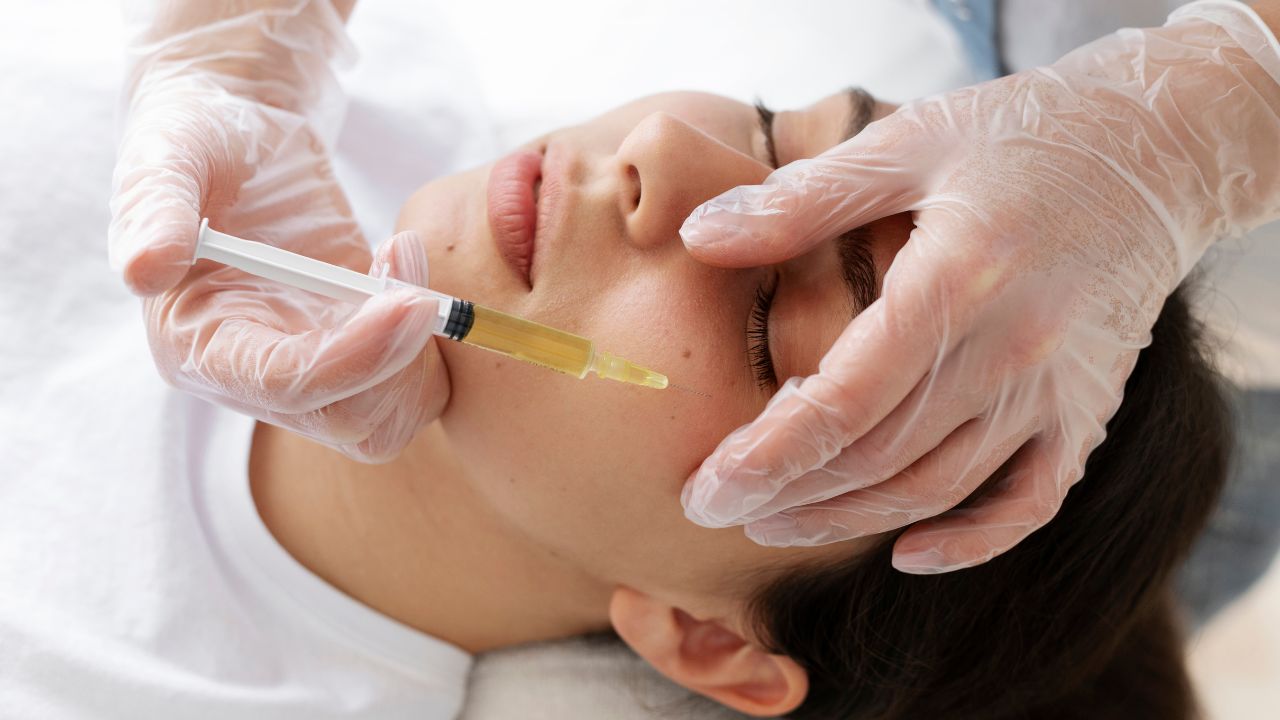
During treatment, the blood draw feels similar to routine lab work. The injection or microneedling portion can feel like a quick sting, a prickling sensation, or pressure. Sensation varies based on your pain threshold and the treatment area.

After treatment, mild soreness, bruising, and sometimes swelling are common. Most people feel steadily better as the area settles.

Pain is influenced by the area treated, the number of injection points or microneedling passes, your baseline sensitivity, and whether topical anesthetic or nerve block anesthesia is used.

Comparing PRP Therapy to Other Treatments

PRP is usually chosen for gradual improvement rather than instant changes.

PRP vs corticosteroid injections: both involve injections and can be briefly uncomfortable. And PRP treatment uses your own blood-derived product, which is one reason clinicians often frame the allergy risk as lower than that of some medication injections.

Also, PRP vs hyaluronic acid fillers: fillers typically provide immediate volume or contour changes, while PRP supports skin quality improvements over time.

PRP vs hair transplant surgery: transplant surgery is more invasive with longer recovery. PRP is minimally invasive and usually has milder downtime.

Differences Between PRP vs Botox

PRP and Botox target different goals.

PRP is made from your own blood components and is used to support tissue recovery and skin quality, with improvements developing gradually.

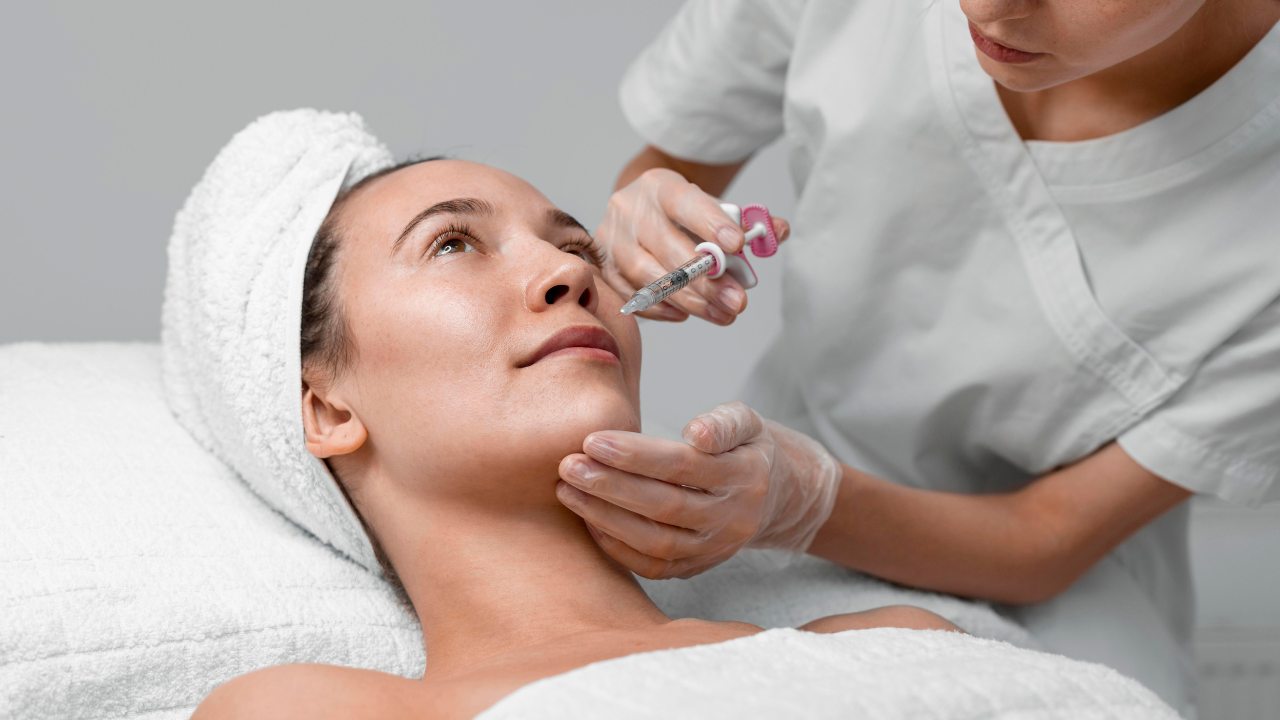
Botox is a prescription medication injected into specific muscles. It temporarily relaxes those muscles, which softens expression lines like frown lines. Results typically last a few months and fade gradually.

Many clinics combine PRP and Botox depending on the concern, but the timing and sequencing should follow your provider’s plan.

Book a PRP consultation with our Beverly Hills clinic and ask for a comfort-first protocol: your numbing option, timing, and whether PRP or an alternative like Botox best fits your goals.


PRP treatment

3 Types of Numbing Cream for PRP Injections

PRP comfort is often managed with topical local anesthetics applied before treatment.

  • Lidocaine is one of the most common topical anesthetics used to reduce skin sensation before injections or microneedling.
  • Benzocaine is another topical anesthetic used to numb the surface, though its suitability depends on the treatment area and your skin sensitivity.
  • Tetracaine is used in some topical numbing combinations and may be included to provide stronger or longer-lasting numbing in certain products.

Clinics may also use nerve blocks or other local anesthesia for very sensitive areas or for patients with low pain tolerance.

FAQs

Do PRP injections hurt?

They can sting or feel like pressure, but most patients find it manageable, especially with numbing cream or a nerve block.

How long does PRP soreness last?

Soreness and bruising are common shortly after treatment and usually improve over the next several days.

What is the best numbing option for PRP?

Many patients do well with a topical numbing cream. If you’re very sensitive or treating a tender area, a nerve block may be a better option.

Is PRP more painful than Botox?

Botox is usually very quick and uses small injections. PRP can involve multiple injections or microneedling passes, so it can feel more intense overall, but numbing makes a big difference.

Which is better for wrinkles: PRP or Botox?

Botox is better for expression lines caused by muscle movement. PRP is better when the goal is improving skin quality and texture over time.

How long does Botox last?

Most people see results for about three to four months, though it varies.

What are the main risks of PRP?

Risks are uncommon but can include infection, bleeding, bruising, or nerve irritation. Technique and sterility reduce risk.

Can I request extra numbing?

Yes. Clinics can often adjust numbing type, timing, and technique to improve comfort.

Sources

  1. Johns Hopkins Medicine — Platelet-Rich Plasma (PRP) Injections

https://www.hopkinsmedicine.org/health/treatment-tests-and-therapies/plateletrich-plasma-prp-treatment


  1. JAAD — Adverse effects and anesthesia approaches in PRP and microneedling contexts

https://www.jaad.org/article/S0190-9622%2819%2932554-X/fulltext


  1. FDA label — BOTOX Cosmetic

https://www.accessdata.fda.gov/drugsatfda_docs/label/2018/103000s5306lbl.pdf


  1. American Academy of Dermatology — Botulinum toxin therapy FAQs

https://www.aad.org/public/cosmetic/wrinkles/botulinum-toxin-faqs


  1. Mayo Clinic — Lidocaine and tetracaine topical

https://www.mayoclinic.org/drugs-supplements/lidocaine-and-tetracaine-topical-application-route/description/drg-20072742


  1. Mayo Clinic — Benzocaine topical

https://www.mayoclinic.org/drugs-supplements/benzocaine-topical-application-route/description/drg-20072913


  1. FDA label — Lidocaine + Tetracaine topical cream

https://www.accessdata.fda.gov/drugsatfda_docs/label/2006/021717lbl.pdf

PRP vs PRF for Under-Eye: Duration, Results & Science

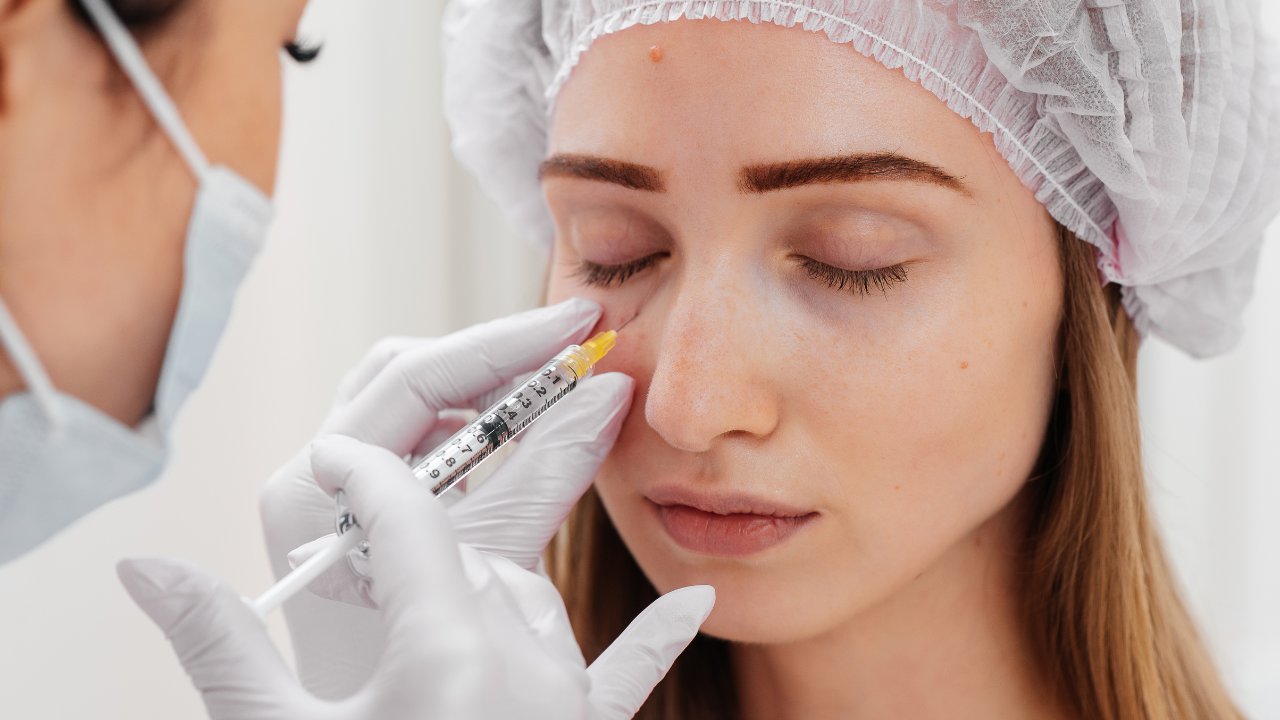
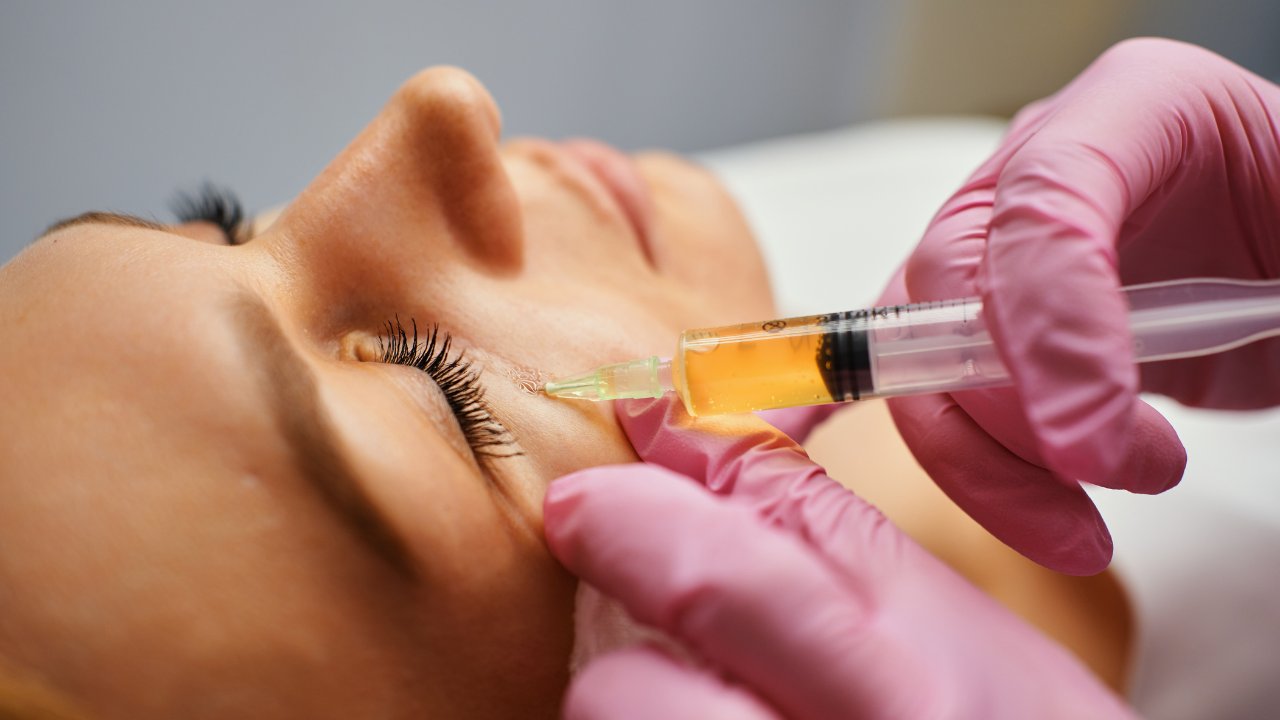
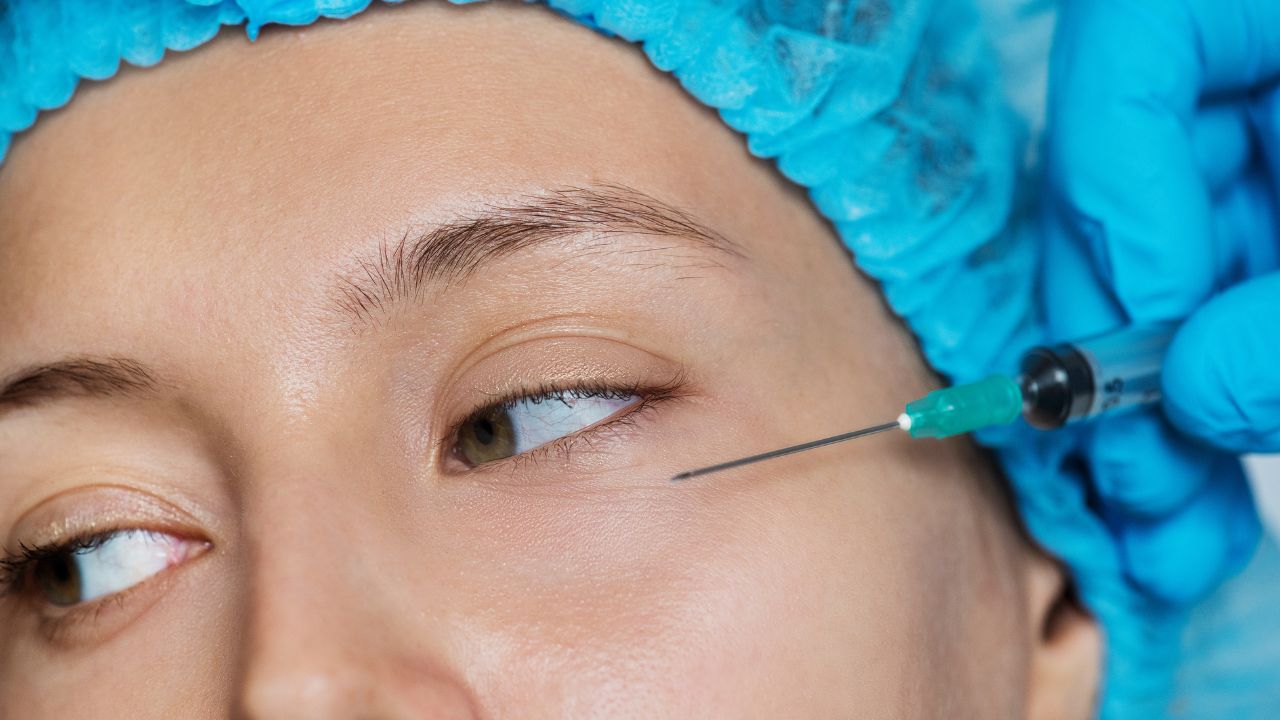
PRP and PRF are both autologous treatments (made from your own blood) used to improve the quality of under-eye skin. Think texture, crepiness, and dark-circle “shadowing” from thin skin, not instant filler-like volume. 

In practice, many clinics quote ~6–12 months of visible improvement for both PRP and PRF, with PRP having a broader evidence base in aesthetic dermatology and PRF (especially injectable PRF/i-PRF) being newer but promising. 

PRF is often described as having a slower, more prolonged release of growth factors compared with PRP, which is part of why people market it as “longer-lasting,” though under-eye data is still developing.

Key takeaways

  • PRP = more studied in cosmetic dermatology; trials and reviews report temporary redness/swelling/bruising and gradual improvement. 
  • PRF/i-PRF = newer; research supports a slower/prolonged growth-factor release vs PRP, but under-eye evidence is smaller (case series + ongoing trials).  
  • Duration is variable (age, skin thickness, lifestyle, treatment plan). PRP rejuvenation results can last up to ~18 months in some settings, but many under-eye plans expect maintenance. 
  • Downtime is usually mild, but swelling/bruising can happen, especially under the eyes. 
  • Provider safety matters: PRP/PRF involves blood handling; choose a licensed, sterile clinical setting.

PRP vs PRF: what’s the difference (in plain science)

Both start with a blood draw and centrifuge step, but the “product” behaves a bit differently:

  • PRP (Platelet-Rich Plasma): a platelet-concentrated plasma fraction. In aesthetic literature, PRP is used to support improvements in skin quality (texture, fine lines, tone), including the infraorbital area in some studies and reviews. (PMC) 
  • PRF / i-PRF (Platelet-Rich Fibrin): often described as a “second-generation” concentrate that includes a fibrin matrix (or injectable fibrin) and may provide a slower, more sustained release of growth factors over time compared with PRP. (PubMed)

What this means under the eyes:

  • PRP is chosen when you want a well-established option with more published aesthetic usage.
  • PRF/i-PRF is often chosen for a more gradual, “slow-release” approach, given that evidence for under-eye use is still emerging.

Duration & results: what to expect (timeline that matches real skin biology)

Days 1–3: Most common “recovery” window; swelling, redness, tenderness, and/or bruising can appear and then settle.

Weeks 2–6: Early visible changes often start (skin looks a bit brighter or smoother). PRP trials for facial skin show modest improvements after treatment, consistent with a gradual remodeling process.

Months 2–6: Many people see their best cosmetic changes here, especially for skin texture/crepiness.


PRP vs PRF for Under-Eye

Common mistakes (and fixes)

  • Mistake: Expecting PRP/PRF to replace filler volume
    Fix: Think skin quality first (texture/crepiness/dullness). If hollowness is the main issue, ask your clinician what’s appropriate for tear trough volume.

  • Mistake: Judging results too early (48 hours later)
    Fix: Give it weeks to months; collagen/skin remodeling is gradual.

  • Mistake: “One session forever” mindset
    Fix: Plan for a series + maintenance, especially under the eyes where skin is thin, and aging continues.

  • Mistake: Going bargain-hunting for a blood-based procedure
    Fix: Choose a licensed medical setting with strong infection control. A CDC investigation linked unsafe PRP microneedling services at an unlicensed spa with likely HIV transmission—sterility and proper handling are non-negotiable.

  • Mistake: Not disclosing blood thinners or disqualifying medical history
    Fix: Bring a full medication list + history. For PRP rejuvenation, AAD lists conditions where PRP isn’t recommended (e.g., Hepatitis C, HIV/AIDS, blood cancers, certain cardiovascular disease requiring blood thinners, skin cancer in the treatment area). 

FAQs

1) Which lasts longer under the eyes: PRP or PRF?

Many clinics quote a similar range (~6–12 months) for both. PRF is often positioned as longer-lasting because it can provide a slower/prolonged release of growth factors, but under-eye evidence is still smaller than that for PRP.

2) When will I see results?

Commonly: subtle changes in weeks, best changes in months. That timeline matches what’s seen in PRP facial rejuvenation trials and reviews (gradual improvement).

3) Does PRP/PRF fix “dark circles”?

It can help when dark circles are related to thin skin, texture, and quality. A review of infraorbital dark circles lists PRP as a treatment option, depending on the cause.

4) Does PRF work like filler?

Not exactly. It’s better described as biostimulation/skin-quality support rather than immediate volumization.

5) Is swelling or bruising normal?

Yes. Temporary pain, swelling, bruising, redness, and irritation are commonly described after PRP injections and typically resolve within hours to days (sometimes longer under-eyes).

6) Is PRF “more effective” than PRP?

For skin quality, the answer depends on protocol, baseline skin, and how outcomes are measured. Reviews compare PRP and PRF in facial rejuvenation, but direct, head-to-head evidence under the eyes remains limited.

7) Is there published under-eye PRF/i-PRF research?

Yes, but it’s smaller. Example: an i-PRF + hyaluronic acid lower-eyelid case series reported predicted immediate swelling and described the approach as safe/feasible; and registered clinical trials are studying PRF in tear trough rejuvenation.

Want a recommendation that actually fits your under-eye concern? Book a consultation and ask for a plan that clarifies the PRP vs PRF choice, number of sessions, expected duration, downtime, and safety protocols (sterility and blood handling).

Sources 

  1. American Academy of Dermatology — PRP rejuvenation: who it’s not recommended for; duration up to ~18 months

https://www.aad.org/public/cosmetic/younger-looking/platelet-rich-plasma-secret-to-younger-skin


  1. Johns Hopkins Medicine — PRP injections: low allergy risk; less common risks include bleeding, tissue damage, infection, nerve injuries

https://www.hopkinsmedicine.org/health/treatment-tests-and-therapies/plateletrich-plasma-prp-treatment


  1. AAOS OrthoInfo — PRP overview; injection risks discussed (infection/tissue/nerve injury similar to other injections)

https://orthoinfo.aaos.org/en/treatment/platelet-rich-plasma-prp/


  1. Alam M, et al. (2018) JAMA Dermatology — PRP injection for photoaged facial skin (randomized clinical trial) [PubMed]

https://pubmed.ncbi.nlm.nih.gov/30419125/


  1. Xiao H, et al. (2021) Systematic review — PRP in facial rejuvenation (open access)

https://pmc.ncbi.nlm.nih.gov/articles/PMC8606573/


  1. Diab NAF, et al. (2023) PRF vs PRP: prolonged growth factor release discussion [PubMed]

https://pubmed.ncbi.nlm.nih.gov/36520210/


  1. Nagaja SA, et al. (2024) Injectable PRF + hyaluronic acid for lower eyelids (case series) [PubMed]

https://pubmed.ncbi.nlm.nih.gov/39360098/


  1. ClinicalTrials.gov — Platelet Rich Fibrin for Tear Trough Rejuvenation (registered study)

https://clinicaltrials.gov/study/NCT03313934


  1. CDC MMWR (2024) — Investigation of presumptive HIV transmission associated with PRP microneedling facials at an unlicensed spa (safety/infection-control importance)

https://www.cdc.gov/mmwr/volumes/73/wr/mm7316a3.htm

PRP Injection Side Effects and Recovery Timeline

Most PRP (platelet-rich plasma) injections cause temporary, local reactions like soreness, swelling, redness, and bruising, usually strongest in the first couple of days. In clinical facial-PRP studies, these effects are common and typically short-lived.


More serious complications are uncommon, but any injection can carry risks like infection, tissue damage, or nerve injury, so choosing a qualified provider and following aftercare matters.

Key takeaways

  • Most common: soreness, swelling (edema), redness, bruising.
  • Typical swelling window: often improves within a few days, and many people see a noticeable reduction by about a week.
  • Rare but important risks: infection, tissue damage, nerve injury.
  • Safety depends heavily on technique + sterility (avoid unlicensed/unhygienic settings).
  • Call a clinician urgently for fever, spreading redness, worsening severe pain, drainage, chest pain, or breathing trouble.

PRP in short

PRP is platelet-rich plasma made from your own blood. A small blood sample is processed to concentrate platelets (which release growth factors), and the PRP is then applied or injected into a targeted area.

Because it’s autologous (from you), the risk of true allergy is generally lower than that of many other injectables. However, reactions can still happen due to topical products, numbing agents, or prep materials.

Who it’s for (common use cases)

People seeking PRP for skin rejuvenation (texture, tone, fine lines) or targeted recovery where a licensed clinician offers PRP.

Who it may not be recommended for (examples)
PRP isn’t recommended for everyone. For cosmetic PRP rejuvenation, the American Academy of Dermatology lists conditions where PRP is not recommended (e.g., Hepatitis C, HIV/AIDS, certain blood cancers, some cardiovascular disease requiring blood thinners, skin cancer in the treatment area).
Your provider should also screen for bleeding risks, infections at the treatment site, and medications that affect clotting.

How it works

Use this simple checklist to explain the process on-page:

  1. Blood draw
  2. Centrifuge (spin) the blood to separate components
  3. Collect PRP (platelet-rich portion)
  4. Prep the skin/area (cleaning; sometimes topical numbing)
  5. Inject or apply PRP to the treatment area
  6. Recovery + aftercare (first 48 hours is usually the “peak reaction” window)

What “recovery” usually looks like

  • Day 0–2: most noticeable redness/swelling/soreness is common
  • Day 3–7: swelling often settles for many people (varies by area and sensitivity)
  • Up to ~2 weeks: mild lingering effects can occur, but most reported side effects in reviews are transient and resolve within this window

Want the safest experience and the smoothest recovery? Book a consultation with PRP Treatment Beverly Hills and ask for a written aftercare checklist tailored to your treatment area, medications, and risk factors.


PRP Injection Side Effects and Recovery Timeline

Common mistakes (and fixes)

Mistake: Treating PRP like “no downtime” and overdoing activity immediately
Fix: Keep activity light at first; follow your provider’s exact timeline (many recommend avoiding strenuous exercise for at least 24–48 hours).

Mistake: Heat exposure too soon (sauna, hot showers, steam rooms, heavy sun/heat)
Fix: Avoid heat early on. Heat can worsen swelling and redness while your skin is already reactive.

Mistake: Rubbing or massaging the area (especially under the eyes)
Fix: Don’t rub, press, or massage unless your clinician specifically instructs it.

Mistake: Using random products because “TikTok says so.”
Fix: Keep skincare simple and gentle until irritation calms down.

Mistake: Choosing a cheap, unlicensed, or sloppy setting
Fix: PRP involves blood handling and injection technique. A CDC investigation documented likely transmission of a bloodborne infection linked to unsafe practices in an unlicensed setting.

Mistake: Ignoring warning signs
Fix: Contact a clinician urgently if you have fever/chills, spreading redness, drainage, rapidly worsening pain, chest pain, or breathing difficulty.

FAQs

1) What are the most common PRP side effects?

The most commonly reported symptoms are temporary redness, swelling (edema), bruising, and soreness.

2) How long does swelling last after PRP injections?

In facial PRP research, edema typically lasts 1 to 7 days in many participants, though it varies by person and thearea treated.

3) Why does PRP cause swelling?

PRP is intended to trigger a controlled healing response. Local inflammation is a normal part of that process, which is why swelling and redness are common early effects.

4) Is bruising normal after PRP injections?

Yes. Bruising is frequently reported in clinical studies and generally resolves on its own.

5) Can PRP cause infection?

It’s uncommon, but infection is a known potential risk of PRP injections (as with other injections).

6) What are the signs of infection vs normal inflammation?

Normal: mild redness/tenderness that improves over days.
Concerning: fever, worsening pain, spreading redness, drainage, and feeling unwell.

7) Can PRP cause nerve injury?

It’s listed as a possible (less common) risk, similar to other injection-based treatments.

8) Who should avoid cosmetic PRP rejuvenation?

AAD notes PRP isn’t recommended for certain conditions (e.g., Hepatitis C, HIV/AIDS, certain blood cancers, some cardiovascular disease requiring blood thinners, and skin cancer in the area).

9) Is under-eye swelling after PRP different?

Often yes. Under-eye skin is thin and reactive, so swelling can look more dramatic and take longer to settle, even when it’s normal.

10) How can I reduce swelling safely?

Follow your provider’s plan. In many cases, clinicians recommend gentle aftercare (rest, keeping the area clean, avoiding heat/exertion, and simple soothing measures) while the reaction settles.

11) When should I call my provider after PRP?

If symptoms worsen instead of improving, especially fever, spreading redness, drainage, severe pain, chest pain, or breathing difficulty.

12) Are PRP side effects usually short-term?

Yes. Reviews of PRP in aesthetic/dermatologic contexts commonly describe adverse effects (burning/erythema/swelling/ecchymosis) as transient, resolving within days to 2 weeks in most cases.

Sources

1) Alam M, et al. Effect of Platelet-Rich Plasma Injection for Rejuvenation of Photoaged Facial Skin: A Randomized Clinical Trial. (JAMA Dermatology, 2018) – full text (PMC)

https://pmc.ncbi.nlm.nih.gov/articles/PMC6583756/


2) Johns Hopkins Medicine — Platelet-Rich Plasma (PRP) Injections (risks include bleeding, tissue damage, infection, nerve injuries)

https://www.hopkinsmedicine.org/health/treatment-tests-and-therapies/plateletrich-plasma-prp-treatment


3) American Academy of Dermatology — PRP rejuvenation: who it’s not recommended for

https://www.aad.org/public/cosmetic/younger-looking/platelet-rich-plasma-secret-to-younger-skin


4) Banihashemi M, et al. Platelet-rich plasma use for facial rejuvenation: clinical trial + review (edema/bruising lasted 1–7 days in many participants) (Acta Biomed, 2021) – full text (PMC)

https://pmc.ncbi.nlm.nih.gov/articles/PMC8182581/


5) Lin MY, et al. Progress in the Use of Platelet-rich Plasma in Aesthetic and Dermatological Medicine (2020) – full text (PMC)

https://pmc.ncbi.nlm.nih.gov/articles/PMC7595356/


6) CDC MMWR (Apr 25, 2024). Investigation of Presumptive HIV Transmission Associated with PRP + microneedling facials at an unlicensed spa (infection-control warning)

https://www.cdc.gov/mmwr/volumes/73/wr/mm7316a3.htm