Makeup: generally avoid it immediately after treatment; many clinicians recommend waiting about 24 hours and longer if skin remains irritated.
Exercise: avoid heavy sweating during the early recovery period and return gradually as redness and sensitivity improve.
Expect short-term redness and mild swelling; it can last up to several days for some people.
Keep your hands off your face, use gentle skincare, and prioritize sun avoidance and SPF after the first day.
When in doubt, follow your provider’s instructions over generic timelines.
Makeup and recovery basics for the first 72 hours
When can I wear makeup after microneedling?
A common clinical guideline is no makeup for the first 24 hours, since your skin is still settling and more vulnerable to irritation and bacteria. If you’re still noticeably red, swollen, or sensitive at 24 hours, it’s smart to wait another day or two before applying foundation or concealer.
Why waiting helps
Microneedling creates microchannels in the skin; research shows skin resealing happens over time, and it’s generally preferable that channels close promptly from a safety standpoint. Delaying makeup reduces the chance of trapping bacteria or clogging pores while your skin is healing.
Best practices when you restart makeup
Choose lighter, simpler products (many clinics prefer mineral formulas in early recovery).
Use clean brushes/sponges (wash them before your first use).
Apply gently—no aggressive rubbing or scrubbing.
Skin and sun rules
Your skin can be extra sun-sensitive after microneedling. Many practices advise staying out of the sun for the first 24 hours and then using sunscreen after that. Cleveland Clinic also advises avoiding the sun until your skin heals.
How long after microneedling can you work out
Microneedling and sweating are a bad combo early on. Sweat, heat, and gym bacteria can irritate healing skin and may increase infection risk, so most guidance recommends briefly pausing strenuous exercise.
A practical timeline:
First 24 hours: avoid workouts entirely (no heavy sweating, no high heat).
After 24 hours: light movement is usually fine if you’re not getting hot or sweaty (gentle walking, easy stretching).
24–72 hours: return gradually based on redness, sensitivity, and your provider’s advice.
If you do exercise after the safe window, cleanse gently afterward and avoid direct sun exposure.
For procedure-specific aftercare, see our PRP Facial with Microneedling service page and follow the written instructions provided for your treatment depth and skin response.
FAQs
1) Can I wear makeup the same day as microneedling?
It’s best not to. Clinical guidance commonly recommends waiting at least 24 hours.
2) When is it definitely safe to wear makeup?
Many people can wear makeup the day after microneedling, but if you’re still irritated, delaying another day or two is safer.
3) Why do gyms and sweating matter after microneedling?
Sweat can irritate the skin, and gyms expose you to bacteria when the skin is still sensitive. Dermatology guidance specifically notes sweating can contribute to irritation and expose skin to bacteria.
4) How long should I avoid workouts?
Common recommendations range from 24 to 72 hours, with “strenuous + sweaty” workouts avoided longer than light movement.
5) What’s normal to feel like after microneedling?
Redness and swelling are common; the Cleveland Clinic notes redness/swelling can last up to five days for some people.
6) Can I do microneedling at home instead?
At-home microneedling can be risky. The American Academy of Dermatology warns that at-home devices may accidentally pierce the skin and could lead to infection or scarring, and may spread viruses across the skin.
Sources
Cleveland Clinic — Microneedling (recovery notes incl. makeup next day; redness/swelling up to five days; avoid sun until healed)
DermSurgery Associates (ASDS-affiliated practice) — Aftercare guidance (no makeup for 24 hours; postpone exercise due to sweat/bacteria; sun precautions)
Who doesn’t want to turn back the clock and reclaim their youthful glow?
The pursuit of youthful skin has been a timeless desire for many, and the search for effective solutions continues to evolve. If fine lines and wrinkles have become unwelcome companions on your skin’s journey, a breakthrough treatment holds the promise of youthfulness: PRP Facial Rejuvenation.
Picture this: a radiant, smooth complexion that defies time and exudes confidence. PRP Facial Rejuvenation offers a natural and effective approach to achieving just that. Through the power of Platelet-Rich Plasma (PRP), this innovative treatment stimulates your body’s natural healing processes, promoting collagen production and skin regeneration.
This blog post will delve into the science behind PRP Facial Rejuvenation, uncover its remarkable benefits for tackling fine lines, and guide you through the procedure and expected results.
Say goodbye to fine lines and welcome back youthful, radiant skin as we explore the transformative world of PRP Facial Rejuvenation.
Understanding Fine Lines and Aging
To truly appreciate the impact of PRP Facial Rejuvenation on fine lines, it’s important to understand the aging process and how fine lines form on the skin. Let’s explore this in more detail:
The Causes of Fine Lines
Fine lines are the result of various factors, including:
Collagen and Elastin Loss: As we age, the production of collagen and elastin, two proteins responsible for skin elasticity and firmness, naturally declines. This loss leads to a decrease in skin resilience and the formation of fine lines.
Repeated Facial Expressions: Facial movements, such as smiling, frowning, and squinting, create creases on the skin over time. These creases can become more pronounced with age, resulting in visible fine lines.
Sun Damage: Prolonged sun exposure and inadequate protection can accelerate skin aging. Ultraviolet (UV) rays damage collagen and elastin fibers, leading to the appearance of fine lines and wrinkles.
The Effects of Aging on the Skin
As we age, the skin undergoes several changes that contribute to the development of fine lines:
Decreased Moisture Retention: Aging skin tends to have reduced moisture retention, making it prone to dryness and fine lines.
Slower Skin Cell Turnover: The skin’s natural exfoliation process slows down with age, resulting in a buildup of dead skin cells that can contribute to the appearance of fine lines.
Loss of Fat and Volume: As we age, the underlying fat pads in the face diminish, leading to a loss of facial volume. This volume loss can accentuate the appearance of fine lines and wrinkles.
Understanding these underlying causes of fine lines helps us appreciate how PRP Facial Rejuvenation can address these concerns and restore a more youthful appearance.
Science Behind PRP Facial Rejuvenation
Understanding the science behind PRP Facial Rejuvenation helps us grasp its remarkable benefits for reducing fine lines and rejuvenating the skin. Let’s explore the key aspects of how PRP works to stimulate collagen production and promote skin regeneration:
Stimulating Collagen Production
Collagen is a protein responsible for the skin’s structure, strength, and elasticity. As we age, collagen production decreases, leading to the formation of fine lines and wrinkles. PRP Facial Rejuvenation addresses this by stimulating collagen production in the following ways:
Growth Factors: The growth factors present in PRP help signal the cells responsible for collagen synthesis to produce new collagen fibers. This process aids in restoring the skin’s firmness, reducing the appearance of fine lines and wrinkles.
Cellular Regeneration: PRP contains platelets that release growth factors, triggering the body’s natural healing response. This promotes the regeneration of skin cells, including fibroblasts, which are crucial for collagen production.
Promoting Skin Regeneration
PRP Facial Rejuvenation stimulates collagen production and promotes overall skin regeneration. This process involves:
Enhanced Blood Flow: PRP injections improve blood flow to the treated areas, supplying essential nutrients and oxygen that support skin cell regeneration and overall skin health.
Improved Skin Texture and Tone: The growth factors in PRP encourage the development of new blood vessels and forming healthy, vibrant skin cells. This leads to improved skin texture, tone and a more youthful appearance.
By harnessing the body’s healing mechanisms, PRP Facial Rejuvenation provides a natural and effective solution for reducing fine lines and achieving youthful skin.
Benefits of PRP Facial Rejuvenation
PRP Facial Rejuvenation offers many benefits that make it an attractive option for individuals seeking to reduce fine lines and achieve a more youthful complexion. Let’s explore these benefits in detail:
Unlike invasive surgical procedures, PRP Facial Rejuvenation is minimally invasive, meaning there are no incisions or major trauma to the skin. This translates to shorter recovery time, minimal discomfort, and reduced risk of complications.
Natural Approach to Skin Rejuvenation
PRP Facial Rejuvenation utilizes your body’s natural healing abilities. The treatment utilizes your blood, eliminating the need for synthetic substances or foreign materials. This natural approach promotes long-lasting results that blend seamlessly with your existing skin.
Reduction in Fine Lines and Wrinkles
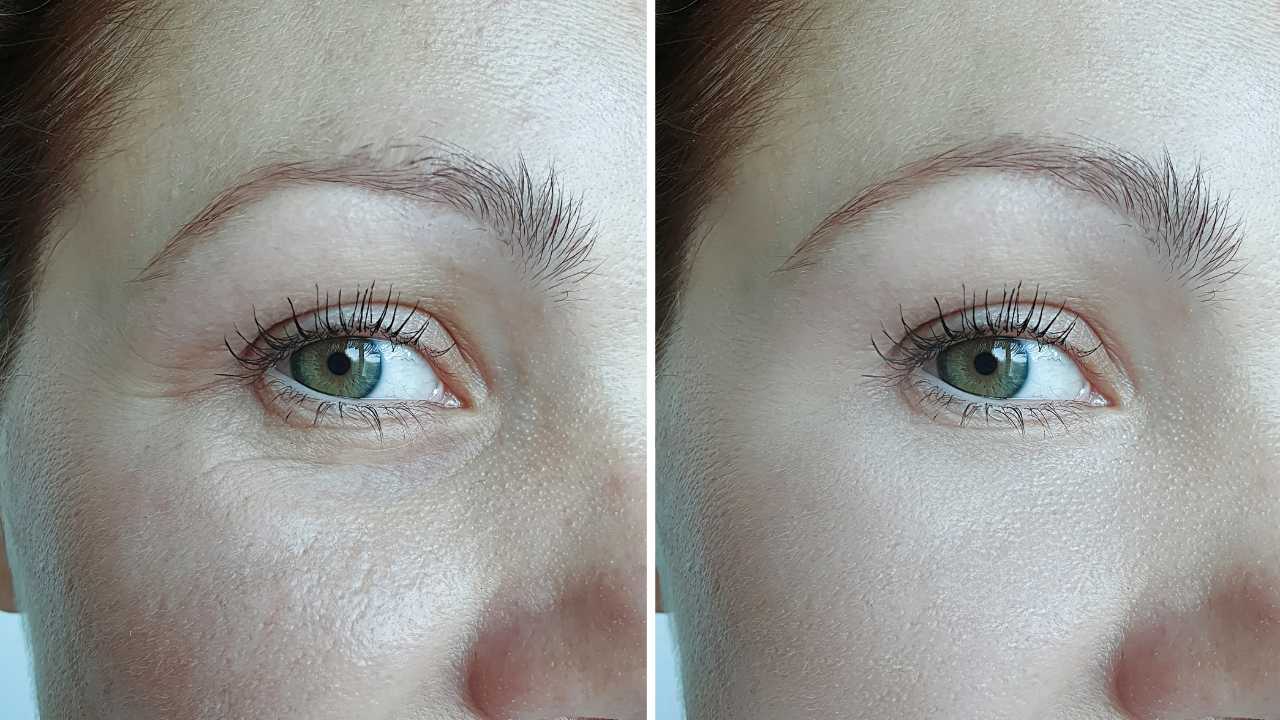
One of the primary goals of PRP Facial Rejuvenation is to diminish the appearance of fine lines and wrinkles. By stimulating collagen production and promoting skin regeneration, PRP helps smooth out these signs of aging, resulting in a more youthful and rejuvenated complexion.
Improved Skin Texture and Tone
PRP therapy enhances the overall texture and tone of the skin. It helps to address issues such as roughness, uneven skin tone, and dullness. The growth factors in PRP promote the development of healthy skin cells, resulting in a smoother, more radiant complexion.
PRP Facial Rejuvenation Procedure
PRP Facial Rejuvenation involves a step-by-step process that ensures the effective delivery of platelet-rich plasma to the skin. Let’s explore the procedure in detail:
Consultation and Customization
Before undergoing the PRP Facial Rejuvenation procedure, a consultation with a qualified specialist is essential. During this consultation, the specialist will assess your skin condition, discuss your goals and expectations, and determine if PRP Facial Rejuvenation suits you. They will also customize the treatment plan based on your specific needs.
Blood Draw and PRP Preparation
The first step of the procedure involves drawing a small amount of your blood, usually from your arm. The blood sample is then placed in a centrifuge machine, which spins at high speed to separate the platelet-rich plasma from the other components of the blood. This PRP is carefully collected and prepared for the treatment.
PRP Injection and Application Techniques
Once the PRP is ready, the specialist will apply it to your skin using various techniques, depending on your needs and the areas being treated.
Common methods include micro-needling, where the PRP is applied topically and then penetrates the skin using fine needles, or direct injection of PRP into specific areas.
Recovery and Post-Procedure Care
After the procedure, you may experience mild redness or swelling in the treated areas, which is temporary and typically resolves within a few days. Your specialist will provide post-procedure care instructions to ensure proper healing and optimize the results.
These instructions may include avoiding excessive sun exposure, using gentle skincare products, and following prescribed medications or routines.
Duration and Number of Sessions
The PRP Facial Rejuvenation procedure duration varies depending on the treated areas, but it typically takes 1-2 hours. While some individuals may see noticeable improvements after a single session, multiple sessions are often recommended to achieve optimal results.
The specific number of sessions required will be determined during your consultation, considering your skin condition and the desired outcome.
Is PRP Facial Rejuvenation Right for You?
Determining if PRP Facial Rejuvenation is the right choice for you requires careful consideration of various factors. Let’s explore important aspects to help you make an informed decision:
Suitable Candidates for PRP Facial Rejuvenation
PRP Facial Rejuvenation is generally suitable for individuals who:
Have mild to moderate fine lines and wrinkles
Desire a natural and non-surgical approach to skin rejuvenation
Seek to improve skin texture, tone, and overall appearance
Are in good overall health and do not have any underlying medical conditions that may interfere with the healing process
Have realistic expectations about the outcomes of the procedure
Factors to Consider
Before deciding on PRP Facial Rejuvenation, it’s important to consider the following:
Skin Type: PRP Facial Rejuvenation can benefit various skin types, but discussing your skin concerns and goals with a qualified specialist is crucial to ensure it aligns with your specific needs.
Budget: PRP Facial Rejuvenation costs vary depending on the number of sessions required and your location. It’s important to discuss the cost with your specialist and determine if it fits within your budget.
Time Commitment: The number and spacing of PRP facial sessions should be individualized. There is no single treatment schedule that guarantees an optimal result for every patient.
Potential Side Effects: PRP facial procedures can cause temporary redness, swelling, tenderness, bruising, bleeding, irritation, and, less commonly, infection or other complications. Risks depend on the treatment method and individual factors and should be reviewed before treatment.
Consultation with a Qualified Specialist
To determine whether treatment is appropriate, review our PRP Facial with Microneedling service page and discuss your skin concerns, medical history, goals, alternatives, and risks with a qualified clinician.
During this consultation, the specialist will assess your skin condition, discuss your goals and expectations, and provide personalized recommendations based on your unique needs.
Tighter, smoother skin with no sun damage, scar, or wrinkles – indeed, every woman’s dream. However, achieving this objective may not seem that easy to many. Even most people don’t know about the safe treatment in cosmetic therapy, Platelet-Rich Plasma (PRP) facials.
Even though PRP facial therapy is one popular way to get healthy-looking skin, it’s essential to know who you trust your skin to do a cosmetic procedure.
So you should know who can perform PRP facial.
A PRP facial can be performed by any licensed and certified dermatologist, plastic surgeon, or aesthetician. In fact, some spas have licensed estheticians trained in PRP facials! Typically, the procedure takes about an hour to complete, and the results last anywhere from six months to a year.
If you want to know more about this extraordinary cosmetic facial, keep reading below.
Experts Who Can Perform PRP Facials
PRP Facial, or as it’s more commonly known as Platelet-Rich Plasma (PRP) Therapy- is an anti-aging facial treatment. It uses your blood (platelets) to help slow down signs of aging and reduce or eliminate sun damage or fine lines and wrinkles.
But who can perform this procedure? Do you really need an expert to perform the task, or can anyone, even you – draw and inject your blood?
Well, in short, you need an expert. Evidence shows that such a cosmetic procedure must come from the hand of an expert. This include-
Board Certified Plastic Surgeon
Board Certified Dermatologist
A Licensed Aesthetician
Dentists and Oral Surgeons
Medical and Osteopathic Doctor
Certified or Registered Nurses
Physician’s Assistants.
There are different requirements for different states, and only an expert with a state license can provide the service. A qualified practitioner should also be board certified and have a good hands-on experience in cosmetic procedures.
You can find out who can perform PRP facials by asking your doctor, contracting a board-certified dermatologist in your area, or checking with the American Society for Dermatologic Surgery.
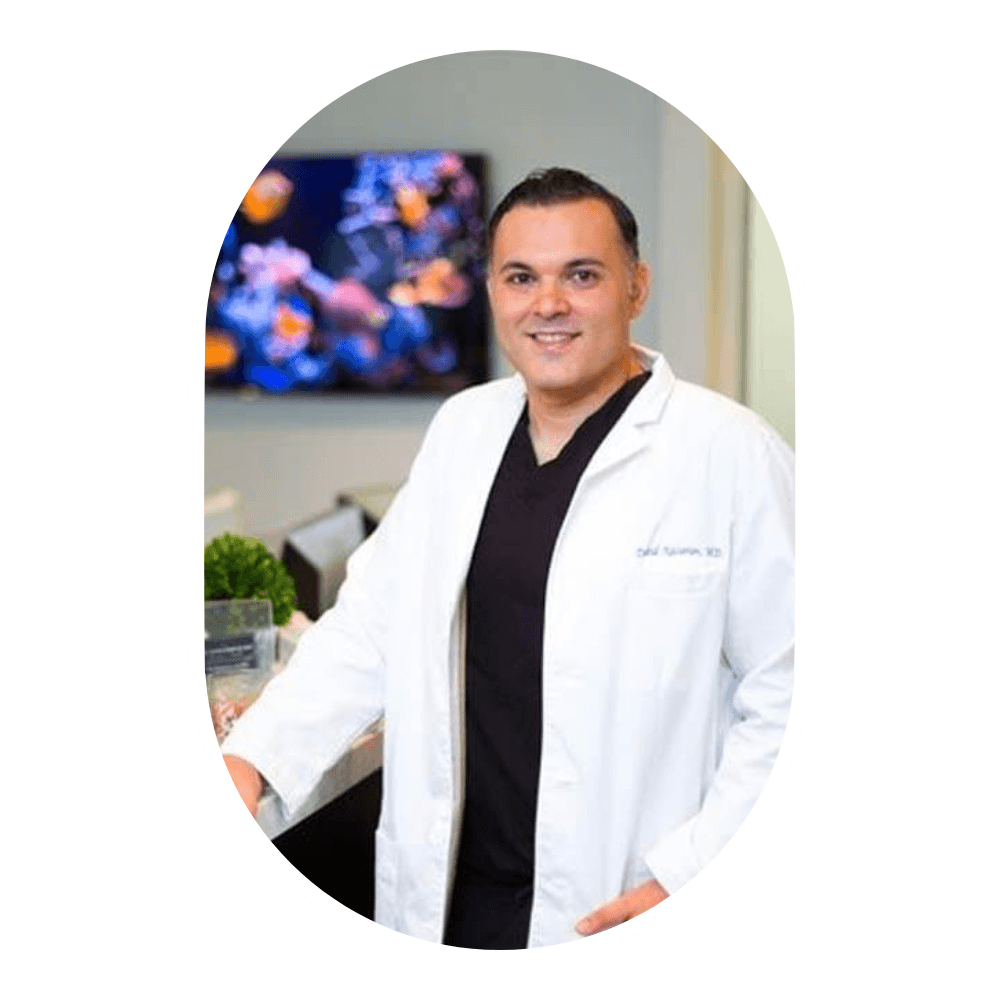
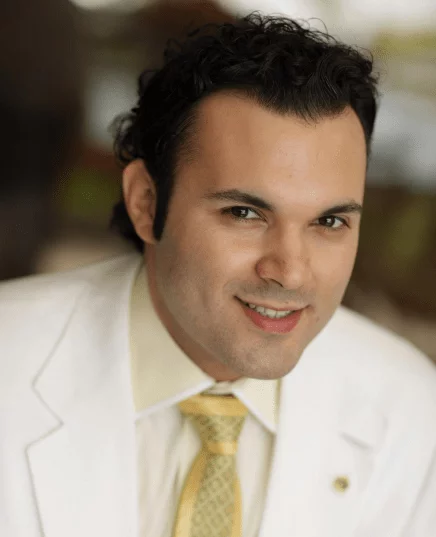
If you are looking for a safe hand to perform PRP facials, PRP TReatment, Beverly Hills, is the correct place to contact. Board Certified in Internal Medicine, Dr. David Nazarian is a Specialist in PRP therapy and PRP injections for the rejuvenation of skin and hair to provide optimal results.
Does A PRP Facial Work?
A PRP facial is an anti-aging treatment that can tighten skin and reduce the appearance of fine lines and wrinkles. The procedure involves a clinician spinning your blood in a centrifuge to extract platelets rich in protein, growth factors, and other substances that promote tissue growth.
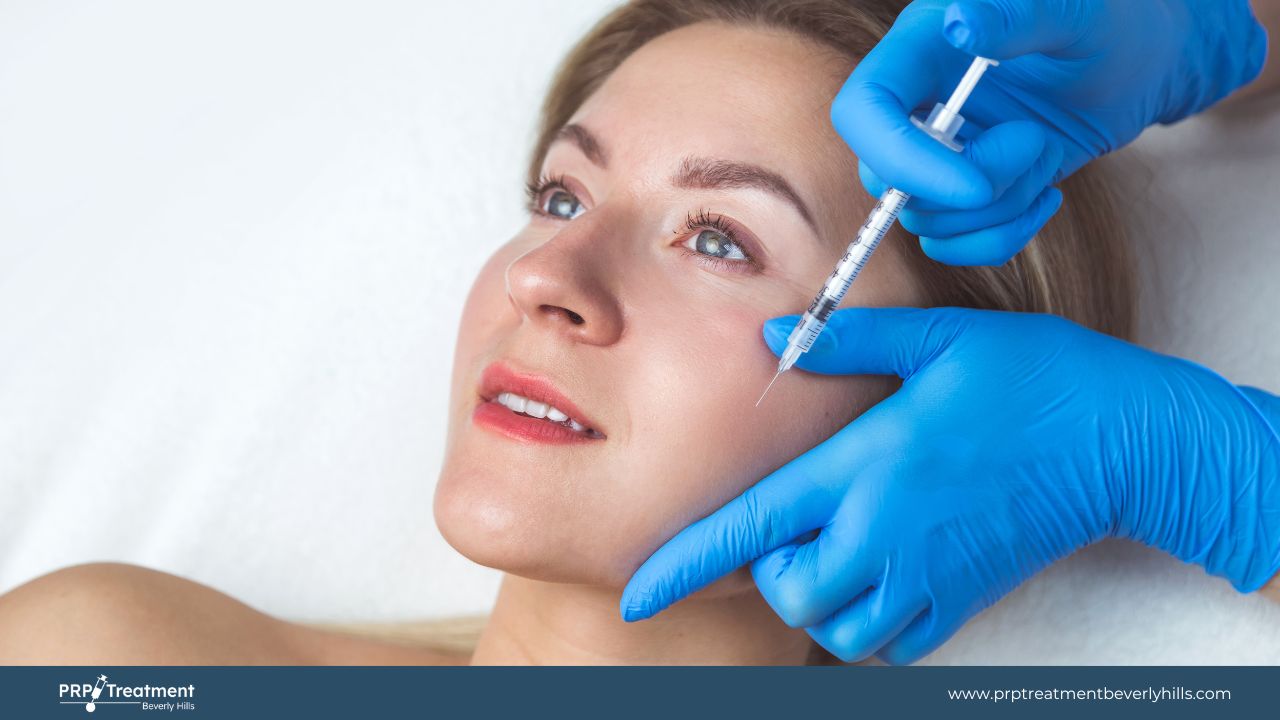
These platelets are then injected into facial areas where noticeable aging occurs. Besides a little discomfort, some side effects like swelling and redness can last up to weeks after the treatment. But It will disappear eventually.
However, studies show that patients experience smoother skin and reduced wrinkles following treatments, so they’re worth the pain and hassle.
How is a PRP Facial Done?
A PRP facial is a form of non-surgical treatment that help reduce wrinkles and other signs of aging. The procedure entails using your blood to stimulate collagen production in the skin.
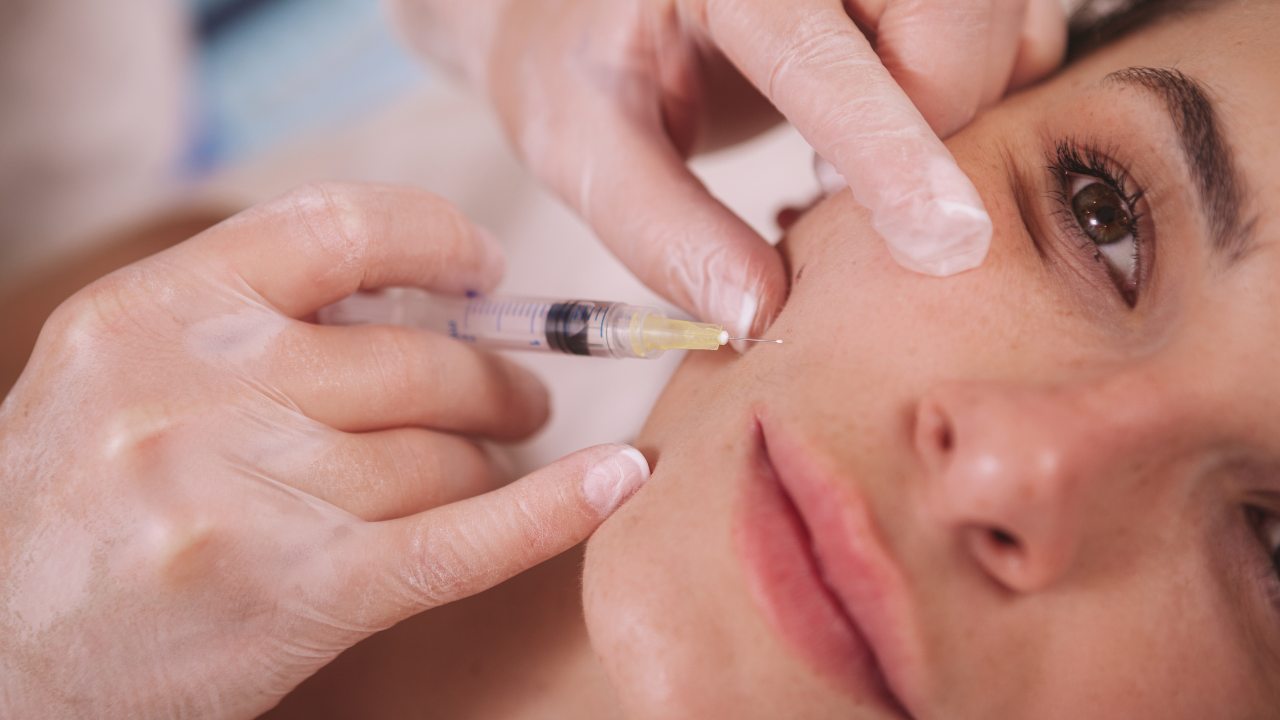
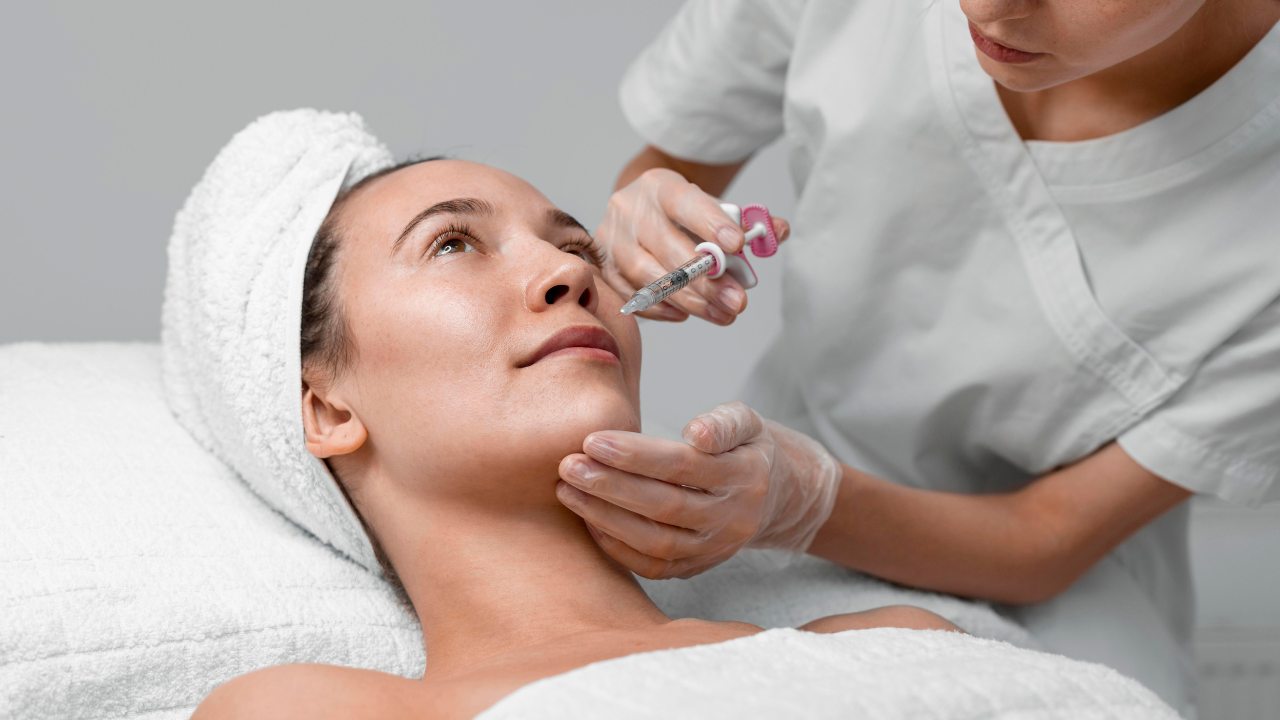
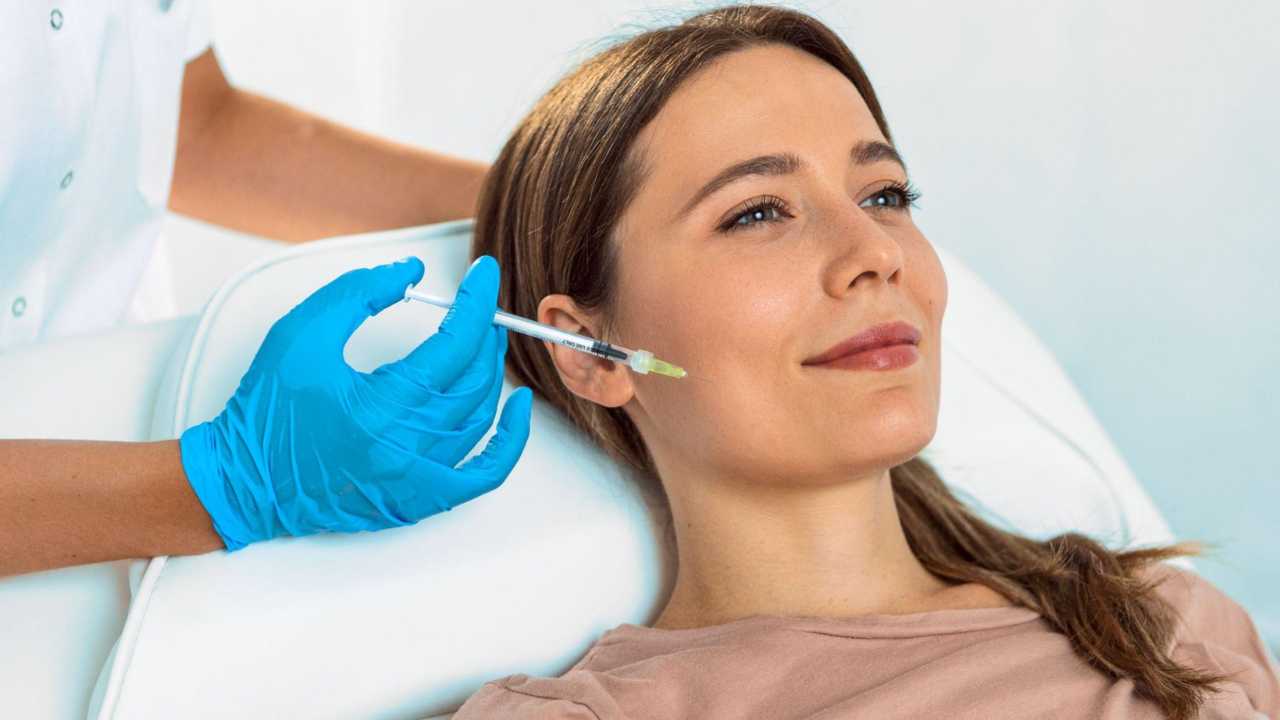
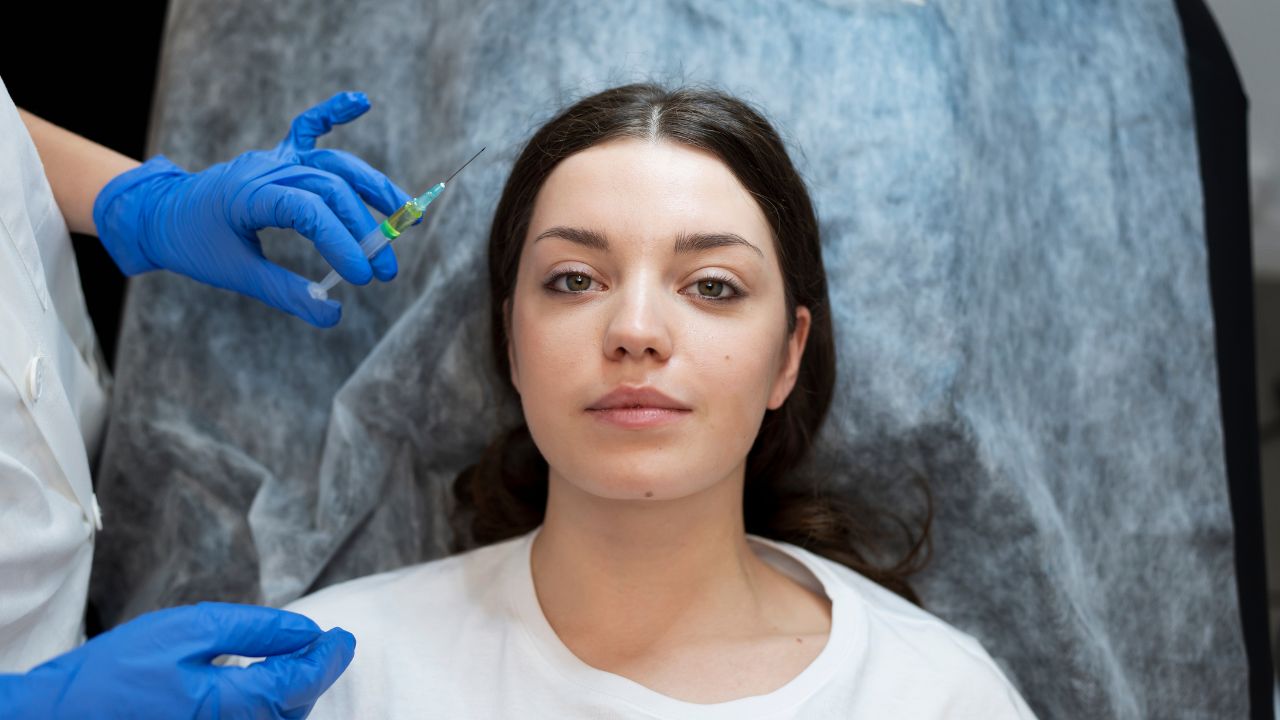
In a PRP microneedling facial, blood is drawn and processed to concentrate platelets. PRP is then used with microneedling or placed by injection depending on the treatment plan and anatomy.
This procedure can help with many common skin care issues when done correctly. As it’s not a surgical procedure, you do not need an anesthetic or other special preparations. However, some patients may have special requirements for topical numbing cream before the process to avoid any kind of pain.
A PRP facial procedure typically takes between one and two hours, depending on the size of the area being treated and how many injections are needed. You may experience some mild pain during the injection, but it should only last for a few seconds.
In PRP Treatment, Beverly Hills, the expert doctor provides the natural and safest approach to perform the procedure and rejuvenate your look.
Things to DO After a PRP Treatment
Here is a list of things to do and not to do during the healing period of your skin after a PRP facial.
Avoid strenuous activity for 2-3 days after the procedure. You will need to refrain from heavy exercising or lifting for at least 48 hours following your treatment because it could lead to bruising.
Avoid sun exposure for one week after treatment. Your skin becomes extremely sun sensitive after a cosmetic procedure and can lead to severe burning if sun exposure within the mentioned time. Sunscreen also doesn’t work on this vulnerable state of your skin.
Avoid consumption of alcoholic beverages, cigarettes, or hot drinks for 24 hours following treatment.
You may apply makeup to cover bruising that may occur post-treatment. However, try to let your skin breathe as much as possible to heal properly, and avoid makeup.
Make sure to have a good night’s sleep and avoid stretching your skin during the night, as this can cause bruising. Besides, sleep on a silk pillowcase to avoid friction on the skin.
Moreover, keep an eye out for any signs of infection, such as fever or redness around the injection sites. If you develop these symptoms, contact your doctor immediately.
Want the best possible results from your PRP treatment? Call us for an immediate appointment.
The average amount of PRP treatments for the face is three or more. Results can be seen as soon as one day after treatment, but most patients notice changes in the appearance of their skin and feel a reduction in facial lines and wrinkles within 3-6 months.
However, the minimum number of PRP sessions you need is 3, because most patients get the desired results after 3 sessions. As with any procedure, discussing your desired outcome with your doctor before beginning a treatment plan is best.
How Long Does A PRP Facial Last?
The results from a PRP facial can last anywhere from one month to six months, depending on the individual and their skin type.
However, it’s not a permanent procedure. Depending on your skin type and lifestyle habits, such as excessive sun exposure, smoking, etc., the result can last up to a year. Then you need to re-do it.
In the first days after a PRP facial, staying out of the sun and using sunscreen when going outside are essential. Avoiding any exfoliating products for about two weeks following the treatment is also recommended.
How Much Does PRP Facial Cost?
One downside of a PRP facial is the cost.
The cost for a PRP facial varies depending on the provider but typically falls between $600 to $2,000. This procedure is often included as part of a package with other cosmetic procedures so that it may be less expensive or entirely free.
Some spas or clinics may offer financing or payment plans to make the expense more manageable.
Who Should Avoid Getting a PRP facial?
In general, PRP facial treatments are safe for most people. However, some individuals, such as those with hemophilia and pregnant women, should not have a PRP facial treatment.
In addition, if you have had an open wound or skin cancer in the past five years, it is best to consult your dermatologist before getting a PRP facial treatment.
Final Thought
PRP microneedling is used for selected skin-quality concerns such as texture, fine lines and acne scarring. Results vary, and candidacy depends on the individual concern, skin type and treatment plan.
But before you go out and book one of these treatments, know about them. First off, who can perform PRP facials?
Licensing and scope-of-practice requirements for PRP and microneedling vary by jurisdiction and by the specific procedure being performed. Patients should confirm that the clinician is appropriately licensed, trained, and operating within applicable medical and professional regulations.