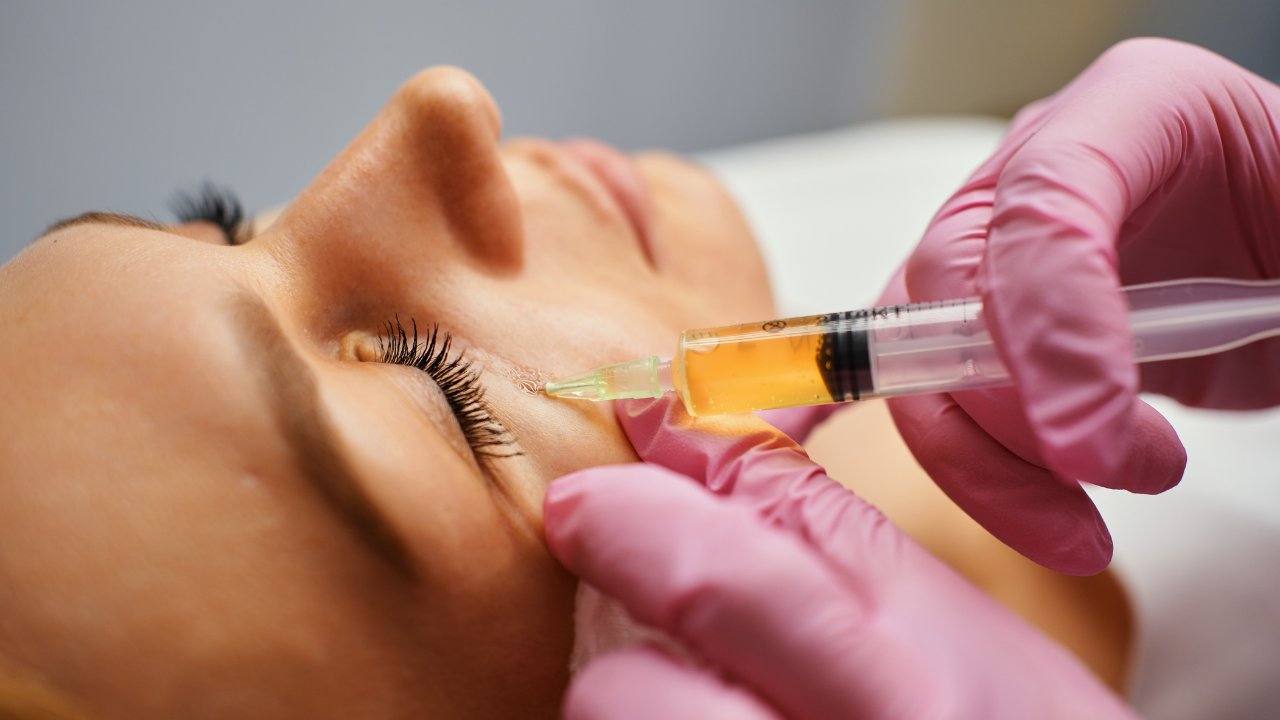
...
Yelp Logo

CALL US NOW +1-844-669-0939

PRP vs PRF Under Eyes: Differences, Results, Duration & Safety

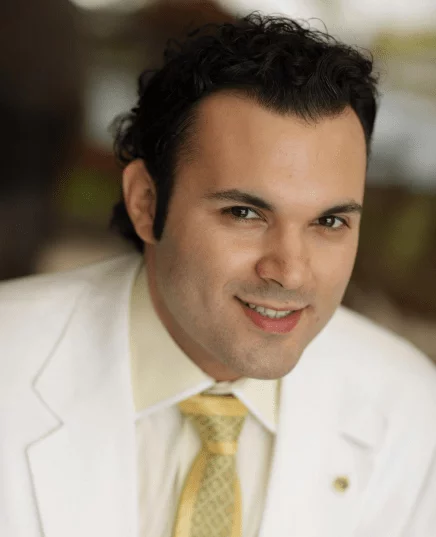
Medically reviewed by David Nazarian, MD — Board Certified in Internal Medicine and Medical Director of PRP Treatment Beverly Hills.

Supporting article: This comparison supports our primary PRP Under-Eye Treatment and PRF Under-Eye Treatment service pages. It is intended to answer the narrower question of PRP vs PRF rather than compete for the general under-eye treatment query.

For a broader overview of platelet-rich fibrin, candidacy, uses, risks and how PRF differs from PRP, see our PRF Treatments in Los Angeles & Beverly Hills service page.

PRP and PRF are autologous blood-derived treatments used for selected under-eye concerns. Evidence is still limited, and neither should be presented as universally effective for dark circles, hollows, or wrinkles. For treatment details, see our PRP under-eye and PRF under-eye service pages. Think texture, crepiness, and dark-circle “shadowing” from thin skin, not instant filler-like volume. 

There is no well-established duration that applies to every PRP or PRF under-eye treatment. PRP has a broader aesthetic evidence base, while PRF is newer and promising, but preparation methods and outcomes vary substantially across studies. 

PRF is often described as having a slower, more prolonged release of growth factors compared with PRP, which is part of why people market it as “longer-lasting,” though under-eye data is still developing.

PRP vs PRF Under Eyes: Quick Answer

PRP and PRF are both autologous blood-derived preparations used for selected cosmetic under-eye concerns. PRP has a broader aesthetic evidence base, while PRF uses a fibrin-rich preparation and has less comparative under-eye data. Current evidence does not establish that one is universally better or longer-lasting. Choice should depend on the specific concern, anatomy, preparation protocol, risks, and clinician assessment.

Key takeaways

  • PRP = more studied in cosmetic dermatology; trials and reviews report temporary redness/swelling/bruising and gradual improvement. 
  • PRF/i-PRF = newer; research supports a slower/prolonged growth-factor release vs PRP, but under-eye evidence is smaller (case series + ongoing trials).  
  • Duration is variable and long-term durability remains uncertain. Age, anatomy, skin quality, treatment protocol, and maintenance all influence how long improvement may be noticeable. 
  • Downtime is usually mild, but swelling/bruising can happen, especially under the eyes. 
  • Provider safety matters: PRP/PRF involves blood handling; choose a licensed, sterile clinical setting.

PRP vs PRF: what’s the difference (in plain science)

Both start with a blood draw and centrifuge step, but the “product” behaves a bit differently:

  • PRP (Platelet-Rich Plasma): a platelet-concentrated plasma fraction. In aesthetic literature, PRP is used to support improvements in skin quality (texture, fine lines, tone), including the infraorbital area in some studies and reviews. (PMC) 
  • PRF / i-PRF (Platelet-Rich Fibrin): often described as a “second-generation” concentrate that includes a fibrin matrix (or injectable fibrin) and may provide a slower, more sustained release of growth factors over time compared with PRP. (PubMed)

What this means under the eyes:

  • PRP is chosen when you want a well-established option with more published aesthetic usage.
  • PRF/i-PRF is often chosen for a more gradual, “slow-release” approach, given that evidence for under-eye use is still emerging.

Duration & results: what to expect (timeline that matches real skin biology)

Days 1–3: Most common “recovery” window; swelling, redness, tenderness, and/or bruising can appear and then settle.

Weeks to months: If improvement occurs, it is generally assessed over time rather than within a fixed short window. Published studies use different protocols and outcome measures, so a precise cosmetic timeline should not be promised.

Longer follow-up: Studies assess outcomes at different time points, and improvement may continue to evolve over several months in some patients. The timing and magnitude of benefit are not predictable enough to define a universal ‘best results’ window.
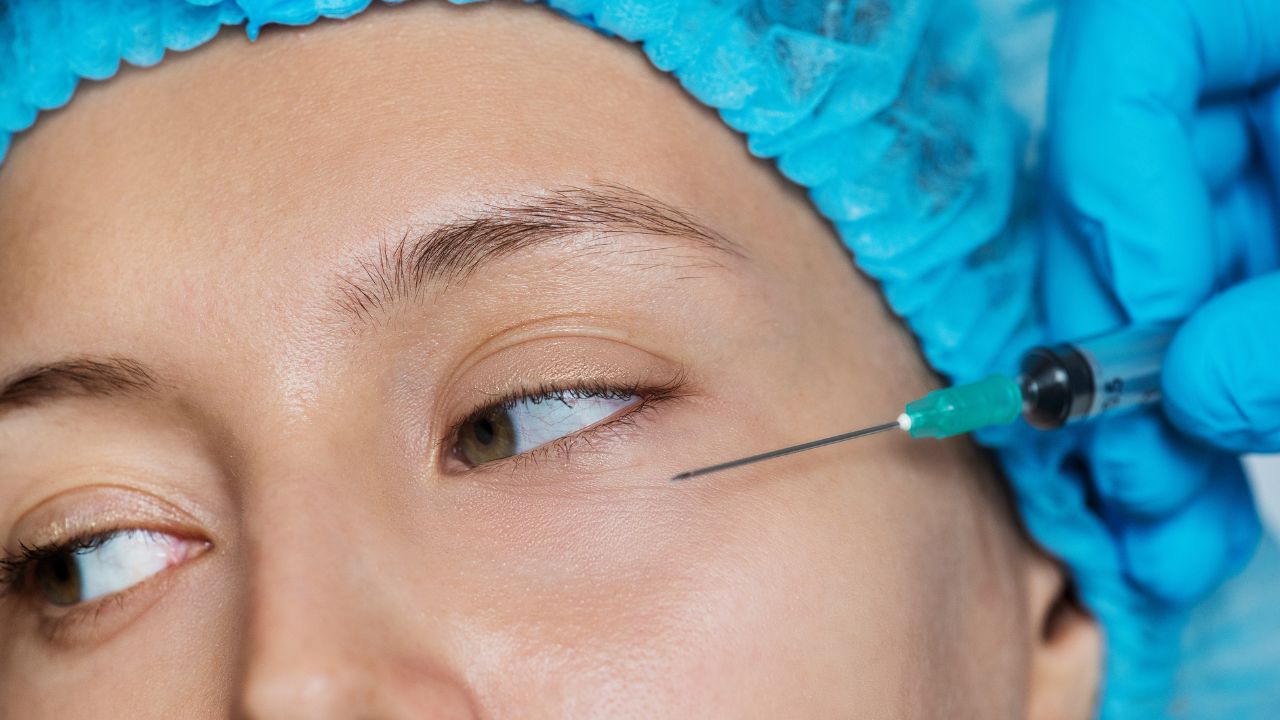
 

PRP vs PRF for Under-Eye

Common mistakes (and fixes)

  • Mistake: Expecting PRP/PRF to replace filler volume
    Fix: Think skin quality first (texture/crepiness/dullness). If hollowness is the main issue, ask your clinician what’s appropriate for tear trough volume.

  • Mistake: Judging results too early (48 hours later)
    Fix: Give it weeks to months; collagen/skin remodeling is gradual.

  • Mistake: “One session forever” mindset
    Fix: Plan for a series + maintenance, especially under the eyes where skin is thin, and aging continues.

  • Mistake: Going bargain-hunting for a blood-based procedure
    Fix: Choose a licensed medical setting with strong infection control. A CDC investigation linked unsafe PRP microneedling services at an unlicensed spa with likely HIV transmission—sterility and proper handling are non-negotiable.

  • Mistake: Not disclosing blood thinners or disqualifying medical history
    Fix: Bring a full medication list + history. For PRP rejuvenation, AAD lists conditions where PRP isn’t recommended (e.g., Hepatitis C, HIV/AIDS, blood cancers, certain cardiovascular disease requiring blood thinners, skin cancer in the treatment area). 

FAQs

1) Which lasts longer under the eyes: PRP or PRF?

Published studies do not establish one dependable duration range or prove that PRF lasts longer than PRP under the eyes. Longevity varies by patient, anatomy, protocol, and outcome measured, and long-term comparative evidence remains limited.

2) When will I see results?

Commonly: subtle changes in weeks, best changes in months. That timeline matches what’s seen in PRP facial rejuvenation trials and reviews (gradual improvement).

3) Does PRP/PRF fix “dark circles”?

It can help when dark circles are related to thin skin, texture, and quality. A review of infraorbital dark circles lists PRP as a treatment option, depending on the cause.

4) Does PRF work like filler?

Not exactly. It’s better described as biostimulation/skin-quality support rather than immediate volumization.

5) Is swelling or bruising normal?

Yes. Temporary pain, swelling, bruising, redness, and irritation are commonly described after PRP injections and typically resolve within hours to days (sometimes longer under-eyes).

6) Is PRF “more effective” than PRP?

For skin quality, the answer depends on protocol, baseline skin, and how outcomes are measured. Reviews compare PRP and PRF in facial rejuvenation, but direct, head-to-head evidence under the eyes remains limited.

7) Is there published under-eye PRF/i-PRF research?

Yes, but it’s smaller. Example: an i-PRF + hyaluronic acid lower-eyelid case series reported predicted immediate swelling and described the approach as safe/feasible; and registered clinical trials are studying PRF in tear trough rejuvenation.

For a physician-supervised evaluation, compare our PRP under-eye treatment and PRF under-eye treatment. Want a recommendation that fits your under-eye concern? Book a consultation and ask for a plan that clarifies the PRP vs PRF choice, number of sessions, expected duration, downtime, and safety protocols (sterility and blood handling).

Sources 

  1. American Academy of Dermatology — PRP rejuvenation: who it’s not recommended for; duration up to ~18 months

https://www.aad.org/public/cosmetic/younger-looking/platelet-rich-plasma-secret-to-younger-skin


  1. Johns Hopkins Medicine — PRP injections: low allergy risk; less common risks include bleeding, tissue damage, infection, nerve injuries

https://www.hopkinsmedicine.org/health/treatment-tests-and-therapies/plateletrich-plasma-prp-treatment


  1. AAOS OrthoInfo — PRP overview; injection risks discussed (infection/tissue/nerve injury similar to other injections)

https://www.orthoinfo.org/treatment/platelet-rich-plasma-prp/


  1. Alam M, et al. (2018) JAMA Dermatology — PRP injection for photoaged facial skin (randomized clinical trial) [PubMed]

https://pubmed.ncbi.nlm.nih.gov/30419125/


  1. Xiao H, et al. (2021) Systematic review — PRP in facial rejuvenation (open access)

https://pmc.ncbi.nlm.nih.gov/articles/PMC8606573/


  1. Diab NAF, et al. (2023) PRF vs PRP: prolonged growth factor release discussion [PubMed]

https://pubmed.ncbi.nlm.nih.gov/36520210/


  1. Nagaja SA, et al. (2024) Injectable PRF + hyaluronic acid for lower eyelids (case series) [PubMed]

https://pubmed.ncbi.nlm.nih.gov/39360098/


  1. ClinicalTrials.gov — Platelet Rich Fibrin for Tear Trough Rejuvenation (registered study)

https://clinicaltrials.gov/study/NCT03313934


  1. CDC MMWR (2024) — Investigation of presumptive HIV transmission associated with PRP microneedling facials at an unlicensed spa (safety/infection-control importance)

https://www.cdc.gov/mmwr/volumes/73/wr/mm7316a3.htm

Does Retinol Brighten Under Eyes? What It Can and Cannot Do

One of the most common complaints people have about beauty concerns is the under-eye area. Whether it’s dark circles that make you look perpetually tired, fine lines that add years to your face, or puffiness that just won’t quit, the struggle to maintain a fresh, bright appearance is natural.

Medically reviewed by David Nazarian, MD — Board Certified in Internal Medicine and Medical Director of PRP Treatment Beverly Hills.

Many people turn to retinol, a common skincare ingredient, hoping to improve the appearance of the delicate under-eye area. But how effective is retinol, really? And are there other options out there that offer better, faster results?

Welcome to Beverly Hills, where treatments such as PRP under-eye treatment are giving people a new reason to smile—without the bags. In this article, we’ll explore how retinol compares to more advanced treatments, particularly PRP, and why Beverly Hills might just be the best place for your under-eye transformation.

Understanding Under-Eye Concerns

The under-eye area is one of the first places that shows signs of aging. The skin here is thinner and more delicate than other parts of your face, making it more vulnerable to various issues, from dark circles to puffiness to those pesky fine lines that keep coming back.

Various factors can cause dark circles: lack of sleep, genetics, and allergies. Puffiness can result from water retention, diet, or a bad night. Fine lines, meanwhile, are part of the natural aging process, exacerbated by sun exposure and facial expressions over time. While these problems might seem purely cosmetic, they can significantly affect your overall appearance, making you look older or more tired than you are.

Retinol: A Traditional Approach to Under-Eye Brightness

For years, retinol has been touted as the gold standard in anti-aging skincare. Derived from Vitamin A, retinol increases cell turnover and boosts collagen production. This makes it a go-to ingredient for addressing various skin concerns, including fine lines, uneven skin tone, and texture.

But can it really brighten the under-eye area?

Retinol can be effective for treating fine lines and promoting smoother skin. It can also help lighten pigmentation over time, which is why some people see an improvement in dark circles after consistent use.

However, retinol is limited, especially when dealing with stubborn under-eye issues. The delicate skin around the eyes can be sensitive, and improper use of retinol may cause irritation, redness, or dryness.

For some, these side effects outweigh the potential benefits, leading them to search for more advanced options.

The Effectiveness of Retinol for Under-Eye Brightness

There’s scientific evidence to support the use of retinol for improving skin texture and lightening pigmentation, but patience is key. Most people won’t see noticeable changes in their under-eye area for at least 6 to 12 weeks, and even then, the results may be subtle. For those looking for a quick fix or a more dramatic improvement, retinol alone might not cut it.

It’s also worth noting that retinol can be too harsh for some people, mainly when used around the sensitive eye area. If your skin is irritated, you might experience redness or flakiness, which can make the under-eye area look worse before it looks better.

Beyond Retinol: Advanced Solutions for Under-Eye Rejuvenation

If you’re tired of waiting for retinol to work—or if you’ve tried it and it hasn’t delivered the desired results—it might be time to consider more advanced treatments. In Beverly Hills, one of the most popular and effective options for rejuvenating the under-eye area is Platelet-Rich Plasma (PRP) therapy.

Unlike retinol, which works on the surface level of your skin, PRP goes deeper, addressing the underlying causes of dark circles, puffiness, and fine lines.

PRP Treatment: The Beverly Hills Solution for Under-Eye Brightness

PRP therapy has been making waves in the beauty world, especially in Beverly Hills, where cutting-edge treatments are practically a way of life. But what exactly is PRP?

PRP involves using your blood to promote skin healing and rejuvenation. A small sample of your blood is drawn, processed to separate the platelets, and then injected into targeted areas of your skin. These platelets release growth factors that stimulate collagen production, improve skin texture, and increase elasticity.

For under-eye concerns, PRP may help selected patients, but outcomes vary by the cause of dark circles and the evidence is more modest for pigmentation than for some texture-related outcomes. It can reduce dark circles, smooth out fine lines, and improve overall skin tone and texture—without the irritation that sometimes comes with retinol. Best of all, the results are natural, subtle, and long-lasting.

The PRP Treatment Process at Our Beverly Hills Clinic

The PRP Treatment Process at Our Beverly Hills Clinic - PRP Treatment

So, how does it work?

Our Beverly Hills clinic begins with a consultation to assess your concerns and determine whether PRP is the right treatment for you. If you’re a good candidate, we’ll draw a small sample of your blood and process it to extract the platelet-rich plasma. This PRP is then carefully injected into the under-eye area using a fine needle.

The procedure is quick and minimally invasive, with little to no downtime. Some patients experience mild swelling or bruising for a day or two afterward, but these side effects typically subside quickly.

After treatment, you can expect to see gradual improvements in the weeks following the procedure as your skin’s natural healing processes are triggered. The result? Brighter, smoother, and more youthful-looking under-eye skin.

Why Choose PRP Over Retinol for Under-Eye Brightness?

While retinol can help address some under-eye concerns, PRP offers several distinct advantages. First and foremost, PRP uses your body’s natural healing powers, making it a safe and effective treatment with minimal risk of side effects.

PRP does not guarantee faster or more dramatic results than topical therapy; treatment choice should depend on anatomy, pigmentation, skin quality, tolerance, and goals. Many patients notice an improvement in their under-eye appearance after just one session, with results improving over time. PRP can also address multiple concerns at once, from dark circles to puffiness to fine lines, making it a more comprehensive solution than retinol alone.

Combining PRP with Other Treatments for Optimal Results

One of the great things about PRP is that it can be combined with other treatments for even better results. Some patients choose to use PRP in conjunction with topical treatments like retinol to maximize their results, while others opt for a full facial rejuvenation plan that includes PRP along with other non-surgical procedures.

Working with our Beverly Hills team, you can create a personalized treatment plan that addresses your unique concerns, giving you the best possible results for your under-eye area—and beyond.

Patient Experiences with PRP in Beverly Hills

We believe in letting our results speak for themselves. Our patients have seen incredible transformations after just a few PRP sessions. Their eyes appear brighter, smoother, and more refreshed, with long-lasting results that can keep them youthful and vibrant for months.

Is PRP Right for You?

PRP is an excellent option for anyone looking for a natural, effective solution to under-eye issues. However, consulting with a professional is important to determine if PRP is the best treatment for your specific needs. During your consultation, we’ll evaluate your skin and discuss your goals, ensuring you receive the most appropriate treatment plan.

The Beverly Hills Advantage: Why Choose Our Clinic for PRP

At our Beverly Hills clinic, you’ll receive expert care from our team of board-certified physicians. We pride ourselves on offering the latest and most effective treatments in a state-of-the-art facility. Our personalized approach ensures you receive the best possible care, with follow-up appointments and customized post-treatment recommendations to help you maintain your results.

FAQs About PRP for Under-Eye Brightness

How long do results last?

Most patients enjoy their results for several months, with maintenance treatments recommended for lasting improvement.

Is the treatment painful?

Discomfort is minimal, with most patients describing the experience as mild.

How many sessions are needed?

While many patients see significant improvements after one treatment, a series of treatments may be recommended for optimal results.

Cost Considerations: Retinol vs. PRP

Investing in your skin health is always a good idea, but it’s essential to weigh the costs and benefits. While retinol is more affordable upfront, PRP offers faster, more dramatic results.

The cost of retinol products can vary widely depending on the brand, formulation, and where you purchase them. Here are some examples:

  • Budget options: Retinol serums like Artnaturals Retinol Serum, which costs around $12.99, and DOUBLE SIZED Retinol Serum, which costs $9.99.
  • Mid-range options: Products like Glow Recipe Avocado Retinol Eye Cream cost about $36.59, and Obagi 360 Retinol 1.0 costs around $47.00.
  • High-end options: ISDIN Retinal Advanced Night Serum is priced at $185.00

PRP therapy in our Beverly Hills medical facility is $1200, including a comprehensive consultation with our physician. 

  • The package of 3 PRP sessions is $3200.
  • The package of 5 PRP sessions is $5000.  

And with flexible financing options at our Beverly Hills clinic, you can get the necessary treatments without breaking the bank. 

Conclusion

When it comes to brightening your under-eye area, retinol can be a helpful tool—but if you’re looking for real, noticeable results, PRP is the way to go. By choosing PRP, you’re investing in a treatment that not only addresses your concerns more comprehensively but does so in a way that works with your body’s natural healing processes. 

Ready to learn more? Schedule your consultation today at PRP Treatment LA and start your journey to brighter, more youthful eyes in the heart of Beverly Hills. Your eyes will thank you!

Under-Eye Twitching: Causes, When to Seek Care & Why PRP Is Not a Standard Treatment

Medically reviewed by David Nazarian, MD — Board Certified in Internal Medicine and Medical Director of PRP Treatment Beverly Hills.

Under-eye twitching (often eyelid myokymia) is usually related to factors such as fatigue, stress, caffeine, eye strain, or irritation. PRP is not an established treatment for eyelid twitching, so persistent or unusual symptoms should be medically evaluated rather than assumed to be a cosmetic PRP indication. Eye twitching is a common problem, often caused by stress, fatigue, or even staring at screens for too long. But when it starts interfering with your daily life or making you self-conscious about your appearance, finding a solution becomes a top priority.

PRP is not an established treatment for eyelid myokymia or other causes of eye twitching. Patients with persistent, recurrent, unilateral, or otherwise unusual twitching should be evaluated for common triggers and, when appropriate, ophthalmic or neurologic causes. Our PRP under-eye treatment page addresses cosmetic under-eye concerns rather than twitching.

What Causes Under-Eye Twitching?

To understand under-eye twitching, it is more useful to first identify the likely cause. Eyelid myokymia is commonly associated with fatigue, stress, caffeine, eye strain, or ocular irritation. Most episodes are temporary, but persistent, recurrent, or atypical twitching deserves medical evaluation.

The most common causes include:

  • Stress and anxiety
  • Lack of sleep
  • Eye strain (especially from screens)
  • Caffeine or alcohol consumption
  • Dry eyes
  • Nutritional imbalances

Management usually focuses on common triggers and the underlying diagnosis. Measures may include reducing caffeine, improving sleep, limiting eye strain, treating ocular irritation, or pursuing further ophthalmic or neurologic evaluation when appropriate. PRP is not an established treatment for eyelid twitching.

Can PRP Treat Under-Eye Twitching? What the Evidence Shows

You might be wondering what PRP is. Platelet-rich plasma is derived from your blood and contains high growth factors and proteins that stimulate tissue repair and healing. It has long been used in regenerative medicine to help heal injuries and accelerate athlete recovery. However, PRP has gained widespread popularity in the cosmetic world in recent years due to its ability to rejuvenate the skin and improve overall health.

When injected into specific areas, PRP encourages the body’s natural healing process, promoting collagen production and tissue regeneration. This makes it a highly sought-after treatment for various cosmetic concerns, from hair restoration to skin rejuvenation.

PRP for Under-Eye Twitching: A New Frontier in Treatment

There is not enough clinical evidence to recommend PRP as a treatment for eyelid myokymia or other causes of eye twitching. PRP may be used for selected under-eye aesthetic concerns, but twitching itself requires evaluation for common triggers and, when persistent, possible neurologic or ophthalmic causes.

PRP should not be expected to reduce or eliminate eye twitching. Its under-eye use is better discussed in the context of selected aesthetic concerns such as skin quality, crepiness, or certain causes of dark-circle appearance.

PRP should not be presented as a treatment that addresses the root cause of eyelid twitching. Management depends on the diagnosis and may include reducing triggers such as sleep deprivation, caffeine, eye strain, or ocular irritation, with further medical evaluation when symptoms persist or are accompanied by other neurologic or eye findings.

When Under-Eye Twitching Should Be Medically Evaluated

If under-eye twitching is persistent, recurrent, unilateral, or associated with other symptoms, the priority is medical evaluation rather than cosmetic PRP treatment. If a patient also has a separate cosmetic under-eye concern, that concern can be assessed independently.

The procedure is simple and straightforward once we’ve determined that you’re a good candidate. A small amount of your blood is drawn and processed to separate the plasma, then injected into the target area around your eyes. The process typically takes about 45 minutes to an hour, with minimal discomfort.

After under-eye PRP, temporary swelling, redness, tenderness, or bruising may occur. Improvement in skin appearance varies, and there is no established expectation that PRP will improve twitching.

Why PRP Is Not a Standard Treatment for Under-Eye Twitching

Aside from its natural approach, PRP offers several other compelling benefits:

It’s prepared from your blood: Because PRP is autologous, allergic reactions to the platelet product itself are uncommon. However, treatment can still cause pain, swelling, bruising, infection, or other complications depending on the injection site and technique.

Minimal downtime: You can typically resume normal activities immediately after your treatment, making it a convenient option for busy lifestyles.

Duration is uncertain: Cosmetic under-eye PRP outcomes vary by indication and protocol, and there is no established duration for any effect on eyelid twitching because PRP is not a standard treatment for that condition.

Separate cosmetic concerns: PRP may be considered for selected cosmetic under-eye concerns such as skin texture or fine lines, but those uses are separate from eyelid twitching and should not be presented as treatment for myokymia.

Why Our Beverly Hills Clinic?

When it comes to treating the area around your eyes, experience matters. At our Beverly Hills clinic, we’re proud to offer PRP treatments performed by board-certified physicians who specialize in regenerative medicine and cosmetic procedures. Our state-of-the-art facilities and cutting-edge technology ensure you receive the highest care and precision. Every treatment is tailored to your needs, ensuring you get the best possible results.

Cosmetic improvement in under-eye skin should not be interpreted as evidence that PRP treats eyelid twitching. The two concerns have different causes and treatment goals.

Combining PRP with Other Treatments for Enhanced Results

Combining PRP with Other Treatments for Enhanced Results - PRP Treatment

For cosmetic under-eye concerns unrelated to twitching, treatment options may include PRP, PRF, neuromodulators, fillers, laser procedures, or other approaches depending on anatomy and diagnosis. These treatments have different indications and should not be combined simply on the assumption that more treatment produces better results.

FAQs: Everything You Need to Know

We know you might have questions about PRP, and we’re here to answer them all. For example:

1. Is PRP painful? 

Most patients report mild discomfort, similar to a standard blood draw or injection.

2. How many sessions will I need? 

There is no evidence-based session schedule for treating eyelid twitching with PRP. If PRP is being considered for a separate cosmetic under-eye concern, the number of sessions should be individualized according to that indication and response.

3. Are there any side effects? 

PRP is autologous, but injections can still cause swelling, bruising, pain, infection, asymmetry, or other complications depending on the treatment area and technique. Risks should be reviewed before any cosmetic procedure.

4. When will I see the results? 

There is no established timeline showing that PRP improves eyelid twitching. Cosmetic skin changes, when they occur, tend to develop gradually and vary by patient and protocol.

5. Is PRP suitable for all skin types? 

Suitability depends on the indication, medical history, anatomy, skin characteristics, medications, and treatment goals. PRP should not be described as appropriate for every patient or every skin concern.

When to Seek Care for Persistent Under-Eye Twitching

If you are concerned about persistent under-eye twitching, a medical evaluation is more appropriate than assuming PRP is the treatment. For cosmetic under-eye concerns, see our PRP under-eye treatment and PRF under-eye treatment pages. At our Beverly Hills clinic, we’re dedicated to providing you with the highest standard of care in a welcoming, luxurious environment. Schedule your consultation today and discover how PRP can help you stop the twitching and refresh and rejuvenate your eyes like never before.

Let’s work together to bring out the best in your eyes. Call us now or visit PRP Treatment LA to book your appointment and take the first step toward a healthier, more vibrant look.

Dark Circles Under the Eyes: Causes and Treatment Options

Dark circles. We’ve all been there—waking up, looking in the mirror, and seeing those shadowy rings beneath our eyes that make us look more tired than we actually feel.

Dark circles can persist despite adequate sleep or topical products because they may result from pigmentation, visible blood vessels, skin thinning, allergies, volume loss, or shadowing from facial anatomy. Treatment depends on identifying the dominant cause rather than assuming one approach will work for everyone.

This guide reviews the causes of dark circles and where blood-derived options may fit. Depending on anatomy and treatment goals, selected patients may be evaluated for PRP under-eye treatment or PRF under-eye treatment, while pigmentation, volume loss, or prominent bags may require a different approach.

Understanding Dark Circles

Dark circles can feel like a mystery. One day, your skin looks bright and refreshed, and the next, you wake up with deep shadows under your eyes. What gives? The truth is, there’s no one-size-fits-all answer. Dark circles are genetic for some—they’ve been there since day one, inherited from family members. Aging plays a role for others, as the delicate skin under the eyes becomes thinner and shows more prominently blood vessels.

Lifestyle factors such as sleep, stress, dehydration, and allergies can worsen dark circles, but they are only part of the picture. Treatment durability depends on the underlying cause, and no single option can be expected to permanently correct every type of under-eye discoloration.

Conventional Methods to Reduce Dark Circles

Let’s be honest. Most of us have tried the usual suspects: better sleep habits, drinking more water, eating right, and applying countless under-eye creams. And while these efforts may improve your overall skin health, they often fall short when treating stubborn dark circles.

Many topical treatments promise miracles but often lack the potency to address the underlying causes. You can always resort to makeup, but it’s just a temporary fix—more of a quick cover-up than a solution.

When conservative measures are not enough, a physician can evaluate whether procedural options are appropriate. The goal is improvement in the specific underlying concern, with realistic expectations about limitations and maintenance.

Advanced Treatment Options and Expected Durability

As technology advances, so do the options available for under-eye treatments. Today, many medical therapies target dark circles more effectively than ever before. Enter PRP (Platelet-Rich Plasma) therapy, an innovative solution that is gaining popularity, especially in areas like Beverly Hills, where people always seek the best, cutting-edge beauty treatments.

PRP harnesses the power of your body’s blood cells to rejuvenate and repair skin, giving you long-lasting, natural results. It’s no wonder PRP has become a go-to treatment in the world’s beauty capital.

PRP Treatment: The Beverly Hills Solution for Dark Circles

So, what exactly is PRP? It’s a treatment that involves taking a small sample of your blood, processing it to extract the platelets and plasma, and injecting this potent mixture into the under-eye area. These platelets are packed with growth factors that stimulate collagen production and promote tissue regeneration, which helps to plump up the skin, reduce the appearance of dark circles, and give you a more youthful, refreshed look.

The science behind PRP’s effectiveness is solid. It’s used in everything from sports medicine to hair restoration, and now, it’s making waves in the world of beauty. Because PRP comes from your blood, it’s a natural, minimally invasive option that requires little downtime and delivers lasting results.

The PRP Treatment Process at Our Beverly Hills Clinic

Are you curious about how PRP works at our Beverly Hills clinic? It all starts with an initial consultation, where we assess your skin and discuss your goals. Once you’re ready, we’ll begin the treatment by drawing a small amount of blood—don’t worry—it’s quick and painless.

The blood is spun in a centrifuge to separate the plasma and platelets. This golden liquid is what we inject into the under-eye area, using precise, targeted techniques to ensure maximum results with minimal discomfort. Afterward, there’s minimal downtime, though you might experience some mild swelling or redness. The best part? You’ll start seeing results in just a few weeks as your skin begins to repair itself from the inside out.

Why Choose Our Beverly Hills Clinic for PRP Treatment?

At our Beverly Hills clinic, we pride ourselves on delivering top-notch care from board-certified physicians specializing in cosmetic treatments. Our state-of-the-art facilities ensure you get the most advanced technology and techniques available.

But it’s not just about technology—it’s about personalized care. We work closely with you to develop a treatment plan tailored to your unique skin concerns and goals, ensuring you get the best possible results. Plus, with a long history of satisfied clients, we’ve built a reputation for delivering accurate, noticeable changes without sacrificing your natural beauty.

Real Patient Experiences

Real Patient Experiences - remove dark circles under eyes permanently - PRP Treatment

Want proof? Our patients are raving about their results. After just one or two treatments, many have reported brighter, more youthful-looking eyes—and they couldn’t be happier. We suggest you come to our clinic and check out our before-and-after photos to see the transformations for yourself. These aren’t just testimonials—they’re stories of renewed confidence and a refreshed appearance.

Combining PRP with Other Treatments for Optimal Results

While PRP is incredibly influential, it can also be combined with other treatments to enhance results. Whether dermal fillers to add volume or laser treatments to improve skin texture, we can create a customized plan that delivers optimal results for your unique needs.

FAQs About PRP for Dark Circles

Still have questions? Let’s tackle some of the most common ones:

  • Is PRP treatment painful?
    Most patients report minimal discomfort. We use fine needles and apply a numbing cream to ensure your comfort throughout the procedure.
  • How long do results last?
    Results can last anywhere from 6 months to over a year, depending on your skin type and how well you care for your skin post-treatment.
  • Are there any side effects?
    Mild swelling and redness are normal but typically subside within a few days.
  • How many sessions are needed?
    We recommend 2-3 sessions spaced a few weeks apart for the best results.
  • Is PRP suitable for all skin types?
    Yes! Because it uses your blood, PRP is safe for all skin tones and types.

Cost Considerations and Financing Options

Investing in PRP treatment may seem more expensive than creams or makeup, but consider this: PRP offers long-lasting, natural results. No more buying expensive eye creams every month or constantly reapplying makeup. Plus, we offer flexible financing plans at our Beverly Hills clinic to make your path to brighter eyes as easy and stress-free as possible.

To know more about your pricing, give us a call at +1-844-669-0939 or email us at info@prptreatmentbeverlyhills.com

Conclusion

Persistent dark circles can have several causes, including pigmentation, vascular visibility, shadowing from tear-trough anatomy, skin thinning, allergies, and lifestyle or medical factors. PRP may be considered for selected patients, but it is not a permanent cure and results vary.

If you are considering treatment, review our PRP Under Eyes service page for candidacy, evidence, risks, alternatives, expected results, and the treatment process.

PRP Under Eyes Before & After: Results, Timing & Limitations

Are you curious about the transformative effects of PRP treatments for those troublesome under-eye areas?

You’re not alone. Many of us constantly search for that treatment options for under-eye concerns. PRP (Platelet-Rich Plasma) therapy is one option for selected patients, but results vary and depend heavily on the cause of dark circles, skin quality, and anatomy. But with curiosity comes questions, and plenty of them.

Supporting article: This page supports our primary PRP Under-Eye Treatment in Beverly Hills & Los Angeles landing page and focuses only on before-and-after expectations, timing, and limitations.

This article answers common questions about PRP under-eye before-and-after results, including what photographs can show, how long changes may take, which concerns may respond, and where PRP has important limitations.

Whether you’re considering the treatment or simply fascinated by its potential, join us as we explore the ins and outs of PRP therapy and uncover what it truly has to offer for revitalizing those delicate under-eye areas. Let’s embark on this journey of discovery together!

PRP Under Eyes Before-and-After Specific FAQs

Addressing these specific before-and-after FAQs helps potential patients better understand what to expect from PRP under-eye treatments, allowing them to make informed decisions about pursuing this increasingly popular cosmetic procedure.

What Changes Can I Expect to See After PRP Under Eye Treatment?

Changes after PRP under-eye treatment vary by the cause of the concern. Some patients may notice improvement in skin texture, crepiness, or the appearance of dark circles related to thin skin, while structural hollows, prominent fat pads, or pigmentation may respond less well and may require a different approach.

How Long Before I See Results from PRP Under Eye Treatment?

There is no single evidence-based timeline for visible improvement. When improvement occurs, it is generally gradual and may be assessed over several weeks to months. Timing depends on baseline anatomy, skin quality, treatment protocol, and individual response.

Are the Results of PRP Under Eye Treatment Permanent?

While PRP treatment can offer significant improvements, the results are not permanent. The longevity of the results depends on factors like age, skin type, and lifestyle. Maintenance treatments are often recommended to sustain the benefits.

Do I Need Multiple PRP Sessions for the Best Results?

Some treatment protocols use a short series of sessions, but there is no universally established number of treatments for every patient. The number and spacing of sessions should be individualized based on anatomy, treatment goals, response, and clinician assessment.

Will There Be Any Immediate Visible Changes Right After the Treatment?

Immediately following the treatment, slight redness or swelling might occur, a normal part of the healing process. The initial visible changes are generally subtle, with more significant improvements appearing gradually over time as the skin heals and rejuvenates.

How Do Before-and-After Photos Accurately Represent PRP Under Eye Treatment Results?

Before-and-after photos provide a visual representation of the changes brought by PRP treatments. These photos are valuable for setting realistic expectations and showcasing the potential improvements in under-eye darkness, wrinkles, and overall skin quality.

Additional Considerations for PRP Under Eye Treatment

Considering these additional aspects of PRP under-eye treatment can help individuals make a well-informed decision and prepare adequately for the procedure, ensuring a positive experience and satisfying results.

Assessing Candidacy for PRP Treatment

Not everyone is an ideal candidate for PRP under-eye treatment. Factors such as overall health, skin condition, and the specific nature of the under-eye issues play a significant role in determining suitability. A consultation with a healthcare provider is essential to assess if PRP is the right option for you.

Understanding the Risks and Side Effects

While PRP treatment is generally safe, being aware of potential risks and side effects is crucial. These may include temporary swelling, bruising, or redness at the injection site.

Rarely, more severe side effects like infection or tissue damage could occur. Discussing these risks with your practitioner beforehand can help set realistic expectations.

The Importance of Choosing a Qualified Practitioner

The experience and skill of the practitioner performing the PRP treatment significantly impact the outcomes.

Choosing a qualified and experienced professional specializing in facial treatments is essential to ensure the highest safety standards and best results.

Cost Considerations

PRP treatments can vary in cost, depending on the provider and the number of sessions required.

It’s essential to consider the financial aspect and to understand that multiple sessions might be needed for optimal results. Some clinics offer payment plans or packages to make the treatment more accessible.

Lifestyle Factors Influencing Treatment Outcomes

Lifestyle choices can affect the results of PRP treatment.

Factors like smoking, alcohol consumption, diet, and sun exposure can impact the healing process and the longevity of the outcomes. Adopting a healthy lifestyle can enhance and prolong the benefits of the treatment.

Post-Treatment Care and Maintenance

Proper aftercare is crucial for maximizing the results of PRP treatment.

Following the practitioner’s guidelines on skincare, sun protection, and other aftercare instructions can help maintain the rejuvenated appearance of the under-eye area.

Side Effects of PRP for Dark Circles Treatment

Side Effects of PRP for Dark Circles Treatment - PRP Treatment

Being aware of the potential side effects of PRP and risks allows patients to make an informed decision about undergoing PRP treatment for dark circles.

It also underscores the importance of choosing an experienced and reputable practitioner to perform the procedure.

Potential Complications Caused by Injections or Blood Draws

While PRP treatment for dark circles is minimally invasive, it does involve injections and blood draws, which carry their own set of potential complications.

Patients may experience discomfort, bruising, or swelling at the blood draw site and the injection sites under the eyes. Though typically mild and temporary, these side effects can cause some inconvenience.

More significant reactions like hematoma (a localized collection of blood outside the blood vessels) or nerve injuries could occur in rare cases. Patients must discuss these risks with their healthcare provider to understand the full scope of potential complications.

Risk of Infection From Injection Treatments

Any procedure that involves injections also carries a risk of infection. While the risk is low with PRP treatments, as it uses the patient’s blood, it’s not non-existent.

Ensuring a qualified professional performs the treatment in a sterile environment is essential to minimize this risk.

After the procedure, following the aftercare instructions provided by the practitioner, such as keeping the injection sites clean and avoiding touching the area unnecessarily, can further reduce the risk of infection.

Before-and-after photographs are only one part of evaluating treatment. For candidacy, realistic expectations, risks, alternatives, and treatment details, visit our PRP Under Eyes service page.

\r\n

Conclusion

PRP (Platelet-Rich Plasma) therapy offers a promising solution for those seeking to address dark circles under the eyes. While the treatment is generally safe and effective, understanding the potential side effects and risks is crucial for anyone considering this option.

It’s important to acknowledge the possibility of discomfort, bruising, swelling, and a rare but real risk of infection associated with the injections and blood draws. These factors underscore the importance of seeking treatment from a qualified and experienced practitioner who adheres to the highest standards of safety and sterility.

Patients can make decisions that align with their health and cosmetic goals by being well-informed about the benefits and risks. PRP therapy, with its approach of using the body’s natural healing processes, is an attractive choice for those looking to rejuvenate and refresh their under-eye appearance, promising a brighter and more youthful look.

How Long Does PRP Under Eyes Last? Evidence & Variables

Have you ever caught your reflection and wished for a solution to those stubborn under-eye circles or wrinkles?

Platelet-Rich Plasma (PRP) under-eye treatments have emerged as a promising answer. But how long do the results last? Are they long-lasting, or just a fleeting improvement? In the quest for a more youthful appearance, understanding the longevity of any treatment is crucial.

Medically reviewed by David Nazarian, MD — Board Certified in Internal Medicine and Medical Director of PRP Treatment Beverly Hills.

Supporting article: This page supports our primary PRP Under-Eye Treatment landing page and targets the narrower question of duration and maintenance.

This article focuses on PRP under-eye maintenance and touch-ups: when follow-up may be considered, why results vary, and how to distinguish maintenance questions from the initial treatment timeline.

So, sit back and let’s delve into the fascinating world of PRP treatments and the truth about their results’ longevity.

PRP Under Eyes: How Long Does It Last?

For a physician-supervised overview of the procedure, see our PRP under-eye treatment page. If you’re contemplating PRP under eye treatments, one of the lingering questions is, “How long will the results last?” To answer this, let’s turn to what we know from medical studies and practitioner experiences.

Platelet-Rich Plasma (PRP) under-eye treatments leverage your body’s natural healing capabilities. The procedure involves injecting PRP – a component of your blood rich in growth factors – into the under-eye area.

These growth factors stimulate collagen production, an essential skin structure component. This process rejuvenates the skin, leading to a reduction in wrinkles and dark circles.

There is no single evidence-based duration that applies to every patient. Improvements, when they occur, may persist for months, but durability varies with the treatment protocol, baseline anatomy and skin quality, age, lifestyle, and individual response. Follow-up should be based on clinical response rather than a fixed calendar interval.

The exact duration can vary between individuals due to several influencing factors, which we will explore in the next section.

When improvement occurs after under-eye PRP, it is generally assessed over time rather than immediately. Published studies use different protocols and follow-up intervals, so there is no reliable universal point at which results can be said to begin or peak.

Consultation with Dr. Nazarian, MD: $450
Credited toward your first treatment
Labs and imaging ordered when needed
  • PRP from $800 per session
  • PRF from $1,100 per session
  • Discounted 3-session packages on every treatment
  • See the full PRP and PRF price list
  • 4 tubes of blood drawn per session, more than many clinics use; 10 to 15 cc of PRP obtained
  • 4-ingredient numbing cream
  • 6-needle injector used for hair treatments
  • Providing PRP therapy since 2008
PRP Treatment & Therapy Specialist Beverly Hills - David Nazarian

Factors Affecting the Longevity of PRP Under Eye Results

The durability of PRP under-eye results is variable. Published studies use different preparation methods, treatment schedules, outcome measures, and follow-up periods, so expectations should be individualized rather than based on a guaranteed duration.

Individual Skin Characteristics

Firstly, your skin characteristics play a pivotal role. Factors such as skin type, thickness, natural collagen production, and the severity of under-eye issues can all influence how long the results last.

For instance, if you naturally have thin skin with lower collagen levels, the effects might not last as long as those with thicker skin.

Lifestyle Factors

Believe it or not, your lifestyle can significantly impact the results’ duration. Habits like smoking or excessive sun exposure can accelerate skin aging and shorten the lifespan of PRP under-eye results.

General skin-health measures such as sun protection, avoiding smoking, and maintaining overall health are reasonable, but they should not be presented as proven methods for extending the duration of PRP results.

Post-Treatment Skincare Routine

The way you care for your skin after the treatment is equally crucial. Ensuring adequate sun protection, maintaining a healthy skincare routine, and keeping your skin hydrated can help maximize and extend the benefits of the treatment.

Frequency of Treatment Sessions

Some treatment protocols use a series of sessions, but there is no universally established schedule that guarantees better or longer-lasting results. Additional treatment should be based on diagnosis, response, goals, and clinician assessment.

How to Prolong the Effects of PRP Under Eye Treatments

Having PRP under eye treatment is just one part of the puzzle. To ensure your results are both impressive and enduring, you should also consider some additional measures. Let’s explore some strategies to extend the lifespan of your PRP under eye treatment results.

Post-Treatment Care

Post-treatment care plays a significant role in optimizing the results. Following your practitioner’s instructions, such as avoiding sun exposure, intense workouts, or applying makeup immediately after the treatment, can prevent complications and maximize results.

Healthy Skin Care Routine

Healthy Skin Care Routine - PRP Treatment

A good skincare routine is an excellent ally for lasting results. This includes cleansing, moisturizing, and, most importantly, sun protection.

Applying a broad-spectrum sunscreen daily can protect the treated area from harmful UV rays, accelerating skin aging and shortening the lifespan of your PRP treatment results.

Lifestyle Modifications

Lifestyle choices like maintaining a balanced diet, staying well-hydrated, getting sufficient sleep, and avoiding smoking can all contribute to overall skin health and the longevity of treatment results.

Consuming a diet rich in vitamins A and C can support collagen production, complementing the effects of PRP.

Consistent Treatment Sessions

Consistency is key. Sticking to the recommended treatment schedule from your practitioner is crucial for sustained results. While some patients might see desired results after a single session, most need multiple sessions. Regular touch-ups help maintain and extend the results.

Complementary Treatments

PRP under-eye treatments can be combined with other skin care treatments like microdermabrasion or specific facials to enhance and prolong the results. Your practitioner can guide you about suitable complementary treatments based on your skin type and goals.

When Should You Consider a PRP Under Eye Touch-Up?

Now that we’ve covered what influences the longevity of your PRP under eye treatment and how to prolong it, you might wonder when it’s the right time to consider a touch-up.

PRP under eye touch-ups are typically recommended to maintain the results and continually stimulate collagen production.

Recognizing the Signs

The most common sign that it’s time for a touch-up is when you notice the initial under-eye concerns creeping back in. This could be an increased appearance of fine lines, wrinkles, or dark circles.

Since the results of PRP under eye treatments wear off gradually, these changes will be subtle and slow, not sudden.

Frequency of Touch-ups

The typical frequency of touch-ups depends mainly on the individual’s skin characteristics and how well they’ve maintained their post-treatment care and overall lifestyle.

There is no universally established maintenance interval for under-eye PRP. A touch-up may be considered if prior benefit has diminished and repeat treatment remains appropriate after reassessment.

Consultation with Your Practitioner

Always consult with your practitioner when you’re considering a touch-up. They can evaluate the current condition of your under-eye area and advise whether it’s the right time for a touch-up or if other treatments might be beneficial.

FAQ

In this final section, let’s address some common questions people often have about the longevity of PRP under eye treatments. Understanding these will help clarify doubts or misconceptions and aid in making an informed decision.

Are the Results of PRP Under Eye Treatments Permanent?

PRP under-eye results are not permanent, and not every patient responds the same way. If improvement occurs and later diminishes, repeat treatment can be discussed, but maintenance is not automatically necessary or appropriate for everyone.

Can I Speed Up the Results of PRP Under Eye Treatment?

PRP treatments leverage your body’s natural healing process, and this can’t be rushed. However, maintaining a healthy lifestyle and skincare routine can help optimize the results and ensure you see them as soon as possible.

Does age Affect the Longevity of PRP Under Eye Treatment Results?

Age can impact the results as the skin’s natural ability to produce collagen decreases. However, the PRP treatment stimulates collagen production; hence, even those with mature skin can see significant improvement.

How soon after my PRP Under Eye Treatment can I Return to my Regular Skincare Routine?

Typically, you can return to your regular skincare routine after 24 hours, but it’s essential to follow the specific instructions given by your practitioner. Some treatments or products may need to be avoided for a while post-treatment.

Can I wear Makeup after PRP Under Eye Treatment?

It’s usually recommended to wait at least 24 hours after your treatment before applying makeup. This allows your skin ample time to heal and absorb the full benefits of the treatment.

Related under-eye resources: compare PRP vs PRF under the eyes or review the PRP Under Eyes treatment page for candidacy, risks, recovery, and pricing.

Conclusion

Embarking on a journey to brighter, healthier under-eye skin with PRP treatments can be exciting. Understanding the expected duration of results, factors affecting longevity, and strategies to maximize benefits will undoubtedly put you in a stronger position to make informed decisions.

Remember, while PRP treatments offer significant benefits, treatment consistency, post-care, and a healthy lifestyle play equally crucial roles in achieving the best results. Always consult with your practitioner regarding your unique needs and expectations.

With the right knowledge and care, you’re well on your way to enjoying long-lasting under-eye rejuvenation through PRP treatments.