...
Yelp Logo

CALL US NOW +1-844-669-0939

PRF vs PRP for Hair Loss: Results, Evidence & Permanence

Medically reviewed by David Nazarian, MD — Board Certified in Internal Medicine and Medical Director of PRP Treatment Beverly Hills.

Quick answer: PRF and PRP are both autologous platelet-based treatments used in selected hair-restoration protocols, but current evidence does not establish that PRF is universally better, longer-lasting, or safer than PRP for hair loss. PRP has a broader clinical evidence base for androgenetic alopecia, while PRF is promising but less standardized. Treatment choice should depend on diagnosis, follicle viability, protocol, cost, and clinician experience.

For the broader clinical overview of PRF, including candidacy, procedure, risks and treatment options, see our PRF Treatments in Los Angeles & Beverly Hills service page.

Hair loss is more than a cosmetic concern—it can affect confidence, self-image, and overall quality of life. As a result, the search for safe and effective solutions has expanded beyond medications and hair transplants. One treatment gaining traction in regenerative medicine is Platelet-Rich Fibrin, or PRF.

PRF is an autologous blood-derived treatment being studied for selected types of hair loss. This article reviews whether results are permanent, what the evidence supports, and where expectations should remain cautious.

Let’s examine PRF hair treatment for hair restoration more closely to help you decide whether it’s the right approach for your needs.

What is PRF, and How Does It Work for Hair Restoration?

Platelet-rich fibrin (PRF) is an autologous blood-derived preparation used in selected hair-restoration protocols. It differs from PRP in preparation method and fibrin content, but those differences do not establish that PRF is clinically superior for hair restoration.

Here’s how it works: A small amount of your blood is drawn and spun in a centrifuge using a slower, lower-speed process than PRP. This technique isolates platelets, plasma, white blood cells, and fibrin—a protein that acts as a scaffold, slowly releasing growth factors over time.

The resulting PRF preparation may be injected into areas of thinning hair on the scalp. The goal is to support selected patients with pattern hair loss, but response varies and benefit depends on diagnosis, follicle viability, protocol, and concurrent treatment.

Many PRF protocols are prepared from the patient’s own blood without anticoagulants and form a fibrin matrix that can affect how signaling proteins are released. Preparation methods vary, and this should not be interpreted as proof of superior or longer-lasting clinical results.

Is PRF Hair Treatment Permanent?

This is a common—and important—question. The short answer? PRF is not a permanent solution for hair loss. But that doesn’t mean it’s ineffective.

PRF does not alter the underlying causes of androgenetic alopecia, such as genetic susceptibility and androgen signaling. Some early studies report changes in hair-density measures, but the degree and durability of benefit remain uncertain.

Published PRF protocols use different treatment schedules, and there is no universally established number or spacing of sessions. Follow-up and any additional treatment should be individualized according to diagnosis, response, and treatment goals.

How long PRF results last can vary from person to person. Factors like age, the severity of hair loss, overall health, stress levels, and even lifestyle habits (diet, sleep, and smoking) can all impact how long the benefits stick around.

Does PRF Stop Hair Loss?

PRF should not be described as reliably stopping hair loss. Some studies report improvement in selected hair-density measures, but shedding and progression can continue because the underlying cause of hair loss remains active.

PRF may be considered in selected patients with early to moderate thinning when viable follicles remain. It is less likely to help areas that are completely bald with absent or nonviable follicles, because platelet-based treatments cannot recreate follicles that are no longer present.

Some patients may report changes in shedding or hair density, but these outcomes are variable and should be assessed with standardized follow-up rather than assumed from short-term subjective impressions.

PRF may be used alongside other evidence-based hair-loss treatments such as minoxidil or finasteride when appropriate, but combination therapy should be individualized and the added benefit of each combination should not be assumed.

Is PRF Worth It for Hair Loss?

Whether PRF is “worth it” depends on your expectations, the current stage of your hair loss, and your willingness to commit to a treatment plan.

PRF is autologous and minimally invasive, but treatment still carries risks such as pain, swelling, bruising, infection, and an unsatisfactory response. Because it is prepared from the patient’s own blood, allergic reaction to the platelet product itself is uncommon, but treatment is not risk-free.

And it’s not just theory—there’s research to back it up.

Early studies of injectable PRF for androgenetic alopecia have reported improvements in some hair-density measures, but the evidence base remains small and protocols are not standardized. These findings are promising but do not support a universal response-rate claim.

For comparison, a meta-analysis of PRP, which is related to PRF, reported improvement in hair-density measures but not a clear increase in hair-shaft diameter. This does not establish that PRF produces more durable or clinically superior hair-restoration results than PRP. Direct comparative evidence remains limited.

Hair loss can affect confidence and quality of life, but cosmetic satisfaction is subjective and should not be used as evidence that PRF will produce a predictable degree of regrowth.

But it’s not a miracle cure.

PRF is usually delivered as a series in many protocols, but session number and repeat-treatment intervals are not standardized. Results vary, and treatment may be less useful in advanced hair loss or when another untreated medical cause is driving shedding.

Patients who may be considered for PRF typically have:

  • Men and women in the early to moderate stages of hair thinning
  • Patients for whom an autologous, office-based option is appropriate after reviewing established medical treatments
  • Individuals seeking a non-surgical option who still have viable follicles and realistic expectations

PRF vs PRP for Hair Loss: Which Is Better?

PRF and PRP are both autologous platelet-based preparations, but they are processed differently. Current clinical evidence does not establish that PRF is universally more effective, longer-lasting, or safer than PRP for hair loss. Choice should depend on diagnosis, follicle viability, protocol, cost, and clinician experience. For treatment-specific information, see our PRF hair treatment page and our PRP hair treatment and restoration page.

PRF vs. Other Hair Loss Treatments

PRF vs Other Hair Loss Treatments - PRP Treatment

When exploring treatment options, it’s helpful to understand how PRF stacks up against other popular choices.

PRF differs from many PRP preparations in its fibrin matrix and in how it may be prepared without anticoagulants. Those laboratory differences do not prove that PRF produces longer-lasting or better clinical hair-restoration outcomes than PRP.

PRF and minoxidil have different evidence bases, mechanisms, costs, and treatment burdens. Current evidence does not support a general claim that PRF produces faster or better visible results than minoxidil.

Finasteride (Propecia) is an oral medication that works by blocking DHT, a hormone linked to hair loss. While it can be very effective, it has potential side effects and isn’t suitable for everyone.

Hair transplantation is a surgical option for selected patients with suitable donor hair and stable expectations. Transplanted follicles may provide long-term coverage, but native hair can continue to thin and ongoing management may still be needed.

PRF may be one option within a broader hair-loss plan for appropriately selected patients. Whether it should be used alone, combined with medical therapy, or avoided depends on the diagnosis, evidence for that condition, treatment goals, and patient preferences.

Should You Try PRF for Hair Loss?

For treatment details, candidacy, risks, pricing, and how PRF differs from PRP, see our PRF hair treatment & hair restoration in Beverly Hills and Los Angeles page.

PRF is not a guaranteed solution, but early clinical evidence suggests it may be a reasonable option for selected patients with pattern hair loss. It does not offer permanent results, and any change in density or shedding varies by patient, diagnosis, and protocol.

Earlier evaluation can be useful because treatment options depend on the diagnosis and whether follicles remain viable. Increased shedding should not automatically be attributed to androgenetic alopecia without assessment.

Whether PRF is appropriate depends on the diagnosis, scalp examination, follicle viability, medical history, prior treatments, alternatives, cost, and treatment goals.

Curious if PRF is the right fit for your hair restoration journey?

Schedule your consultation today with the experts at PRP Treatment Beverly Hills. Take the first step toward healthier, fuller hair—naturally.

References:

  1. Yao, S., Chen, X., Li, S. et al. New tool in our arsenal: efficacy of injectable platelet-rich fibrin (i-PRF) in androgenetic alopecia treatment. Arch Dermatol Res 317, 493 (2025). https://doi.org/10.1007/s00403-025-04038-9
  2. Li, M., Qu, K., Lei, Q. et al. Effectiveness of Platelet-Rich Plasma in the Treatment of Androgenic Alopecia: A Meta-Analysis. Aesth Plast Surg 48, 977–984 (2024). https://doi.org/10.1007/s00266-023-03603-9

PRF Under Eyes: How Long Does It Last?

Have you ever looked in the mirror and noticed those persistent dark circles or sunken eyes staring back at you? Believe me, millions like you are doing so!

Medically reviewed by David Nazarian, MD — Board Certified in Internal Medicine and Medical Director of PRP Treatment Beverly Hills.

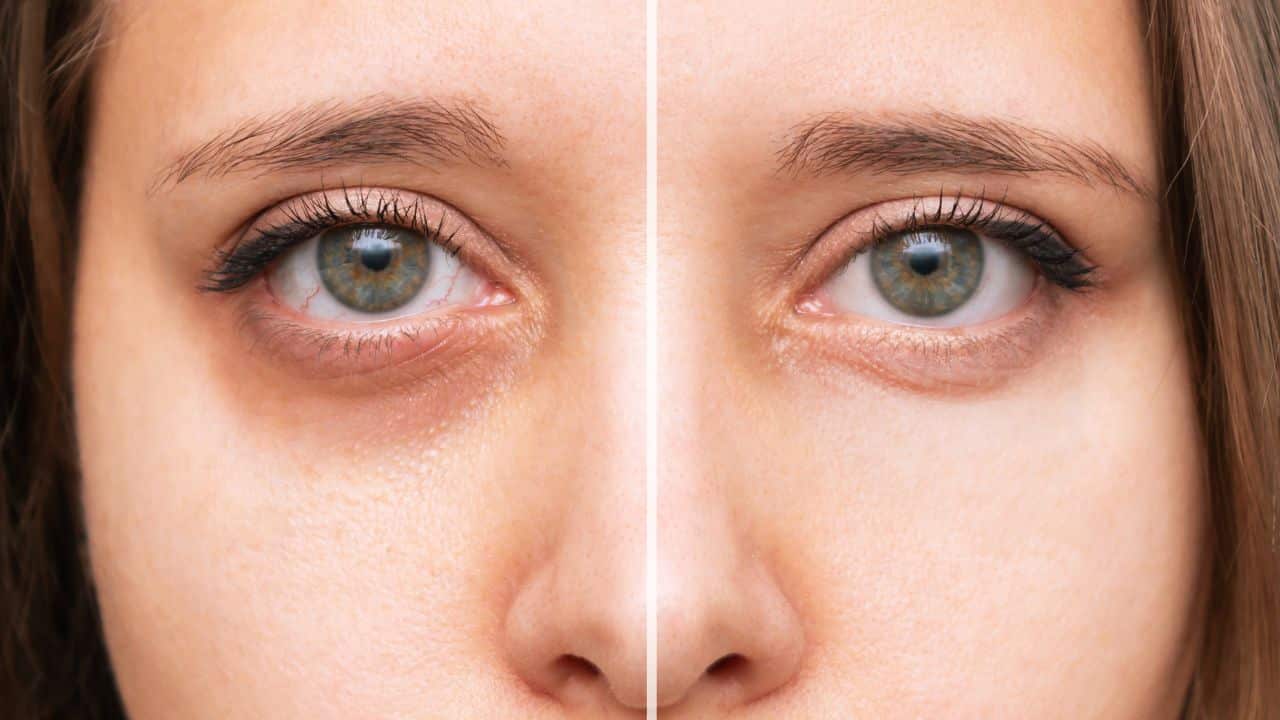
People of all ages and genders struggle with these common cosmetic concerns. Platelet-Rich Fibrin (PRF) is one treatment being studied for selected under-eye concerns, although evidence and duration vary by protocol and patient.

For the broader clinical overview of platelet-rich fibrin, preparation, uses, risks and how PRF differs from PRP, see our PRF Treatments in Los Angeles & Beverly Hills page.

PRF for Undereyes

PRF is an autologous blood-derived preparation produced by centrifuging a blood sample to create a fibrin-rich fraction containing platelets and signaling proteins. Preparation protocols vary, and those differences can affect the final product.

PRF is injected into the under-eye area with the goal of supporting skin-quality changes. Small studies suggest possible improvements in selected measures such as texture or fine lines, but results are variable and should not be presented as guaranteed rejuvenation.

What Causes Dark Circles?

Dark circles under the eyes are a common concern for many people, and their causes vary. Here’s a closer look at some of the primary factors that contribute to these pesky shadows:

Genetics

One of the most significant contributors to dark circles is your genetic makeup. If your parents or grandparents had dark circles, you might also be more prone to developing them.

Aging

Our skin naturally thins and loses collagen as we age, making the blood vessels beneath the skin more visible. This can create a darker appearance under the eyes.

Lack of Sleep

Poor sleep habits can cause the skin to become pale, making dark tissues and blood vessels beneath it more noticeable. Lack of sleep can also lead to fluid buildup under the eyes, making them appear puffy and shadowed.

Allergies

Allergic reactions can trigger the release of histamines, which can cause blood vessels to dilate and become more visible. Additionally, frequent rubbing or scratching of the eyes due to allergies can worsen the appearance of dark circles.

Dehydration

When your body is not well-hydrated, the skin under your eyes can look dull and sunken, emphasizing the appearance of dark circles.

Sun Exposure

Excessive sun exposure can increase melanin production (the pigment that gives skin its color), which can cause pigmentation around the eyes to darken.

Lifestyle Factors

Habits such as excess smoking and excessive alcohol consumption can contribute to the formation of dark circles by impacting the health and appearance of your skin.

Poor Nutrition

A diet lacking essential nutrients can affect overall skin health, making it more prone to dark circles. Vitamins C, K, and E deficiency can lead to skin issues.

What Causes Sunken Eyes?

Sunken eyes are typically caused by a loss of fat and collagen in the under-eye area, leading to a hollow, tired look. This can be exacerbated by genetics, aging, and lifestyle factors such as poor diet and lack of sleep.

How Long Does PRF Last?

One of the common questions about PRF treatments is longevity. Published periorbital studies use different PRF preparations and follow-up periods, so there is not a well-established universal duration. Any benefit may vary by concern, protocol, age, skin characteristics, and individual response. For current treatment details, see our PRF under-eye treatment page.

Response to PRF is variable, and additional sessions should be based on clinical response rather than an assumption that results will continue to improve with each treatment.

How Does a PRF Plasma Under Eye Treatment Work?

Imagine a treatment that uses your body’s natural healing abilities to rejuvenate your under-eye area. That’s precisely what a PRF Plasma Under Eye™ treatment does. Here’s a breakdown of the process:

Blood Draw

It all starts with a simple and safe blood draw, just like you would have for any routine blood test. This small sample is critical to creating the PRF.

Centrifugation

The lab technician will place the blood sample in a centrifuge with a high speed spin. This process separates the different components of the blood, isolating the platelet-rich fibrin (PRF) from the rest. PRF is rich in platelets, white blood cells, and growth factors – all crucial for healing and rejuvenation.

Preparation

Once the PRF is separated, it’s prepared for injection. This step ensures the PRF is in the best possible condition to promote healing and regeneration.

Injection

With great precision, the PRF is carefully injected into the under-eye area. The process is quick and minimally invasive, typically taking about 30 minutes. The growth factors and fibrin matrix work together to stimulate collagen production and enhance tissue repair, leading to a brighter as well as more youthful appearance.

What are the Advantages of PRF Eye?

What are the advantages of PRF eye - PRP Treatment

When it comes to rejuvenating your under-eye area, Platelet-Rich Fibrin (PRF) offers several distinct advantages that make it a preferred choice for many:

Natural Healing: PRF utilizes your body’s healing abilities. PRF naturally promotes collagen production and tissue regeneration by using concentrated platelets and growth factors from your blood.

Duration Varies: Published under-eye PRF studies use different preparation methods and follow-up periods, so there is no single evidence-based duration that applies to every patient. Any visible improvement may fade gradually as aging and the underlying anatomy continue to change.

Risks and tolerability: Because PRF is autologous, allergic reaction to the blood-derived product itself is uncommon. Injection-related swelling, bruising, tenderness, infection, vascular injury, or reactions to other materials used during the procedure can still occur, so candidacy and technique matter.

Versatility: PRF isn’t just for under-eye rejuvenation. It can also be used on other facial areas to improve skin texture, reduce fine lines, and enhance overall appearance.

Recovery: Temporary swelling, bruising, tenderness, and redness can occur after PRF injections. Recovery varies, and patients should follow individualized aftercare instructions rather than assume there is no downtime.

Natural-Looking Results: PRF subtly enhances your natural features. It doesn’t create drastic changes but restores a youthful, refreshed appearance to the under-eye area.

Should I get PRF?

PRF may be considered for selected patients with under-eye concerns after the underlying cause is evaluated. It is not appropriate for every type of dark circle or hollowing, and significant volume loss, fat prolapse, pigmentation, or other anatomic concerns may require a different approach.

Is getting PRF Under the Eyes Suitable for Men and Women?

PRF (Platelet-Rich Fibrin) under-eye treatments benefit men and women who want to address common concerns like dark circles, hollowing, and fine lines. This innovative procedure harnesses the body’s healing properties to rejuvenate the delicate skin under the eyes.

For men who often prioritize simple yet effective solutions, PRF offers a natural approach that aligns with their skincare needs. It helps reduce the appearance of tired eyes, creating a refreshed and more youthful look without the need for extensive downtime.

Similarly, women appreciate PRF for its ability to provide gradual improvements over time. Whether combating signs of aging or seeking to enhance your natural beauty, PRF can help restore volume and smooth out fine lines around the eyes.

Moreover, PRF treatments are customizable to suit different skin types and ages, making them a versatile option for anyone looking for a safe and effective under-eye rejuvenation solution.

PRF is an autologous injectable option studied for selected under-eye concerns, but results are variable and durability is not established well enough to promise long-lasting improvement.

Aftercare

Following your PRF under-eye treatment, proper aftercare is crucial to optimize and maintain the results:

  1. Avoid Rubbing: Refrain from rubbing or touching the treated area to prevent irritation and promote healing.
  2. Use Cold Compresses: Applying cold compresses help reduce swelling and discomfort immediately after the treatment.
  3. Stay Hydrated: Drinking water regularly throughout the day helps your body flush out any toxins and supports the healing process.
  4. Avoid Sun Exposure: Protect the PRF treated area from any direct sunlight and wear sunscreen to prevent pigmentation issues.
  5. Follow Provider’s Instructions: Your healthcare provider will provide specific guidelines tailored to your needs. It’s essential to adhere to these instructions for the best possible outcome.

The Final Takeaway

PRF may be considered for selected under-eye concerns after evaluation of the underlying cause. Dark circles and hollows can have different causes, and PRF is not a guaranteed or universally appropriate treatment.

Ready to say goodbye to those dark circles and say hello to brighter, youthful eyes? Schedule your PRF consultation with PRP Treatment Beverly Hills clinic today and discover how this innovative treatment can transform your under-eye area. Don’t wait – your journey to radiant eyes starts here!