

...
Yelp Logo

CALL US NOW +1-844-669-0939

PRF vs PRP for Hair Loss: Does the Preparation Method Change Results?

Editorial draft for physician review. Not medically reviewed or approved for publication.

This educational article explains a common clinical question and does not replace individualized evaluation.

Two platelet-based procedures, different processing

Platelet-rich plasma (PRP) is generally prepared by centrifuging blood to concentrate platelets in plasma; protocols vary in platelet concentration, leukocyte content and activation. Platelet-rich fibrin (PRF) is prepared with different centrifugation and clotting characteristics, producing a fibrin-rich matrix. Labels alone do not guarantee a particular cell composition or biological effect.

What does the hair-loss evidence actually show?

Small clinical trials and systematic reviews suggest some PRP protocols can improve hair density in androgenetic alopecia, but results are heterogeneous and certainty is limited by small samples, varying methods and inconsistent outcome measures. Direct high-quality head-to-head evidence showing PRF is consistently superior to PRP for scalp hair growth is insufficient. Claims of guaranteed regrowth or a single best preparation are not justified.

Diagnosis comes first

Female and male pattern hair loss, telogen effluvium and scarring alopecias require different approaches. A history, scalp examination and selected laboratory tests or dermatology referral may be needed. Rapidly progressive, painful, inflamed or scarred areas warrant evaluation before cosmetic injections.

What should be documented?

Ask about centrifugation method, number of sessions, potential adverse effects, concurrent treatments such as minoxidil, and standardized baseline photographs. Follow-up hair counts or consistent images are more informative than anecdotal before-and-after comparisons. Cost and maintenance expectations should be transparent.

Safety and regulatory nuance

Autologous blood-derived procedures still involve injection risks including pain, bruising and infection. Regulatory requirements depend on preparation and use; do not infer FDA approval for a specific hair-growth indication merely because a device is cleared for a particular processing purpose.

Clinical review requested

Confirm actual PRP and PRF systems, preparation protocol, scalp diagnosis process and whether both procedures are offered for hair restoration. Add physician experience only after explicit review.

References and further reading

Related clinical service: https://prptreatmentbeverlyhills.com/treatments/prp-hair-loss-treatment-near-beverly-hills/.
PRP for Female Pattern Hair Loss: What the Evidence Can Tell Us

Draft for physician review — not medically approved.

Explore the evidence for platelet-rich plasma in female pattern hair loss, including diagnosis, realistic outcomes, and limitations.

Why diagnosis matters

Female pattern hair loss typically presents as gradual thinning over the crown or widening of the part. Diffuse shedding, nutritional deficiencies, thyroid disease, traction, and inflammatory scalp disorders may mimic or coexist with it. A targeted evaluation helps avoid inappropriate treatment.

What PRP studies suggest

Small randomized trials and systematic reviews have examined PRP for female pattern hair loss. Some report improvements in density or hair counts, but results vary and protocols are not standardized. Evidence is less certain than marketing claims often imply.

How PRP compares with established options

Topical minoxidil is a commonly used evidence-based treatment for female pattern hair loss. PRP may be considered as an adjunct after discussion of costs, procedural discomfort, uncertain durability, and alternative treatments; it should not automatically replace established therapy.

How outcomes should be measured

Standardized photographs, consistent lighting and part location, and objective hair-density measures where available help distinguish meaningful improvement from normal hair-cycle variation. Response usually requires months rather than days.

Safety and expectations

PRP involves blood collection and scalp injections, with potential bruising, discomfort, infection or other procedure-related risks. PRP is not FDA-approved specifically for hair regrowth, and no single injection protocol is proven optimal.

Related service: Clinical service information.

References

Physician review notes — remove before publication

Confirm diagnosis protocol, treatment schedule and whether the clinic recommends adjunct minoxidil.

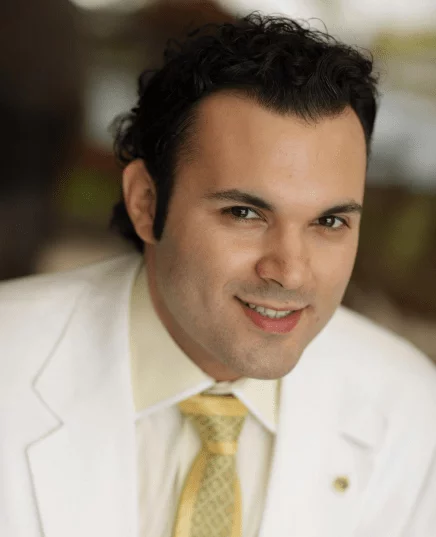
Dr. Nazarian may add a factual, verified description of his own clinical approach. No experience or endorsement is attributed to him.

When Hair Loss Needs a Scalp Biopsy Before PRP: Red Flags and Diagnosis

Editorial draft for physician review; not medically approved.

Explore when a scalp examination or biopsy may be needed before PRP hair treatment, especially for scarring alopecia and inflammatory hair loss.

Hair thinning is not one diagnosis

Androgenetic alopecia, telogen effluvium, alopecia areata, traction alopecia and inflammatory or scarring disorders can all cause visible shedding. The right diagnosis matters because treatment choices, prognosis and urgency differ. PRP studies largely concern pattern hair loss; results should not be generalized to every form of alopecia.

Warning signs of scarring or inflammatory hair loss

Pain, burning, marked itching, redness, scaling around follicles, pustules, shiny areas without visible follicular openings or rapidly expanding patches deserve prompt assessment. Some scarring alopecias can permanently damage follicles, making early diagnosis and disease control more important than cosmetic procedures.

What an evaluation can include

A clinician may review the timeline of shedding, medications, recent illness, family history, hairstyles and systemic symptoms. Scalp examination, standardized photographs, a hair-pull test, dermoscopy or selected laboratory studies may help. A biopsy is not necessary for everyone; it becomes useful when findings are atypical, inflammatory or uncertain.

Why a biopsy can change the plan

A properly selected scalp-biopsy site can help distinguish active inflammatory or scarring processes from non-scarring hair loss. Pathology must be interpreted in clinical context. PRP should not delay indicated dermatologic treatment for a potentially destructive follicular disorder.

Where PRP fits

For appropriately diagnosed pattern hair loss, PRP may be discussed as an adjunct, with variable protocols and evidence quality. Discuss alternatives such as minoxidil and other established treatments as appropriate. See PRP hair restoration for the service overview; this article addresses diagnostic red flags, not a promise of regrowth.

Frequently asked questions

Can I make treatment decisions from this article?

No. Test interpretation, medication changes and treatment choices depend on individual history, examination and clinician judgment.

What should I bring to an appointment?

Bring relevant prior test results, a complete medication and supplement list, your symptoms and the questions you want answered.

Medical references

  1. American Academy of Dermatology: Hair Loss Diagnosis
  2. American Academy of Dermatology: Hair Loss Types

Physician review requested: Do you perform dermoscopy or refer suspected scarring alopecia to dermatology for biopsy?

Suggested clinician-experience insertion: Add a first-person description of your actual diagnostic or follow-up approach here after physician review; no clinical opinion is attributed in this draft.