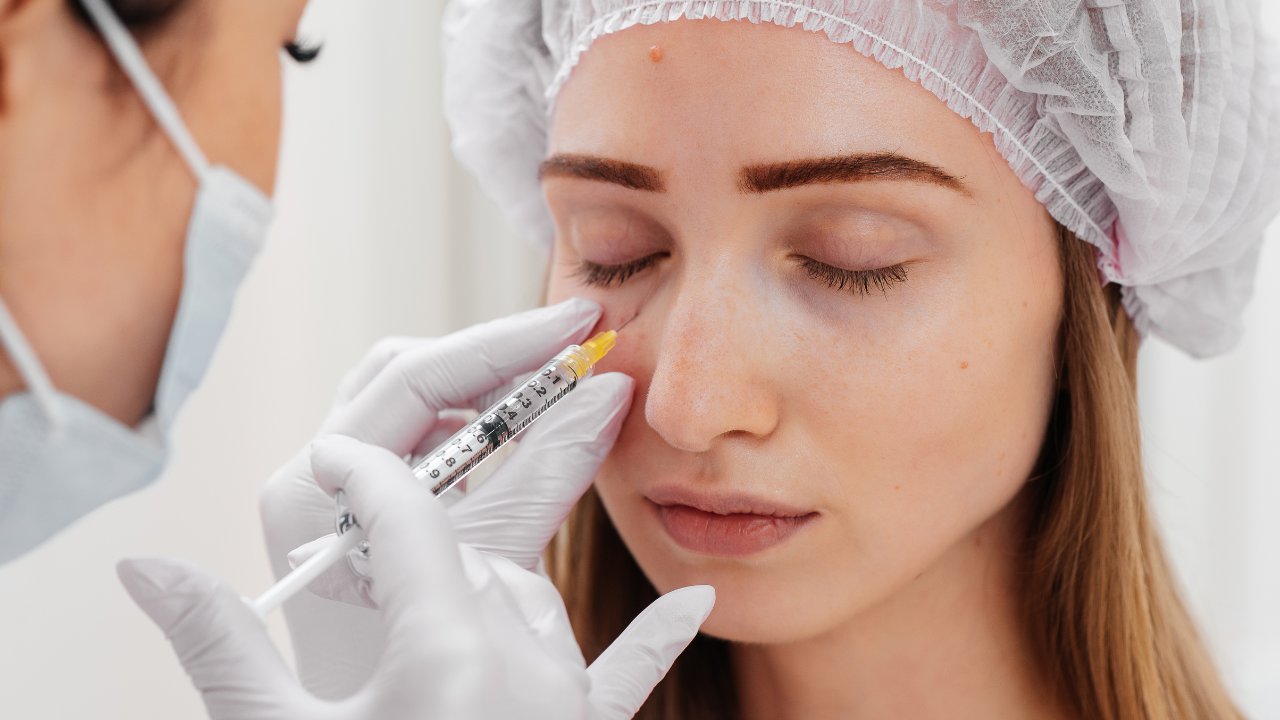
There’s no strong, direct clinical proof that caffeine “ruins” PRP results. Still, there are plausible reasons providers ask you to pause it: caffeine/coffee can influence platelet behavior and blood vessel tone, and hydration also matters during recovery. In simple terms, skipping caffeine around PRP is usually a low-effort precaution, especially if your clinician includes it in their protocol.
Key takeaways
- Coffee has been shown to reduce platelet aggregation in a controlled study, while caffeine alone didn’t show the same effect in that trial.
- Caffeine can produce vasoconstrictive effects (reduced blood flow) in human studies, which is one reason clinicians prefer minimizing variables during healing.
- Evidence on caffeine and wound healing is mixed (some anti-inflammatory effects, but also signals it may interfere with cell migration/epithelialization in certain models).
- “How long to avoid caffeine” isn’t a universal rule; some clinicians advise 3–5 days before and after as a conservative window.
- If you can’t stop caffeine, the safest move is to follow your provider’s aftercare and prioritize hydration.
What caffeine may change (and why providers mention it)
PRP relies on platelets activating and releasing growth factors at the treatment site. Research on coffee/caffeine shows platelet responses can shift depending on what you consume.
- In one crossover study, coffee drinking inhibited platelet aggregation, while caffeine alone did not. This suggests that coffee’s non-caffeine compounds (like phenolic acids) may be responsible for that antiplatelet effect.
- A 2024 review summarizes that coffee often shows antiplatelet activity, and that caffeine’s effects can be variable (dose, duration, and pathway matter).
Caffeine also affects blood vessels. Human research shows caffeine can reduce cerebral blood flow, reflecting its vasoconstrictive action through adenosine receptor pathways.
Finally, the wound-healing literature is not one-sided: a review notes that caffeine has antioxidant/anti-inflammatory effects, but also describes findings suggesting that caffeine may restrict specific processes, such as cell proliferation and migration (important for repair).
Bottom line: even if caffeine isn’t “forbidden,” many providers prefer you reduce it to avoid stacking variables that might affect platelet activity, circulation, or recovery.
When to avoid caffeine (before vs after PRP)
There isn’t a universal medical guideline that applies to every PRP protocol, and recommendations vary by clinic and by treatment area. Some clinicians advise a conservative pause of 3–5 days before and after PRP.
A practical way to think about timing:
- Before PRP: minimizing caffeine/coffee is aimed at keeping platelet behavior and hydration stable.
- After PRP: the goal is to support calm recovery and consistent circulation conditions while your body responds to the treatment.
If your provider gave you a specific window, that overrides generic advice.
Want the safest, simplest plan? Book a PRP Treatment Beverly Hills consultation and ask for a written “Do/Don’t” checklist that includes exactly when to pause caffeine for your specific PRP treatment.

Common mistakes (and fixes)
- Treating “caffeine” and “coffee” as identical
Fix: Coffee contains compounds beyond caffeine; research suggests coffee’s antiplatelet effects may be independent of caffeine in at least one study. - “I’ll just drink caffeine and skip water.”
Fix: If you must have caffeine, pair it with extra water and keep your overall hydration strong (dehydration is a common preventable recovery mistake). - Stopping caffeine abruptly and getting headaches, then blaming PRP
Fix: Taper down 2–3 days ahead if you’re a heavy caffeine user (or switch to half-caf/tea) so withdrawal doesn’t confuse your recovery. - Ignoring your provider’s protocol because the internet disagrees
Fix: PRP protocols vary; follow the instructions designed for your exact treatment method and area. - Using energy drinks “because it’s not coffee.”
Fix: Energy drinks can be high-caffeine plus other stimulants, which can often be worse than a small coffee from a recovery standpoint.
FAQs
1) Does caffeine reduce PRP effectiveness?
Direct PRP-specific studies are limited; one industry source notes that no clinical studies have proven that caffeine is detrimental to PRP, but it may still be a variable worth minimizing.
2) Is coffee different from caffeine for platelets?
In a crossover study, coffee inhibited platelet aggregation, while caffeine alone did not, suggesting coffee’s other compounds may drive that effect.
3) Why would vasoconstriction matter after PRP?
Caffeine can reduce blood flow through vasoconstrictive mechanisms; many providers prefer avoiding anything that might alter circulation during early healing.
4) How long should I avoid caffeine for PRP?
It varies. Some clinicians advise avoiding caffeine 3–5 days before and after as a conservative approach.
5) Can I have decaf coffee?
Decaf still has small amounts of caffeine. Many people use it as a compromise, but check your provider’s guidance if you’re on a strict protocol.
6) What should I drink instead?
Water is best. You can also use non-caffeinated herbal teas or electrolyte drinks (if appropriate for your health conditions).
7) If I accidentally drink caffeine after PRP, did I ruin my results?
Usually not. One serving is unlikely to “cancel” PRP, just go back to the plan, hydrate well, and follow your aftercare.
Sources
- Effect of coffee drinking on platelets: inhibition of aggregation and phenols incorporation (Br J Nutr, 2008) – PubMed
https://pubmed.ncbi.nlm.nih.gov/18439332/
- The Effects of Caffeine on Blood Platelets and the Cardiovascular System through Adenosine Receptors (Int J Mol Sci, 2024) – MDPI
https://www.mdpi.com/1422-0067/25/16/8905
- The effect of daily caffeine use on cerebral blood flow (Addicott et al., 2009) – PMC
https://pmc.ncbi.nlm.nih.gov/articles/PMC2748160/
- The effects of caffeine on wound healing (review) – PMC
https://pmc.ncbi.nlm.nih.gov/articles/PMC7950075/
- Clinical guidance example: “avoid caffeine 3–5 days before and after PRP” (Dr. Michele Green, MD)
https://www.michelegreenmd.com/why-no-caffeine-after-prp
- Industry note on lack of PRP-specific caffeine trials (PRP Labs blog)
https://prplabs.com/blog/should-you-avoid-caffeine-after-prp-therapy/