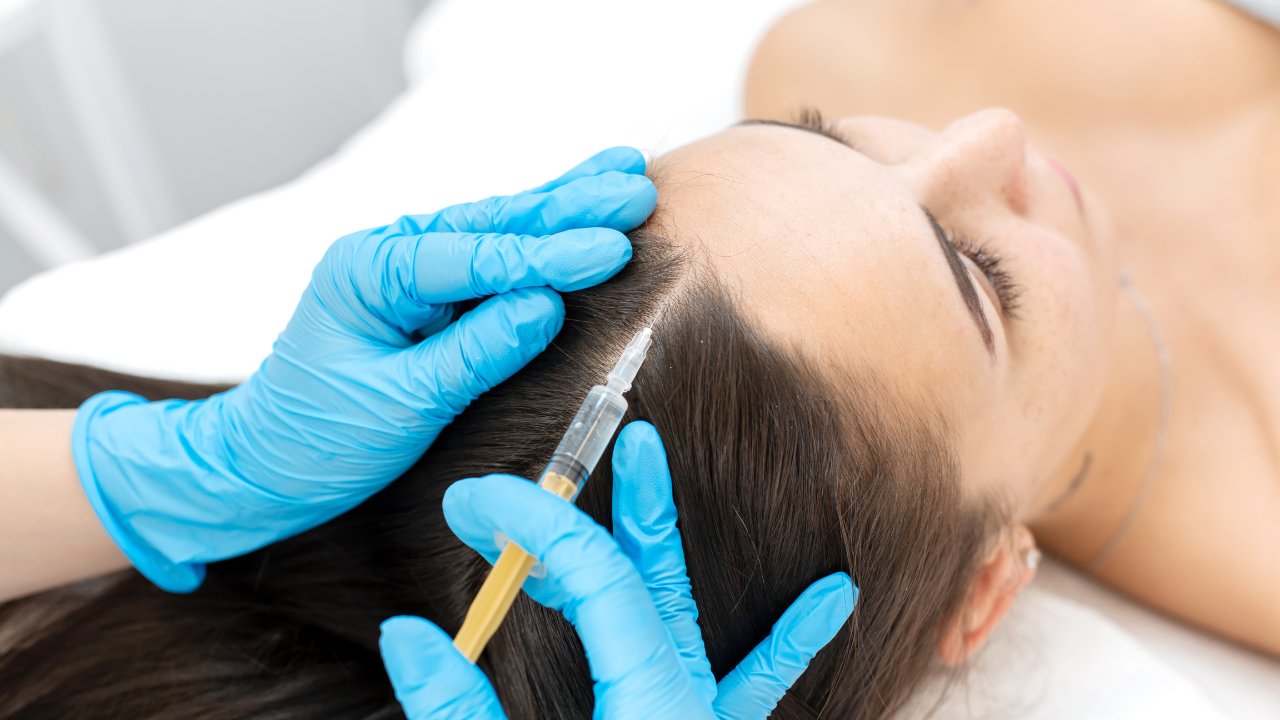
PRP (platelet-rich plasma) for hair can be an effective, well-tolerated option for androgenetic alopecia (pattern hair loss), often improving hair density in studies, but outcomes depend heavily on protocol, consistency, and what you do between sessions.
The biggest “multiplier” is simple: protect the scalp after treatment, correct any nutrient deficiencies, and use proven topicals (like minoxidil) when appropriate and clinically safe.
Key takeaways
- PRP has supportive evidence for pattern hair loss, but protocols vary, and results aren’t instant.
- Aftercare matters: avoid heat, sweat, harsh chemicals, smoking, and heavy sun early on to reduce irritation and protect follicles.
- Supplements help most when they correct a real deficiency (iron, vitamin D, zinc), not when taken blindly.
- Minoxidil can help the hairline, but responses vary, and it requires ongoing use.
- Women’s Rogaine (minoxidil) is FDA-labeled for regrowth on the top of the scalp and needs consistent use for months.
How PRP supports hair growth
PRP concentrates platelets that release growth factors involved in tissue repair. In hair-loss studies and reviews, PRP is generally discussed as a regenerative approach that can improve hair density/thickness in androgenetic alopecia. However, the field still needs more standardized protocols.
What that means for patients:
- PRP is usually best for thinning (miniaturizing follicles), not for slick-bald areas.
- Progress is gradual; most plans involve a series of sessions, then maintenance.
Supplements that pair well with PRP (when they’re actually needed)
Hair is sensitive to nutrition, but more pills aren’t always better. Over-supplementing specific nutrients can even contribute to hair loss.
A practical approach:
- Test first if you can (ferritin/iron status, vitamin D, thyroid, B12 when clinically indicated). Nutrient abnormalities are commonly evaluated in hair-loss workups.
- Focus on evidence-linked gaps:
- Iron/ferritin: Iron deficiency is a well-known contributor to shedding in some people.
- Vitamin D deficiency is frequently discussed in hair-loss literature and clinical evaluations.
- Zinc deficiency is also associated with hair issues in nutrition/hair-loss reviews.
- Be cautious with “hair gummies” that stack high doses of multiple vitamins, especially if you’re already replete.
Want a plan that actually matches your thinning pattern? Book a hair restoration consultation to get a PRP schedule, a personalized aftercare checklist, lab testing for deficiencies, and guidance on whether minoxidil/Rogaine fits your hairline goals.
Does Minoxidil work on hairline restoration?
Minoxidil can work on the hairline, but it’s less predictable than crown regrowth for many people, and it requires consistent use for months before you can judge response.
Mechanistically, minoxidil helps keep hair in the growth phase longer and supports thicker regrowth over time.
Best-practice expectations:
- Plan for 3–6 months to see early changes; a fuller assessment is often closer to 12 months.
- If you stop, gains commonly fade. Think of it as “maintenance,” not “cure.”
- Application guidance varies by product/sex; the ISHRS summarizes typical use patterns (including that it can be applied to the anterior hairline/temples).
Does Rogaine for women work?
Women’s Rogaine is topical minoxidil and is FDA-labeled as a hair regrowth treatment for women; the labeling describes use for regrowing hair on the scalp and includes important safety directions. For female pattern hair loss, the American Academy of Dermatology (AAD) includes minoxidil as a commonly used option and notes key precautions (including pregnancy/breastfeeding).
What to know before starting:
- Expect a months-long runway (not days).
- Mild scalp irritation can happen; correct application reduces problems.
- Avoid during pregnancy/breastfeeding unless your clinician specifically advises otherwise.
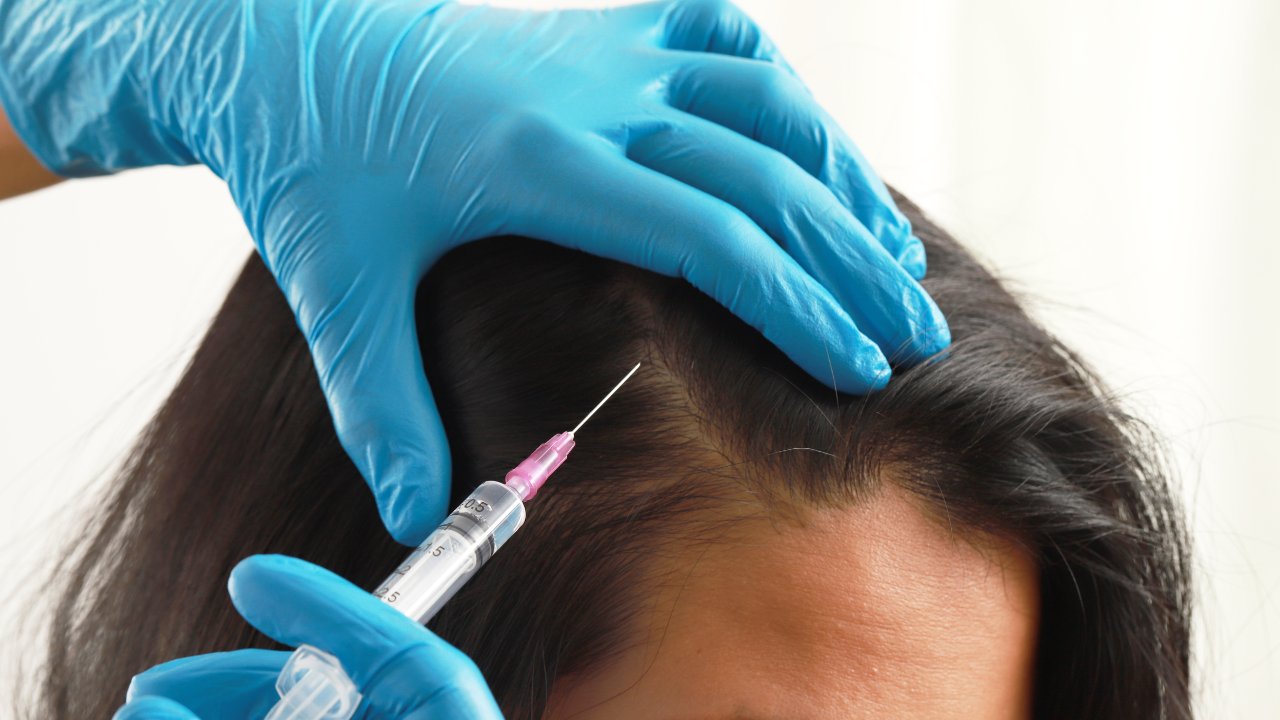
What to avoid after PRP hair treatment
Early aftercare focuses on keeping the scalp calm and clean while avoiding anything that could increase irritation or inflammation.
Avoid:
- Harsh chemical products and alcohol-heavy styling products
- Heat styling and hot environments (sauna/hot tubs)
- Strenuous exercise for a short window (sweat/heat can irritate)
- Swimming (chlorine/salt can dry and irritate)
- Direct sun exposure on the scalp
- Alcohol and smoking (both can impair recovery behaviors and circulation)
Do instead:
- Use gentle washing (lukewarm water, mild shampoo)
- Keep hydration and protein intake steady
- Follow your clinic’s schedule for when to restart minoxidil or other actives (timing can vary)
FAQs
1) How soon will I see PRP hair results?
Most people won’t see meaningful change immediately; hair growth cycles take time. PRP studies generally evaluate outcomes over weeks to months, and protocols vary.
2) Can PRP be combined with minoxidil?
Often, yes, combination approaches are commonly discussed in practice. Minoxidil has an evidence base for hair disorders and is frequently used alongside other therapies, but timing should follow your provider’s plan.
3) Does minoxidil help temples and hairline?
It can, though outcomes are variable. The ISHRS notes minoxidil may be applied to areas including the anterior hairline/temples.
4) How long until Rogaine works for women?
Many users see early changes around 3–6 months, and fuller evaluation can take longer; consistent use is essential.
5) Which supplements matter most for hair?
Supplements are most useful when correcting deficiencies; commonly discussed ones include iron/ferritin, vitamin D, and zinc.
6) Can too many supplements cause hair loss?
Yes. Over-supplementation of certain nutrients (including some vitamins/minerals) has been linked with hair loss in medical reviews.
7) Who should not use topical minoxidil?
The AAD advises women who are pregnant, planning pregnancy, or breastfeeding should avoid minoxidil. People with scalp disease or medical conditions should check with a clinician.
8) What’s the #1 aftercare rule after PRP hair treatment?
Keep the scalp clean, cool, and low-irritation early on—avoid heat, sweat, harsh products, and anything that inflames the scalp.
Sources
- PRP for androgenetic alopecia meta-analysis (Aesthetic Plastic Surgery, 2024)
https://link.springer.com/article/10.1007/s00266-023-03482-0
- Platelet-Rich Plasma in the Management of Alopecia (Review, 2025) – PMC
https://pmc.ncbi.nlm.nih.gov/articles/PMC12550094/
- Minoxidil and its use in hair disorders: a review (2019) – PMC
https://pmc.ncbi.nlm.nih.gov/articles/PMC6691938/
- American Academy of Dermatology – Female pattern hair loss (minoxidil precautions)
https://www.aad.org/public/diseases/hair-loss/types/female-pattern
- International Society of Hair Restoration Surgery (ISHRS) – Minoxidil patient guidance
https://ishrs.org/patients/treatments-for-hair-loss/medications/minoxidil/
- FDA label – Women’s Rogaine (minoxidil) (2019 PDF)
https://www.accessdata.fda.gov/drugsatfda_docs/label/2019/021812Orig1s014lbl.pdf
- Diet and hair loss: nutrient deficiency and supplement use (2017) – Dermatology Practical & Conceptual
https://dpcj.org/index.php/dpc/article/view/dermatol-pract-concept-articleid-dp0701a01/283
- Hair loss labs/nutrient discussion including vitamin D/iron/zinc (2024) – PMC
https://pmc.ncbi.nlm.nih.gov/articles/PMC11626366/