
Yelp Logo

CALL US NOW +1-844-669-0939

PRP Injection Side Effects and Recovery Timeline

Most PRP (platelet-rich plasma) injections cause temporary, local reactions like soreness, swelling, redness, and bruising, usually strongest in the first couple of days. In clinical facial-PRP studies, these effects are common and typically short-lived.


More serious complications are uncommon, but any injection can carry risks like infection, tissue damage, or nerve injury, so choosing a qualified provider and following aftercare matters.

Key takeaways

  • Most common: soreness, swelling (edema), redness, bruising.
  • Typical swelling window: often improves within a few days, and many people see a noticeable reduction by about a week.
  • Rare but important risks: infection, tissue damage, nerve injury.
  • Safety depends heavily on technique + sterility (avoid unlicensed/unhygienic settings).
  • Call a clinician urgently for fever, spreading redness, worsening severe pain, drainage, chest pain, or breathing trouble.

PRP in short

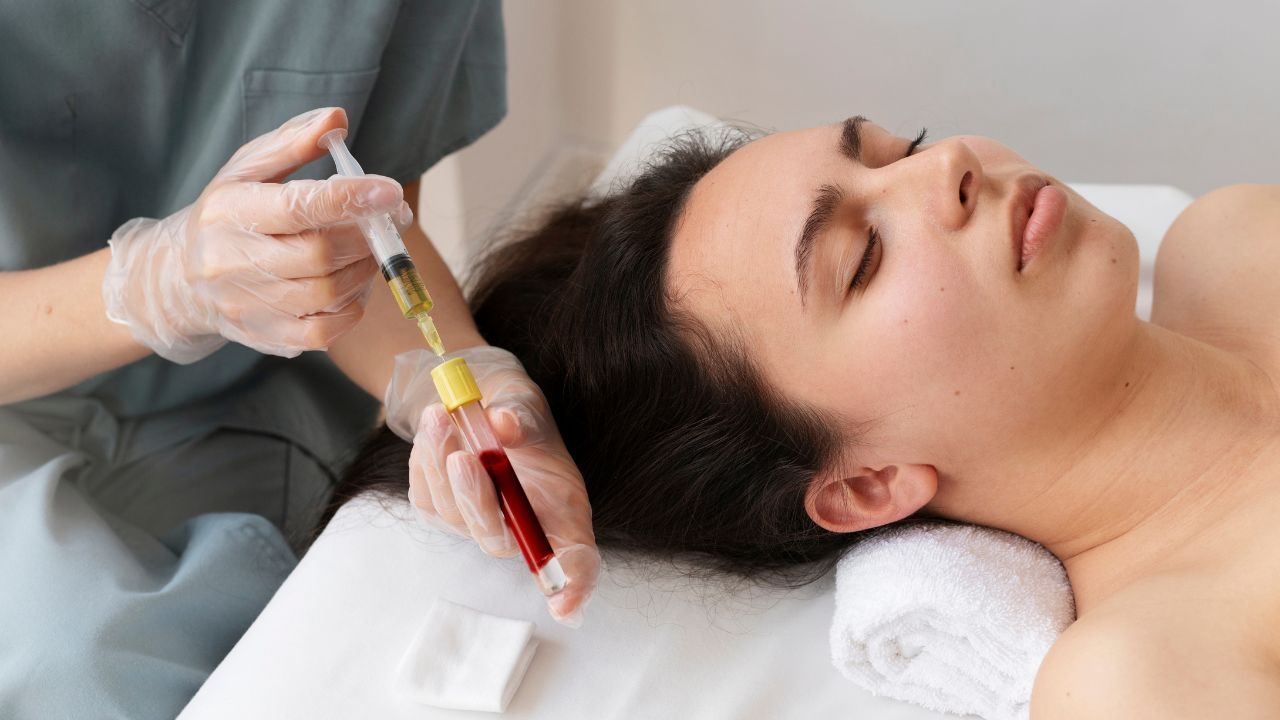
PRP is platelet-rich plasma made from your own blood. A small blood sample is processed to concentrate platelets (which release growth factors), and the PRP is then applied or injected into a targeted area.

Because it’s autologous (from you), the risk of true allergy is generally lower than that of many other injectables. However, reactions can still happen due to topical products, numbing agents, or prep materials.

Who it’s for (common use cases)

People seeking PRP for skin rejuvenation (texture, tone, fine lines) or targeted recovery where a licensed clinician offers PRP.

Who it may not be recommended for (examples)
PRP isn’t recommended for everyone. For cosmetic PRP rejuvenation, the American Academy of Dermatology lists conditions where PRP is not recommended (e.g., Hepatitis C, HIV/AIDS, certain blood cancers, some cardiovascular disease requiring blood thinners, skin cancer in the treatment area).
Your provider should also screen for bleeding risks, infections at the treatment site, and medications that affect clotting.

How it works

Use this simple checklist to explain the process on-page:

  1. Blood draw
  2. Centrifuge (spin) the blood to separate components
  3. Collect PRP (platelet-rich portion)
  4. Prep the skin/area (cleaning; sometimes topical numbing)
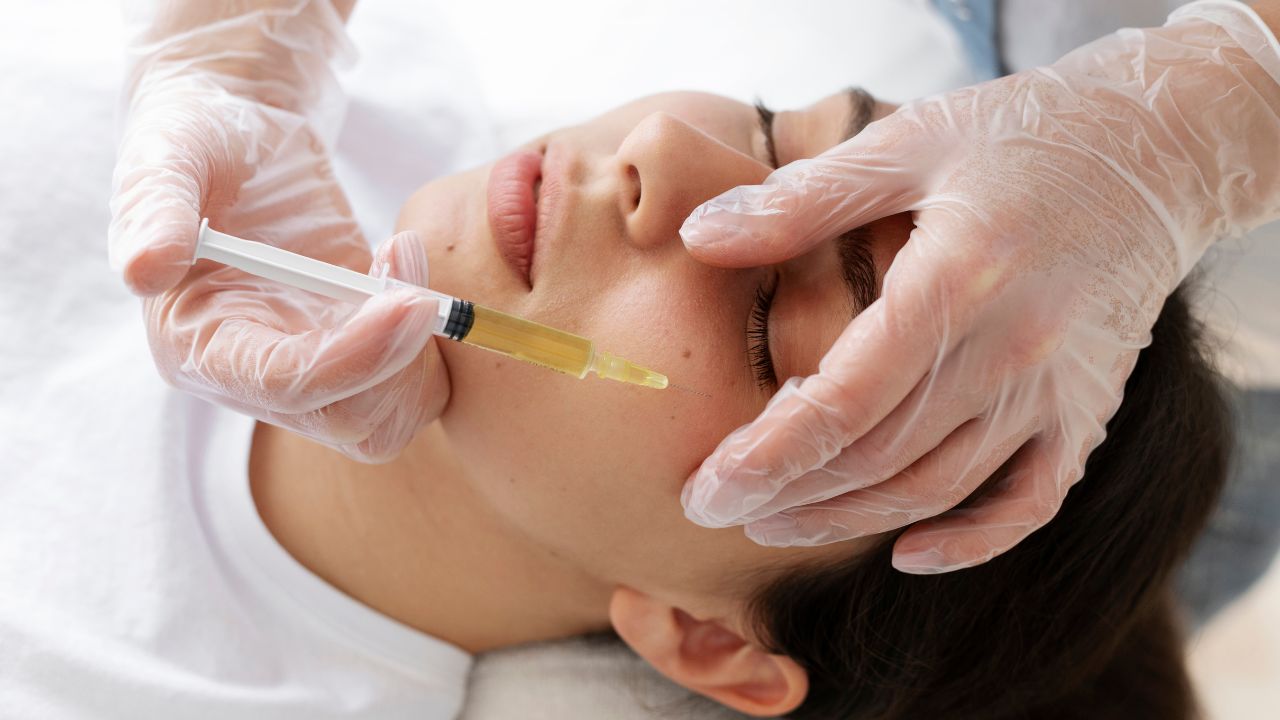
  5. Inject or apply PRP to the treatment area
  6. Recovery + aftercare (first 48 hours is usually the “peak reaction” window)

What “recovery” usually looks like

  • Day 0–2: most noticeable redness/swelling/soreness is common
  • Day 3–7: swelling often settles for many people (varies by area and sensitivity)
  • Up to ~2 weeks: mild lingering effects can occur, but most reported side effects in reviews are transient and resolve within this window

Want the safest experience and the smoothest recovery? Book a consultation with PRP Treatment Beverly Hills and ask for a written aftercare checklist tailored to your treatment area, medications, and risk factors.
 

PRP Injection Side Effects and Recovery Timeline

Common mistakes (and fixes)

Mistake: Treating PRP like “no downtime” and overdoing activity immediately
Fix: Keep activity light at first; follow your provider’s exact timeline (many recommend avoiding strenuous exercise for at least 24–48 hours).

Mistake: Heat exposure too soon (sauna, hot showers, steam rooms, heavy sun/heat)
Fix: Avoid heat early on. Heat can worsen swelling and redness while your skin is already reactive.

Mistake: Rubbing or massaging the area (especially under the eyes)
Fix: Don’t rub, press, or massage unless your clinician specifically instructs it.

Mistake: Using random products because “TikTok says so.”
Fix: Keep skincare simple and gentle until irritation calms down.

Mistake: Choosing a cheap, unlicensed, or sloppy setting
Fix: PRP involves blood handling and injection technique. A CDC investigation documented likely transmission of a bloodborne infection linked to unsafe practices in an unlicensed setting.

Mistake: Ignoring warning signs
Fix: Contact a clinician urgently if you have fever/chills, spreading redness, drainage, rapidly worsening pain, chest pain, or breathing difficulty.

FAQs

1) What are the most common PRP side effects?

The most commonly reported symptoms are temporary redness, swelling (edema), bruising, and soreness.

2) How long does swelling last after PRP injections?

In facial PRP research, edema typically lasts 1 to 7 days in many participants, though it varies by person and thearea treated.

3) Why does PRP cause swelling?

PRP is intended to trigger a controlled healing response. Local inflammation is a normal part of that process, which is why swelling and redness are common early effects.

4) Is bruising normal after PRP injections?

Yes. Bruising is frequently reported in clinical studies and generally resolves on its own.

5) Can PRP cause infection?

It’s uncommon, but infection is a known potential risk of PRP injections (as with other injections).

6) What are the signs of infection vs normal inflammation?

Normal: mild redness/tenderness that improves over days.
Concerning: fever, worsening pain, spreading redness, drainage, and feeling unwell.

7) Can PRP cause nerve injury?

It’s listed as a possible (less common) risk, similar to other injection-based treatments.

8) Who should avoid cosmetic PRP rejuvenation?

AAD notes PRP isn’t recommended for certain conditions (e.g., Hepatitis C, HIV/AIDS, certain blood cancers, some cardiovascular disease requiring blood thinners, and skin cancer in the area).

9) Is under-eye swelling after PRP different?

Often yes. Under-eye skin is thin and reactive, so swelling can look more dramatic and take longer to settle, even when it’s normal.

10) How can I reduce swelling safely?

Follow your provider’s plan. In many cases, clinicians recommend gentle aftercare (rest, keeping the area clean, avoiding heat/exertion, and simple soothing measures) while the reaction settles.

11) When should I call my provider after PRP?

If symptoms worsen instead of improving, especially fever, spreading redness, drainage, severe pain, chest pain, or breathing difficulty.

12) Are PRP side effects usually short-term?

Yes. Reviews of PRP in aesthetic/dermatologic contexts commonly describe adverse effects (burning/erythema/swelling/ecchymosis) as transient, resolving within days to 2 weeks in most cases.

Sources

1) Alam M, et al. Effect of Platelet-Rich Plasma Injection for Rejuvenation of Photoaged Facial Skin: A Randomized Clinical Trial. (JAMA Dermatology, 2018) – full text (PMC)

https://pmc.ncbi.nlm.nih.gov/articles/PMC6583756/


2) Johns Hopkins Medicine — Platelet-Rich Plasma (PRP) Injections (risks include bleeding, tissue damage, infection, nerve injuries)

https://www.hopkinsmedicine.org/health/treatment-tests-and-therapies/plateletrich-plasma-prp-treatment


3) American Academy of Dermatology — PRP rejuvenation: who it’s not recommended for

https://www.aad.org/public/cosmetic/younger-looking/platelet-rich-plasma-secret-to-younger-skin


4) Banihashemi M, et al. Platelet-rich plasma use for facial rejuvenation: clinical trial + review (edema/bruising lasted 1–7 days in many participants) (Acta Biomed, 2021) – full text (PMC)

https://pmc.ncbi.nlm.nih.gov/articles/PMC8182581/


5) Lin MY, et al. Progress in the Use of Platelet-rich Plasma in Aesthetic and Dermatological Medicine (2020) – full text (PMC)

https://pmc.ncbi.nlm.nih.gov/articles/PMC7595356/


6) CDC MMWR (Apr 25, 2024). Investigation of Presumptive HIV Transmission Associated with PRP + microneedling facials at an unlicensed spa (infection-control warning)

https://www.cdc.gov/mmwr/volumes/73/wr/mm7316a3.htm

Managing Side Effects Post PRP Injections: Expert Tips

Imagine the excitement of embarking on a journey toward rejuvenation and healing with Platelet-Rich Plasma (PRP) injections.

You’ve done your research and understand the benefits, but what about the potential side effects? It’s like standing at the edge of a swimming pool, intrigued by the sparkling water but wary of the unknown depth. The solution? Equip yourself with knowledge.

Let’s dive into the world of PRP injections, understand the possible side effects, and, most importantly, arm ourselves with expert tips on managing these effects post-treatment. Remember, every successful journey begins with a well-informed traveler.

Let’s take this journey together, understanding and navigating the side effects of PRP injections, ensuring a smooth, beneficial experience.

Common PRP Injection Side Effects

Regarding PRP injections, the treatment involves using your body’s cells, significantly reducing the risk of complications. However, as with any procedure, there can be side effects. Understanding these common side effects can prepare you better for what to expect post-procedure.

Mild Pain and Discomfort

One of PRP injections’ most common side effects is mild pain or discomfort in the area where the injection was administered. This is a natural response of the body to any invasive procedure.

Swelling

Swelling is another common side effect that can occur after a PRP injection. This is typically a result of the body’s inflammatory response, which is part of the healing process initiated by PRP.

Redness and Warmth

Post-PRP injection, you may also notice some redness and warmth in the treated area. Again, this is a natural response of the body’s immune system.

Bruising

As the PRP treatment involves drawing blood and injections, it is possible to experience some bruising. The extent of bruising can vary based on skin sensitivity and blood clotting efficiency.

Uncommon but Possible Side Effects

While PRP injections generally have a good safety profile, it’s important to acknowledge some less familiar but potential side effects. Awareness of these can ensure you’re fully informed about the treatment.

Allergic Reaction

Allergic reactions to PRP injections are infrequent, given that the treatment uses your blood. However, reactions can occasionally occur due to sensitivity to the anesthetic used during the procedure.

Infection

Infection is a rare but possible side effect of PRP injections, as with any procedure that involves penetrating the skin. Proper sterilization practices and aftercare can significantly reduce this risk.

Nerve Damage

In sporadic cases, if the injection is not administered properly, there can be damage to the nerves. This emphasizes the importance of getting your PRP treatment from a qualified, experienced healthcare provider.

Consult for PRP Therapy with M.D. $450 
Apply Fee For Consult To Treatment Package 
Order of labs & imaging 
  • PRP Therapy Promotion Including Consult $1000 
  • Package Of 3 PRP Therapy Sessions, Includes Consultation +$2,700.00
  • 15 year experience providing PRP therapies 
  • 4 tubes of PRP used, Over 10 to 15 cc of PRP obtained 
  • 4 mixture numbing cream  
  • 6 injectors used for hair treatments
  • 15+ Years Experience 
PRP Treatment & Therapy Specialist Beverly Hills - David Nazarian

Blood Clots

Though very rare, there is a slight risk of forming a blood clot after a PRP injection. This risk is typically higher in individuals with certain underlying health conditions.

How to Manage Common Side Effects

While side effects post-PRP injections are typically minor, having a few tricks up your sleeve is always beneficial to manage them effectively. Here are some expert tips:

Managing Mild Pain and Discomfort

Over-the-counter pain medication can help manage any discomfort after your PRP treatment. It’s important to avoid anti-inflammatory drugs like ibuprofen, as they can interfere with the healing response that PRP is designed to stimulate.

Controlling Swelling

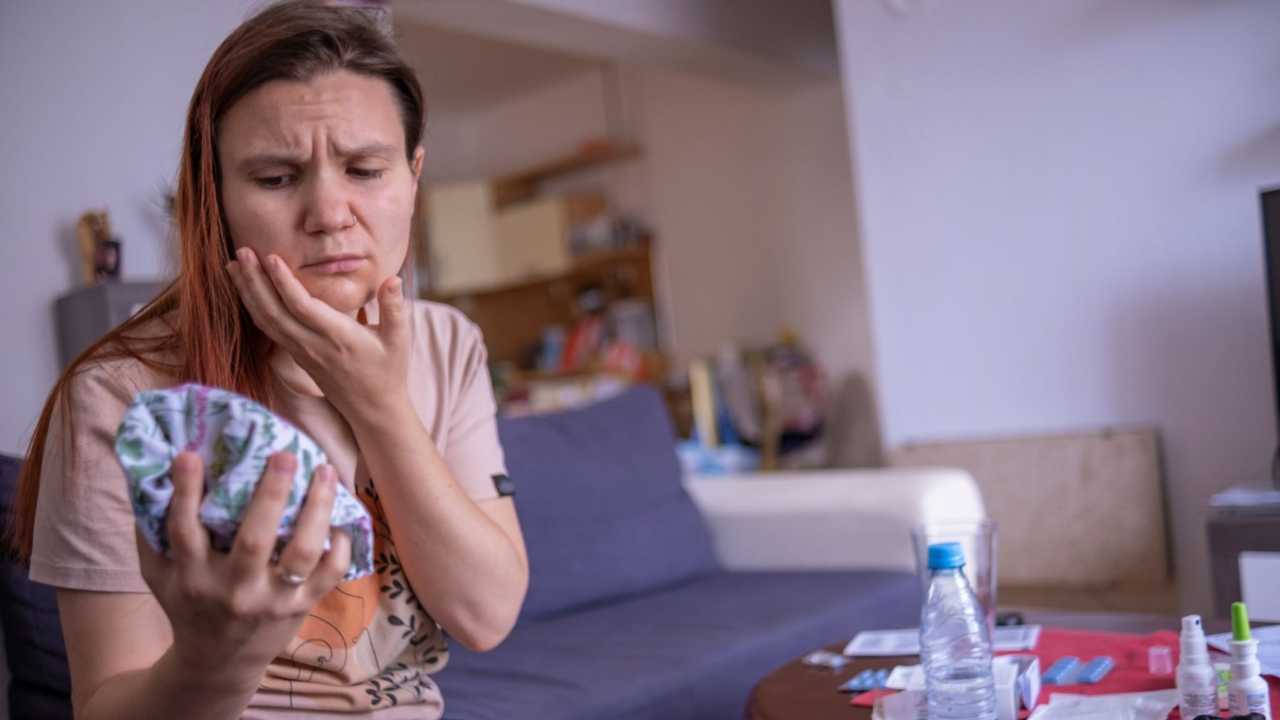
Applying a cold pack to the treated area can help control swelling. Remember to wrap the ice pack in a cloth before applying it to your skin. Gentle compression with a wrap or bandage can also reduce swelling.

Reducing Redness and Warmth

A gentle, cooling gel or cream can help soothe the area and reduce redness and warmth. Avoid hot baths or showers for the first 24 hours after treatment, as heat can exacerbate these symptoms.

Minimizing Bruising

Arnica, a homeopathic remedy, can be effective in reducing bruising. Apply arnica cream or gel to the treated area as directed by your healthcare provider. Also, avoid strenuous activities for a few days post-treatment to allow your body to heal.

How to Manage Uncommon Side Effects

Uncommon side effects of PRP injections, while rare, should be handled with care. Here are some tips on how to manage these side effects should they occur:

Dealing with Allergic Reactions

In the rare event of an allergic reaction, antihistamines can help alleviate symptoms such as itching, redness, or swelling. It is crucial to contact your healthcare provider immediately if you suspect an allergic reaction.

Preventing and Managing Infections

To prevent infection, follow the aftercare instructions given by your healthcare provider closely. This may include cleaning the injection site with a mild antiseptic solution. Contact your healthcare provider immediately if you notice signs of infection, such as increasing redness, swelling, or pus.

Addressing Nerve Damage

Nerve damage from PRP injections is infrequent but should be treated immediately if it occurs. If you experience numbness, tingling, or loss of movement in the treated area, contact your healthcare provider.

Recognizing and Handling Blood Clots

Blood clots following PRP injections are very rare. If you notice severe pain, swelling, warmth, or redness in the treated area or experience symptoms such as chest pain or difficulty breathing, seek medical attention immediately.

Preventing Side Effects: Best Practices Before and After PRP

Understanding how to prevent potential side effects can make your PRP treatment experience smoother and more comfortable. Here are some best practices to follow before and after your PRP procedure:

Before Your PRP Procedure

  • Hydrate: Ensure you are well-hydrated before your PRP procedure. This can help with blood draws and improve your overall experience.
  • Avoid Certain Medications: Some medications can increase the risk of bruising and bleeding. Your healthcare provider will guide you on which ones to avoid.
  • Maintain a Healthy Lifestyle: A balanced diet and regular exercise can promote overall health and enhance your body’s healing response.

After Your PRP Procedure

  • Rest: Give your body time to heal by taking it easy for a few days post-treatment. This can minimize swelling and bruising.
  • Follow Aftercare Instructions: Your healthcare provider will provide detailed aftercare instructions. Adherence to these can prevent infection and facilitate your recovery.
  • Stay Hydrated and Nourished: Proper hydration and nutrition support healing.
  • Avoid Excessive Sun and Heat Exposure: Too much sun and heat can exacerbate swelling and redness. Avoid these, especially in the first few days after your PRP treatment.

When to Seek Medical Attention

While most side effects of PRP injections are mild and manageable at home, there are times when you should seek medical attention. Here’s what you should look out for:

Worsening Pain

If pain at the injection site gets worse over time or doesn’t improve with over-the-counter pain relievers, you should consult your healthcare provider. This could indicate an infection or other complication.

Increasing Swelling or Redness

While some swelling and redness are normal, if these symptoms increase or persist over a few days, it may be a sign of infection. Don’t hesitate to contact your healthcare provider.

Fever

Fever isn’t a typical side effect of PRP injections and could indicate an infection. If you have a fever after your PRP treatment, seek medical attention promptly.

Difficulty Breathing or Chest Pain

Difficulty Breathing or Chest Pain - PRP Treatment

Though extremely rare, if you experience difficulty breathing or chest pain, seek immediate medical attention, as these could be symptoms of a severe allergic reaction or a blood clot.

Conclusion

PRP injections are a remarkable tool in regenerative medicine, with their potential to rejuvenate and heal. While the journey may include minor bumps like side effects, understanding these and tips to manage them can ensure a smoother, more comfortable experience.

Every journey is unique, and everybody responds differently. You’re not just a passive passenger in this journey; you’re the co-pilot.

The power to navigate lies in your hands – in your understanding, questions, and choices. With knowledge and support from your healthcare provider, you’re well-equipped to manage any side effects and make the most of your PRP treatment journey.

Happy healing!