
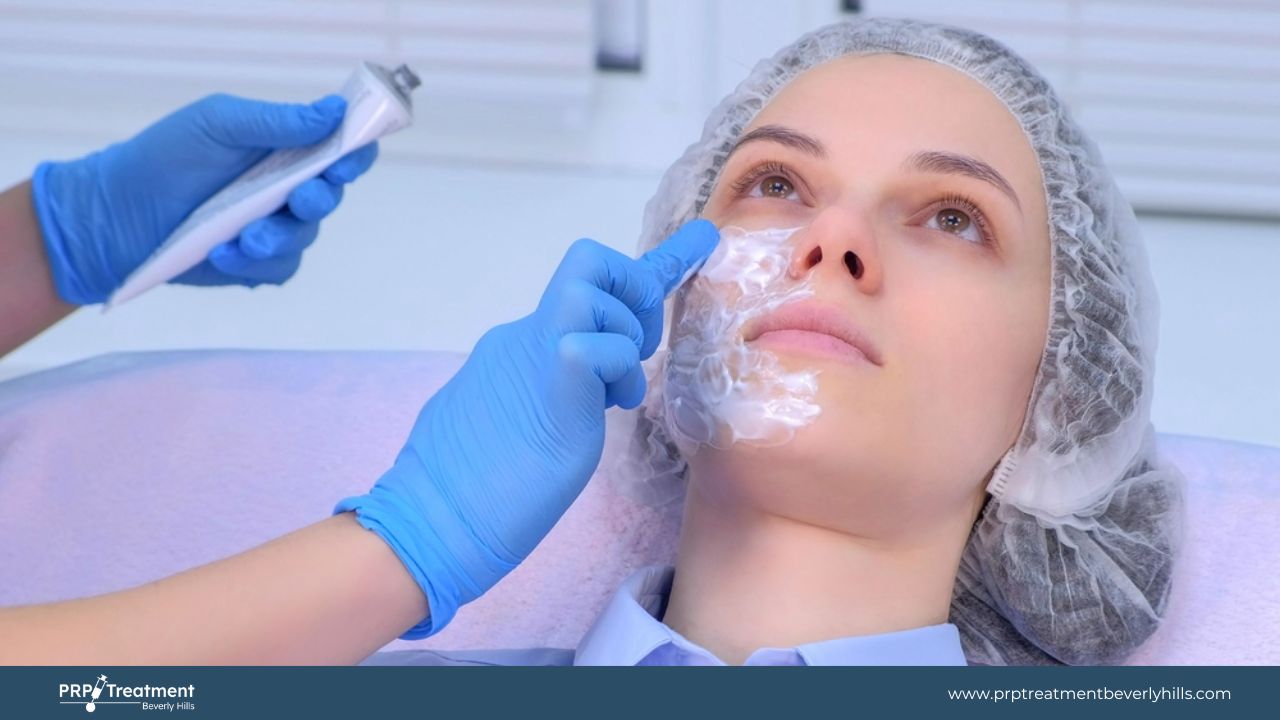
Quick answer: Topical lidocaine is commonly used before PRP injections to reduce discomfort. The safest product and concentration depend on the treatment area, amount applied, skin condition, application time, and whether the area is covered. High-concentration numbing creams can cause serious toxicity if misused.
PRP injections are used for selected orthopedic, hair-loss, and aesthetic indications. Injection discomfort varies by treatment site and technique, and topical anesthetics may be used when appropriate to improve comfort.
Fortunately, numbing creams are available that can help numb the skin during the injection process. Some are topical, while others are prescription-based- so you should talk to your doctor before putting anything on! Remember, there are side effects of such creams too!
Let’s have a look at a few that work well!
PRP With Numbing Creams
The good news is that this procedure doesn’t have to be as painful as you think! Many numbing creams are on the market, with different benefits and side effects. Here’s a look at some popular types of numbness creams, what they do, and their potential risks.
- Lidocaine: Topical lidocaine is commonly used to reduce procedure discomfort, but concentration, application area, duration, and whether the skin is covered all affect absorption and safety. High-concentration or improperly used products can cause serious systemic toxicity, including cardiac and neurologic effects.
- Benzocaine: Benzocaine is a topical anesthetic, but it is not simply a weaker substitute for lidocaine. It has a recognized risk of methemoglobinemia, a potentially serious reduction in the blood’s oxygen-carrying capacity.
- Tetracaine: Tetracaine is a potent local anesthetic used in some topical preparations. Onset and duration depend on formulation and application. Because systemic absorption and toxicity are possible, it should be used according to clinician or product-specific guidance rather than a fixed timing rule.
How to Make PRP Less Painful?
PRP injections are a quick procedure that usually only takes a few minutes. The numbing cream is applied to the area where you will be receiving the injection. A topical anesthetic may also be used on the surface to help with any discomfort.
Topical anesthetic preparations may contain agents such as lidocaine, benzocaine, tetracaine, or combinations. They are generally applied before a procedure; the appropriate product, concentration, area, and application time should be determined by the treating clinician or product instructions.
Can Scalp Numbing Cream Be Used As Face Numbing Cream For PRP?
Scalp numbing cream can be used as face numbing cream for PRP injections to help ease the pain of the process. While scalp numbing cream typically contains a topical anesthetic, it is not the same as the numbing creams specially formulated for the face.
Medically reviewed by David Nazarian, MD — Board Certified in Internal Medicine and Medical Director of PRP Treatment Beverly Hills.
Topical anesthetic safety depends on the drug, concentration, treatment area, amount applied, application time, skin condition, and whether the area is covered. Do not use high-concentration numbing products or apply them to large, irritated, or broken areas unless specifically directed by a qualified clinician.

Side Effects of Numbing Creams
While applying numbing cream can effectively decrease pain, it may lead to some adverse effects.
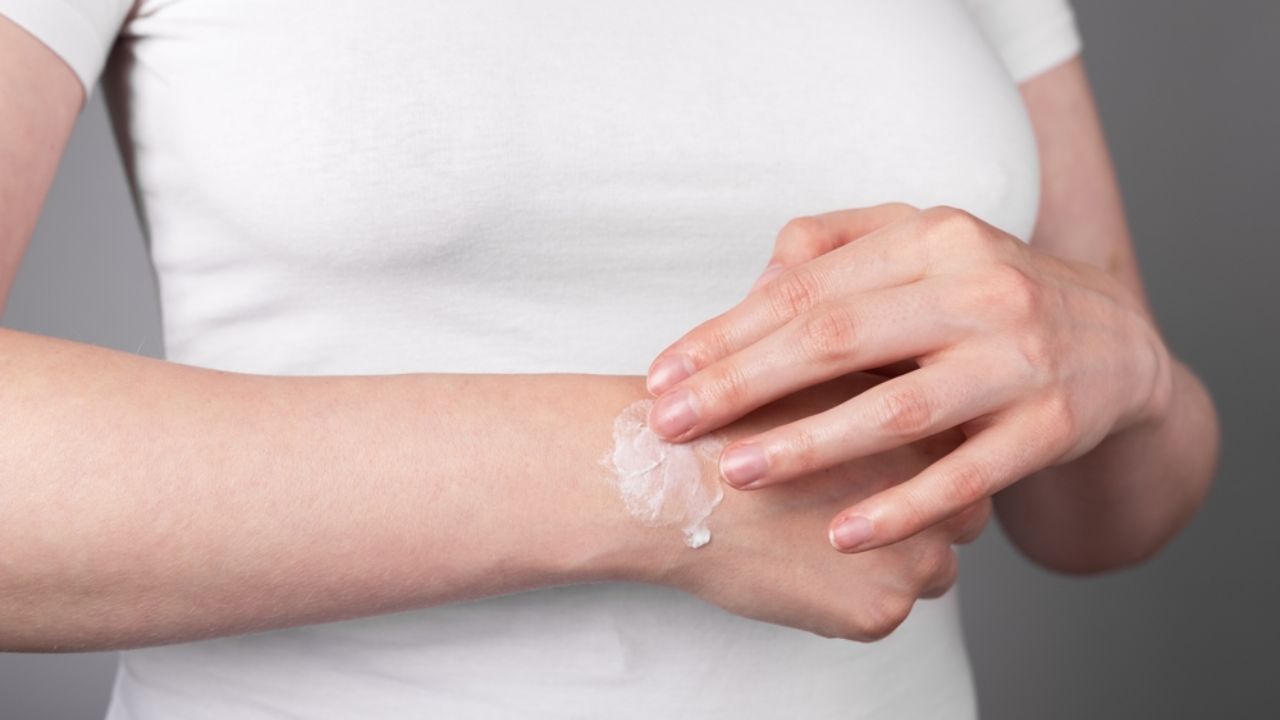
Numbness is a PRP numbing cream’s most common side effect, but some people may experience burning or itching sensations. These adverse effects may include skin irritation, redness, swelling, dry or sensitive skin, hives, or rash.
If you are going through a numbing cream treatment with a physician or doctor, ask if any of these side effects will occur.
FAQ
Can numbing cream work on scalp PRP?
Numbing cream can be a great way to reduce the pain associated with a PRP injection. It works by numbing the injected area, which will also help you feel less pressure. You can also use it to numb your scalp before getting a hair PRP procedure.
What types of numbing creams for PRP are available in the market?
The two leading numbing creams available today are topical anesthetic and nerve-blocking agents. Topical anesthetic creams decrease pain signals to the brain, while nerve-blocking agents interfere with nerve function by targeting specific receptors.
How to get rid of pain after PRP at home?
Menthol has been shown to relieve minor soreness and pains after the procedure. It can also ease muscle aches, headaches, and sore throats. You can also use ice packs to alleviate soreness or redness after PRP procedures.
Final Thought
Numbing cream can help decrease the pain associated with PRP injections and help you get through the procedure without feeling sore afterward.
There is no single “best” numbing cream for every PRP procedure. The appropriate anesthetic and technique depend on the treatment area, expected discomfort, medical history, medication interactions, and clinician judgment. For a broader overview, see our PRP pain and numbing guide.