Medically reviewed by David Nazarian, MD — Board Certified in Internal Medicine and Medical Director of PRP Treatment Beverly Hills.
Before PRP treatment, your clinician should review your diagnosis, medications, bleeding risk, platelet-related conditions, active infections, major medical illnesses, and the treatment site. These factors may change candidacy, timing, or aftercare.
Blood and Platelet Disorders
Conditions that affect platelet count or function, clotting, or bleeding can alter PRP candidacy and procedural risk. Examples include thrombocytopenia, significant platelet dysfunction, hemophilia, or other hematologic disorders. These should be discussed before treatment.
Active Infection or Significant Illness
Active infection near the treatment site or a significant systemic infection may be a reason to postpone PRP. Chronic or complex infections, immunosuppression, and other major illnesses may require coordination with the treating specialist.all platelets to work in the target tissue.
Medications That Affect Bleeding or Platelet Function
Anticoagulants, antiplatelet drugs, NSAIDs, supplements, and other medications can affect bleeding risk or platelet function. Do not stop a prescribed medication on your own; review all medicines and supplements with the clinician performing PRP and, when appropriate, the prescribing physician.
Cancer, Hematologic Disease, or Immunosuppression
If you’re suffering from any blood disorder that increases bleeding risk or clots blood, then you might not be a suitable candidate for PRP therapy. These conditions include Hemophilia, where the blood does not clot properly, thus increasing the chances of bleeding, or thrombocytopenia, where the platelet count is low and increased bleeding chances are high. Apart from this, if you have a clotting disorder, the PRP injections can increase the risk of tissue damage or skin infection.
Cardiovascular Conditions
Patients with active cancer, hematologic disease, recent major cardiovascular events, or significant immunosuppression may need additional evaluation before PRP. The decision depends on the diagnosis, treatment status, injection site, and overall medical stability. If you’re thinking that is AFib dangerous or not, then do understand that it does increase the chances of blood clotting and strokes.
Another condition is high blood pressure, which causes the platelets to release their factors into the blood plasma and can decrease the overall number of platelets. So, this is something you must address first with your doctor.
What is PRP?
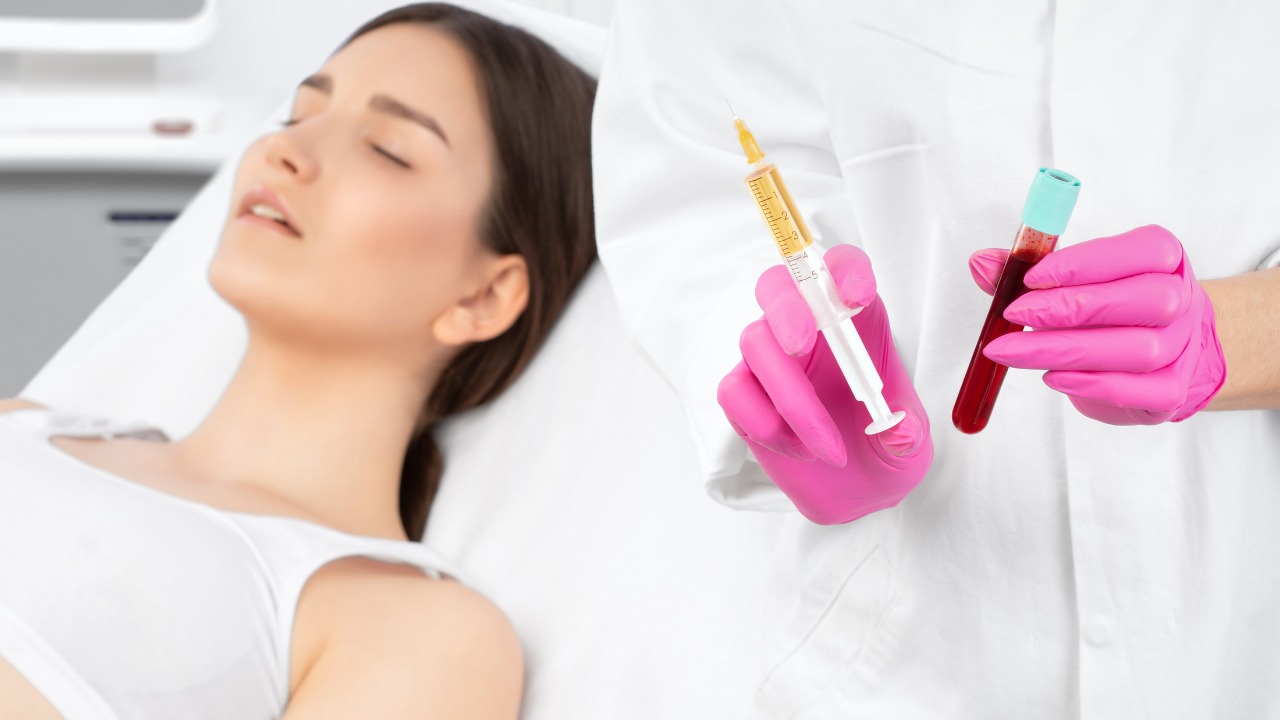
PRP is prepared from a patient’s own blood by concentrating platelets within plasma. Evidence varies by indication, and it should not be described as automatically regenerating tissue or accelerating recovery in every condition. It contains packets of growth hormones and cytokines that increase tissue rebuilding and healing.
The process starts with a simple blood draw. Once collected, the blood is placed in a centrifuge, which spins at high speed to separate the blood components. This separation results in three distinct layers, with red blood cells at the bottom, a thin layer of white blood cells and platelets in the middle (Platelet-Rich Plasma), known as the buffy coat, and the liquid portion of plasma at the top (Platelet-Poor Plasma). The middle layer is one we are interested in as it’s rich in platelets, which play a crucial role in clotting and tissue repair.
PRP is thought to influence local signaling and inflammatory pathways, but proposed mechanisms do not guarantee tissue regeneration or clinical improvement.
What is The Recovery Time After a PRP Injection?
Post PRP injection sample recovery protocol is divided into the following three phases:
| Time | Restrictions | Goals of Rehabilitation |
| Phase 1 (Days 0 – 3) |
|
|
| Phase 2 (Days 4 – 14) |
|
|
| Phase 3 (Weeks 3 – 6) |
|
|
| Follow up appointment at 4-8 weeks | ||
How Soon to Expect Results After a PRP Injection?
The results of PRP therapy depend on the body’s natural healing cascade. After an injury, a complex series of events occurs to repair damaged tissue and restore normal physiological function. This process is divided into three overlapping phases: (i) inflammation (activates the immune system and initiates an inflammatory response), (ii) proliferation (regenerates and repairs the damaged tissue), and (iii) remodelling (newly formed tissue undergoes restructuring and maturation).
Final Thoughts
PRP is used in several orthopedic and dermatologic settings, but evidence strength and protocols vary by indication. For a general clinical overview, see our PRP Injections service page. PRP is used in various fields of orthopaedics (to increase healing and reduce pain), dermatology (promoting hair growth by stimulating hair follicles and improving skin texture through rejuvenation), and other injuries that require faster wound healing. It’s most effective in conditions like knee osteoarthritis, elbow tendinopathy, gluteal tendinopathy, and plantar fasciitis. While PRP treatments have demonstrated excellent outcomes, some results show some variability, which contributes to health factors and the dosage of PRP employed in clinical trials. So, we recommend planning a doctor trip before planning a PRP therapy.