...
Yelp Logo

CALL US NOW +1-844-669-0939

Androgenetic Alopecia in Women: PRP Therapy for Female Hair Loss Explained

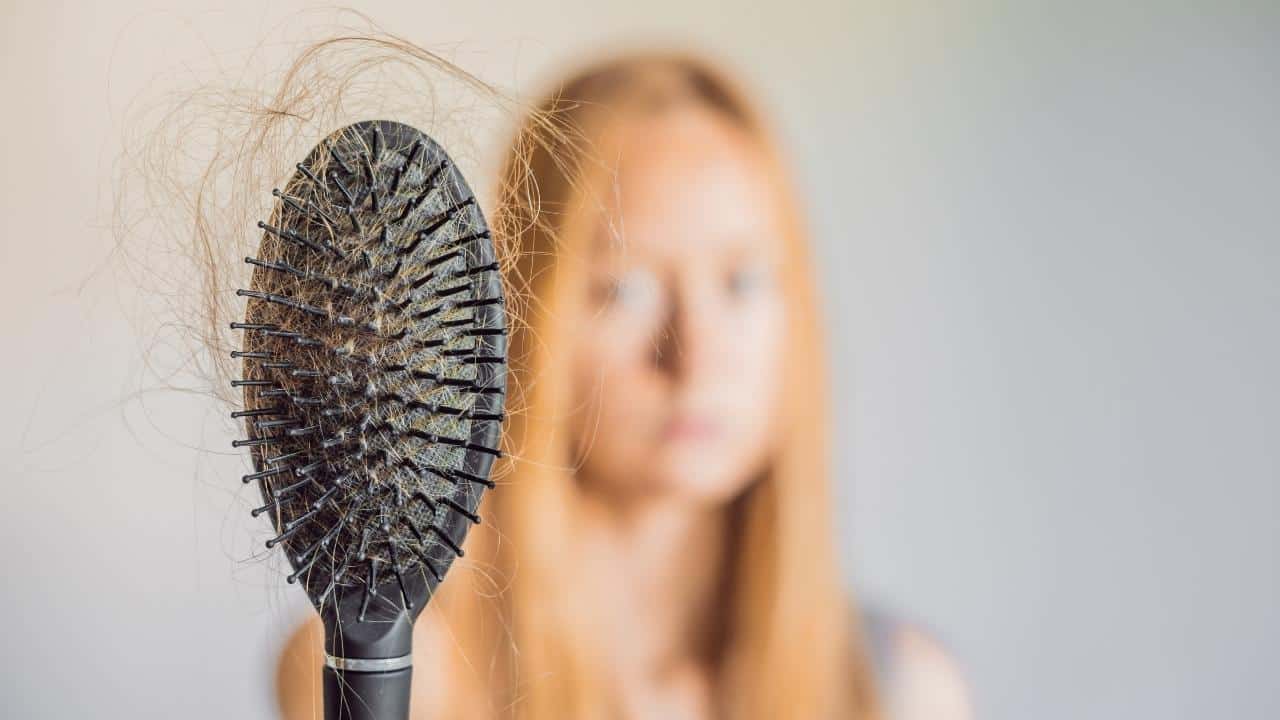
Noticing more hair in the shower drain or on your brush? Does your once-full ponytail seem a little… wispy these days?

Hair loss can be a frustrating and emotionally challenging experience, especially for androgenetic alopecia women. If you’ve been diagnosed with androgenetic alopecia, also known as female pattern hair loss, you’re certainly not alone. This common condition affects millions of women and can chip away at our confidence.

But here’s the good news: there are options! Let me help you explore a safe and promising treatment called PRP therapy.  This innovative approach utilizes your body’s natural healing potential to revitalize your hair follicles and potentially promote regrowth.

Whether you’re just starting to experience hair loss or have been dealing with it for some time, keep reading to understand how PRP therapy might help you reclaim your confidence and achieve a thicker, healthier head of hair.

What Is Androgenetic Alopecia Women

Androgenetic alopecia, commonly referred to as female pattern hair loss (FPHL) when discussing women, is a type of hair loss primarily driven by genetic and hormonal factors.

It’s the most common form of hair loss in women and often becomes noticeable after menopause, although it can start as early as puberty. Thus, getting the right treatment for alopecia is crucial!

Unlike men, who often experience a receding hairline and bald patches, women typically notice a general thinning of hair, especially at the crown of the head. The frontal hairline usually remains unaffected.

Androgens, particularly testosterone and its derivative dihydrotestosterone (DHT), play a significant role. Although these hormones are present in smaller amounts in women, they can still significantly impact hair growth and health.

Causes of Androgenetic Alopecia in Females

Understanding the causes and contributing factors of this form of hair loss can help manage expectations and seek appropriate treatment. Here’s an in-depth look at what causes androgenetic alopecia in females:

Genetic Factors

The primary cause of androgenetic alopecia in females is genetics. If a woman has family members who have experienced hair loss, she is more likely to develop it herself.

The condition involves a genetically determined sensitivity to the effects of dihydrotestosterone (DHT), a derivative of testosterone, which plays a significant role in hair thinning and loss. The genes involved can be inherited from the maternal or paternal side of the family.

Hormonal Imbalances

Androgens, including testosterone and DHT, are present in females in smaller amounts than males.

However, even these lower levels can lead to hair loss if one is sensitive to androgens. This sensitivity causes the hair follicles to miniaturize, leading to thinner, shorter hair and, eventually, a decrease in hair production.

Hormonal changes related to menopause can exacerbate this process, as the body’s estrogen levels, which counteract androgen effects, decline. An effective menopause hormone treatment can make things easier for you.

Aging

Aging naturally affects hair growth cycles. With age, the rate of hair growth slows down, and the hair follicles produce thinner, less pigmented hairs. The onset and progression of androgenetic alopecia in females often correlate with hormonal changes linked to aging, particularly around menopause.

Medical Conditions

Certain medical conditions can exacerbate or mimic the pattern of hair loss seen in androgenetic alopecia.

These include polycystic ovary syndrome (PCOS), which is associated with higher levels of androgens, thyroid disorders, and other endocrine disorders. Identifying and treating any underlying conditions is crucial in managing hair loss effectively.

Medication and Treatments

Some medications can cause hair loss as a side effect. These include chemotherapy drugs, blood thinners, and certain types of birth control pills that may influence hormone levels.

Women experiencing hair loss should review their medications with their healthcare provider to determine if their hair loss could be drug-related.

Nutritional Deficiencies

Although less directly connected to androgenetic alopecia, poor nutrition can exacerbate hair loss. Deficiencies in vital nutrients like iron, zinc, vitamin D, and protein are crucial for maintaining healthy hair growth.

Ensuring a balanced diet rich in these nutrients can help mitigate hair loss and support overall hair health.

Environmental Factors

External factors such as stress, smoking, and pollution exposure can also contribute to hair thinning and loss. Chronic stress, in particular, can impact the body’s hormone levels and exacerbate hair loss processes.

Autoimmune Influences

While not a direct cause of androgenetic alopecia, autoimmune reactions can exacerbate or complicate the pattern of hair loss.

Conditions such as alopecia areata, where the immune system attacks hair follicles, can be differentiated from androgenetic alopecia by a dermatologist through specific patterns and types of hair loss.

PRP Treatment for Androgenetic Alopecia in Women

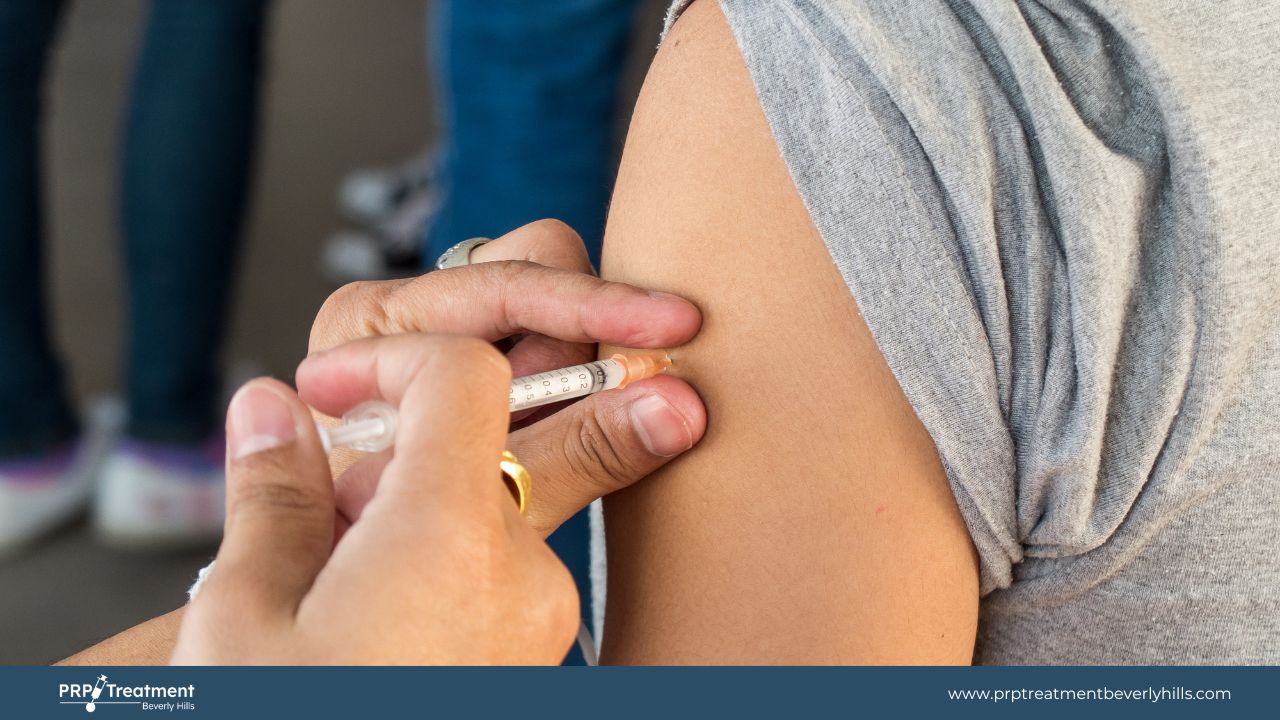
Platelet-rich plasma (PRP) therapy has emerged as an innovative and promising treatment for androgenetic alopecia, particularly in women. This treatment involves using a patient’s blood to stimulate hair growth, making it a natural and relatively low-risk option.

Effectiveness of PRP Therapy

PRP therapy has been studied for its potential to treat various types of hair loss, including androgenetic alopecia. The results can vary, but many patients report:

  • Increased Hair Density: Many studies have shown that PRP can increase the number of hair follicles in the growth phase, leading to denser hair.
  • Thicker Hair Shafts: PRP can enhance the hair shaft’s thickness, contributing to an overall fuller appearance of the hair.
  • Slowed Hair Loss: PRP may help slow down the rate of hair shedding, stabilize the condition, and preserve the existing hair.

The Treatment Process

The PRP treatment regimen typically consists of three sessions spaced about a month apart, followed by maintenance treatments every 4-6 months. However, treatment protocols can vary based on individual needs and the severity of hair loss.

Who is a Good Candidate?

PRP is particularly suitable for women in the early stages of hair thinning, where the hair follicles are still functional but miniaturized. Women with more advanced hair loss may not see significant results, as dormant hair follicles might not respond to the treatment as well.

How To Regrow Thinning Hair in Females?

How To Regrow Thinning Hair in Females - PRP Treatment

Thinning hair is a common issue among women with androgenic alopecia, often causing significant distress and impacting self-esteem. Fortunately, several effective strategies can help promote hair regrowth and improve the overall health of your hair.

Here’s a detailed guide on how to regrow thinning hair for females:

Medical Treatments

  • Minoxidil (Rogaine): This is the only FDA-approved topical medication for female hair loss. It works by prolonging the growth phase of hair follicles and increasing blood flow to the scalp, enhancing the hair shaft’s thickness and stimulating new growth. Consistency is key, as it typically takes several months to see noticeable results.
  • Spironolactone: This medication is used off-label for female hair loss, especially in cases of high androgen levels, as it acts as an androgen blocker. It’s particularly effective for women experiencing hair thinning due to hormonal imbalances.
  • Finasteride: Although less commonly prescribed for women than men, finasteride can effectively treat female pattern hair loss by inhibiting the production of dihydrotestosterone (DHT), a hormone associated with hair loss. However, it is generally only recommended for postmenopausal women due to potential risks during pregnancy.

Nutritional Support

A well-balanced diet rich in vitamins and minerals can profoundly impact hair health. Key nutrients include:

  • Iron: Iron deficiency is a common cause of hair loss, which can be corrected by consuming iron-rich foods like spinach, lentils, and red meat.
  • Vitamin D: Low levels of vitamin D are linked to hair loss. Consider getting your levels tested and incorporating Vitamin D supplements if necessary.
  • Omega-3 Fatty Acids: In fish like salmon and mackerel, omega-3s are vital for hair health, promoting shinier, healthier hair.
  • Protein: Hair is primarily made of protein, so adequate protein intake is crucial for hair growth. Include ingredients like chicken, turkey, beans, and dairy products.

Scalp Health

Maintaining a healthy scalp environment is essential for hair regrowth. This includes:

  • Regular Cleansing: Keeping the scalp clean and free from buildup can encourage healthy hair growth. Use a gentle shampoo that doesn’t strip your scalp of its natural oils.
  • Scalp Massage: Regular scalp massages can increase blood circulation to the scalp, enhancing the nourishment of your hair follicles. This can be done during shampooing or when applying oils.
  • Avoiding Harsh Treatments: Avoid chemical treatments, heat styling, and tight hairstyles that can lead to hair breakage and loss.

Low-Level Laser Therapy (LLLT)

Using devices such as laser combs and helmets, LLLT stimulates cellular activity within the follicles to promote hair growth and thickness. This noninvasive therapy is gaining popularity due to its ease of use and efficacy in treating various types of hair loss.

Natural Remedies

While less scientifically proven, many individuals find natural remedies helpful for hair regrowth:

  • Essential Oils: Oils such as peppermint and rosemary have been shown to stimulate hair growth when used in scalp massages.
  • Onion Juice: Some studies suggest that the sulfur content in onion juice can boost collagen production, potentially aiding in hair regrowth.

Lifestyle Adjustments

Reducing stress through yoga, meditation, and regular exercise can significantly impact hair health. Stress is a known contributor to hair loss, and managing it effectively can help reverse its effects.

Consult a Professional

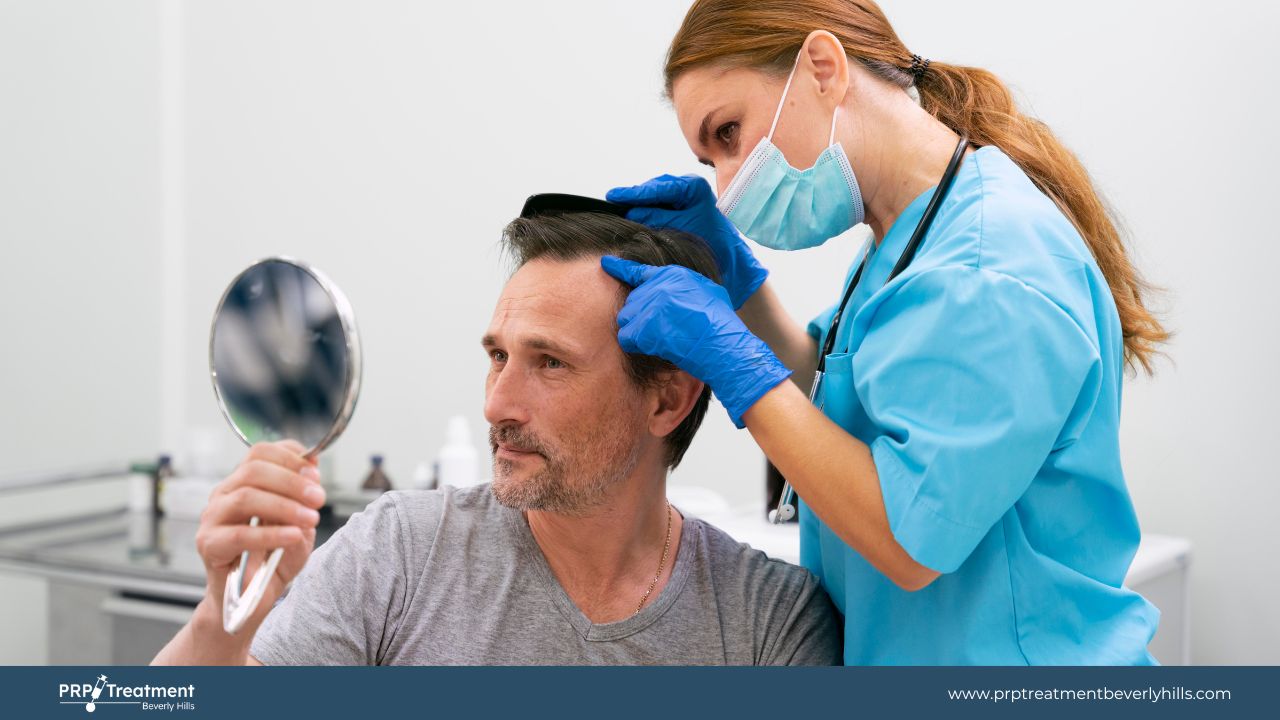
If you’re experiencing significant hair loss, it’s always a good idea to consult with a healthcare provider or a trichologist. They can thoroughly assess and recommend a treatment plan tailored to your condition.

Can Female Androgenetic Alopecia Be Reversed?

Androgenetic alopecia, commonly called female pattern hair loss, is a widespread condition characterized by thinning hair, primarily on the crown and top of the scalp.

While genetics and hormonal levels influence this condition, many women wonder whether it can be reversed. The answer is nuanced—while complete reversal may not be possible for everyone, significant improvement and management of the condition are achievable with the right approaches.

Understanding Reversibility

First, it’s essential to clarify what “reversal” means in the context of androgenetic alopecia. Reversal typically implies restoring the hair density and scalp coverage to what it was before the onset of hair loss.

For most women, absolute reversal might not be feasible, especially if the hair loss has been progressing untreated for an extended period. However, treatments can often stop further loss and partially restore hair density.

Effective Strategies for Managing Female Pattern Hair Loss

  • Early Intervention: The key to maximizing the chances of reversing hair thinning due to androgenetic alopecia is to start treatment early. The earlier you begin, the more effective treatments tend to be, as they can preserve hair follicle function before significant miniaturization occurs.
  • Minoxidil: The most commonly prescribed treatment for female pattern hair loss is topical Minoxidil (Rogaine). This over-the-counter medication can slow hair loss and stimulate regrowth. Regular use of Minoxidil has been shown to improve hair density and increase the diameter of individual hair strands.
  • Hormone Regulation: Medications that affect hormonal balance can also benefit women whose hair loss is linked to androgen levels. Drugs like Spironolactone, an androgen blocker, can reduce the effects of male hormones on the hair follicles. This is particularly useful in women who have an excess of androgens.
  • Low-Level Laser Therapy (LLLT): Devices that use specific wavelengths of light can stimulate hair follicles and enhance hair growth. Regularly using FDA-approved LLLT devices has improved hair thickness and overall scalp coverage in some women.
  • Nutritional Support: Ensuring a diet rich in vitamins and minerals supports hair health. Iron, vitamin D, zinc, and omega fatty acids are important for hair growth. Supplements should be considered under the guidance of a healthcare provider.
  • Hair Transplant Surgery: Hair transplant surgery might be an option for significant thinning where other treatments are ineffective. This procedure involves moving hair from areas of dense growth to thinning areas, providing a more permanent solution.

Lifestyle and Cosmetic Approaches

Scalp Concealers: While not reversing hair loss, cosmetic options such as scalp concealers can help camouflage thinning areas and create the appearance of denser hair.

Hair Styling Techniques: Certain hairstyles can make hair appear fuller and help disguise thinning areas. Volumizing shampoos and conditioners contribute to a fuller appearance.

Emotional and Psychological Support

It’s important to address the psychological impact of hair loss. Many women benefit from support groups or counseling, which can help them cope with the condition.

Final Words

We understand that hair loss can be a profoundly personal concern. Each woman’s decision to explore treatment options is unique. PRP therapy offers a promising, minimally invasive, and potentially effective approach to addressing hair loss and promoting regrowth.

Remember, you don’t have to navigate this alone.

At PRP Treatment Beverly Hills, we’re committed to empowering women with knowledge and personalized treatment plans. Contact our clinic if you want to learn more about PRP therapy and whether it might be right for you.

We offer consultations to address your hair loss concerns and explore potential solutions.  Together, we can create a plan to help you achieve a healthier scalp and regain the confidence of feeling your best.

The Best Vitamins for Maximizing Hair Growth: Optimizing Your PRP Results

PRP hair rejuvenation is an exciting step towards reclaiming your hair’s glory. But there’s a secret to turbocharging those results: the right vitamins. Imagine giving your hair a treatment and a feast of nutrients it craves for lush growth.

This blog dives into the vitamins that stand behind the scenes, working magic with PRP to bring out the best in your hair. From the science to your plate, let’s unlock the formula for hair that doesn’t just grow but thrives.

Ready to elevate your hair game? Let’s dive in.

Essential Vitamins and Minerals for Hair Growth

Achieving and maintaining healthy hair isn’t just about what you apply externally; it’s also about what nutrients you feed your body. Specific vitamins and minerals are pivotal in hair growth, strength, and overall health.

Here’s a closer look at critical nutrients vital for nurturing lush, vibrant hair.

Vitamin D

Vitamin D is often hailed as the “sunshine vitamin,” but its benefits extend beyond mood enhancement. It plays a critical role in creating new hair follicles — the tiny pores from which new hair can grow.

This process is crucial for hair regeneration, making vitamin D essential for maintaining thick, full hair. A deficiency in vitamin D has been linked to alopecia, a technical term for hair loss, underscoring the importance of adequate vitamin D levels for hair health.

Biotin (Vitamin B7)

Biotin, part of the vitamin B family, is one of the most well-known vitamins associated with hair health. It aids in producing keratin, a fundamental protein for hair, skin, and nails.

Biotin helps to improve hair’s elasticity and protects against dryness, which in turn helps reduce breakage. For individuals experiencing hair thinning or loss, biotin supplements often become a go-to remedy for fostering hair strength and growth.

Iron

Iron is a critical mineral that supports many bodily functions, including hair growth. It helps red blood cells carry oxygen to your cells, including those that stimulate hair growth. Iron deficiency, a common cause of anemia, can lead to hair loss.

Restoring iron levels can help invigorate the hair growth cycle, enhance the delivery of nutrients and oxygen to hair roots, and promote healthier, stronger hair.

Zinc

Zinc plays a significant role in hair tissue growth and repair and helps keep the oil glands around the follicles working properly. Hair loss is a common symptom of zinc deficiency, indicating the mineral’s importance in promoting healthy hair growth.

Zinc contributes to protein synthesis and cell division, essential for hair growth, making it a critical nutrient for maintaining a healthy mane.

Vitamin E

Vitamin E is renowned for its antioxidant properties, which can help reduce oxidative stress in the scalp. Oxidative stress has been linked to hair loss and poor hair health.

Vitamin E supports a healthy scalp and hair; its natural antioxidant effects could help maintain hair growth. It’s also known for its conditioning properties, which help add shine and prevent hair from becoming dry and brittle.

Omega-3 Fatty Acids

Omega-3 fatty acids are fats your body cannot produce by itself; they must be obtained through diet. They are crucial for maintaining a healthy scalp and hair. Omega-3s nourish the hair follicles, promoting healthier and shinier hair.

They also have anti-inflammatory properties, which can help open up the hair follicles and promote hair growth, making them essential for individuals struggling with hair loss.

The Science Behind PRP and Hair Growth

Platelet-Rich Plasma (PRP) therapy has emerged as a revolutionary approach in the battle against hair loss, offering a glimmer of hope for those looking to stimulate hair growth and improve scalp health.

Understanding how PRP therapy works, especially with nutritional support, is crucial for anyone considering this treatment option.

How PRP Therapy Works

PRP therapy begins with collecting a small sample of the patient’s blood. This sample is then processed in a centrifuge to separate the platelet-rich plasma from other blood components.

The concentrated PRP, rich in growth factors and proteins essential for tissue healing and regeneration, is injected directly into the scalp areas experiencing hair thinning or loss.

The magic of PRP lies in the high concentration of platelets. These platelets release growth factors that play a pivotal role in the healing process, including:

  • Promoting angiogenesis involves forming new blood vessels, which improves blood flow to the scalp and hair follicles.
  • Stimulating stem cells in the microenvironment of the hair follicles is critical in promoting hair growth and enhancing the thickness of the hair shaft. Check the differences between PRP and Stem Cell therapy.
  • Increasing cell proliferation and decreasing apoptosis (cell death) contribute to healthier and denser hair growth.

The result is a scalp more conducive to hair regrowth, with rejuvenated follicles ready to produce more healthy hair.

Synergy Between PRP Treatments and Nutritional Support

While PRP therapy is potent on its own, its efficacy can be significantly enhanced when paired with proper nutritional support. Nutrition is foundational in hair health; specific vitamins and minerals are particularly influential in hair growth.

  • Vitamin D is crucial for creating new hair follicles and is believed to play a role in hair production.
  • Iron helps carry oxygen to hair follicles, and its deficiency has been linked to hair loss.
  • Zinc plays an essential role in hair tissue growth and repair.
  • Biotin (Vitamin B7) supports keratin infrastructure, affecting the health of hair, skin, and nails.
  • Omega-3 fatty acids provide essential proteins and nutrients to hair follicles and skin, reduce inflammation, and promote healthier, denser hair growth.

When these nutrients are abundant in the body, either through a well-balanced diet or high-quality supplements, they can amplify the regenerative processes initiated by PRP therapy.

This synergy between PRP treatments and nutritional support ensures that the scalp and hair follicles are in the best possible state for regeneration and growth, leading to more successful outcomes in hair restoration efforts.

Integrating Nutrition into Your PRP Treatment Plan

Integrating Nutrition into Your PRP Treatment Plan - PRP Treatment

Pairing Platelet-Rich Plasma (PRP) therapy with a nutrient-rich diet can significantly enhance the treatment’s effectiveness for hair growth. Nutrition is critical in supporting the physiological processes that PRP therapy stimulates.

Here’s how you can integrate essential nutrients into your daily diet and potentially boost the outcomes of your PRP treatments.

Practical Tips for Incorporating Essential Nutrients

  • Diverse and Balanced Diet: A varied diet is the foundation for getting essential nutrients. Incorporate a rainbow of fruits and vegetables to ensure you get a broad spectrum of vitamins, minerals, and antioxidants. Leafy greens, berries, and citrus fruits are excellent sources of vitamins like Vitamin C and E, crucial for scalp health and hair growth.
  • Lean Protein Sources: Hair is primarily made of protein, so adequate protein intake is necessary for hair health. Focus on lean sources such as chicken, turkey, fish, beans, and legumes. Fish like salmon are rich in Omega-3 fatty acids, promoting a healthy scalp and potentially augmenting PRP therapy’s benefits.
  • Whole Grains: Switch to whole grains like brown rice, quinoa, and whole wheat. These grains are packed with B vitamins, including biotin. These nutrients are vital for maintaining healthy hair and can complement your PRP treatment plan.
  • Nuts and Seeds: Almonds, walnuts, flaxseeds, and chia seeds are not only great sources of Omega-3 fatty acids but also contain zinc and vitamin E, supporting hair health. Incorporating a small handful of these into your diet can be a simple way to get these essential nutrients.
  • Hydration: Remember the importance of staying hydrated. Water helps to keep the hair hydrated from the inside out, contributing to its strength and shine.

Consulting with a Professional

While these tips can guide you towards a hair-friendly diet, individual nutritional needs can vary widely based on various factors, including age, health status, and the specific nature of your hair loss. Here’s why consulting with a professional is key:

  • Personalized Nutritional Planning: A nutritionist or dietitian can assess your current diet and identify any nutritional gaps that could impact your hair health. They can then craft a personalized diet plan that supports your PRP therapy and targets your unique nutritional needs and health goals.
  • Supplementation Guidance: A healthcare provider can recommend high-quality supplements if diet alone cannot meet your nutritional needs. For example, if you’re deficient in vitamin D or iron, supplements might be necessary to achieve optimal levels for hair growth. A professional can ensure your supplements are safe and effective, preventing adverse interactions with other treatments or medications.
  • Ongoing Support and Adjustments: Your nutritional needs may change as you progress with your PRP treatments. Regular check-ins with a nutritionist can help adjust your diet plan based on your evolving needs and treatment response, ensuring that your nutrition supports your hair growth journey.

Supplements vs. Natural Sources

The debate between obtaining vitamins from natural food sources versus taking supplements is pivotal in seeking optimal hair health and supporting PRP therapy for alopecia.

Each approach has its merits and potential drawbacks, and understanding these can help you make informed decisions about your nutritional strategy for hair growth.

Benefits of Natural Food Sources

  • Whole Nutrition: Foods naturally rich in vitamins, minerals, and other nutrients provide a complex nutritional profile that supplements can’t fully replicate. For instance, eating oranges gives you vitamin C and dietary fiber, flavonoids, and antioxidants, offering a holistic health benefit.
  • Absorption and Bioavailability: Nutrients from food are typically more easily absorbed by the body. The natural combination of nutrients in foods facilitates optimal absorption and utilization, making them highly effective in nourishing hair follicles and supporting overall health.
  • Reduced Risk of Overdosing: Obtaining nutrients from food sources naturally regulates the body’s intake, minimizing the risk of consuming excessive amounts that could potentially lead to adverse effects.

The Role of Supplements

While a balanced diet is ideal for obtaining necessary nutrients, certain situations may warrant the use of supplements to ensure adequate intake:

  • Nutritional Deficiencies: Supplements can be crucial in filling those gaps for individuals with diagnosed deficiencies or those unable to meet their nutritional needs through diet alone—due to dietary restrictions, health conditions, or specific life stages.
  • Convenience and Assurance: Supplements offer a straightforward way to ensure you get specific nutrients essential for hair growth, especially when dietary intake is uncertain or inconsistent.
  • Targeted Support: In the context of PRP therapy for hair loss, supplements can provide targeted nutritional support, enhancing the treatment’s effectiveness by ensuring that the body has all the necessary building blocks for hair regeneration.

Striking a Balance

Opting for a diet rich in diverse, nutrient-dense foods should be the foundation of any approach to improving hair health.

Fruits, vegetables, lean proteins, whole grains, and healthy fats contain a symphony of nutrients that work harmoniously to support bodily functions, including hair growth.

However, it is essential to acknowledge that achieving a perfectly balanced diet can be challenging.

In cases where dietary intake may fall short or specific nutritional needs arise, supplements can play a supportive role. It’s crucial, however, to approach supplementation judiciously:

  • Consultation with Healthcare Providers: Consult with a healthcare professional before adding supplements to your routine, especially when undergoing treatments like PRP therapy. They can recommend appropriate supplements based on your individual health needs and ensure that there’s no risk of interactions with other treatments.
  • Quality Matters: Not all supplements are created equal. Opting for high-quality, reputable brands that have undergone third-party testing can ensure you get what’s on the label without harmful additives.

Final Words

And there you have it, the nutritional keys to unlocking the full potential of your PRP hair treatments. It’s not just about the injections; it’s about fueling your follicles with the right vitamins to ensure every strand is stronger and stays longer.

These vitamins are the ultimate support team for your hair growth journey. They work with PRP to deliver results that speak volumes.

Remember, healthy hair starts from within, so give your body what it needs and watch your hair flourish. Ready to give your hair the boost it deserves?

Contact Dr. David Nazarian and his PRP Therapy Clinic LA team for the most trustworthy hair regrowth service.

Let’s make every follicle count.

Comprehensive SLU-PP-332 Research Guide for Laboratories

What is SLU-PP-332?

SLU-PP-332 is an emerging, innovative synthetic compound gaining rapid recognition among scientific researchers for its potential as a metabolic modulator. Its unique properties make it a valuable asset for laboratories exploring the intricate details of cellular metabolism, mitochondrial function, neuroprotection, and aging at a molecular level.

All content in this article pertains strictly to laboratory and in vitro research—SLU-PP-332 is not approved for human consumption or medical application.

The Scientific Basis of SLU-PP-332

SLU-PP-332 is a small-molecule, non-peptidic research compound meticulously designed to modulate key metabolic and nuclear receptor pathways. Unlike SARMs, peptides, or commonly used stimulants, SLU-PP-332 is structurally stable, providing researchers with a dependable tool for reproducible results in various assay conditions.

Mechanistic Uniqueness

One of the most notable characteristics of SLU-PP-332 is its ability to target estrogen-related receptors (ERRα/ERRγ). These nuclear receptors are pivotal regulators of genes that orchestrate mitochondrial function, energy expenditure, and lipid and glucose metabolism. Because mitochondrial health underpins nearly every aspect of cellular vitality, the ability to modulate these pathways opens unprecedented research possibilities.

Broader Research with Amino Compounds

Many progressive laboratories now pair SLU-PP-332 with amino-based compounds for synergistic studies. The Aminos Research catalog is a valuable resource for obtaining high-quality amino research materials to enhance studies into metabolism, cell signaling, and tissue repair.

Mitochondrial Biogenesis and Cellular Energy

Unlocking Cellular Potential

The promotion of mitochondrial biogenesis—the formation of new, functional mitochondria within cells—is considered one of the key mechanisms behind SLU-PP-332’s value in research. Mitochondria are essential organelles responsible for ATP production, calcium signaling, apoptosis, and overall energy homeostasis. Dysfunction in mitochondrial processes is implicated in a broad spectrum of metabolic and neurodegenerative diseases.

Cutting-Edge Scientific Context

Recent studies have shown that molecules targeting mitochondrial pathways can profoundly affect neurodegenerative and metabolic models. For instance, the Nature Reviews Neurology article on mitochondria-targeted small molecules discusses how compounds like SLU-PP-332 represent a new generation of research tools capable of dissecting mitochondrial involvement in complex cellular processes. This growing field has huge implications for aging, chronic metabolic diseases, and brain health.

Beyond Energy: Redox, Inflammation & Cellular Longevity

By enhancing mitochondrial function, SLU-PP-332 may indirectly support redox balance, cellular detoxification, and inflammatory regulation. As highlighted in Free Radical Biology and Medicine, mitochondrial regulation influences how cells respond to oxidative stress and environmental insults, providing insight into both protective and pathological mechanisms.

Cellular Crosstalk and Systems Biology

An additional layer of SLU-PP-332’s importance is how mitochondrial activity interplays with other cellular systems. For example, improved mitochondrial output can facilitate better nutrient sensing, impact AMPK and mTOR pathways, and influence autophagy and mitophagy—processes central to both normal physiology and pathological conditions. Researchers utilizing SLU-PP-332 can thus examine the systems biology of health and disease with greater clarity and specificity.

Neuroprotection and Cognitive Research

Bridging Metabolism and Brain Health

The brain, being the body’s most energy-demanding organ, relies heavily on optimal mitochondrial function. SLU-PP-332 enables researchers to model how mitochondrial modulation may enhance neuroprotection, improve neuronal resilience, and possibly slow age-associated cognitive decline. Research in this area can inform new approaches for investigating disorders such as Alzheimer’s, Parkinson’s, and other neurodegenerative diseases, offering valuable clues about how mitochondrial dynamics affect synaptic health and neurotransmitter signaling.

Investigating Neuroinflammation

Ongoing studies are using SLU-PP-332 to explore neuroinflammatory pathways and their impact on neuronal health. By modulating mitochondrial activity, this compound allows scientists to evaluate the delicate interplay between energy production, inflammation, and cellular stress responses, providing a more comprehensive understanding of disease pathogenesis.

Translational Opportunities

While all research use is strictly preclinical and in vitro, SLU-PP-332 is also sparking interest in how mitochondrial-targeting agents may eventually play a role in the development of neurotherapeutic strategies. Its application in brain organoid and iPSC-derived neuron models enables nuanced exploration of cellular and subcellular mechanisms driving both health and disease.

Expanding Applications: Metabolic, Regenerative & Aging Research

Modeling Metabolic Disorders

SLU-PP-332 is a cornerstone compound in cellular models of obesity, type 2 diabetes, fatty liver disease, and other metabolic syndromes. By precisely modulating metabolic gene expression and mitochondrial output, it gives researchers the tools to analyze disease progression, test novel interventions, and uncover new therapeutic targets.

Cellular Stress, Senescence, and Longevity

As the interest in longevity science grows, so does the focus on how compounds like SLU-PP-332 affect cellular aging. Enhanced mitochondrial biogenesis is linked to reduced cellular senescence, greater resistance to oxidative damage, and prolonged cellular function. Scientists are deploying SLU-PP-332 in in vitro aging models to uncover strategies for promoting healthy lifespan at the cellular and tissue levels.

Integrating Regenerative Medicine Concepts

Research at the intersection of metabolic and regenerative medicine is expanding rapidly. Clinics and research facilities such as PRP Treatment Beverly Hills are at the forefront of regenerative therapies—often relying on robust cellular energy and mitochondrial support for effective tissue repair. SLU-PP-332 fits naturally into this research landscape, as mitochondrial optimization is increasingly recognized as a critical component of successful regenerative strategies.

Metabolic Flexibility and Environmental Stress

Another expanding research frontier for SLU-PP-332 involves its use in studies on metabolic flexibility—the ability of cells to efficiently switch between fuel sources based on physiological demand or environmental stress. Experimental evidence suggests that compounds like SLU-PP-332 may improve adaptation to nutrient stress, oxidative challenges, and fluctuating energy supplies, all of which are critical factors in cell survival and organismal adaptation.

Laboratory Use, Compliance, and Best Practices

  • Consistent, High Purity: Modern Aminos provides SLU-PP-332 at research-grade purity for maximum reliability.
  • Versatility: Applicable across metabolic, neurological, regenerative, and aging studies.
  • Safety: For research use only; never for human or veterinary consumption.

Ensuring Regulatory Adherence

SLU-PP-332 must be handled in accordance with all federal, state, and institutional regulations. Its use is limited to trained research personnel in licensed facilities, and all experimental work should be properly documented and reviewed. Researchers are responsible for safe storage, accurate recordkeeping, and lawful disposal.

Optimizing Laboratory Outcomes

Utilizing best laboratory practices is essential for maximizing the value of SLU-PP-332. This includes standardized assay protocols, regular calibration of equipment, routine quality checks on compound integrity, and collaborative data sharing among research teams. Pairing SLU-PP-332 with other amino-based modulators from the Aminos Research collection can facilitate robust experimental designs and enhance the statistical power of results.

Building a Comprehensive Experimental Toolkit

To maximize experimental outcomes, researchers are encouraged to leverage the full scope of research compounds available in the Aminos Research collection. Pairing SLU-PP-332 with other amino-based modulators can create powerful multi-pathway models for studying metabolism, disease, and regeneration.

The Future of Mitochondrial and Metabolic Modulation

The ongoing evolution of mitochondrial science is expected to unlock transformative discoveries in metabolic regulation, neuroprotection, and regenerative medicine. SLU-PP-332 represents a critical asset for laboratories seeking to push the boundaries of our understanding of cellular energy, longevity, and disease. As new data emerges and research collaborations grow, compounds like SLU-PP-332 will continue to play a vital role in shaping the next era of biomedical science.

Conclusion

SLU-PP-332 is a dynamic, highly specialized tool for advancing research in mitochondrial function, metabolic health, neurobiology, and regenerative science. Its precision targeting of nuclear receptors and support of mitochondrial biogenesis make it indispensable for scientists committed to exploring the next frontiers of cell biology and therapeutic discovery.

For comprehensive laboratory research, explore both SLU-PP-332 and the wider Aminos Research suite of compounds, ensuring the highest standards for purity, compliance, and experimental flexibility.

Unveiling the Best Treatments for Alopecia: Where Does PRP Stand?

Facing hair loss can be challenging, sparking a quest for effective solutions. Alopecia, with its various forms, leaves many seeking answers.

Enter PRP therapy, a standout in the realm of treatments offering a glimmer of hope. This method leverages your body’s healing powers and tailors to your unique condition, promising a blanket solution and a personalized approach to hair restoration.

In this blog, we dive into why PRP could be the answer you’ve been searching for in your battle while asking what is the best treatment for alopecia.

Let’s explore how this innovative treatment changes lives, one scalp at a time.

Understanding Alopecia

Alopecia, commonly known as hair loss, can manifest in various forms, significantly impacting those it affects. Among its types, alopecia areata and androgenetic alopecia are notably prevalent, presenting unique challenges and causes.

However, does alopecia go away on its own, or do you need treatments?

Types of Alopecia

  • Alopecia Areata: This autoimmune condition leads the body’s immune system to attack healthy hair follicles, resulting in sudden hair loss in patches. It can affect the scalp, face, and sometimes other body parts. The exact cause remains unclear, but genetics and environmental factors are believed to contribute to its onset. The unpredictable nature of this condition—where hair can regrow and then fall out again—often adds an emotional strain on individuals.
  • Androgenetic Alopecia, also known as male or female pattern baldness, is characterized by gradual hair thinning. It can lead to complete baldness in men or significant hair thinning in women. Genetics and hormonal changes primarily drive it, making it a common but challenging condition to manage.

The Impact of Hair Loss

The psychological and social implications of alopecia cannot be overstated. Hair is often seen as a significant aspect of personal identity and aesthetics, making hair loss a distressing experience for many. Individuals with alopecia may suffer from lowered self-esteem, anxiety, and depression due to their changing appearance.

The condition’s visibility can lead to social withdrawal and impact personal and professional relationships, emphasizing the critical need for effective treatments that address hair regrowth and support individuals’ psychological well-being.

Exploring Alopecia Treatments

The journey to find the most effective treatment for alopecia varies significantly among individuals, encompassing a range from conventional medications to surgical interventions and even natural remedies.

Each treatment option has its mechanism of action, potential benefits, and considerations.

Conventional Treatments

  • Topical Minoxidil: Widely recognized as an over-the-counter solution for both men and women, minoxidil is applied directly to the scalp. It works by prolonging the growth phase of hair follicles, potentially leading to thicker, longer hair over time. Its exact mechanism isn’t fully understood but is believed to involve widening blood vessels in the scalp, improving follicle function.
  • Oral Finasteride: Specifically for androgenetic alopecia in men, finasteride is an oral medication that inhibits the production of dihydrotestosterone (DHT), a hormone known to shrink hair follicles. By reducing DHT levels, finasteride can slow hair loss and even promote regrowth in some cases. Women are typically advised against using finasteride due to potential side effects, especially during pregnancy.
  • Corticosteroids for Alopecia Areata: Corticosteroids, administered either topically, as injections, or orally, are used to suppress the immune system, aiming to stop it from attacking hair follicles. While effective for some in managing alopecia areata, results vary, and long-term use can come with significant side effects.

Surgical Options

Hair Transplant Surgery is a more permanent solution for androgenetic alopecia. It involves transplanting hair from denser areas of the scalp—or other parts of the body—to balding or thinning areas.

Though invasive, this process can offer dramatic improvements in appearance. Considerations include the cost, the need for potentially multiple sessions, and a recovery period during which patients may experience discomfort.

Natural and Alternative Treatments

The allure of natural remedies and supplements for alopecia treatment—ranging from essential oils like rosemary and peppermint to vitamins and minerals—is vital for those seeking non-chemical, holistic options.

While anecdotal evidence suggests some individuals may benefit from these treatments, scientific consensus on their effectiveness must be improved.

Research in this area is ongoing. While natural treatments can be part of a broader hair care regimen, they should not replace consultations with healthcare professionals.

The Role of PRP Therapy in Treating Alopecia

The Role of PRP Therapy in Treating Alopecia - PRP Treatment

Platelet-rich plasma (PRP) therapy has emerged as a promising solution for individuals battling alopecia. It offers hope through a process that leverages the body’s healing mechanisms. We will look at what PRP therapy entails, how it functions at the cellular level, and its efficacy in treating different types of alopecia.

Introduction to PRP Therapy

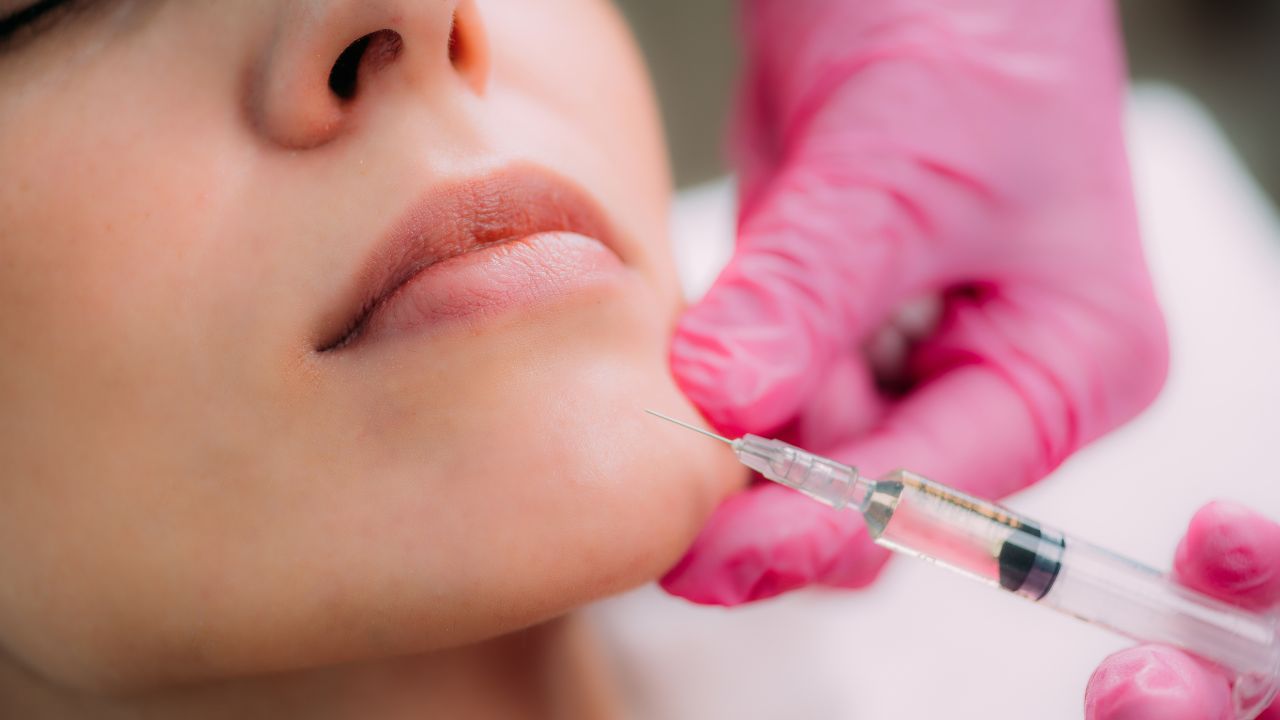
PRP therapy involves extracting a small amount of the patient’s blood and processing it to concentrate the platelets, pivotal in wound healing and tissue regeneration. This concentrated platelet-rich plasma is then injected into the scalp where hair loss has occurred.

The preparation process involves centrifuging the blood to separate its components, allowing for plasma extraction with a high concentration of platelets.

This minimally invasive procedure is typically done in a clinic setting and requires no significant downtime, making it an appealing option for many.

Mechanism of Action

Its natural basis and mechanism of action are at the heart of PRP therapy’s effectiveness. Platelets are rich in growth factors that play a crucial role in tissue healing and regeneration. When injected into the scalp, these growth factors stimulate the hair follicles, encouraging them to shift from dormant to active growth.

This process involves promoting angiogenesis (forming new blood vessels), enhancing nutrient supply to the follicles, and stimulating cellular proliferation and differentiation. Essentially, PRP therapy creates a more favorable environment for hair growth and revitalization at the cellular level.

Effectiveness in Alopecia Areata

Alopecia areata, characterized by patchy hair loss, has shown responsiveness to PRP therapy in various studies.

Research indicates that the concentrated growth factors in PRP can effectively target the immune-mediated damage to hair follicles typical of alopecia areata. Studies have documented patients experiencing significant hair regrowth and a reduction in bald patches following PRP treatments.

For instance, a study published in the “Journal of Dermatological Treatment” found that PRP therapy led to hair regrowth in alopecia areata patients, with improvements sustained over follow-up periods.

Effectiveness in Androgenetic Alopecia

Similarly, PRP therapy has proven beneficial for patients with androgenetic alopecia (male and female pattern baldness), marked by thinning hair and a receding hairline. The growth factors in PRP are believed to counteract the follicular miniaturization process characteristic of androgenetic alopecia.

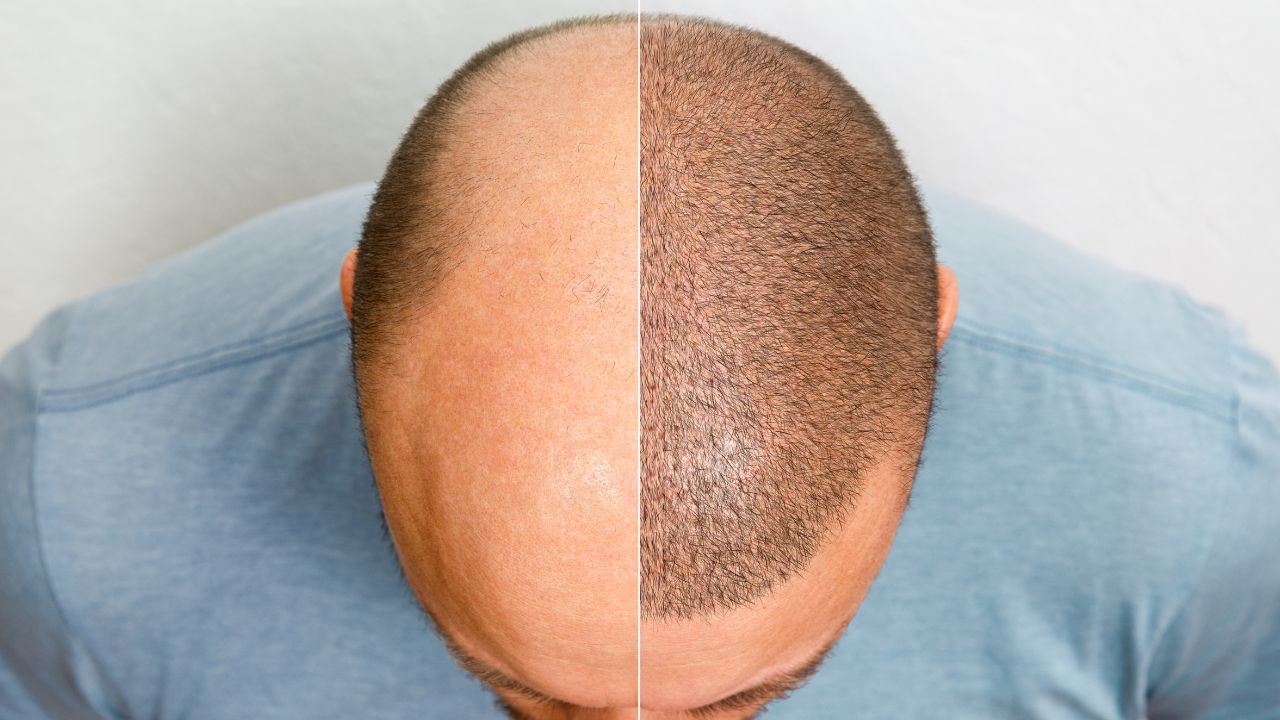
Clinical trials and patient reports have highlighted the efficacy of PRP in increasing hair density and thickness. A systematic review in the “Journal of Cosmetic Dermatology” concluded that PRP injections improved hair density without significant adverse effects, making it a viable treatment option for androgenetic alopecia.

Comparing PRP to Other Treatments

When exploring options for alopecia treatment, weighing the effectiveness, side effects, and patient satisfaction associated with each method is essential.

Platelet-Rich Plasma (PRP) therapy is a relatively new field that has garnered attention for its promising results. Here’s how PRP compares to traditional and surgical treatments for hair loss.

Efficacy Comparison

  • PRP vs. Conventional Treatments: Conventional treatments for alopecia, such as minoxidil and finasteride, have been staples for years. Minoxidil, a topical solution, and finasteride, an oral medication, both have proven efficacy in stimulating hair growth and preventing further hair loss. However, their results can be variable and often require ongoing use to maintain benefits. In contrast, studies on PRP therapy show it promotes hair growth and improves hair quality and density. A study published in the Journal of Cosmetic Dermatology highlighted that participants receiving PRP treatment experienced significant increases in hair count and thickness compared to those using conventional treatments, suggesting PRP’s superior efficacy in certain cases.
  • PRP vs. Surgical Options: Hair transplant surgery is a more permanent solution for hair loss, particularly effective in cases of androgenetic alopecia. While hair transplants offer transformative results, they come with higher costs, longer recovery times, and the potential for surgical complications. PRP therapy, on the other hand, is less invasive, with studies indicating it can enhance the success of hair transplants by improving graft survival and promoting faster healing. Thus, PRP can be seen as both an adjunct to 

surgical options and a standalone treatment offering substantial benefits with fewer risks.

PRP vs Stem Cell therapy: Do they really work?

Side Effects and Safety

One of the most compelling advantages of PRP therapy over other hair loss treatments is its safety profile. Because it is derived from the patient’s blood, PRP significantly reduces the risk of allergic reactions, infections, or severe side effects.

Conventional medications like finasteride have been associated with potential side effects, including sexual dysfunction and depression.

Similarly, surgical interventions carry risks of infection, scarring, and anesthesia complications. In contrast, PRP’s autologous nature makes it remarkably safe. Most patients experience only mild discomfort or bruising at the injection site, which typically resolves quickly.

Patient Satisfaction

Patient testimonials and satisfaction surveys consistently highlight the positive impact of PRP therapy on individuals’ alopecia treatment journeys. Many patients express high satisfaction with PRP, citing hair density, thickness, and overall scalp health improvements.

Clinical research supports these personal accounts; a survey conducted among patients who underwent PRP therapy for androgenetic alopecia revealed high satisfaction rates, with participants noting not only the aesthetic improvements but also the boost in self-confidence and quality of life post-treatment.

Conclusion

As we’ve explored the journey of finding an effective solution for alopecia, PRP therapy stands out. It offers a path to regeneration and confidence. Tailored to meet individual needs, it’s more than just a treatment; it’s a new beginning for hair.

PRP Therapy Clinic LA, led by the skilled Dr. David Nazarian, is your destination for those in LA seeking the forefront of care. Embrace the opportunity to transform your hair loss story into renewal and growth.

Discover the best in PRP treatments and enter a future with fuller, healthier hair at PRP Therapy Clinic LA.

Can Hair Loss Be a Sign of Something Serious? Understanding the Underlying Causes

You brush your hair and notice an unusually large ball of hair in your brush. Or perhaps you spot a bald patch on your scalp while styling your hair. Unexpected hair loss can be alarming yet dismissed as just a cosmetic nuisance.

However, sudden thinning or shedding hair may signal deeper health issues for residents of high-stress cities like Los Angeles. This comprehensive guide examines the potential connections between hair loss and complex conditions like thyroid disorders, autoimmune diseases, nutritional deficiencies, and hormonal imbalances.

Gain insights on recognizing unusual hair loss patterns, accompanying symptoms to watch for, and when to seek medical advice. We also explore the strong ties between stress, mental health, and hair loss, along with lifestyle changes and treatment options.

Understand how to differentiate benign hair loss from that associated with systemic disease and safeguard your hair health and overall wellness.

Hair Loss as a Symptom: When to Be Concerned

Hair loss, mainly when sudden or paired with other symptoms, can signify something more serious. It’s a signal from your body that shouldn’t be ignored.

Understanding when hair loss is just a cosmetic concern and when it’s a symptom of a deeper health issue is critical to ensuring your overall well-being. If you experience unusual hair loss, it’s wise to consult a doctor for a thorough physical evaluation.

Hair Loss Beyond the Surface

While often attributed to genetics or aging, hair loss can sometimes be a window into one’s overall health. It’s important to realize that hair loss can be a symptom of any underlying health condition in some cases, especially when it’s sudden or atypical.

This aspect is particularly vital for residents of Los Angeles, where lifestyle factors and environmental stressors can also influence hair health.

Recognizing Unusual Hair Loss

Typical hair loss due to genetics or aging is generally gradual. However, it’s time to look deeper if you notice sudden, significant hair thinning or bald patches. For those in the Northern Hemisphere, where diverse health issues prevail, such rapid changes in hair condition should not be ignored.

Accompanying Symptoms to Watch For

Be observant of other symptoms accompanying your hair loss. These could include:

  • Fatigue or tiredness beyond the usual.
  • Sudden changes in weight (loss or gain) without apparent reason.
  • Skin or nail color and texture changes could indicate a broader dermatological issue.
  • Gastrointestinal issues like persistent upset stomach or changes in appetite.
  • Unexplained aches, pains, or fevers.

Hair Loss and Systemic Health Issues

Sometimes, hair loss can indicate a sign of systemic health issues. Conditions like thyroid disorders, autoimmune diseases, or hormonal imbalances often manifest symptoms, including changes in hair quality and quantity.

The Importance of Timing and Pattern

The timing and pattern of your hair loss can be telling. For instance, hair loss following pregnancy or significant surgery is often temporary and linked to stress on the body. However, patchy hair loss might indicate an autoimmune condition like alopecia areata.

Stress: The Invisible Culprit

In a high-paced environment like Los Angeles, stress is present daily in many health issues, including hair loss. Stress can trigger conditions like telogen effluvium, where more hairs than usual enter the resting phase and fall out.

Environmental Factors in Los Angeles

Los Angeles residents should also consider environmental factors like pollution, sun exposure, and diet, which can indirectly affect hair health. These factors might exacerbate underlying health issues, contributing to hair loss.

Severe Health Conditions Linked to Hair Loss

Recognizing hair loss as a potential symptom of these severe health conditions is vital. Understanding these connections is critical to early detection and treatment for individuals in North America.

Thyroid Disorders: A Common Culprit

Thyroid disorders, including hypothyroidism and hyperthyroidism, are frequent causes of hair loss. The thyroid glands play a crucial role in regulating your metabolism, which includes hair growth.

An overactive or underactive thyroid disrupts this balance, leading to hair thinning or loss. Hypothyroidism often causes hair to become dry and brittle, while hyperthyroidism can cause hair thinning across the scalp.

Autoimmune Diseases and Hair Loss

Autoimmune diseases like lupus can lead to hair loss as the body’s immune system mistakenly attacks healthy tissues, including hair follicles. This can result in hair thinning or, in more severe cases, alopecia areata, where hair falls out in small, round patches.

These conditions can be challenging to diagnose, as other non-specific symptoms like fatigue and joint pain often accompany hair loss.

Scalp Infections: More Than Just Irritation

Various scalp infections can also lead to hair loss. Conditions like fungal infections (like ringworm) and bacterial infections can cause inflammation and scarring on the scalp, disrupting hair growth.

The hustle and bustle of urban life in cities like Los Angeles can increase exposure to pathogens, making awareness and timely treatment essential.

Nutritional Deficiencies: The Role of Diet in Hair Health

Nutritional deficiencies are a significant but often overlooked cause of hair loss. A diet lacking essential nutrients like iron, protein, zinc, and specific vitamins can lead to hair thinning.

This is particularly pertinent in health-conscious metropolises, where dietary trends and restrictions are common. For example, if not carefully managed, strict vegan or low-protein diets can result in insufficient nutrient intake, impacting hair health.

The Impact of Hormonal Imbalances

Hormonal imbalances, such as those occurring during menopause or as a result of polycystic ovary syndrome (PCOS), can lead to hair loss. Changes in estrogen and testosterone levels can weaken hair follicles, resulting in hair thinning or loss, a concern for many middle-aged women.

How These Conditions Cause Hair Loss

The way these conditions cause hair loss can vary. Thyroid disorders and hormonal imbalances often lead to diffuse hair thinning across the scalp.

In autoimmune diseases, the body’s immune response directly targets hair follicles, while scalp infections can damage the scalp’s skin, leading to temporary or permanent hair loss. Nutritional deficiencies affect the hair growth cycle, often leading to a slowdown in hair production.

Treatment Options and Lifestyle Changes for Hair Loss

The treatment approach becomes multifaceted when hair loss stems from severe health conditions. It’s about addressing hair loss and treating the underlying health issue. Here’s a brief overview of the treatment options:

  • Thyroid Disorders: The primary treatment for hair loss due to thyroid issues is medication to regulate thyroid function. Once the thyroid levels are balanced, hair health often improves.
  • Autoimmune Diseases: Treatments like lupus or alopecia areata may include corticosteroids and immunosuppressive drugs to reduce inflammation. These can help slow down the immune response, causing hair loss.
  • Scalp Infections: Antifungal or antibiotic treatments are effective for scalp infections. Once the infection is cleared, hair growth usually resumes.
  • Nutritional Deficiencies: Addressing dietary gaps is crucial. Supplements and a balanced diet enriched with essential nutrients can significantly improve hair health.
  • Hormonal Imbalances: Treatment might involve hormone replacement therapy or medications to balance hormonal levels, which can help mitigate hair loss.

Lifestyle Changes for Enhancing Hair Health

In addition to medical treatments, lifestyle modifications can play a significant role in improving hair health, especially for residents of Los Angeles:

  • Balanced Diet: Incorporate a diet rich in proteins, vitamins (like biotin, vitamins A, C, and D), minerals (especially iron and zinc), and omega-3 fatty acids. These nutrients are essential for hair growth and strength.
  • Stress Management: Given Los Angeles’s fast-paced lifestyle, managing stress is vital. Practices like yoga, meditation, regular exercise, or hobbies can significantly reduce stress levels.
  • Healthy Hair Care Practices: Avoid tight hairstyles, harsh chemical treatments, and excessive heat styling. Use gentle, nourishing hair care products and protect your hair from harsh environmental elements like the robust Los Angeles sun.
  • Adequate Sleep and Hydration: Ensure you get enough sleep and stay hydrated. These essential health habits have a direct impact on hair health.
  • Quit Smoking: Smoking can exacerbate hair loss. Quitting smoking improves hair health and overall well-being.
  • Regular Health Check-ups: Regularly monitoring your health, especially if you have a condition known to cause hair loss, can help in early intervention and effective management.

Diagnosis and Medical Consultation: Essential Steps in Addressing Hair Loss

Diagnosis and Medical Consultation - Essential Steps in Addressing Hair Loss - PRP Treatment

The Criticality of Professional Diagnosis

When you experience hair loss, particularly if other symptoms accompany it, consulting a healthcare professional is not only advisable but essential.

A professional diagnosis can help determine whether hair loss is due to a cosmetic issue or an indicator of a more serious health condition.

What to Expect During Your Consultation

During your initial medical consultation, expect a thorough hair loss evaluation. The healthcare provider will likely ask about the following:

  • Your Medical History: This includes any chronic illnesses, recent illnesses, surgeries, or medications you’re taking. Details about your diet and lifestyle are also relevant.
  • Family History of Hair Loss: Since some types of hair loss are hereditary, knowing your family history can provide valuable insights.
  • Pattern and Duration of Hair Loss: The pattern (whether over your head or in patches) and how long you’ve been experiencing hair loss are vital details that can help diagnose.
  • Other Symptoms: Be prepared to discuss other symptoms you might be experiencing, such as fatigue, changes in weight, or skin issues.

Types of Tests for Hair Loss Diagnosis

Your healthcare provider may recommend one or more of the following tests:

  • Blood Tests: To check for deficiencies, hormonal imbalances, or signs of underlying conditions like thyroid issues.
  • Scalp Examination: A close examination of your scalp to look for signs of infections or scarring.
  • Hair Pull Test: Gently pull on your hair to see how many hairs come out. This helps in determining the stage of the shedding process.
  • Biopsy of Scalp Skin: If conditions like a scalp infection or scarring alopecia are suspected, a small piece of scalp skin might be biopsied for closer examination.
  • Trichoscopy: A dermatoscope magnifies and examines the scalp and hair follicles, providing detailed images that can help diagnose.

Preparing for Your Consultation

Before your appointment, consider:

  • Make a list of all medications and supplements you’re currently taking.
  • Preparing a summary of your medical history and any significant recent stressors or life changes.
  • Noting any specific concerns or questions you have about your hair loss.

Role of Stress and Mental Health

Understanding the relationship between stress, mental health, and hair loss is crucial to both prevention and treatment.

Individuals can significantly improve their chances of maintaining healthy hair by acknowledging the impact of stress and mental health on hair health and taking proactive steps to manage stress.

Understanding the Stress-Hair Loss Connection

Stress is an almost inescapable part of life in the bustling, high-pressure environment of cities like Los Angeles. It’s crucial to understand how this stress, along with underlying mental health issues, can significantly impact hair health.

Stress can trigger a range of physical responses in the body, and one of the most noticeable effects can be hair loss. This happens due to the body’s natural reaction to stress, which can disrupt the normal hair growth cycle.

Telogen Effluvium: Stress-Induced Hair Loss

One common stress-related hair loss condition is telogen effluvium. This occurs when more hairs enter the hair growth cycle’s resting (telogen) phase, leading to noticeable hair shedding.

Telogen effluvium can be triggered by various stressors, including emotional distress, major surgery, severe illness, or even rapid weight loss.

Trichotillomania: The Compulsive Hair Pulling Disorder

Another condition linked to mental health is trichotillomania, a disorder characterized by the irresistible urge to pull out one’s hair. It’s often a coping mechanism for dealing with negative emotions or stress.

Trichotillomania can lead to noticeable hair loss and is associated with feelings of guilt and shame, creating a vicious cycle that exacerbates the condition.

The Impact of Chronic Stress

Chronic stress can also have a longer-term impact on hair health. Prolonged periods of stress can disrupt hormonal balances, leading to conditions like androgenetic alopecia or exacerbating existing hair loss issues.

In a high-stress urban environment, understanding and managing stress levels is crucial for maintaining overall health, including hair health.

Managing Stress for Hair Health

Incorporating stress management practices into your daily routine can positively affect your hair health. Techniques such as mindfulness meditation, regular exercise, adequate sleep, and a balanced diet can significantly reduce stress levels.

Additionally, seeking professional help for chronic stress or mental health issues is important for hair health and overall well-being.

Seeking Professional Help

For individuals experiencing hair loss potentially linked to stress or mental health issues, consulting with healthcare professionals is essential.

A proper diagnosis can help distinguish between different types of hair loss and ensure that the psychological and physical symptoms are addressed.

Final Words

Hairfall can sometimes be a harbinger of more significant health concerns. From thyroid disorders to nutritional deficiencies, stress-related conditions, and autoimmune diseases, hair loss can be a crucial indicator of your body’s internal health dynamics.

Remember, while hair loss can be distressing, it serves as a vital clue to your overall well-being. It’s a prompt to reassess your hair care routine and take a closer look at your general health. If you’re experiencing hair loss accompanied by other symptoms, contacting PRP Treatment Beverly Hills is imperative.

They can provide a comprehensive evaluation and guide you toward the appropriate treatment, ensuring that your hair and health are given the care they deserve. Your hair’s health reflects your overall health, and addressing it holistically is the key to a healthier you.

What is the Best Treatment for Alopecia? Exploring Effective Solutions

Are you grappling with alopecia and feeling overwhelmed by the array of treatment options out there?

You’re not alone. In the bustling streets of Los Angeles, where appearance often feels as essential as talent, dealing with hair loss can be particularly challenging. But here’s some good news: effective solutions are within reach.

With its various forms and intensities, Alopecia demands more than just a one-size-fits-all approach. From the well-known aisles of over-the-counter treatments to the advanced realms of PRP therapy, the path to hair restoration is as diverse as the city itself.

In this blog, we’re not just listing treatments; we’re diving deep into what really works. We’ll explore how factors like your condition’s severity, lifestyle, and personal preferences are crucial in finding the right solution.

Let’s unravel the technicalities of alopecia treatments together and discover what’s best for you.

Best Treatments for Alopecia

While various common treatments are available for alopecia, each comes with its own set of considerations. From topical applications to oral medications, the choice depends on the type of alopecia, stage of hair loss, and individual lifestyle factors.

Topical Treatments: The First Line of Defense

For many dealing with alopecia, topical treatments are often the first step. Minoxidil, available over the counter, is a popular choice. It’s applied directly to the scalp and works by stimulating hair growth. However, results vary among individuals, and consistent application is crucial. Additionally, it’s more effective in the early stages of hair loss and might not yield significant results for advanced alopecia.

Oral Medications: Tackling Hair Loss Internally

Oral medications like finasteride are another common route, particularly for androgenetic alopecia. These medications work by targeting hormones that contribute to hair loss. While effective for some, they have potential side effects and are typically more suitable for long-term treatment. It’s important for patients, especially those in Los Angeles, to consider these aspects, given the lifestyle and health consciousness prevalent in the area.

Corticosteroids: Reducing Inflammation

In cases like alopecia areata, where inflammation is a factor, corticosteroids can be prescribed. They can be used topically, injected, or even taken orally. While they can effectively stimulate hair growth, their long-term use is often limited due to potential side effects.

Light and Laser Therapy

Light and laser therapies are emerging as a non-invasive option. These treatments use light energy to stimulate hair growth. While they are gaining popularity due to their non-invasive nature, it’s essential to have realistic expectations regarding their efficacy, as results can be gradual and vary widely.

The Los Angeles Factor: Considering Lifestyle and Environment

For alopecia patients in Los Angeles, it’s vital to consider the impact of lifestyle and environmental factors on hair health. Stress, diet, and even exposure to the sun can influence the effectiveness of these treatments. Patients should consider these factors in conjunction with their chosen treatment for optimal results.

Comparing PRP with Other Alopecia Treatments

PRP therapy stands out for its personalized approach, effectiveness, and safety profile compared to other alopecia treatments. It addresses the unique challenges faced by alopecia patients, offering a viable and effective treatment alternative, particularly for those in dynamic environments like Los Angeles.

For patients exploring their options, PRP therapy for hair loss at a specialized clinic offers a promising path to hair restoration and confidence renewal.

PRP vs. Topical Treatments

Topical treatments like minoxidil are often the first line of defense against alopecia. They are easy to apply and accessible.

However, their effectiveness can be limited, especially for more advanced stages of hair loss or certain types of alopecia. In contrast, PRP (Platelet-Rich Plasma) therapy offers a more dynamic approach. PRP targets the root cause of hair loss by rejuvenating hair follicles at a cellular level, making it a potent option for those who have not seen significant results from topical treatments.

PRP and Oral Medications

Oral medications, such as finasteride, work systemically to combat hair loss, primarily used for androgenetic alopecia. While effective for some, they can come with side effects and are not suitable for everyone, including women of childbearing age.

PRP therapy, being a localized and natural treatment, sidesteps these systemic side effects, offering a safer alternative for a broader range of patients, including women experiencing hair thinning.

Corticosteroids and Light Therapy Compared to PRP

Corticosteroids, used in alopecia areata, can help reduce inflammation and promote hair growth but may not be viable for long-term use due to potential side effects. While non-invasive and painless, light therapy often requires ongoing, frequent sessions and may not yield dramatic results.

PRP therapy, meanwhile, offers a balance between efficacy and safety. It requires fewer sessions than light therapy and avoids the systemic effects of corticosteroids, providing a suitable long-term solution.

PRP’s Edge in Personalization and Effectiveness

One of the critical advantages of PRP therapy is its ability to be tailored to each patient’s specific type of alopecia and severity. This personalization enhances its effectiveness, as treatments are targeted to individual needs.

For alopecia patients in Los Angeles, where lifestyle and environmental factors like sun exposure and stress are prevalent, PRP therapy’s adaptability makes it an attractive option.

Sustainability and Maintenance

In terms of sustainability and maintenance, PRP therapy also shines. Unlike daily topical applications or oral medications, PRP typically requires an initial series of treatments followed by periodic maintenance sessions.

This less frequent treatment schedule is appealing to the busy lifestyles of North American patients, particularly those in Los Angeles.

Why PRP Might Be a Better Option

For certain types of alopecia patients, particularly those with alopecia areata, traction alopecia, or those not responding to traditional treatments, PRP therapy offers a promising alternative.

Its natural, minimally invasive approach and effectiveness in stimulating hair growth and improving scalp health make it a compelling choice for those seeking a solution that aligns with a health-conscious, active lifestyle.

Key Factors to Consider Before Choosing an Alopecia Treatment

Before choosing a treatment for alopecia, consider your condition’s severity, medical history, lifestyle, pros and cons, cost, and accessibility. By considering these factors, you can make a well-informed decision that aligns with your needs and leads to the best possible outcome for your hair restoration journey.

Understanding the Severity of Your Condition

Before diving into any treatment for alopecia, it’s crucial to assess the severity of your hair loss. Are you just beginning to notice thinning hair, or are you dealing with more extensive bald patches?

The stage of your alopecia can significantly influence which treatment will be most effective. For instance, early stages of thinning might respond well to topical treatments, while more advanced alopecia may require interventions like PRP therapy for significant improvement.

Your Medical History and Health

Your overall health and medical history are vital to deciding a treatment path. Specific treatments, such as oral medications, may not be suitable if you have particular health conditions or are taking other medications.

For those with a preference for natural, minimally invasive options, PRP therapy, which uses your body’s growth factors, can be an excellent choice. Discussing your medical background with your healthcare provider to identify the safest and most effective treatment for you is crucial.

Lifestyle Considerations

Your lifestyle can also play a significant role in your treatment decision. Treatments requiring daily application might not be best if you lead a busy life and prefer a low-maintenance solution.

With its initial series of treatments followed by less frequent maintenance sessions, PRP therapy can be more conducive to a fast-paced lifestyle.

Additionally, for residents of Los Angeles, where outdoor activities and sun exposure are common, choosing a treatment that doesn’t increase sun sensitivity, such as PRP, might be preferable.

Weighing the Pros and Cons of Each Treatment

Every alopecia treatment comes with its own set of pros and cons. Topical treatments might be easy to use but can require a long-term commitment, and oral medications might be effective but come with potential side effects.

While more of an upfront investment, PRP therapy offers a natural and effective approach with minimal side effects. Evaluating these aspects against your personal preferences and needs is vital.

Cost and Accessibility

Consider the financial aspect of the treatment. While some options, like minoxidil, are more budget-friendly, others, like PRP therapy, require a more significant investment.

However, the cost should be weighed against the treatment’s potential long-term benefits and effectiveness. It’s also important to consider the available therapies in your area, especially for those in Los Angeles, where options like PRP therapy are readily accessible at specialized clinics.

Seeking Professional Advice

Finally, seeking advice from a hair loss specialist or a dermatologist is crucial. They can diagnose your alopecia type professionally and recommend the most suitable treatment options. For those in Los Angeles, consulting with Dr David Nazarian at PRP Treatment Beverly Hills, who understands the specific environmental and lifestyle factors, can be particularly beneficial.

Why PRP Therapy is Considered Superior for Treating Alopecia

Why PRP Therapy is Considered Superior for Treating Alopecia - PRP Treatment

PRP therapy stands out as a superior treatment for alopecia, offering a scientifically backed, personalized, and natural approach to hair restoration.

Its adaptability to the Los Angeles lifestyle, minimal maintenance requirements, long-term results, and safety profile make it an increasingly popular choice for those seeking practical solutions for hair loss.

Grounded in Science: The Effectiveness of PRP Therapy

PRP (Platelet-Rich Plasma) therapy is gaining recognition as a superior treatment for alopecia, and this is not just anecdotal – it’s backed by science. Studies show that PRP’s concentration of growth factors is crucial in stimulating hair follicles, promoting new hair growth, and strengthening existing hair.

Unlike other treatments that may superficially target hair loss symptoms, PRP therapy works at a cellular level, enhancing hair’s natural growth cycle.

Tailored for Individual Needs

One of the standout benefits of PRP therapy is its customization. Each treatment is tailored to the patient’s unique hair loss pattern, making it highly personalized.

This is particularly important for alopecia patients in diverse areas like Los Angeles, where individual lifestyle and environmental factors play a significant role in the health and condition of hair.

Adaptability to Los Angeles Lifestyle and Climate

In Los Angeles, where lifestyle and climate are key factors, PRP therapy offers a fitting solution. The city’s sunny climate and active lifestyle can exacerbate certain types of hair loss.

PRP therapy, being a minimally invasive and natural treatment, fits seamlessly into Los Angeles residents’ busy, health-conscious lives. Its ability to strengthen hair without the need for daily application or exposure to chemicals makes it an ideal choice for those living in this vibrant city.

Long-Term Results with Minimal Maintenance

Another reason PRP therapy is viewed as superior is its potential for long-term results. While treatments like minoxidil require ongoing, daily application, PRP therapy usually involves an initial series of treatments followed by less frequent maintenance sessions.

This aspect of PRP particularly appeals to people seeking a sustainable and time-efficient solution to hair loss.

Safety and Natural Approach

Safety is a paramount concern, and PRP therapy excels in this area. Utilizing the patient’s blood significantly reduces the risk of allergic reactions or side effects. This natural approach to treating alopecia is a significant draw, especially for those who prefer treatments in line with a holistic health philosophy.

Enhanced Effectiveness in Hair Restoration

PRP therapy has shown enhanced effectiveness in halting the progression of hair loss and regrowing hair in alopecic areas.

For patients experiencing various forms of alopecia, this treatment can lead to noticeable improvements in hair density and scalp health, as evidenced by multiple clinical studies and patient testimonials.

Final Words

There is no one-size-fits-all solution for alopecia. The best treatment for you hinges on understanding the unique story of your hair loss, weighing the pros and cons of each option, and aligning them with your lifestyle and personal needs.

Whether it’s the simplicity of topical treatments, the systemic approach of oral medications, or the natural and targeted effectiveness of PRP therapy, your path to hair restoration is uniquely yours.

In the vibrant city of Los Angeles, where life moves fast and appearances matter, consider a treatment that addresses hair loss effectively and fits seamlessly into your dynamic lifestyle.

At PRP Treatment Beverly Hills, we specialize in providing personalized, state-of-the-art PRP therapy tailored to your hair restoration needs.

Don’t let alopecia hold you back.

Visit us at PRP Treatment Beverly Hills and take the first step towards reclaiming your hair and confidence. Book your consultation today and discover the transformative power of PRP therapy in your fight against hair loss.

Does Minoxidil Work On Hairline Restoration: Fact or Fiction?

Let’s tackle a big question: does minoxidil help bring back hair along your hairline?

You know, that’s the part of your hair right above your forehead. Some people find their hair getting thinner there and wonder if minoxidil can fix it.

Minoxidil is a hair treatment many people use when they notice they’re losing hair. It’s like a special liquid or foam you put on your scalp. But the question is, does it work for the hairline, which is a tricky spot for hair to grow back?

In this blog, we’re going to dig into this topic. We’ll look at what minoxidil is, how it’s supposed to work, and if it’s the hero for hairlines that some people hope it is.

So, let’s get started and see if this treatment is fact or just fiction!

Does Minoxidil Work On Hairline?

Yes, minoxidil is an effective treatment for a receding hairline. While most testing of minoxidil involves hair loss near the crown, it can also be used to treat a receding hairline.

Minoxidil can stimulate hair follicles, improving hair density, normal hair growth, and a thicker appearance. It is available as a topical solution or foam and increases blood flow to the scalp, helping curb hair loss and improve hair growth.

However, it’s important to note that minoxidil may produce modest improvements to receding hairlines and is not a miracle cure for advanced baldness.

Effectiveness of Minoxidil on Hairline

While minoxidil has helped many with their hair woes, its efficacy on the hairline is still debatable. It might be a solution for some, but not a surefire answer for everyone.

What We Know About Minoxidil

Minoxidil is like a special helper for hair growth, often used when people notice their hair getting thinner.

It’s a treatment you apply right where you need it, hoping it will wake up those sleepy hair follicles. For many, it’s like a go-to solution for hair loss. But does it work wonders on the hairline?

Does Minoxidil Work on the Hairline?

The big question everyone’s asking is whether minoxidil can bring back hair along the hairline. The hairline is a tricky spot.

Some people have seen good results, noticing their hair getting thicker around the forehead. But here’s the catch – minoxidil doesn’t work the same for everyone. It’s like a magic potion for some, but it might not do the trick for others.

Studies and Research

When scientists looked into minoxidil, they found it works best on certain head parts, like the crown. But less evidence shows it works just as well on the hairline.

It’s a gray area, with some studies showing positive results and others not. It’s like putting together a puzzle with some missing pieces.

What This Means for You

If you’re thinking about using minoxidil for your hairline, it’s a gamble. It could work and bring back that full, thick hair along your forehead, or it might not make much difference. It’s like rolling the dice and hoping for the best outcome.

A Word of Caution

Remember, minoxidil isn’t a quick fix. It takes time, often months, to see any changes. And if you stop using it, your new hair might say goodbye and leave. So, it’s a commitment you’ll want to think about before diving in.

Comparing Minoxidil and PRP Therapy

Choosing between Minoxidil and PRP therapy for hairline restoration depends on your specific situation, how much daily commitment you’re up for, and what kind of results you’re hoping to see.

The Approach: Topical vs. Injected

When looking at Minoxidil and PRP (Platelet-Rich Plasma) therapy, the first big difference is how they’re used. Minoxidil is a topical solution or foam – you apply it directly when seeing hair loss. It’s like watering plants on a dry lawn.

On the other hand, PRP therapy is more like a special treatment. It involves taking some of your blood, spinning it to concentrate the good stuff (platelets), and injecting it into your scalp. It’s like using a special fertilizer to help the whole lawn grow evenly.

Effectiveness: What Works Where?

Minoxidil has a track record of working well in certain areas, like the crown of the head, but it’s a bit hit-or-miss on the hairline. PRP, meanwhile, offers a more targeted approach.

Because it’s injected, it can be directed exactly where it’s needed, potentially making it more effective for tricky areas like the hairline.

Time and Commitment

With Minoxidil, you’re looking at a daily commitment, applying it twice daily for the best chance of seeing results. And if you stop, you might lose what you’ve gained.

PRP therapy, however, usually involves a few treatment sessions spread out over time and then some maintenance visits. It’s not a daily chore but requires a bit more effort upfront.

Results: Slow and Steady vs. Quick Impact

Minoxidil often takes a while to show results – we’re talking months. And the results can vary a lot from person to person.

PRP therapy can show results more quickly, often within a few weeks or months. And because it uses your body’s healing abilities, the results can be more consistent.

Safety and Side Effects

Both treatments are generally safe. Minoxidil might cause some scalp irritation, and in rare cases, it can affect blood pressure.

PRP therapy, being a bit more involved, carries a small risk associated with blood draws and injections, like bruising or infection, but these are rare when done by a professional.

Cost Comparison

Minoxidil is often seen as the more budget-friendly option, available over the counter.

PRP therapy can be more of an investment, requiring specialized equipment and professional expertise. However, the cost of PRP can be worth it for the targeted, potentially more effective results.

Making the Right Choice for Hair Restoration

Making the Right Choice for Hair Restoration - PRP Treatment

choosing between Minoxidil and PRP therapy for hairline restoration is a personal decision based on various factors, including the nature of your hair loss, lifestyle, budget, and expectations.

Understanding the pros and cons of each treatment will guide you in making an informed choice that best suits your needs.

Evaluating Your Hair Loss Situation

When choosing a treatment for hair restoration, the first step is understanding your unique hair loss situation. Are you just beginning to notice thinning along your hairline, or has it been a concern for a while? Is your hair loss localized to the hairline, or is it more widespread?

These questions are crucial because they help determine which treatment – Minoxidil or PRP therapy – might suit you better.

Considering Treatment Effectiveness and Preferences

Reflect on what you’re most comfortable with regarding treatment application and maintenance. Minoxidil requires daily application, which is relatively straightforward but demands consistency.

On the other hand, PRP therapy, offered at clinics like Dr. Nazarian’s, involves a few initial sessions and then periodic maintenance. It’s less of a daily commitment but requires visits to a specialist.

Understanding the Financial Aspect

Cost is an essential factor. Minoxidil is generally more affordable and easily accessible. PRP therapy is a more significant investment but can offer more targeted and potentially more effective results.

Consider your budget and how much you’re willing to invest in your hair restoration journey.

Looking at Long-Term Commitment

Think about the long-term aspect of both treatments. With Minoxidil, if you stop using it, you risk losing the hair that regrew.

PRP therapy may have longer-lasting effects after the initial set of treatments, but it also may require follow-up sessions for maintenance.

Seeking Professional Advice

Consulting with a hair restoration specialist like Dr. Nazarian can provide personalized insights into your hair loss. A professional can assess your hair’s condition, discuss your medical history, and recommend the most suitable treatment option.

Weighing Safety and Convenience

Both treatments have high safety profiles when administered correctly. Minoxidil is convenient to use at home, while PRP therapy requires visits to a clinic. Consider which fits better into your lifestyle and comfort level.

Making an Informed Decision

Finally, it’s about making an informed decision that aligns with your hair restoration goals, lifestyle, and budget. Whether it’s the ease of Minoxidil or the personalized approach of PRP therapy, the choice should be one that you’re comfortable with and committed to in the long run.

Final Worlds

Choosing the proper hair restoration treatment is a big decision. Whether you’re considering Minoxidil for its convenience or intrigued by the personalized PRP therapy approach, choosing a path that aligns with your hair restoration goals and lifestyle is essential.

At PRP Treatment Beverly Hills, under the expert guidance of Dr. David Nazarian, we specialize in providing tailored PRP treatments that cater to your unique needs, offering a promising solution for hairline restoration.

If you’re ready to explore how PRP therapy can benefit you, or if you’re looking for more information to make an informed decision, we’re here to help. Visit us at PRP Treatment Beverly Hills to learn more about our services or schedule a consultation.

Let us be a part of your journey towards achieving a fuller, healthier head of hair.

Understanding Hairloss: Does Alopecia Go Away On Its Own?

Let’s talk about alopecia, a fancy word for when people lose their hair. It can happen to anyone, and it makes some people feel apprehensive. You might wonder if this hair loss stops on its own or if you need to do something about it.

Alopecia can be sneaky because it comes in different types. Some people might lose small patches of hair, while others might lose a lot more.

The big question is: can your hair make a comeback all by itself, or do you need help from treatments like PRP therapy, which we’ll talk about later?

In this blog, we will explore alopecia and whether it can go away without treatment. We’ll keep it simple and clear, just like chatting with a friend.

So, let’s dive in and learn more about this hair-loss mystery!

Does Alopecia Go Away On Its Own?

Unfortunately, alopecia areata does not go away on its own, and there is no cure for the disease. However, there are treatments available that may help both adults and children with hair regrowth.

The treatments include medications, such as minoxidil (Rogaine), which is put on the scalp and is already used for pattern baldness. It usually takes about 12 weeks to see growth, and some users are disappointed in the results.

Other alopecia areata treatments include medications sometimes used for other conditions, such as corticosteroids, immunosuppressants, and biologics.

Contact immunotherapy is another treatment option for the immune system to stop attacking hair follicles. In some people, their hair grows back but falls out later; in others, it grows back and never falls again.

Each case of alopecia areata is unique, and it can be unpredictable. If you notice hair loss, you must contact a healthcare provider immediately for proper diagnosis and treatment recommendations.

Different Faces of Alopecia: Understanding the Types

Understanding different types of alopecia helps you know what you might be dealing with and how it could affect your hair in the long run.

Alopecia Areata: The Patchy Hair Loss

Imagine waking up one day and finding small, bald patches on your head. That’s what Alopecia Areata is like. It’s a type where your hair falls out in small patches.

It might not be all over the head, but these patches can be quite noticeable. The good news? Sometimes, the hair can grow back on its own, even without treatment.

Androgenetic Alopecia: The Common Hair Thinner

This type is what many people think of when they hear “hair loss.” It’s also called male-pattern baldness in guys and female-pattern baldness in women.

Men might see their hairline receding, like their forehead is getting bigger, while women might notice their hair getting thinner all over, especially at the top of their head.

This type of alopecia tends to be more about genetics, and the hair loss is usually permanent.

Traction Alopecia: Pulled Too Tight

Traction Alopecia happens because of the way you style your hair. Tight ponytails, braids, or dreadlocks can pull on your hair over time and cause it to fall out.

Changing your hairstyle can help, and you might see your hair start to grow back.

Other Types: From Stress to Medicine

There are other types, too, like Telogen Effluvium, which can happen after stress, surgery, or some medicines.

This usually isn’t permanent, and your hair can grow back once the stressful event is over or you stop taking the medicine.

Then there’s Scarring Alopecia, where hair loss is permanent because scar tissue has formed on your scalp.

Alopecia’s Journey: Does It Fade Away Naturally?

The Unpredictable Path of Alopecia Areata

Alopecia Areata, where hair falls out in small patches, is quite unpredictable. For some, the hair might start growing back without any treatment, often within a year.

But it’s a bit like a roller coaster – sometimes the hair returns, and other times, new bald patches appear. The regrowth might not be permanent, and the color and texture of the new hair could be different at first.

Androgenetic Alopecia: A More Permanent Guest

When it comes to Androgenetic Alopecia, the story is different. This type, known as male or female-pattern baldness, usually doesn’t get better on its own.

It’s a gradual process where hair becomes thinner over time, and this hair loss tends to be more permanent. That’s because it’s linked to genetics and hormones, and these factors don’t just go away.

Reversible Cases: Traction Alopecia and Telogen Effluvium

Traction Alopecia, caused by tight hairstyles, can often be reversed. If you catch it early and change your hair-styling habits, your hair might start growing back.

Similarly, Telogen Effluvium, which can happen after stress or illness, often improves on its own. Once the stressful period is over or you recover from the illness, your hair might start to fill in again.

Scarring Alopecia: When the Damage Is Done

Scarring Alopecia is a bit more serious. It can cause permanent hair loss because the hair follicles get destroyed and replaced by scar tissue. In such cases, the hair doesn’t come back on its own.

PRP Therapy as an Alopecia Treatment Option

Platelet-Rich Plasma (PRP) therapy is emerging as a beacon of hope for those battling alopecia. Unlike traditional treatments, PRP is a cutting-edge procedure that harnesses the healing power of your own body.

It involves taking a small sample of your blood, spinning it in a centrifuge to concentrate the platelets, and injecting this enriched plasma back into your scalp. Think of it as giving your hair follicles a powerful, natural boost.

How PRP Works Against Hair Loss

The magic of PRP lies in the concentrated platelets rich in growth factors. These growth factors are like secret messengers that encourage hair follicles to grow.

When injected into the scalp, they jumpstart the natural regrowth process, rejuvenating weakened follicles and promoting new hair growth. It’s a natural, holistic approach, tapping into the body’s resources to combat hair loss.

PRP: Tailored to Your Needs

At PRP Treatment Beverly Hills, Dr. David Nazarian emphasizes the personalized nature of PRP therapy. Each treatment is customized based on the individual’s specific type of alopecia and the severity of their condition.

This tailored approach ensures that each patient receives the most effective treatment for their unique hair loss situation.

Safety and Efficacy of PRP

One of the key advantages of PRP therapy is its safety profile. Since it uses the patient’s blood, the risk of allergic reactions or infections is minimal.

Moreover, PRP has shown promising results in various types of alopecia, particularly in cases where traditional treatments have been ineffective. Patients often observe noticeable improvements in hair density and scalp health after undergoing PRP therapy.

PRP at Beverly Hills: A Cut Above the Rest

At our clinic, PRP therapy is more than just a procedure; it’s a part of a comprehensive approach to hair restoration. Dr. Nazarian combines his expertise with advanced techniques to provide the best possible outcomes.

The clinic’s state-of-the-art equipment ensures that the PRP prepared is of the highest quality, maximizing the treatment’s effectiveness.

Why Consider PRP for Your Hair Loss Journey

For those wondering about alternative treatments for alopecia, PRP therapy offers a compelling option. It’s less invasive than surgical approaches, devoid of the daily commitment required by topical therapies, and is backed by growing scientific evidence.

It’s especially appealing to those seeking a natural solution to hair loss, as it uses the body’s healing mechanisms to regenerate and strengthen hair follicles.

PRP Therapy at PRP Treatment Beverly Hills

PRP Therapy at PRP Treatment Beverly Hills

At Dr. Nazarian’s clinic, PRP therapy is not a one-size-fits-all solution. Recognizing that each case of alopecia is unique, Dr. Nazarian and his team take a personalized approach.

Before beginning treatment, they thoroughly assess each patient’s hair loss pattern, scalp health, and overall medical history. This meticulous evaluation ensures that the PRP therapy is customized to meet the specific needs of every individual.

Advanced Techniques in PRP Preparation

What sets Dr. Nazarian’s clinic apart is advanced techniques in preparing the Platelet-Rich Plasma. The clinic has cutting-edge technology that isolates the highest quality platelets from the patient’s blood.

This ensures a concentration of growth factors crucial for effective hair restoration. The precision in PRP preparation at Dr. Nazarian’s clinic significantly enhances the potential for successful outcomes.

The PRP Treatment Process

The treatment process at Dr. Nazarian’s clinic is designed for maximum comfort and efficacy. The procedure begins with drawing a small amount of blood, similar to a routine blood test.

The blood is then processed to extract the PRP, which is meticulously injected into the areas of the scalp affected by hair loss. Dr. Nazarian uses fine needles and a gentle technique to ensure patient comfort throughout the procedure.

Safety and Comfort: Top Priorities

Safety and patient comfort are paramount at Dr. Nazarian’s clinic. The entire PRP process is conducted in a sterile environment to minimize any risk of infection.

Patients are also given detailed aftercare instructions to ensure a smooth recovery and optimal results.

Experience and Expertise

Dr. Nazarian’s extensive experience in PRP therapy is a crucial advantage for patients. His expertise in the field of hair restoration is reflected in his approach to treatment and patient care.

He is dedicated to staying abreast of the latest advancements in PRP research, ensuring that his patients receive the most up-to-date and effective treatments available.

Supportive and Caring Environment

Understanding that dealing with hair loss can be emotionally challenging, the clinic provides a supportive and caring environment.

Dr. Nazarian and his team are focused on the clinical aspects of treatment and on providing emotional support and guidance to their patients throughout their hair restoration journey.

Why Choose Dr. Nazarian’s Clinic for PRP Therapy

Choosing Dr. Nazarian’s clinic for PRP therapy means entrusting your hair restoration journey to a team that combines medical expertise with a compassionate approach.

The clinic’s commitment to personalized care, advanced techniques, and a supportive environment make it an ideal choice for those seeking effective solutions for alopecia.

Final Words

Understanding alopecia and its various forms is the first step toward finding the right solution for your hair loss. While some types of alopecia may resolve independently, others require a more proactive approach.

PRP therapy, as offered at Dr. Nazarian’s PRP Treatment Beverly Hills, stands out as a cutting-edge, personalized treatment option that leverages your body’s natural healing abilities. With our advanced techniques, individualized care, and Dr. Nazarian’s expertise, we’re committed to helping you achieve the best possible results in your hair restoration journey.

If you’re considering PRP therapy or looking for more information on how it can help with your specific type of alopecia, we invite you to reach out to us.

Visit our PRP Treatment Beverly Hills website to learn more, or contact us directly to schedule a consultation.

Let us be your partner in regaining your hair, confidence, and well-being.

Does Rogaine Work for Women? A PRP Expert Weighs In

Rogaine is a popular product people use when they’re worried about losing their hair. Now, does this work for women too? Well, that’s what we’re going to talk about today.

Rogaine is like a special lotion for your hair. Women put it on their scalp, hoping it will help them grow more or stop their hair from falling out. It’s pretty famous, but the big question is, does it work for ladies?

As a hair growth therapy specialist, I’ve seen many ways to help with hair loss. One of them is called PRP, and it’s another way to tackle this hair problem.

This blog will compare Rogaine and PRP, especially for women. We’ll look at how they work if they’re good at their work, and which one might be better.

So, let’s get into it and find out more!

Does Rogaine Work for Women?

Rogaine, known to scientists as minoxidil, is like a special helper for hair. It’s a liquid or foam that women can put on their scalp.

For women, Rogaine can help treat genetic hair loss, which usually manifests as a gradual thinning along the part of the hair. It is generally considered safe, and side effects tend to be mild.

However, it is not recommended for women who are pregnant or breastfeeding.

The idea is that it wakes up hair follicles – those tiny places where hair grows – and helps new hair to start growing. It’s like giving your hair a little nudge to help it grow.

What Does the Research Say?

So, what do the experts say about Rogaine?

Research shows that it can indeed help some women. When women use Rogaine, many see their hair get fuller and thicker over time.

It doesn’t work overnight, though – noticing a difference can take several months. But remember, not every woman will get the same results; for some, it might not make a significant change.

Rogaine’s Success Rates for Women

Let’s talk numbers. Studies show that about two out of five women (around 40%) see their hair grow back with Rogaine. This isn’t a small number, so it’s clear that Rogaine has helped many women.

However, it also means that it doesn’t work for everyone. For some women, Rogaine is not the right fit for their hair growth journey.

The Limitations of Rogaine

Rogaine sounds great. But it’s not perfect.

First, you must keep using it regularly, or the new hair might say goodbye and fall out again. Also, it might not work well for everyone, especially if the hair loss is severe.

Plus, some women might experience a little scalp irritation or unwanted hair growth in other areas, like the face.

Side Effects and Considerations of Rogaine

When we talk about Rogaine, it’s not just about how it helps your hair grow; we also need to chat about its side effects. Some women using Rogaine experience a bit of scalp irritation.

This can feel like itching, flakiness, or redness on the scalp where you apply the product. It’s like your scalp saying, “Hey, I’m not so sure about this new stuff!”

The Unusual Hair Growth

Here’s a quirky thing about Rogaine – sometimes, it can cause hair to grow in places you didn’t expect, like on your forehead or face. It’s like the Rogaine gets a little too excited and goes beyond where it’s needed.

Most women find this surprising, and it’s something to remember when considering this treatment.

Rogaine’s Long-Term Relationship with Your Scalp

Think of Rogaine as a long-term relationship for your hair. If you start using it and then stop, your hair might decide to leave, too. That means the new hair growth can decrease if you stop using Rogaine. It’s a commitment – once you start, you might need to keep going to maintain those results.

The Heart Matters with Rogaine

Here’s something interesting: Rogaine was initially a blood pressure medication. So, for some women, especially those with heart issues, it can affect their blood pressure or heart rate.

If you have heart concerns, it’s like walking on a tightrope – you must balance carefully and talk to your doctor before starting Rogaine.

Rogaine and Pregnancy: A Delicate Balance

If you’re pregnant or planning to be, Rogaine might not be your best friend. It’s not recommended for use during pregnancy or breastfeeding.

It’s like putting your hair’s needs on hold for a while as your and your baby’s health comes first.

The Emotional Side of Hair Loss and Rogaine Use

Dealing with hair loss can be a rollercoaster of emotions, and adding Rogaine to your routine might bring its own set of feelings.

Some women feel hopeful, others get frustrated, especially if results take time. It’s essential to stay patient and remember that everyone’s hair journey is unique.

PRP: Natural Alternative Treatment to Rogaine

While Rogaine is like a one-size-fits-all solution, PRP is more personalized. It uses your blood, so there’s a lower risk of allergic reactions.

PRP treatments are spaced out over time, so there’s no daily commitment like with Rogaine. Plus, PRP can address various hair loss causes, not just the ones Rogaine targets.

The PRP Process: Simple and Natural

Getting PRP treatment is a pretty straightforward process. It starts with a blood draw, like getting a regular blood test. Then, the blood is spun to separate the platelets.

The final step is injecting these platelets into your scalp. The process takes about an hour, and you can return to your day without downtime.

PRP’s Growing Popularity

PRP is gaining popularity, especially among those looking for a more natural approach to hair restoration. It’s being recognized for its effectiveness in promoting hair growth and improving the overall health of the scalp. For many, using their own body’s resources is a big draw.

How Does PRP Work?

PRP therapy works by tapping into your body’s natural healing abilities. The concentrated platelets are a total of growth factors – think of them as little cheerleaders encouraging hair follicles to wake up and grow.

These growth factors increase blood supply to the hair roots and stimulate the scalp to promote hair regrowth. It’s a way of telling your hair, “Hey, it’s time to get growing!”

The Science Behind PRP

The science of PRP is fascinating. Platelets are a vital part of our blood that helps with healing. When concentrated and injected into the scalp, they release growth factors like a wake-up call for dormant hair follicles.

This process can lead to thicker, fuller hair. It’s like fertilizing a garden to help everything grow better.

PRP vs. Rogaine: A Comparative Analysis

Both Rogaine and PRP have their strengths in combating hair loss, and their choice depends on individual preferences, needs, and hair goals.

Rogaine offers a convenient and non-invasive option, whereas PRP provides a more personalized and natural approach to hair restoration.

Understanding these differences can help you decide which treatment is proper for your journey towards healthier hair.

The Approach to Treatment

When we compare PRP to Rogaine, the first thing to note is their approach to treating hair loss. Rogaine works like a daily supplement for your hair. It’s applied directly to the scalp, usually twice daily, and stimulates hair growth.

PRP, on the other hand, is more like a targeted therapy. It involves a few sessions where your blood, enriched with platelets, is injected into the scalp. This method focuses on rejuvenating the hair follicles from within.

Effectiveness in Hair Regrowth

Effectiveness in Hair Regrowth - PRP Treatment

Rogaine has a proven track record, especially in the early stages of hair thinning.

It’s known to work well for many, but not all, and the results can vary. PRP, in contrast, uses your body’s natural healing ability, which can lead to more consistent and sometimes more dramatic hair regrowth.

However, the effectiveness of PRP can also depend on factors like age, overall health, and the pattern of hair loss.

The Time Factor

With Rogaine, patience is the key. It may take several months before you see any noticeable changes. And you need to keep using it regularly to maintain new hair growth. PRP requires a few treatment sessions, and results can often be observed quicker than with Rogaine.

However, like Rogaine, PRP may also require ongoing treatments to maintain hair growth over time.

Side Effects and Safety

Rogaine is generally safe but can cause scalp irritation, itching, or unwanted hair growth in areas near the application site. In rare cases, it can affect blood pressure.

PRP typically has fewer side effects as a natural treatment using your blood. The most common are mild pain or swelling at the injection site, but these usually subside quickly.

Cost and Commitment

Rogaine is a more budget-friendly option and is readily available. But it requires a daily commitment and ongoing expense.

PRP is more of an upfront investment. It’s generally more expensive than Rogaine, but it doesn’t require daily application. The cost can vary depending on the number of sessions needed.

Personalization of Treatment

PRP offers a personalized approach. Each treatment is tailored to the individual, using their blood and targeting specific areas of the scalp.

Rogaine, while effective for many, is a more general treatment and does not offer the same level of personalization.

Why Choose PRP Treatment at PRP Treatment Beverly Hills

At PRP Treatment Beverly Hills, we pride ourselves on our expertise and extensive experience in PRP therapy. Our team, led by Dr. David Nazarian, deeply understands hair restoration techniques.

We’re not just practitioners but specialists who have dedicated years to mastering PRP treatments. This ensures that you receive care from experts who are thoroughly familiar with the nuances of this innovative procedure.

State-of-the-Art Techniques

Our clinic is equipped with the latest technology in PRP therapy. We use advanced methods to prepare the platelet-rich plasma, ensuring the highest concentration of growth factors.

This state-of-the-art approach enhances the effectiveness of the treatment, offering you the best possible results for your hair restoration journey.

Personalized Care

We believe that every individual’s hair loss journey is unique. That’s why we offer personalized care tailored to your specific needs.

Our team takes the time to understand your hair loss history, assess your scalp’s condition, and design a treatment plan that addresses your particular concerns. This individualized approach ensures that your treatment is perfectly suited to your requirements.

Comfortable and Welcoming Environment

We understand that undergoing any medical treatment can be daunting. That’s why we’ve created a welcoming and comfortable environment at our clinic.

From the moment you step in, you’ll be treated with warmth and care, making your experience as pleasant and stress-free as possible.

Proven Track Record of Success

Our clinic boasts a proven track record of successful PRP treatments. We have helped numerous clients significantly improve hair density and scalp health. Our clients’ before-and-after transformations speak volumes about the effectiveness of our PRP treatments.

Comprehensive Consultation and Follow-up

We begin with a comprehensive consultation to discuss your expectations and answer any questions you may have.

We provide detailed follow-up care to ensure you achieve the best results after the treatment. Our ongoing support is a testament to our commitment to your hair restoration success.

Integrating PRP with Holistic Hair Health Strategies

At PRP Treatment Beverly Hills, we don’t just focus on the treatment itself. We believe in a holistic approach to hair health.

This means we also provide advice on nutrition, lifestyle changes, and hair care practices that can complement your PRP treatment and contribute to the overall health of your hair.

Final Words

Whether you’re exploring options like Rogaine or considering the natural, personalized approach of PRP therapy for hair restoration, choosing a treatment that aligns with your needs and expectations is crucial.

At PRP Treatment Beverly Hills, we’re committed to providing top-notch care with our expert team, state-of-the-art technology, and personalized treatment plans. Our track record of successful transformations is a testament to our dedication to helping you achieve the best possible results.

If you’re ready to take the next step in your hair restoration journey, we invite you to visit us at PRP Treatment Beverly Hills. Let us be a part of your path to thicker, healthier hair. To learn more or schedule a consultation, visit our PRP Treatment Beverly Hills website or call us.

We’re here to guide you towards a solution that brings out the best in your hair and boosts your confidence.

Efficient Revenue Cycle Management for a Successful Dermatology Practice

A successful dermatology practice is not just about successfully diagnosing and treating skin conditions. Streamlining the revenue cycle is very important to make the practice financially successful. Several complexities in dermatology revenue cycle management make this task very difficult. Let’s discuss several components of dermatology billing that play a crucial part in revenue cycle management. We will emphasize why precision matters, how to manage complexities, and its pivotal role in optimizing the revenue cycle.

Understanding Dermatology Medical Billing

Dermatology medical billing is the financial backbone of practices, involving meticulous documentation, claim submission, and processing. From routine skin check-ups to complex procedures, accurate conversion of services into billing codes is paramount. Precision is crucial; inaccuracies lead to claim denials, impacting financial health. Maintaining an up-to-date understanding of coding requirements is essential for smooth financial operations and excellent patient care.

To make a dermatology practice successful, accurate medical billing is very important. Failing to do so may result in claim denials, unwanted revenue leakage from AR expiration, and adverse effects on the practice’s financial stability.

Understanding Complex Coding

Understanding the complexities of medical coding, such as the Common Procedural Terminology (CPT) code 12031 for the excision of malignant skin lesions, reveals a complexity that extends beyond its apparent simplicity. Accurate measurement, considerations for margins, lesion pathology confirmation, specific anatomical locations, additional procedures like complex repairs, and detailed documentation all contribute to the complex nature of coding in dermatology. Mastery in this field requires a keen awareness of these factors to ensure precise coding, avoid claims complications, and facilitate a smooth revenue cycle.

The Role of Accuracy

There is no negotiation when it comes to accurate dermatology medical billing. Every diagnosis, procedure, and course of therapy needs to be carefully noted and documented. Inaccuracies in claim submission affect the practice’s financial stability by causing claim delays or denials. Staying updated with coding guidelines and regulations is important to ensure efficient financial management and outstanding patient care.

Outsourcing Dermatology Billing Services

It might be difficult to manage clinical responsibilities while handling the complexity of billing. Consulting with dermatology billing services is a more effective and efficient approach to managing dermatology medical billing. For many practices, outsourcing dermatology billing services has shown to be extremely beneficial. These services provide expertise in insurance policies, coding, and regulatory compliance and aid practitioners to focus on patient care.

Optimizing Revenue Cycle

Efficient dermatology medical billing is strategic, from appointment scheduling to payment settlement. Thorough documentation, precise coding, and prompt claim submission form the foundation of an accelerated revenue cycle. Embracing these practices improves cash flow and financial flexibility, empowering investments in technology and training for enhanced patient care.

Staying Compliant

In dermatology billing, adhering to ethical and legal standards is crucial. Practices must ensure unwavering compliance with industry regulations, including HIPAA. Compliance protects patient information and establishes a robust defense against legal ramifications, fostering trust with patients.

Commitment to compliance demonstrates dedication to patient welfare and the enduring integrity of the practice.

Patient-Centric Approach

While tied to financial matters, dermatology medical billing’s impact extends to patient satisfaction. Transparent billing procedures enhance overall satisfaction. Patient-centric billing fosters a positive relationship between the practice and its patients, integral to overall success and sustainability.

Leveraging Technology in Dermatology Medical Billing

Technology plays a pivotal role in enhancing medical billing in the modern dermatology landscape. Electronic Health Records (EHR) and advanced billing software contribute to efficiency, reducing errors. Staying updated with technological advancements is essential for dermatology billing accuracy, speed, and security.

By leveraging technology, practices can optimize billing processes, ensuring seamless operations and improved efficiency.

Conclusion

A successful dermatology practice balances clinical excellence with streamlined revenue cycle management. Dermatology medical billing shapes a delicate financial ecosystem with its demand for accuracy and compliance. Maintaining precision, transparency, and regulatory compliance helps the practice’s reputation and builds trusting patient relationships. We have discussed in-depth how a patient-centered approach, technology use, precision in coding, compliance with rules, revenue cycle optimization, and outsourcing dermatology billing services can all contribute to a successful practice. Inaccurate medical billing can negatively impact dermatology practices’ financial stability and growth.