
Medically reviewed by David Nazarian, MD — Board Certified in Internal Medicine and Medical Director of PRP Treatment Beverly Hills.
Patients are sometimes told to avoid caffeine after PRP treatment, but there is no universal evidence-based rule requiring all patients to stop coffee or caffeine after PRP.
Caffeine can affect cardiovascular physiology and platelet reactivity, but published evidence is complex and can show different effects depending on dose, habitual use, coffee constituents, and study conditions. That does not establish that caffeine reduces PRP effectiveness.
Why No Caffeine After PRP? Caffeine Consumption And Platelet Function Connection
Does Caffeine Increase Pain or Inflammation After PRP?
There is not good clinical evidence that routine caffeine intake predictably increases post-PRP pain or inflammation. Individual sensitivity, hydration, sleep, treatment site, and the procedure itself are more relevant to early discomfort.
Caffeine can temporarily affect heart rate, blood pressure, and alertness in some people, but these effects should not be translated into a claim that coffee impairs PRP healing.
Does Caffeine Interfere With PRP Healing?
PRP delivers a concentrated platelet preparation to a selected treatment site. Platelet-derived signaling proteins are involved in tissue-repair pathways, but that mechanism should not be described as guaranteed tissue regeneration.
Caffeine can have vascular effects, but there is no established clinical evidence that usual caffeine intake after PRP meaningfully reduces blood flow to the treatment site or compromises the outcome of PRP therapy.
Does Caffeine Reduce PRP Effectiveness?
Caffeine and coffee can influence platelet reactivity, but the direction and clinical significance of that effect are not consistent across studies. This is not enough evidence to say caffeine makes PRP less effective.
Laboratory studies of caffeine, coffee, adenosine signaling, and platelet aggregation do not directly establish what happens to clinical PRP outcomes after a patient drinks coffee.
No high-quality clinical evidence shows that avoiding caffeine improves PRP outcomes. If a clinician recommends temporary caffeine restriction for a specific procedure or medical reason, follow that individualized instruction.
Do You Need to Avoid Caffeine After PRP Treatment?
There is no universal evidence-based one-week caffeine restriction after PRP. Some clinicians may advise limiting caffeine for a shorter period based on the treatment, blood pressure, hydration, anxiety, or other patient-specific factors.
Can I Consume Decaffeinated Beverages after PRP Treatment?
Decaffeinated beverages contain much less caffeine than regular coffee or tea. If a clinician has recommended limiting caffeine for a procedure-specific reason, decaf may be an option, but there is no evidence that routine decaf use improves PRP recovery.
Remember to keep it in moderation and prioritize hydration with water or herbal teas. These caffeine-free options can support your body’s healing journey without unnecessary setbacks.
If you were given procedure-specific aftercare instructions, follow those instructions. Otherwise, moderate caffeine intake is not proven to reduce PRP effectiveness.
Caffeine Alternatives During Recovery
If you prefer to limit caffeine temporarily, caffeine-free beverages can help maintain hydration and routine, but they should not be presented as improving PRP healing.
Herbal Teas
Explore a variety of herbal teas that offer unique flavors and health benefits. Options like chamomile, peppermint, ginger, or rooibos are caffeine-free and can provide soothing effects while promoting relaxation.
Fruit-Infused Water
Infuse your water with slices of fresh fruits like lemon, cucumber, berries, oranges to add flavor without any caffeine. Not only does it taste delicious, but it also helps keep you hydrated, which is essential for recovery.
Decaffeinated Coffee
If you can only imagine starting your day with coffee, opt for decaf versions. Decaffeinated coffee offers a similar aroma and taste to regular coffee but significantly less caffeine, making it suitable during your recovery period.
Golden Milk
This traditional Ayurvedic beverage, or turmeric latte, combines turmeric, milk (or a dairy-free alternative), and other warming spices like cinnamon and ginger. Golden milk is caffeine-free and boasts anti-inflammatory properties that can aid in recovery.
Sparkling Water
Enjoy the fizzy sensation of sparkling water with a twist of lemon or lime for added flavor. Sparkling water is calorie-free and provides a refreshing alternative to caffeinated beverages.
What Products to Avoid After PRP?
After undergoing PRP treatment, you must be mindful of the products you use to ensure optimal healing and results. We have compiled a list of some common products to avoid post-PRP:
Harsh Skincare Products
Avoid skincare products containing harsh chemicals, fragrances, or abrasive ingredients that may irritate the skin. Opt for gentle, non-irritating cleansers, moisturizers, and sunscreen specifically formulated for sensitive or post-procedure skin.
Makeup
Avoid applying makeup to the treated area immediately after PRP treatment, as it can introduce bacteria and irritate the skin. Give your skin time to heal before resuming makeup application, and choose non-comedogenic, hypoallergenic products when you do.
Exfoliants
Refrain from using exfoliating scrubs, peels, or chemical exfoliants on the treated area, as they can disrupt the healing process and increase the risk of irritation or inflammation. Stick to gentle cleansing and moisturizing routines until your skin has fully recovered.
Anti-Aging Treatments
Avoid undergoing additional cosmetic treatments or procedures in the treated area for a specified period following PRP therapy. This includes treatments like laser therapy, microdermabrasion, or chemical peels, which can interfere with healing and compromise results.
Sun Exposure
Wear broad-spectrum sunscreen with an SPF of 30 or higher to minimize sun exposure and protect the treated area from UV radiation. Avoid direct sunlight, tanning beds, and prolonged outdoor activities, especially during peak sun hours.
Blood-Thinning Medications
Consult with a professional about temporarily discontinuing or adjusting any blood-thinning medications or supplements you may be taking, as they can increase the risk of bruising or bleeding at the injection site.
How to Speed Up Recovery After PRP Injections
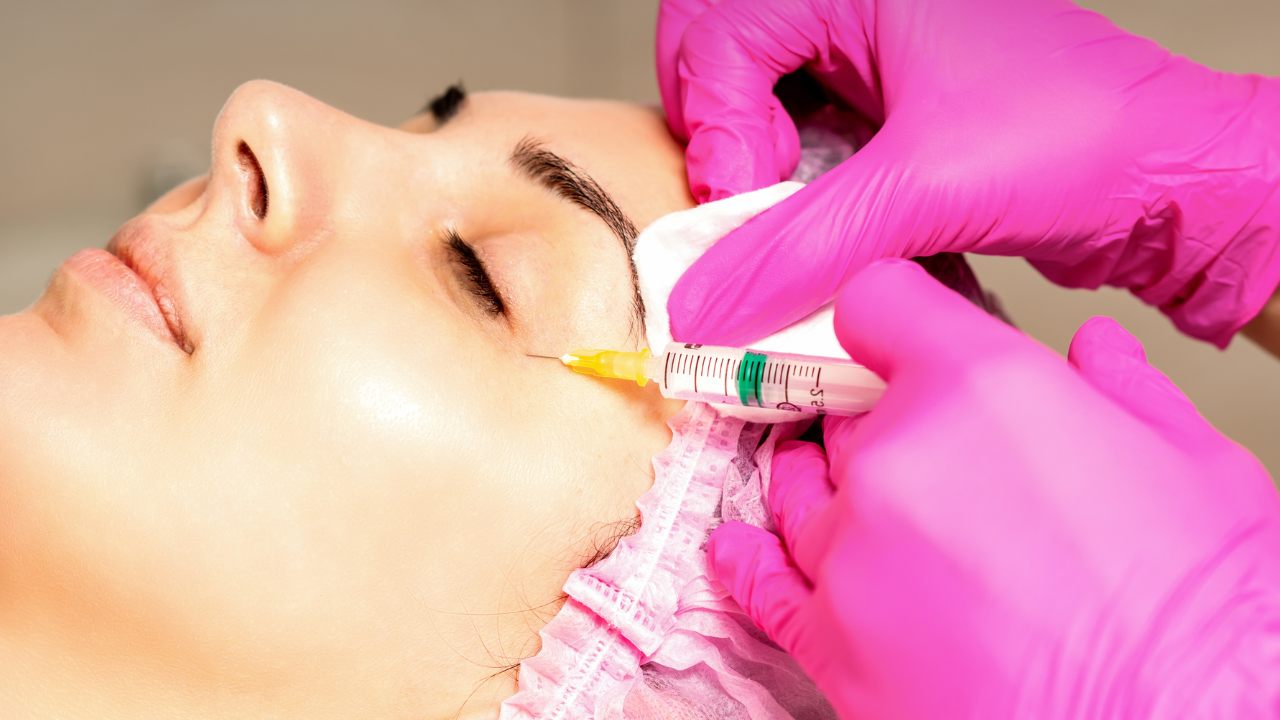
While PRP injections are minimally invasive and have a relatively quick recovery period, there are several things you can do to speed up healing and maximize the benefits potentially:
Immediate Post-Injection Care
- Rest: Avoid strenuous activity or heavy lifting for the first 24-48 hours. Allow your body to focus on healing.
- Ice: Apply ice packs to the injection site to reduce swelling and discomfort.
- Compression: If applicable, use a compression bandage to help reduce swelling and provide support.
- Elevation: Keep the treated area elevated to minimize swelling further.
- Pain Management: Take over-the-counter pain medication (as your doctor recommends) if needed.
Lifestyle Tips
- Healthy Diet: To support the healing process, focus on a nutrient-rich diet with plenty of fruits, vegetables, and lean protein.
- Hydration: Drink plenty of water to stay hydrated and aid in tissue repair.
- Avoid Alcohol and Smoking: These can hinder healing and may negatively impact the results of the PRP treatment.
- Gentle Movement: Light activities like walking can help promote circulation and prevent stiffness.
- Follow Doctor’s Instructions: Always follow your doctor’s specific post-injection care instructions.
Additional Considerations
- Physical Therapy: If your doctor recommends, physical therapy exercises can help promote strength and flexibility in the treated area.
- Massage: Gentle massage around the injection site (after initial healing) might help reduce stiffness and improve blood flow.
- Supplements: Certain supplements, such as vitamin C, vitamin D, and zinc, may help support healing. However, it’s essential to consult your doctor before taking supplements.
Conclusion
Current evidence does not show that routine caffeine intake after PRP predictably worsens recovery or reduces treatment effectiveness. Caffeine can influence platelet and cardiovascular physiology, but those findings should not be overstated into a clinical rule.
For treatment-specific aftercare, follow the instructions given by the clinician who performed your PRP procedure and ask about caffeine if you have blood-pressure, heart-rhythm, anxiety, or other relevant medical concerns.
If you want to learn more about PRP injections, candidacy, risks, and treatment details, simply check our FAQ section. If you don’t find the query you are looking for, you can also book a consultation with us.