Supporting article: This evidence-focused article supports our primary PRP Under-Eye Treatment landing page and is intended to answer the narrower science/mechanism question.
Are you tired of looking in the mirror and seeing those stubborn dark circles under your eyes? You’re not alone. Dark circles can be a frustrating sign of stress, fatigue, or aging, making you look more tired than you feel.
But what if there was a way to conceal and treat these unwelcome shadows? Enter PRP (Platelet-Rich Plasma) therapy – a revolutionary approach turning heads in cosmetic treatments.
PRP for dark circles isn’t just another skincare fad; it’s a scientifically backed treatment that taps into your body’s healing power. Imagine using your body’s natural abilities to rejuvenate and restore the delicate skin under your eyes. Intriguing, right?
This blog post will dive into the fascinating science behind PRP and how it explicitly targets those pesky dark circles. We’ll explore everything from what PRP is to the nitty-gritty of how it works its magic.
Whether you’re a skincare enthusiast or just curious about new treatments, understanding the science behind PRP will give you insights into one of the most talked-about advancements in cosmetic care. So, let’s get ready to shed some light on those dark circles and discover how PRP might be the game-changer you’ve been looking for!
Understanding Dark Circles
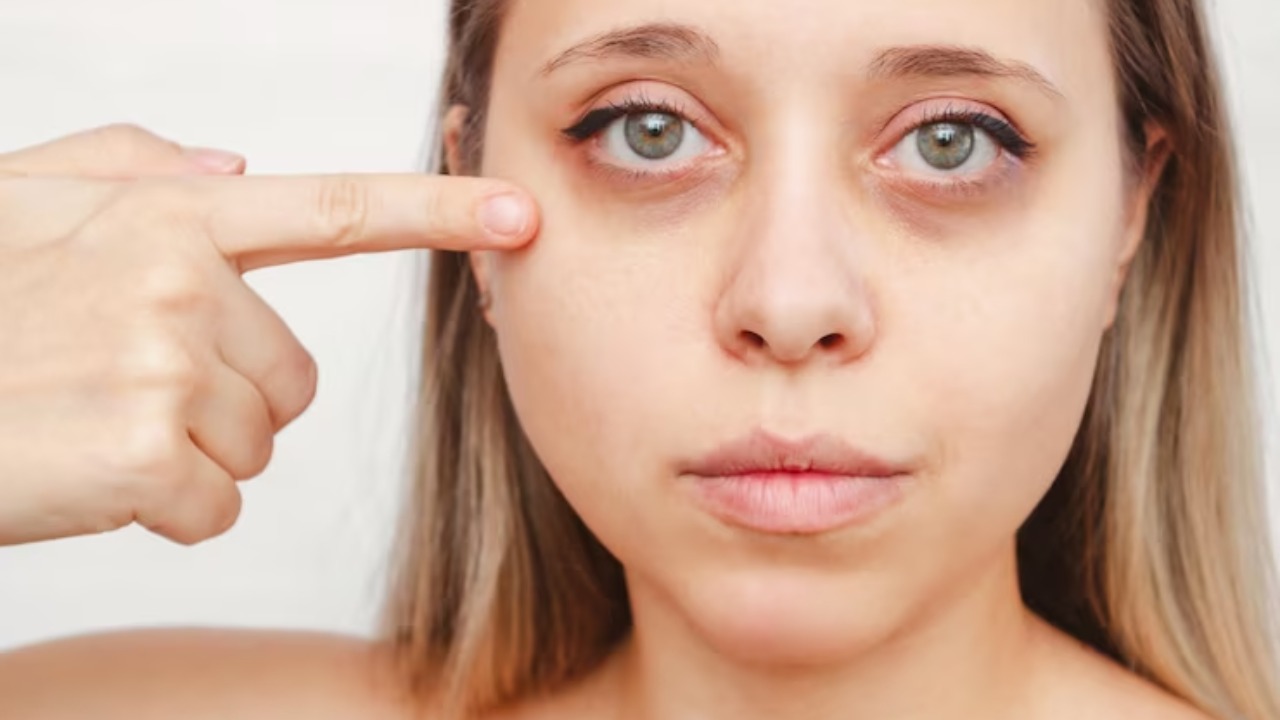
Dark circles are more than just signs of a sleepless night. They are visible discolorations or shadowing under the eyes, often accompanied by puffiness.
While they are usually harmless, dark circles can be a cosmetic concern for many, influencing their overall appearance and confidence. The skin under our eyes is the thinnest on our body, making it more prone to showing signs of stress, fatigue, or aging.
The Root Causes
Several factors contribute to the formation of dark circles. Genetics plays a crucial role; some people are predisposed to having darker skin pigmentation under their eyes.
Age is another essential factor. As we age, our skin loses collagen and becomes thinner, making the blood vessels underneath more visible. This visibility can give the appearance of dark circles.
Lifestyle and Environmental Factors
Lifestyle choices and environmental factors can exacerbate dark circles. Lack of sleep, high-stress levels, and dietary deficiencies can lead to skin pallor and the prominence of blood vessels.
Allergies and eye strain can also contribute, as they cause blood vessels to enlarge and become more visible. Environmental factors such as sun exposure can increase melanin production, leading to pigmentation in the under-eye area.
Health-Related Influences
In some cases, dark circles are indicative of underlying health issues. Dehydration can cause the skin to look more sunken and pale, emphasizing dark circles.
Certain medical conditions, like thyroid problems, can manifest as dark circles under the eyes. It’s essential to understand that dark circles are primarily a cosmetic issue; they can occasionally signify more significant health concerns.
The Psychological Impact
The presence of dark circles under eyes can affect more than just physical appearance; they can also impact mental well-being. People with prominent dark circles often feel self-conscious or less confident in social or professional settings.
This psychological aspect is a crucial reason why effective treatments, such as PRP therapy, are in high demand.
How Does PRP Work for Dark Circles?
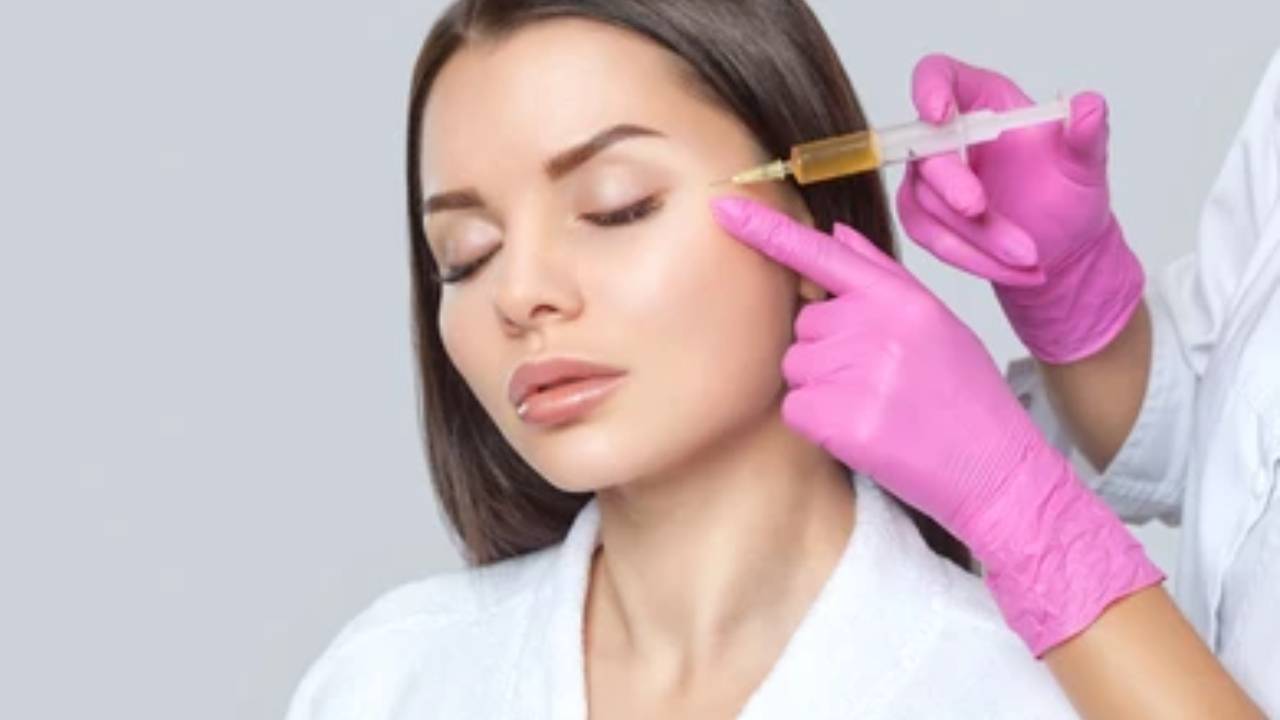
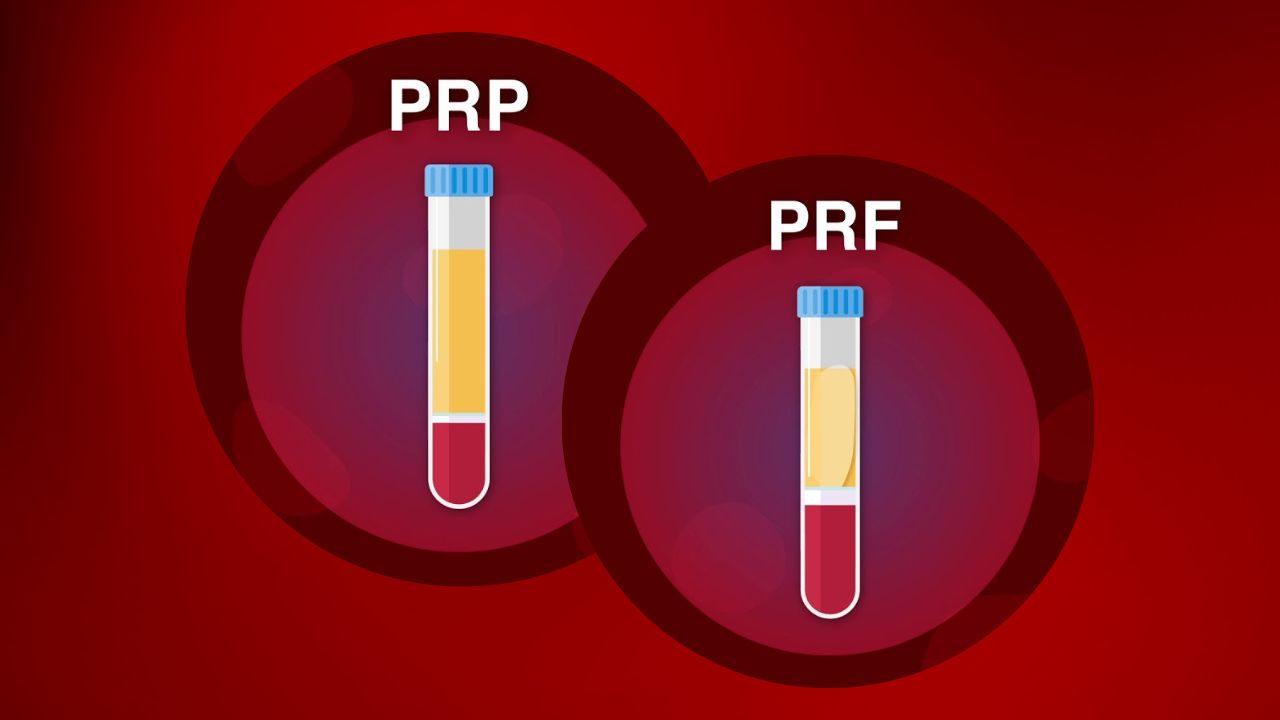
PRP therapy begins with drawing a small amount of the patient’s blood, which is then processed to concentrate the platelets. This Platelet-Rich Plasma, rich in growth factors and healing properties, is carefully injected into the under-eye area.
The process harnesses the body’s natural healing mechanisms, focusing them where they are most needed. These injections aim to rejuvenate the skin from within, addressing the root causes of dark circles.
Growth Factors to Stimulate Cell Renewal and Fluid Retention Reduction
PRP contains platelet-derived growth factors and signaling proteins that are being studied for their effects on local tissue responses, including pathways involved in collagen remodeling. In some patients, these changes may contribute to gradual improvement in skin texture or thickness, but the degree of benefit varies and PRP should not be described as proven tissue regeneration.
Additionally, they help reduce fluid retention, a common contributor to puffiness and shadowing under the eyes. This dual action of cell renewal and fluid retention reduction significantly diminishes the appearance of dark circles.
Use of Hyaluronic Acid as a Dermal Filler
In some PRP treatments, hyaluronic acid, a natural substance in our skin, is used alongside PRP as a dermal filler. Hyaluronic acid can provide immediate improvement in the appearance of the under-eye area by adding volume and hydration.
This combination treatment can enhance results, offering immediate cosmetic improvement and long-term rejuvenation.
Systematic Review of Studies Showing Positive Outcome with Liquid Gold Treatments
Various studies and clinical trials, often referred to as ‘Liquid Gold’ treatments, have supported the efficacy of PRP in treating dark circles. These systematic reviews highlight significant skin texture, tone, and color improvements following PRP therapy.
Patients report a reduction in dark circles and an overall rejuvenated appearance of the skin. These studies validate PRP as a promising, scientifically-backed treatment for those struggling with under-eye dark circles.
Benefits of PRP for Dark Circles
PRP for dark circles offers a comprehensive approach to rejuvenating the under-eye area.
Its ability to improve blood circulation, stimulate collagen and elastin production, and enhance skin tone and texture makes it an increasingly popular choice for those seeking a natural yet effective solution to under-eye concerns.
Reduced Eye Issues
One of the most significant benefits of PRP treatment for dark circles is its effectiveness in reducing the prominence of under-eye problems. Patients often notice a marked decrease in the darkness and puffiness around their eyes.
This reduction is due to the healing properties of PRP, which not only address the cosmetic appearance but also improve the overall health of the skin in this delicate area.
Improved Blood Flow and Circulation
PRP therapy enhances blood flow and circulation in the under-eye region. Improved circulation means more oxygen and nutrients reach the skin, contributing to a healthier, more vibrant appearance.
This increased blood flow also helps reduce the accumulation of blood under the eyes, a common factor contributing to dark circles.
Increased Collagen Production
Collagen is an important structural protein in skin. PRP is being studied for signaling effects that may influence collagen remodeling in treated tissue, but the amount of clinical change varies between patients.
As the skin under the eyes thickens with increased collagen, it becomes less translucent, masking the dark circles caused by visible blood vessels or hollow tear troughs.
Improved Elastin Production
Alongside collagen, elastin contributes to skin elasticity. PRP is being studied for effects on skin remodeling, but it should not be presented as reliably increasing elastin or tightening under-eye skin in every patient.
This improvement in elasticity reduces sagging and puffiness, contributing to a more youthful and refreshed appearance.
Smoother Skin Tone and Texture
Patients undergoing PRP therapy often report a smoother skin tone and texture. The treatment helps even out pigmentation and improves skin quality, leading to a more uniform and radiant under-eye area.
This benefit is particularly appreciated by those who have struggled with uneven skin texture or chronic dark circles, offering them a more consistent and bright skin appearance.
Risks Involved in PRP Treatment for Dark Circles
While PRP treatment for dark circles is a promising option with numerous benefits, patients need to be aware of the potential risks and side effects.
Consulting with a reputable healthcare provider, understanding the procedure, and having realistic expectations are essential steps before undergoing PRP therapy.
Possible Side Effects from the Procedure
While PRP treatment for dark circles is generally considered safe, primarily since it uses the patient’s blood, there are some potential side effects and risks involved, similar to any medical procedure.
Mild Pain and Discomfort

During the PRP injection process, patients may experience mild pain and discomfort. The sensitivity of this varies depending on the individual’s pain threshold. The under-eye area is particularly delicate, making the injections slightly more uncomfortable than in other areas.
Swelling and Bruising
Swelling and bruising at the injection site are common side effects. The under-eye skin is thin and sensitive, making it prone to swelling after prp injection under eyes. While these symptoms are typically temporary, lasting a few days to a week, they can be noticeable and may require some downtime.
Infection Risk
As with any procedure involving injections, there is a small risk of infection. However, this risk is minimized by following strict sterile techniques and proper aftercare. Patients should follow their practitioner’s guidelines to reduce the likelihood of infection.
Allergic Reactions
Even though PRP uses the patient’s blood, reducing the risk of allergic reactions, there is still a tiny chance of an adverse response to other materials used during the procedure, such as the anticoagulant or numbing agent.
Individual Variation in Results
The effectiveness of PRP treatment can vary from person to person. Factors such as age, lifestyle, and the extent of dark circles can influence the outcomes.
Some patients may require multiple sessions to achieve desired results, and in a few cases, the treatment might not be as effective as anticipated.
Need for Expertise
The success and safety of PRP treatment largely depend on the skill and experience of the practitioner. Choosing a qualified and experienced professional minimizes risks and ensures the best possible outcome.
For treatment candidacy, expected benefits, risks, alternatives, and the clinical process, see our PRP Under Eyes service page.
\r\n
Conclusion
PRP (Platelet-Rich Plasma) therapy presents a groundbreaking approach to tackling the persistent issue of dark circles. Its unique method of utilizing the body’s healing mechanisms offers a natural and effective solution. PRP is a holistic treatment that stimulates collagen and elastin production, improving blood flow and skin texture.
Although there are potential risks like mild discomfort, swelling, and individual variations in results, these are generally outweighed by the promising outcomes many patients experience. It’s essential to approach PRP treatment with realistic expectations and under the guidance of a skilled professional.
As we’ve explored, the science behind this innovative therapy is robust, offering more than just cosmetic benefits but also a boost in confidence and psychological well-being. If dark circles have been a long-standing concern for you, PRP therapy could be the key to unlocking a brighter, more refreshed appearance.