...
Yelp Logo

CALL US NOW +1-844-669-0939

PRP for Painful Sex (Dyspareunia): What the Evidence Shows

Editorial medical review pending. This educational content has not yet received documented physician sign-off. The clinical claims and references are subject to physician verification.

Quick answer: PRP has been explored in small studies involving female sexual dysfunction and pain with intercourse, but evidence is not strong enough to consider it an established treatment for dyspareunia. Painful sex has many possible causes, and identifying the cause is essential.

Common causes of painful intercourse

  • Genitourinary syndrome of menopause and vaginal dryness
  • Pelvic-floor muscle spasm or dysfunction
  • Vulvodynia or vestibulodynia
  • Infection or inflammation
  • Endometriosis or pelvic pathology
  • Dermatologic conditions
  • Postpartum injury or scarring
  • Psychological and relationship factors

What does PRP research show?

Some small studies and combination-treatment studies report improvement in pain or sexual-function scores, but the literature is heterogeneous and often combines PRP with other interventions. That makes it difficult to know how much benefit, if any, comes from PRP itself.

What should happen before considering PRP?

A clinician should first determine whether the pain is superficial or deep, whether dryness or hormonal changes are present, and whether pelvic-floor, infectious, dermatologic, or gynecologic causes need targeted treatment.

For related symptoms, see PRP and vaginal dryness and the main female sexual-function PRP page.

Important: PRP for sexual-function concerns is investigational/off-label. Evidence is limited and heterogeneous, and PRP should not be presented as a proven cure or replacement for established evaluation and treatment.

Medical references

PRP for Stress Urinary Incontinence in Women: Evidence, Limits & Alternatives

Editorial medical review pending. This educational content has not yet received documented physician sign-off. The clinical claims and references are subject to physician verification.

Quick answer: PRP injections have been studied experimentally for female stress urinary incontinence, but evidence remains limited and does not replace established evaluation or treatments such as pelvic-floor muscle therapy, pessary options, or surgery when appropriate.

What is stress urinary incontinence?

Stress urinary incontinence is leakage with activities that increase abdominal pressure, such as coughing, laughing, sneezing, running, or lifting. It is different from urgency incontinence, although some women have both.

What has PRP research found?

A systematic review identified several small studies of periurethral PRP for female stress urinary incontinence. Some reported improvement in symptom scores, but evidence quality was low. In the randomized study included in that review, midurethral sling surgery produced stronger outcomes than PRP on several validated measures.

Why the diagnosis matters

Urinary leakage can result from stress incontinence, overactive bladder, infection, pelvic organ prolapse, neurologic disease, medication effects, or a combination. Treatment depends on the type and severity.

Established options

Pelvic-floor muscle training is often a first-line approach. Other options can include pessaries, continence devices, urethral bulking agents, or surgical procedures depending on the patient. PRP should be discussed only with clear counseling that it remains investigational.

See our PRP for female sexual dysfunction overview.

Important: PRP for sexual-function concerns is investigational/off-label. Evidence is limited and heterogeneous, and PRP should not be presented as a proven cure or replacement for established evaluation and treatment.

Medical references

PRP for Orgasm Difficulty and Reduced Genital Sensation: What We Know

Editorial medical review pending. This educational content has not yet received documented physician sign-off. The clinical claims and references are subject to physician verification.

Quick answer: PRP is sometimes promoted for reduced genital sensation or difficulty reaching orgasm, but high-quality evidence is limited. Orgasmic difficulty can have hormonal, neurologic, medication-related, pelvic-floor, pain-related, and psychological causes, so evaluation should come before treatment.

Why orgasm difficulty occurs

  • Menopause or other hormonal changes
  • Antidepressants and other medications
  • Pelvic-floor dysfunction or pain
  • Neurologic conditions
  • Reduced arousal or lubrication
  • Relationship or psychological factors
  • Prior pelvic surgery or childbirth injury

What has been studied with PRP?

Small studies have included sexual-function questionnaires that measure desire, arousal, lubrication, orgasm, satisfaction, and pain. Some reported improvement after PRP, but study quality and protocols vary, and the evidence does not establish predictable benefit for orgasmic dysfunction.

What a consultation should address

The goal is to identify the dominant cause or causes, review medications and hormonal status when relevant, assess pain and pelvic-floor symptoms, and discuss established treatments. PRP can then be discussed honestly as an investigational option if appropriate.

See the main female sexual-function PRP page.

Important: PRP for sexual-function concerns is investigational/off-label. Evidence is limited and heterogeneous, and PRP should not be presented as a proven cure or replacement for established evaluation and treatment.

Medical references

Vaginal Dryness and Menopause: Established Treatments and What PRP Evidence Shows

Editorial review draft — physician approval required before publication.

Quick answer: Vaginal dryness during and after menopause is commonly associated with genitourinary syndrome of menopause (GSM). Platelet-rich plasma (PRP) injections have been studied for some vaginal and sexual symptoms, but the evidence remains preliminary. PRP is not an established or FDA-approved treatment for GSM, and proven treatments should be discussed first.

What causes vaginal dryness during menopause?

Declining estrogen levels can affect the vulva, vagina and lower urinary tract. Tissue may become less elastic and more fragile, lubrication may decrease, and intercourse may become uncomfortable. These changes are often grouped under the term genitourinary syndrome of menopause. Unlike hot flashes, GSM frequently persists without treatment. Symptoms can include dryness, burning, irritation, painful intercourse and urinary discomfort. Similar symptoms can also occur before menopause or with breastfeeding, medications, cancer treatment and certain inflammatory skin disorders.

Not every case of dryness is caused by menopause. Infection, vulvar skin conditions, medication effects, pelvic-floor muscle tension and inadequate arousal can produce overlapping complaints. That is why a clinical assessment matters more than selecting an injection based on symptoms alone.

What is platelet-rich plasma?

PRP is prepared from a sample of a patient’s own blood. After processing, a portion containing concentrated platelets is used in a procedure. Platelets contain signaling proteins involved in tissue repair, which provides a biological rationale for research. However, a plausible mechanism does not establish that an injection improves vaginal dryness, restores sexual function or provides lasting benefit.

Preparation methods, platelet concentrations, injection locations, number of sessions and follow-up periods vary across studies. These differences make results difficult to compare and prevent clinicians from defining a reliable standard protocol for menopausal symptoms.

What does the research actually show?

Small studies have explored PRP for vaginal symptoms and female sexual dysfunction. Some report improvement in patient questionnaires covering lubrication, pain, arousal or satisfaction. Yet many studies are small, lack rigorous controls or combine PRP with other interventions. Improvements may reflect other treatments, placebo effects, natural variation or changes in related health conditions. Long-term effectiveness and the frequency of adverse effects remain uncertain.

Importantly, research on female sexual function is not identical to research on GSM. A study showing a change in a sexual-function questionnaire does not prove that PRP treats estrogen-related vaginal tissue changes. Patients should be cautious about advertisements that turn preliminary findings into claims of rejuvenation, guaranteed orgasms or permanent restoration.

Which established treatments should be considered first?

Management depends on symptoms, medical history and preferences. Nonhormonal vaginal moisturizers used regularly and lubricants used with sexual activity can reduce friction and discomfort. When appropriate, low-dose vaginal estrogen is an evidence-supported treatment for GSM. Other prescription options may include vaginal prasterone or oral ospemifene in selected patients. Systemic menopausal hormone therapy may be relevant when broader menopausal symptoms also require treatment, but it is not automatically the first choice for isolated vaginal dryness.

Pelvic-floor physical therapy may help when muscle tension or pain contributes to intercourse discomfort. A clinician may also need to treat infection, dermatitis, vulvar pain disorders or medication-related symptoms. Treatment choices require individualized discussion, especially with a history of hormone-sensitive cancer or other complex conditions.

Is vaginal PRP safe?

Because PRP is derived from the patient’s blood, it is sometimes described as natural. That description should not be confused with proven safety. Blood collection and injection can cause discomfort, bruising, bleeding, infection or tissue injury. Risks depend on the procedure and patient factors, and robust safety data for genital injections remain limited. Sterile technique, appropriate training and careful patient selection are essential. Patients taking anticoagulants or living with bleeding disorders or active infections may need special evaluation.

Who should seek a medical evaluation?

Persistent dryness, painful intercourse, bleeding after intercourse, unusual discharge, new pelvic pain or urinary symptoms deserve evaluation rather than assumptions about menopause. Postmenopausal bleeding in particular requires timely medical assessment. A visit should review the timing of symptoms, medications, prior treatments, medical history and whether an examination or testing is indicated.

Questions to ask before considering PRP

  • What diagnosis explains my symptoms, and what other causes have been excluded?
  • Which established treatments are appropriate for me?
  • What clinical studies support PRP for my specific symptom?
  • Is the proposed use investigational, and what outcomes are realistic?
  • How many sessions are proposed, what are the risks, and what will follow-up involve?
  • What is the full cost, and what happens if symptoms do not improve?

Where PRP fits in a responsible discussion

PRP may be discussed as an investigational intervention after an appropriate evaluation and an explanation of established options. It should not replace evidence-based GSM treatment or be presented as a cure. For patients considering it, informed consent should clearly distinguish promising hypotheses from demonstrated clinical benefit.

Our PRP for female sexual dysfunction treatment overview explains the broader clinical context. For a separate discussion of patient-reported outcomes, see vaginal PRP results and expectations.

Medical references and further reading

Medical disclaimer: This article is educational and does not replace individual medical advice. PRP for vaginal dryness and sexual-function concerns remains investigational; efficacy and long-term safety are not established. Draft pending physician review.

PRP vs Shockwave Therapy for Erectile Dysfunction: Evidence & Differences

Editorial medical review pending. This educational content has not yet received documented physician sign-off. The clinical claims and references are subject to physician verification.

Quick answer: PRP injections and low-intensity shockwave therapy are different investigational or emerging approaches for ED. Shockwave therapy has been studied more extensively in vasculogenic ED, but protocols and long-term outcomes remain variable. PRP evidence is more limited.

How the approaches differ

Feature PRP Low-intensity shockwave
Method Autologous platelet concentrate injected into penile tissue External acoustic-energy treatment
Injections Yes No
Evidence base Limited and inconsistent Larger but still heterogeneous
Standardized protocol No No universal protocol
Established replacement for PDE5 inhibitors No No

Which has stronger evidence?

Low-intensity shockwave therapy has a broader clinical literature, particularly for vasculogenic ED, but results depend on device type, energy settings, patient selection, and protocol. PRP has fewer high-quality controlled studies. Neither should be marketed as a guaranteed regenerative cure.

Why diagnosis still comes first

Neither approach substitutes for evaluating cardiovascular disease, diabetes, testosterone status when appropriate, medication effects, neurologic causes, or psychological contributors. A patient with severe arterial disease or post-surgical neurovascular injury may have a very different prognosis from a patient with mild vasculogenic ED.

See our PRP for ED page for treatment details and current limitations.

Important: PRP for sexual-function concerns is investigational/off-label. Evidence is limited and heterogeneous, and PRP should not be presented as a proven cure or replacement for established evaluation and treatment.

Medical references

Why Erectile Dysfunction Should Be Evaluated—Not Just Treated With a Pill

Editorial medical review pending. This educational content has not yet received documented physician sign-off. The clinical claims and references are subject to physician verification.

Quick answer: Erectile dysfunction is a symptom, not a single diagnosis. Medication can be effective, but ED may also be an early clue to vascular disease, diabetes, medication effects, testosterone deficiency, sleep problems, neurologic disease, or psychological factors.

ED can be a vascular warning sign

Penile arteries are small, and vascular dysfunction can become clinically apparent as erectile difficulty. For some men, ED appears before overt cardiovascular symptoms. That does not mean every man with ED has heart disease, but it is one reason a medical history and risk assessment matter.

Common medical contributors

  • Hypertension and atherosclerotic risk
  • Diabetes and insulin resistance
  • Obesity and inactivity
  • Smoking
  • Medication adverse effects
  • Low testosterone when accompanied by compatible symptoms and confirmed testing
  • Sleep disorders
  • Neurologic disease
  • Pelvic surgery or radiation
  • Anxiety, depression, performance concerns, or relationship factors

Why a pill may work without answering the cause

Sildenafil and tadalafil improve erectile physiology for many men, but a response does not rule out an underlying health issue. Likewise, a poor response does not automatically mean a patient needs an injectable or regenerative procedure.

My approach

I start with the pattern of symptoms, medical history, medications, cardiovascular and metabolic risk, and laboratory testing when appropriate. Treatment can then be individualized. Standard options may include PDE5 inhibitors, risk-factor treatment, hormone treatment when true deficiency is present, vacuum devices, intracavernosal therapy, counseling, or urologic evaluation. PRP is a separate investigational discussion.

Related: PRP for erectile dysfunction and PRP vs Viagra/Cialis.

Medical references

PRP for Erectile Dysfunction: What Does the Scientific Evidence Show?

Editorial medical review pending. This educational content has not yet received documented physician sign-off. The clinical claims and references are subject to physician verification.

Quick answer: Clinical research on platelet-rich plasma for erectile dysfunction is promising enough to justify continued study, but not strong enough to establish PRP as routine standard-of-care therapy. Trials are small, preparation methods vary, and results have not been consistent.

Why PRP is being studied for ED

PRP contains platelets and signaling proteins involved in tissue repair biology. Researchers have investigated whether these signals might influence vascular or erectile tissue. A biologically plausible mechanism, however, is not the same as proven clinical effectiveness.

What randomized studies have found

Some randomized studies have reported improvements in erectile-function scores after intracavernosal PRP, while others have not shown a significant advantage over placebo. Differences in platelet concentration, injection technique, number of sessions, baseline ED severity, and follow-up make studies difficult to compare.

What major guidelines say

The American Urological Association has classified PRP for ED as experimental. European guidance has noted mild improvements in some studies but insufficient evidence for routine recommendation. This is why we do not describe PRP as a cure or as superior to established ED therapy.

What patients should take from the evidence

PRP may ultimately prove useful for a subset of men, but we do not yet know the optimal candidate, dose, preparation, number of sessions, or durability. Men considering it should understand the uncertainty and should still receive an evaluation for cardiovascular, metabolic, hormonal, medication-related, neurologic, and psychological contributors.

For practical comparisons, see PRP vs Viagra and Cialis and our main PRP for ED treatment page.

Important: PRP for sexual-function concerns is investigational/off-label. Evidence is limited and heterogeneous, and PRP should not be presented as a proven cure or replacement for established evaluation and treatment.

Medical references

Who Is a Good Candidate for PRP for Erectile Dysfunction?

Editorial medical review pending. This educational content has not yet received documented physician sign-off. The clinical claims and references are subject to physician verification.

Quick answer: There is no universally accepted evidence-based “ideal candidate” for PRP injections for erectile dysfunction because PRP remains investigational. Published studies have generally focused on men with mild to moderate organic or vasculogenic ED. The more important first step is determining why ED is occurring.

Why the cause of ED matters

Erectile dysfunction can be associated with vascular disease, diabetes, hypertension, medication effects, low testosterone, neurologic disease, pelvic surgery, sleep problems, smoking, obesity, psychological factors, and relationship factors. A treatment decision is stronger when it follows a diagnosis rather than simply a symptom.

Men who may be considered for a discussion about PRP

In research and clinical discussions, PRP is most often considered in men with mild to moderate erectile dysfunction who understand that the evidence is limited and who want to discuss investigational options alongside standard care. Men who have not been properly evaluated, have severe untreated cardiovascular risk, active infection, bleeding disorders, platelet disorders, or certain hematologic conditions may need additional evaluation or may not be appropriate candidates.

What if Viagra or Cialis is not working?

Failure of sildenafil or tadalafil does not automatically mean PRP is the next step. Dose, timing, sexual stimulation, medication interactions, vascular disease, diabetes, testosterone deficiency, neurologic disease, and post-prostate treatment changes should be reviewed first. Read our PRP vs Viagra and Cialis comparison.

What I evaluate before discussing PRP

  • Pattern and duration of ED
  • Cardiovascular and metabolic risk factors
  • Medication and supplement review
  • Testosterone testing when clinically appropriate
  • Prior response to PDE5 inhibitors
  • History of pelvic surgery or neurologic disease
  • Expectations and understanding of the investigational evidence

“The most important question is not whether someone can receive PRP. It is why the erectile dysfunction is occurring and whether we have addressed established causes and treatments first.” — David Nazarian, MD

Learn more on our main PRP for erectile dysfunction page.

Important: PRP for sexual-function concerns is investigational/off-label. Evidence is limited and heterogeneous, and PRP should not be presented as a proven cure or replacement for established evaluation and treatment.

Medical references

PRP vs Viagra and Cialis for Erectile Dysfunction: Evidence & Differences

Editorial medical review pending. This educational content has not yet received documented physician sign-off. The clinical claims and references are subject to physician verification.

Quick answer: Sildenafil (Viagra) and tadalafil (Cialis) are established PDE5-inhibitor treatments for erectile dysfunction and are recommended as first-line therapy for many men unless contraindicated. PRP injections for erectile dysfunction are being studied, but current evidence is not strong enough to consider PRP a replacement for PDE5 inhibitors. The best treatment depends on the cause of ED, cardiovascular health, medications, testosterone status, treatment goals, and response to standard therapy.

PRP vs Viagra and Cialis for Erectile Dysfunction

Men often ask whether PRP for erectile dysfunction can replace medications such as sildenafil or tadalafil. At this point, I would not frame the choice that way.

Viagra and Cialis work through a well-established pharmacologic pathway. They inhibit phosphodiesterase type 5 (PDE5), allowing cyclic GMP signaling to remain active longer in penile smooth muscle. In men with appropriate vascular and neurologic function, this can improve the ability to achieve and maintain an erection in response to sexual stimulation.

PRP is fundamentally different. It is prepared from the patient’s own blood and contains concentrated platelets and signaling proteins. Researchers are studying whether these platelet-derived signals may influence vascular or erectile-tissue biology. That is an interesting concept, but the clinical evidence remains limited.

“I do not see PRP as a substitute for Viagra or Cialis. I see it as an experimental biologic approach that still needs better evidence before we can say exactly who benefits, how much, and for how long.” — David Nazarian, MD

What Is the Best-Established First-Line Treatment?

For many men with erectile dysfunction, oral PDE5 inhibitors remain the best-established first-line medical therapy. Current European Association of Urology guidance recommends PDE5 inhibitors as first-line treatment for ED, and the American Urological Association recommends discussing FDA-approved PDE5 inhibitors such as sildenafil, tadalafil, vardenafil, and avanafil unless contraindicated.

That does not mean every patient should automatically receive a PDE5 inhibitor. ED can be a sign of cardiovascular disease, diabetes, medication effects, testosterone deficiency, neurologic disease, pelvic surgery, psychological factors, or other conditions. Evaluation matters.

Viagra vs Cialis: What Is the Difference?

Feature Sildenafil (Viagra) Tadalafil (Cialis) PRP
Type PDE5 inhibitor medication PDE5 inhibitor medication Autologous platelet-based injection
Evidence for ED Established Established Limited / investigational
Typical use As needed As needed or daily Injection protocol varies
Duration Shorter acting Longer acting; efficacy may extend up to 36 hours Long-term durability not established
FDA-approved for ED Yes Yes No
Important limitation Cannot be combined with nitrates Cannot be combined with nitrates Insufficient evidence for routine ED use

How Strong Is the Evidence for PRP in Erectile Dysfunction?

Several clinical studies have evaluated intracavernosal PRP in men with erectile dysfunction. Some trials have reported modest improvement in erectile-function scores, especially in men with mild to moderate organic or vasculogenic ED.

However, there are major limitations: small sample sizes, different PRP preparation methods, different injection protocols, short follow-up periods, and uncertainty about long-term durability. The European Association of Urology notes that PRP injections have produced mild improvement in some studies but that the available evidence remains insufficient to provide a recommendation for routine use. The AUA guideline has historically classified PRP therapy for ED as experimental.

For that reason, PRP should not be marketed as a proven cure for erectile dysfunction or as superior to established therapy.

Can PRP Help Men Who Do Not Respond to Viagra or Cialis?

That question is clinically more interesting than simply asking whether PRP is “better.” A man who does not respond to sildenafil or tadalafil may have several possible reasons for treatment failure:

  • Incorrect dose or timing
  • Insufficient sexual stimulation
  • Medication interactions
  • Severe vascular disease
  • Diabetes
  • Low testosterone
  • Neurologic disease
  • Post-prostate surgery changes
  • Psychological or relationship factors

Before moving to an experimental therapy, I would first make sure the diagnosis is correct and that established options have been used appropriately.

Can PRP Be Used Together With Viagra or Cialis?

There is no standard evidence-based protocol proving that combining PRP with sildenafil or tadalafil produces better outcomes than established therapy alone. Some clinicians may use combination strategies, but the benefit of PRP as an add-on remains uncertain.

Medication use around any procedure should be individualized. Patients should not start, stop, or combine erectile-dysfunction medications without discussing their medical history and current medications with their clinician.

What About Nitrates and Heart Disease?

Sildenafil and tadalafil can cause dangerous hypotension when combined with nitrate medications. Tadalafil is also contraindicated with guanylate cyclase stimulators such as riociguat. Men with significant cardiovascular disease should be evaluated before ED treatment because erectile dysfunction itself can sometimes be an early vascular warning sign.

PRP does not eliminate the need for cardiovascular evaluation. Treating the erection without evaluating the underlying cause can miss an important diagnosis.

Is PRP for ED FDA Approved?

No. PRP injections are not FDA-approved specifically for erectile dysfunction. Devices used to prepare PRP may have FDA clearance for blood-processing purposes, but that is different from FDA approval of PRP as an ED treatment.

Who Might Be Considered for PRP Research or Experimental Treatment?

Potential candidates discussed in published studies have often included men with mild to moderate organic or vasculogenic ED. However, there is no universally accepted PRP protocol or evidence-based patient-selection standard for routine clinical care.

If a patient is considering PRP, I think the discussion should include the strength of evidence, alternatives, expected uncertainty, cost, potential risks, and the fact that established ED therapies remain available.

My Approach to Erectile Dysfunction Treatment

I start with the cause of the erectile dysfunction. Depending on the patient, that evaluation may include cardiovascular risk factors, glucose control, blood pressure, medication review, testosterone testing when appropriate, sleep, weight, smoking, vascular health, and psychological contributors.

For many men, sildenafil or tadalafil is a reasonable first-line treatment. Others may need dose optimization, a different PDE5 inhibitor, vacuum therapy, intracavernosal medication, hormone treatment when true testosterone deficiency is present, or urologic evaluation.

PRP is different because it remains investigational. I would rather explain that uncertainty clearly than present it as a guaranteed regenerative solution.

Related erectile dysfunction guides

Frequently Asked Questions

Is PRP better than Viagra for erectile dysfunction?

Current evidence does not show that PRP is better than sildenafil. Sildenafil is an established, FDA-approved treatment for ED; PRP remains experimental.

Is PRP better than Cialis?

There is not enough evidence to conclude that PRP is better than tadalafil. Tadalafil is an established PDE5 inhibitor and can be used either as needed or in a daily regimen depending on the patient.

Does PRP permanently cure erectile dysfunction?

No reliable evidence shows that PRP permanently cures ED. Any claim of permanent restoration would go beyond current clinical evidence.

Can I take Viagra or Cialis after PRP?

Medication timing should be individualized by the treating physician. There is no universal evidence-based rule that applies to every PRP protocol or every patient.

Should I try PRP if Viagra or Cialis does not work?

Not automatically. First determine why the medication is not working. Dose, timing, cardiovascular disease, diabetes, testosterone deficiency, neurologic factors, and other causes should be evaluated before moving to an experimental therapy.

Medical References

Who Is a Good Candidate for PRP Hair Treatment? Early Hair Loss & Timing

Editorial medical review pending. This educational content has not yet received documented physician sign-off. The clinical claims and references are subject to physician verification.

Quick answer: The best candidates for PRP hair treatment are usually patients with early to moderate, non-scarring hair loss who still have miniaturized but viable hair follicles. In my clinical experience, patients who come in while the hair is thinning—before an area becomes smooth and completely bald—tend to have the best opportunity to respond. PRP is not a guaranteed hair-regrowth treatment, and diagnosis matters because not every type of hair loss should be treated with PRP.

Supporting article: This candidacy guide supports our primary PRP Hair Treatment & Hair Restoration landing page and focuses specifically on who may be a candidate.

Who Is a Good Candidate for PRP Hair Treatment?

When I evaluate someone for PRP hair treatment, one of the first things I look at is how early the hair loss is and whether the follicles still appear to be present and miniaturized rather than absent.

“I often tell patients that a thinning follicle can be in limbo. It may not be functioning normally, but it may still be biologically active. Those are the patients I am most interested in treating early, before we lose that opportunity.” — David Nazarian, MD

That is an important distinction. PRP cannot reliably recreate a hair follicle that is no longer present. The goal is to support follicles that are still there but are becoming progressively smaller and producing thinner hairs.

Why Earlier Hair Loss Usually Gives Us a Better Opportunity

In androgenetic alopecia—male or female pattern hair loss—hair follicles gradually miniaturize. The hairs become finer, shorter, and less visible over time. Earlier in that process, there may still be a functioning follicular unit that can potentially respond to treatment.

This is why I usually prefer to treat patients before they have long-standing, smooth bald areas. The earlier we identify the pattern and begin an appropriate treatment plan, the more options we usually have.

PRP has been studied most extensively for androgenetic alopecia. Systematic reviews have found that PRP may improve hair density and other hair-growth measures in selected patients, although study protocols vary and the overall quality of evidence is not uniform. That variability is important: PRP should be presented as a treatment option, not a guaranteed cure.

How PRP May Help Miniaturized Hair Follicles

PRP is prepared from the patient’s own blood and contains a concentrated platelet fraction. Platelets release signaling molecules including growth factors and cytokines that are involved in tissue repair, vascular signaling, and cell-to-cell communication.

Researchers have proposed several mechanisms that may be relevant to hair follicles, including:

  • Angiogenic signaling: PRP contains mediators such as VEGF and other growth factors that may support formation of new microvasculature and improve the local follicular environment.
  • Follicular signaling: PRP has been associated with signaling pathways involved in cell survival, proliferation, and the hair-growth cycle, including Wnt/β-catenin, Akt/ERK, and related pathways.
  • Support of the anagen phase: PRP may encourage susceptible follicles to enter or remain in the active growth phase longer.
  • Controlled microtrauma from injection: The injections themselves create small, intentional tissue injuries. Microtrauma can initiate a local wound-healing response, increase growth-factor signaling, and may contribute to increased local blood flow and vascular response.

I explain this to patients in practical terms: we are trying to improve the environment around a follicle that is struggling, not manufacture a brand-new follicle where none remains.

Does PRP “Revive” Hair Follicles?

I use the word “revive” conversationally with patients because it is an easy way to explain the concept, but medically the process is more nuanced. A follicle affected by androgenetic alopecia may become progressively miniaturized and produce thinner hair fibers while remaining biologically active.

PRP may support that follicle through growth-factor signaling, angiogenesis, and changes in the local tissue environment. However, if an area has been completely bald for many years and there are few recoverable follicular units remaining, PRP is much less likely to produce meaningful regrowth.

Who Tends to Be the Best PRP Hair Candidate?

The patients I am most interested in evaluating for PRP are those with:

  • Early or moderate androgenetic alopecia
  • Progressive thinning rather than completely smooth bald areas
  • Visible miniaturized hairs in the affected region
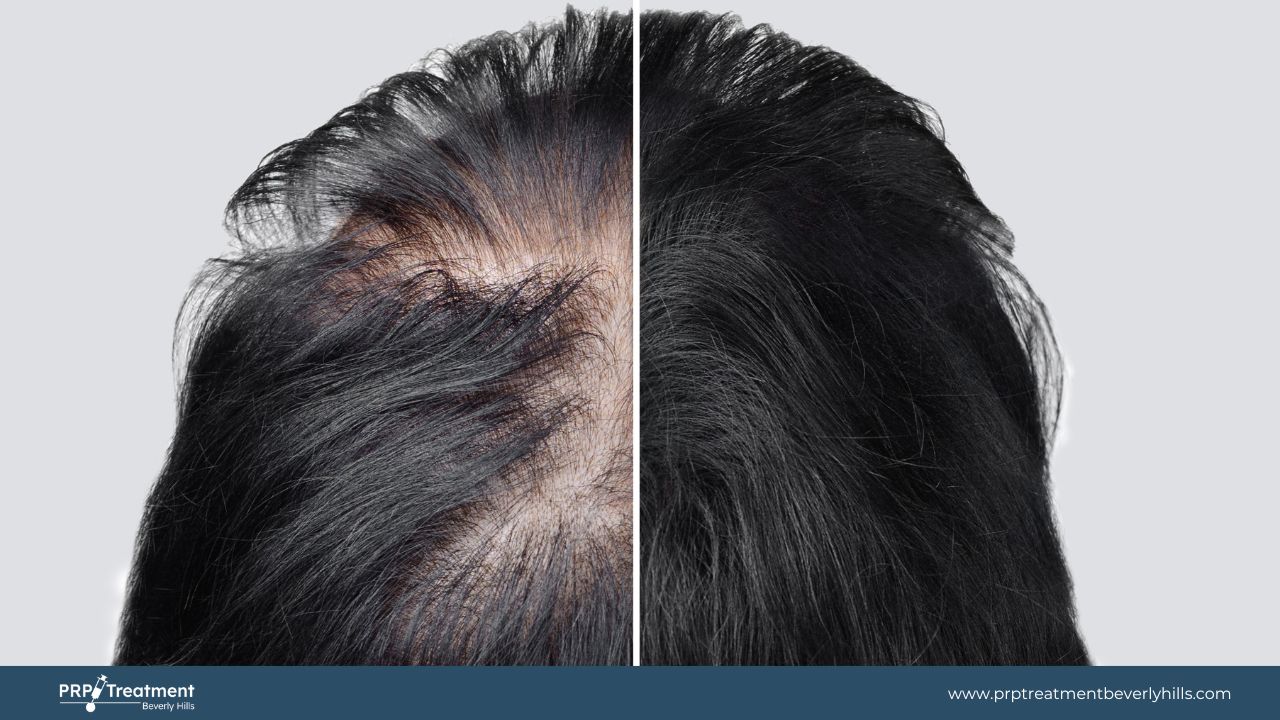
  • Recent widening of the part or thinning of the crown
  • Early recession with remaining follicular activity
  • A realistic understanding that PRP may improve density or thickness but does not guarantee full restoration

Men and women can both be candidates. The treatment plan may differ depending on the pattern of hair loss, age, hormonal factors, pregnancy potential, medications, and whether medical therapy such as minoxidil or finasteride is also appropriate.

Who May Not Be a Good Candidate?

PRP should not be used as a reflex treatment for every person who reports hair loss. Patients may be poor candidates when the underlying problem is not androgenetic alopecia or when there is advanced loss with limited remaining follicular activity.

Examples include:

  • Scarring alopecia: inflammatory scarring disorders can permanently destroy follicles and often require dermatologic evaluation and anti-inflammatory treatment.
  • Active infection: fungal or bacterial scalp disease should be diagnosed and treated first.
  • Uncorrected medical or nutritional causes: thyroid disease, iron deficiency, severe nutritional deficiency, medication effects, and systemic illness may need to be addressed.
  • Alopecia areata: autoimmune patchy hair loss has a different treatment pathway; intralesional corticosteroid therapy such as Kenalog may be appropriate in selected cases.
  • Long-standing smooth bald areas: if functional follicles are no longer present, PRP cannot be expected to recreate them.

For a broader explanation of these diagnoses, see our guide to alopecia causes and treatment.

Why Diagnosis Comes Before PRP

This is one of the most important points I want patients to understand: hair loss is a symptom, not a diagnosis.

Before recommending PRP, I want to know why the patient is losing hair. The pattern, rate of progression, scalp appearance, family history, medications, nutrition, recent illness, hormone history, and other medical factors all matter.

In some patients, evaluation may include dermoscopy, selected laboratory testing, fungal testing, or referral for scalp biopsy. A person with androgenetic alopecia should not be treated the same way as someone with alopecia areata, telogen effluvium, traction alopecia, or cicatricial alopecia.

PRP, Minoxidil, and Finasteride: Sometimes the Best Plan Is Combination Treatment

PRP does not necessarily replace established medical therapy. In appropriate patients, I may discuss combining PRP with treatments such as minoxidil or finasteride because they work through different mechanisms.

Minoxidil can support the hair-growth cycle, while finasteride reduces DHT-driven follicular miniaturization in appropriate male patients. PRP may provide an additional biologic stimulus. The best combination depends on the diagnosis and the individual patient.

For more detail, see our guide to finasteride, minoxidil, and PRP for hair loss and our article on how Rogaine/minoxidil works.

What About PRF for Hair Loss?

PRF hair treatment is another autologous blood-derived approach. It differs from PRP in preparation and in the fibrin matrix it contains. PRF is being studied for androgenetic alopecia, but the evidence base and treatment protocols remain less standardized.

I do not think the right question is simply “PRP or PRF—which is better?” The more important question is whether the patient has a type and stage of hair loss that is likely to benefit from a platelet-based treatment at all.

How Soon Should You Treat Hair Loss?

If you notice progressive thinning, widening of the part, reduced density at the crown, or early recession, I would rather evaluate it sooner than later. That does not mean everyone needs PRP immediately. It means we should identify the cause while more treatment options may still be available.

“With hair loss, time matters. I would rather see a patient when the follicles are miniaturizing than after an area has been completely bald for years.” — David Nazarian, MD

What Results Should You Expect?

PRP results vary. Some patients may see improvement in shedding, hair caliber, or density over several months, while others may have little visible response. Multiple sessions are commonly used in published protocols, but there is no single universally accepted regimen.

We track progress with standardized photographs and reassess whether the treatment is producing a meaningful benefit. See our guide to PRP hair before-and-after results and timeline.

My Approach to PRP Hair Restoration in Beverly Hills

My approach is simple: diagnose first, treat early when appropriate, and avoid promising that PRP can restore hair in every patient.

The best candidate is usually not the person with the most advanced hair loss. It is often the person who notices that the hair is starting to thin and still has miniaturized follicles that may be capable of responding.

If you are considering PRP hair restoration in Beverly Hills or Los Angeles, the first step is an evaluation to determine the cause and stage of the hair loss and whether PRP, PRF, medical therapy, or another approach makes the most sense.

Frequently Asked Questions

Is PRP better for early hair loss?

Generally, PRP is more biologically plausible when miniaturized but viable follicles remain. Long-standing smooth bald areas are less likely to respond because PRP cannot reliably create new follicles where functional follicular units are absent.

Can PRP bring back dead hair follicles?

PRP should not be described as reliably bringing dead follicles back to life. It may support miniaturized or struggling follicles that are still biologically active, but it cannot be expected to recreate a completely absent follicle.

Does PRP increase blood flow to hair follicles?

PRP contains angiogenic signaling molecules, including VEGF, and proposed mechanisms include angiogenesis and vascular support around hair follicles. Injection-related microtrauma may also contribute to a local wound-healing response and circulation changes.

What type of hair loss responds best to PRP?

The strongest clinical evidence is for androgenetic alopecia, also called male or female pattern hair loss. Other types of hair loss require diagnosis-specific treatment.

Is PRP FDA-approved for hair loss?

No. PRP is not FDA-approved specifically as a treatment for androgenetic alopecia. Preparation methods and treatment protocols vary, which is one reason results differ across studies.

Medical References