You’ve taken the leap and opted for PRP (Platelet-Rich Plasma) injection therapy, hoping to rejuvenate your skin and achieve a more youthful appearance.
Medically reviewed by David Nazarian, MD — Board Certified in Internal Medicine and Medical Director of PRP Treatment Beverly Hills.
Swelling after PRP is common, but there is no single recovery timeline for every treatment area. Most cases improve over several days; persistent, severe, or worsening symptoms should be medically reviewed.
Swelling after PRP injection can be unsettling, but understanding what to expect can help ease your mind and guide you through the recovery process. Let’s delve into the details and shed some light on how long swelling typically lasts after a PRP injection.
How Long Does Swelling Last After PRP Injection? Understanding The Healing Process
Swelling after a PRP injection is a normal part of the healing process and usually lasts a few days to a week.
The most significant swelling typically occurs within the first 24 to 48 hours after the injection. This is when the inflammatory response peaks, with growth factors and cells actively working at the injection site.
Most of the swelling should have diminished by the end of the first week. However, mild swelling might persist longer, especially in sensitive treatment areas like under the eyes.
Let’s explore this together, taking a closer look at the intricate healing process after a PRP injection.
Role of White Blood Cells in Healing
White blood cells play a crucial role in the body’s natural healing process. After a PRP injection, these cells spring into action, mobilizing to the site of injury or treatment. Their primary task is to fend off any potential threats, such as bacteria or foreign particles, and initiate the repair process.
While their presence may contribute to temporary swelling, it’s a vital part of the body’s defense mechanism and aids in tissue regeneration.
Platelet-rich Plasma and Cell Growth
The star of the show in PRP therapy is the platelet-rich plasma, or PRP, derived from your blood. Packed with growth factors and cytokines, PRP stimulates cell growth and accelerates tissue repair.
PRP injections can cause temporary swelling because of needle trauma, injected volume, local tissue response, and treatment-site anatomy. Swelling does not prove that collagen production or tissue regeneration is occurring.
Normal Activity Post-injection
After receiving a PRP injection, it’s essential to strike a balance between rest and activity to support optimal healing. While some degree of swelling is expected, it typically subsides within a few days to a week post-treatment.
During this time, it’s advisable to avoid strenuous activities or anything that may exacerbate swelling, such as excessive sun exposure or vigorous rubbing of the treated area. However, engaging in light activities and maintaining regular movement can aid circulation and promote the body’s natural healing mechanisms.
Dos and Don’ts After PRP Injection To Minimize Swelling
Here’s a straightforward guide by me on what you should and shouldn’t do to help ensure a smooth recovery.
Dos:
Keep It Clean
Gently wash the treated area with a mild cleanser to avoid any infection. Avoid using harsh soaps or scrubbing vigorously, as this can irritate the skin and exacerbate swelling. Pat the area dry with a clean towel rather than rubbing it.
Cold Compresses
Applying a cold compress can help reduce swelling and numb any minor discomfort. Use a clean cloth or an ice pack wrapped in a towel.
Apply it to the treated area for about 10-15 minutes every few hours during the first couple of days to help constrict blood vessels and reduce inflammation.
Stay Hydrated
Drink plenty of water to help your body heal more effectively. Proper hydration supports cellular repair and renewal, which is crucial after a PRP injection. Aim to drink at least eight glasses of water a day and avoid dehydrating beverages like caffeine and alcohol.
Follow Doctor’s Orders
Stick to any specific instructions or medications your healthcare provider gives you to manage swelling and discomfort. This might include taking prescribed medications, applying recommended topical treatments, or following activity restrictions. Your doctor’s advice is tailored to your specific needs, so it’s important to follow it closely.
Elevate When Possible
If the injection was in your lower body, keep the area elevated to help reduce swelling. Elevation helps decrease blood flow to the affected area, which can minimize swelling and pain.
For example, if you had PRP injections in your knee, try to keep your leg propped up on pillows when sitting or lying down.
Use Gentle Products
Opt for mild, non-irritating skincare products to avoid aggravating the treated area. Avoid products with strong fragrances, alcohol, or harsh chemicals. Instead, use gentle cleansers and moisturizers that support skin healing and hydration.
Get Rest
Make sure you’re getting enough sleep, as your body heals better when it’s well-rested. Aim for at least 7-8 hours of sleep per night. Resting not only supports the healing process but also helps reduce stress, which can impact recovery.
Light Activity
Engage in light activities like walking to promote blood circulation, which can help reduce swelling. Gentle movement encourages lymphatic drainage and prevents stiffness without putting too much strain on the treated area. Avoid strenuous activities until your doctor gives you the green light.
Don’ts:
Avoid Heat
Stay away from hot showers, saunas, or heating pads on the treated area for at least 48 hours, as heat can increase swelling. Instead, opt for lukewarm showers and avoid prolonged exposure to warm environments that could exacerbate inflammation.
No Intense Exercise
Hold off on strenuous physical activities for a few days post-injection. Intense activities can worsen swelling by increasing blood flow to the area. Stick to light, gentle exercises that do not put excessive stress on the treated area.
Don’t Rub or Massage
Avoid rubbing or massaging the treated area. This can disrupt the PRP and make swelling worse. Be gentle when touching or washing the area, and resist the urge to scratch or rub, even if it feels itchy or uncomfortable.
Skip Alcohol and Smoking
Both can slow down your healing process and increase swelling. Alcohol can dehydrate you and impair your immune response while smoking constricts blood vessels and reduces oxygen delivery to tissues. It’s best to avoid them while you’re recovering.
Limit Sun Exposure
Keep the treated area out of direct sunlight. UV rays can inflame the skin and prolong swelling. If you need to be outside, wear protective clothing and apply a broad-spectrum sunscreen to the area.
Avoid Anti-Inflammatory Medications
Unless your doctor says otherwise, steer clear of NSAIDs like ibuprofen, as they can interfere with the PRP’s healing process. These medications can inhibit the inflammation needed for PRP to work effectively. Use alternative pain relief methods suggested by your doctor.
Factors affecting swelling after PRP injection
Swelling is a common side effect after a Platelet-Rich Plasma (PRP) injection. Several factors can influence the degree and duration of swelling you might experience. Understanding these factors can help you manage and minimize swelling effectively.
Growth factors in PRP
The growth factors present in PRP play a crucial role in healing and tissue regeneration. These growth factors can initially cause swelling as they stimulate the body’s natural healing processes. This inflammatory response is necessary for tissue repair but can lead to temporary swelling in the treated area.
Platelet-rich Plasma Concentration
PRP preparations differ in platelet concentration, leukocyte content, activation, and volume. A higher platelet concentration should not be assumed to cause better long-term results, and swelling is not a marker of PRP quality.
Strenuous Activity Post-injection
Engaging in strenuous physical activities soon after your PRP injection can exacerbate swelling. Exercise increases blood flow to the treated area, which can heighten inflammation and prolong swelling.
It’s generally advised to avoid heavy exercise and strenuous activities for at least a few days post-injection to allow your body to heal and reduce swelling.
Use of Anti-inflammatory Medications
NSAID recommendations around PRP are not universal. Some protocols advise avoiding them because of potential effects on platelet function and inflammatory signaling, while clinical practice varies by indication and patient factors.
Follow the medication instructions provided by your treating clinician and do not stop prescribed medicines, including blood thinners, without medical guidance.
Blood Thinners and their Impact on Swelling
Blood thinners, including medications like aspirin and certain supplements, can impact the degree of swelling and bruising you experience after a PRP injection. These medications affect your blood’s ability to clot, potentially leading to more pronounced swelling and bruising.
Tell your healthcare provider about anticoagulants, antiplatelet drugs, and supplements before PRP. Do not pause prescribed blood thinners unless the prescribing clinician specifically advises it.
Common Side Effects After a PRP Injection
Allergic Reactions to the Injection
Although rare, allergic reactions can occur after a PRP injection. Since PRP is derived from your own blood, the risk of an allergic reaction is minimal compared to treatments involving foreign substances. However, some might experience reactions to the anticoagulants or other substances used in the preparation process.
Symptoms of an allergic reaction may include itching, redness, swelling, or hives at the injection site. If you experience difficulty breathing, a rapid heartbeat, or severe swelling, seek medical attention immediately, as these could be signs of a more serious reaction.
Swelling at the Injection Site
Swelling is a common short-term effect after some PRP injections. It may appear within the first day or two and often improves over several days, but the timeline varies substantially by treatment site, injection volume, technique, and patient factors.
Applying cold compresses, keeping the treated area elevated, and avoiding strenuous activities can help manage and reduce swelling. In most cases, the swelling subsides on its own as the healing process progresses.
Other Common Side Effects
- Pain or Discomfort: Mild to moderate pain at the injection site is common. This discomfort usually diminishes within a few days.
- Bruising: Due to the injection, minor bruising can occur, especially in areas with thinner skin or more blood vessels. This is typically harmless and resolves within a week.
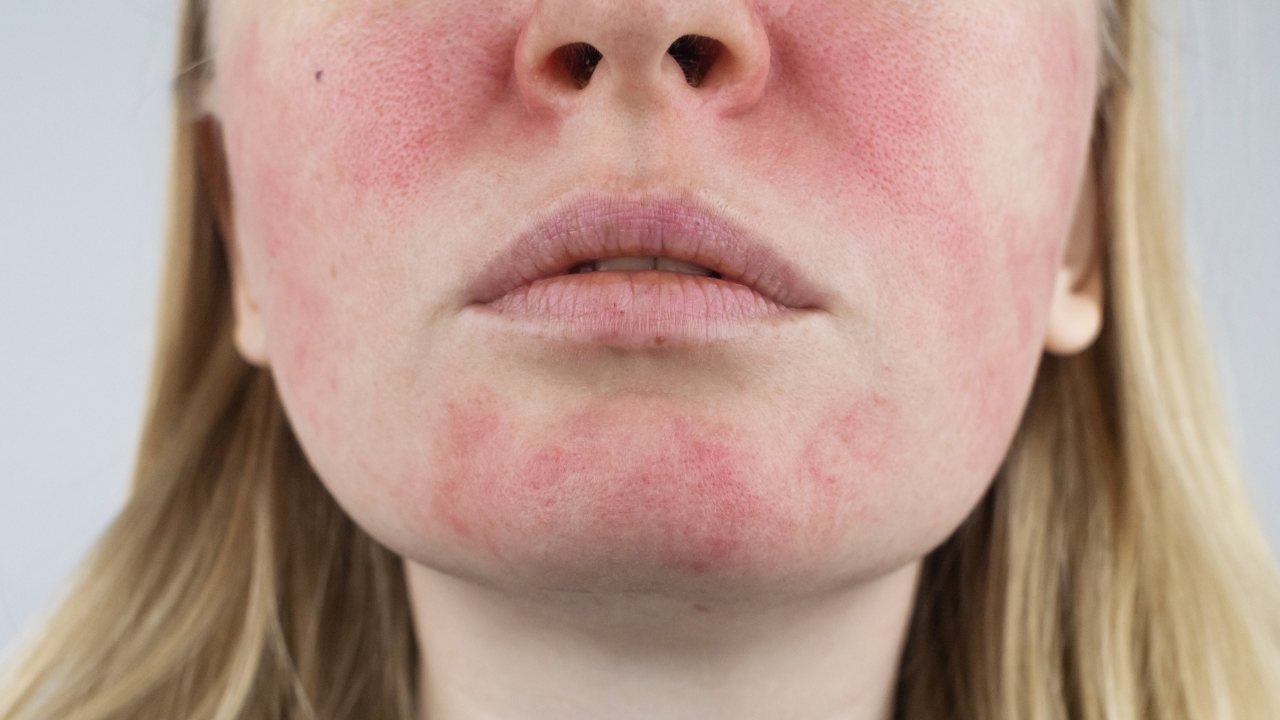
- Redness: The treated area may appear red and warm to the touch as part of the inflammatory response. This is a normal reaction and should improve as the swelling goes down.
- Temporary Numbness: Some patients might experience temporary numbness or tingling around the injection site, which usually resolves without intervention.
Conclusion
Swelling after a PRP injection is a normal part of the healing process, driven by the body’s natural inflammatory response. By being aware of common side effects and knowing what to expect, you can navigate your recovery with confidence and achieve the best possible results from your PRP treatment.
Feeling scared is also very normal. When you feel overwhelmed, I suggest you visit a medical professional. Hopefully, this blog has offered a few important insights about this issue. If you need our help with PRP therapy or have any questions for us, feel free to contact us.