...
Yelp Logo

CALL US NOW +1-844-669-0939

PRP Treatment: The Surprising Role of Caffeine in Platelet Count

PRP, or platelet-rich plasma, is a cutting-edge treatment option for various conditions and injuries. As a patient prepares for their PRP treatment, it’s essential to understand the factors that can influence the potential efficacy of the treatment.

One such factor is caffeine consumption, as it can alter platelet function and potentially impact the effectiveness of PRP. In this article, we’ll dive into the science behind why it’s recommended to avoid caffeine before a PRP treatment and other factors that may impact the treatment.

Why No Caffeine After PRP

Consuming caffeine after PRP (Platelet-rich Plasma) treatment is discouraged as it can increase blood flow and dilate blood vessels, potentially affecting the healing process of the treated area and worsening bruising and swelling. It’s best to avoid caffeine for a period recommended by your healthcare provider.

It is recommended to avoid caffeine, alcohol, Niacin supplement, spicy foods, and cigarettes between 1 to 3 days before and after your treatment. The exact time to avoid caffeine after PRP treatment can vary depending on the patient and their treatment.

Consultation with Dr. Nazarian, MD: $450
Credited toward your first treatment
Labs and imaging ordered when needed
  • PRP from $800 per session
  • PRF from $1,100 per session
  • Discounted 3-session packages on every treatment
  • See the full PRP and PRF price list
  • 4 tubes of blood drawn per session, more than many clinics use; 10 to 15 cc of PRP obtained
  • 4-ingredient numbing cream
  • 6-needle injector used for hair treatments
  • Providing PRP therapy since 2008
PRP Treatment & Therapy Specialist Beverly Hills - David Nazarian

How Does Caffeine Affect Platelet Count?

Medically reviewed by David Nazarian, MD — Board Certified in Internal Medicine and Medical Director of PRP Treatment Beverly Hills.

Caffeine and coffee can influence platelet reactivity through several pathways, but published findings are mixed and depend on dose, habitual intake, coffee constituents, and study conditions. Routine caffeine intake should not be described as predictably increasing or decreasing platelet aggregation.

A 2024 review concluded that caffeine may either stimulate or inhibit platelet reactivity depending on dose and exposure. These laboratory effects do not establish that coffee changes PRP treatment outcomes.

What to Avoid After PRP Injections?

After PRP (Platelet-rich Plasma) injections, it is recommended to avoid the following activities or substances:

  • Alcohol: It can increase bleeding and affect the healing process.
  • Anti-inflammatory medication: Ibuprofen and aspirin can thin the blood and reduce the effectiveness of PRP treatment.
  • Strenuous exercise: Vigorous physical activity can increase blood flow and stress the treated area, potentially affecting the healing process.
  • Hot tubs and saunas: They can increase blood flow and raise the body’s temperature, potentially affecting the healing process.

What Can Cause A False High Platelet Count?

A false high platelet count can occur due to several factors, including:

Platelet clumping: Platelets can clump together during blood collection or processing, leading to a false high count.

Laboratory artifact: Automated platelet counts can occasionally be affected by specimen or analyzer-related interference. Unexpected results should be confirmed using appropriate laboratory methods rather than attributed to caffeine intake.

Machine error: Inaccurate readings can occur with specific laboratory equipment leading to a false high platelet count.

Medications: Some medications can affect platelet function or true platelet count, but aspirin and heparin should not be described as routinely causing a falsely elevated platelet count.

Dehydration: Dehydration can cause a concentration of platelets in the blood, leading to a false high count.

It is essential to inform your doctor if you suspect a false high platelet count, as it can impact the interpretation of medical tests and treatments.

What Variables Affect The Potential Efficacy of PRP?

The potential efficacy of PRP (Platelet-rich Plasma) treatment can be affected by several variables, including:

Platelet count

The number of platelets in the blood of healthy individuals varies between 150,000 to 450,000 per μL, with some having higher or lower counts. The device used to prepare the PRP solution will determine the platelet concentration, which can vary up to 3 times.

Blood Pressure

Blood pressure should be managed for overall medical safety, but there is not established clinical evidence that temporarily lowering blood pressure before a PRP blood draw improves platelet count or PRP quality.

Stress

Mental and physical stress, such as mental math, public speaking, exercise, or surgery, can induce platelets to release bioactive compounds. Reducing stress before PRP preparation will result in PRP with a full complement of platelet bioactive compounds and platelets that are not pre-induced to aggregate.

Diet

Diet - PRP Treatment - PRP Development

A diet high in saturated fats, excessive sugar, caffeine, or simple carbohydrates can induce and increase platelet aggregation. Before PRP, a patient’s diet should be evaluated and adjusted to improve potential analgesic efficacy.

Drugs and Consumables

Alcohol consumption and smoking can affect platelet activation and aggregation, while certain drugs and drug therapies can suppress normal platelet functions. Reducing or eliminating these consumables before PRP may allow platelets to reestablish normal factor content and aggregation properties.

Blood Glucose Levels

The PRP separation process can increase the glucose concentration in the PRP by 3 to 6 times compared to the starting blood. This increase can impact PRP efficacy as higher glucose levels can lead to increased platelet activation. Finding the right balance between activated and unactivated platelets is vital to get maximum efficacy from PRP.

Platelet Activation Methods

For platelet healing factors to be effective, they must be activated first. Different activation methods like thrombin, calcium chloride, or collagen type I can lead to different rates and types of platelet clotting, factor release, and timing of factor release. These variations can result in different efficacies of PRP depending on the available factors and the timing of their release.

Local Anesthetics During Injection

Some patients receive local anesthetics before PRP injections to reduce pain. However, it’s important to note that local anesthetics can decrease platelet function but do not appear to interfere with the release of platelet growth factors. Further research is needed in this area.

Timing of PRP Administration

PRP is typically injected into the chronic pain site several weeks after injury. For rats, the optimal time for PRP administration is immediately after injury, but there is limited information about the best timing for PRP administration in humans.

Final Words

There is not enough direct clinical evidence to say that every patient must avoid caffeine before PRP treatment as it can negatively impact the platelet function and, ultimately, the effectiveness of the treatment. Adhering to a diet that supports platelet function and avoiding substances that could interfere with the platelets’ ability to aggregate can optimize the results of PRP therapy.

It is recommended to have a detailed discussion with your healthcare provider to understand the best pre-treatment protocols for your specific case. Consult Dr. David Nazarian in PRP Treatment Beverly Hills clinic for a professional and thorough review.
NeoGraft vs PRP: Comparing the Pros and Cons of Two Hair Loss Treatments

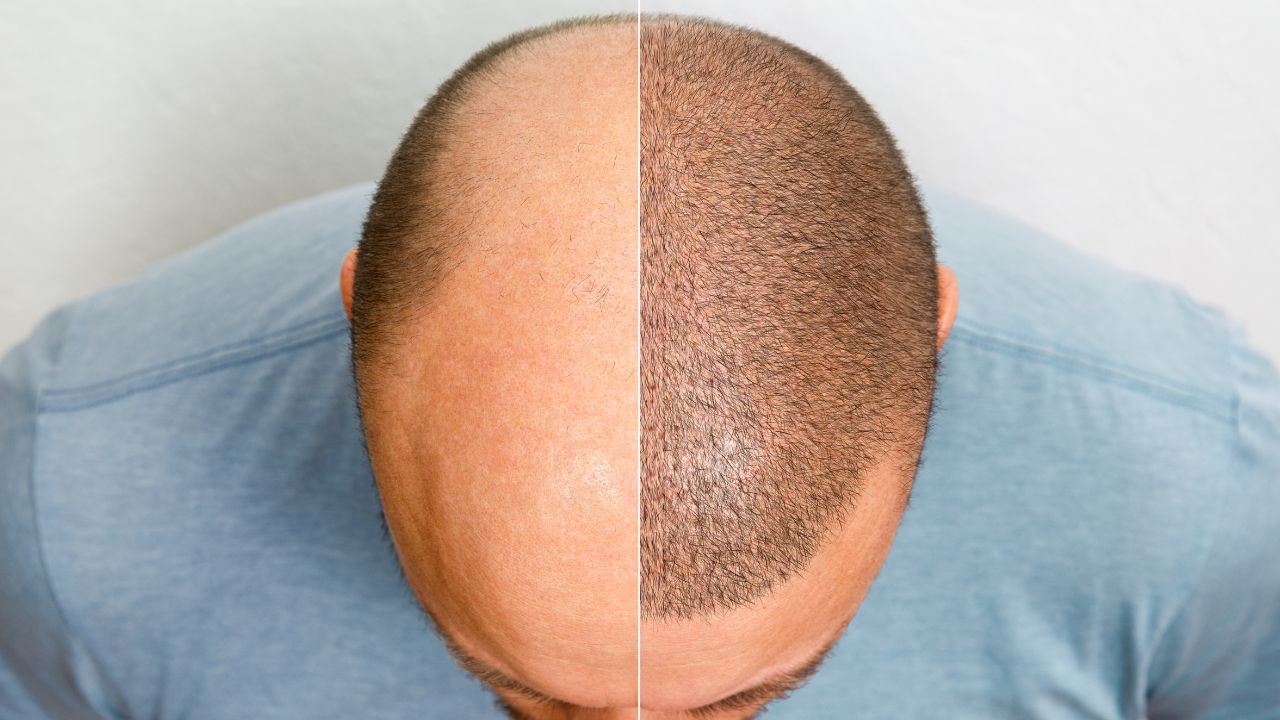
Hair loss can be a frustrating and confidence-shattering experience for many people. While there are various treatments available, NeoGraft hair transplantation and PRP (platelet-rich plasma) treatment are the most popular options.

Both methods aim to restore hair growth, but they work differently. In this article, we will take a closer look at the pros and cons of NeoGraft vs PRP to help you understand which treatment may be right for you.

Neograft vs PRP: At A Glance

Procedure

Neograft

PRP

Type

Surgical

Non-surgical

How it works

Transplants individual hair follicles from a donor area to a recipient area Injects a patient’s platelet-rich plasma into the scalp to promote hair growth

Recovery time

Varies, but may take several days to a week

Minimal recovery time, patients can return to normal activities immediately

Effectiveness

Effective for treating hair loss and baldness

Mild to moderate hair loss, and as an adjunctive treatment to hair transplants

Cost More expensive than PRP

Less expensive than Neograft

Neograft vs PRP: In Details

Neograft and PRP (platelet-rich plasma) are two different procedures used in hair restoration. Neograft is a hair transplantation technique in which individual hair follicles are harvested from a donor area and then transplanted to a recipient area. This procedure is typically used to treat hair loss or baldness.

On the other hand, PRP is a non-surgical treatment involving injecting a patient’s platelet-rich plasma into the scalp. This is believed to promote hair growth by stimulating the hair follicles. PRP is often used as an adjunctive treatment to hair transplants or as a standalone treatment for mild to moderate hair loss.

In summary, Neograft is a surgical procedure that transplants hair from one area of the scalp to another. PRP is a non-surgical treatment that uses a patient’s platelets to promote hair growth on the scalp.

Consultation with Dr. Nazarian, MD: $450
Credited toward your first treatment
Labs and imaging ordered when needed
  • PRP from $800 per session
  • PRF from $1,100 per session
  • Discounted 3-session packages on every treatment
  • See the full PRP and PRF price list
  • 4 tubes of blood drawn per session, more than many clinics use; 10 to 15 cc of PRP obtained
  • 4-ingredient numbing cream
  • 6-needle injector used for hair treatments
  • Providing PRP therapy since 2008
PRP Treatment & Therapy Specialist Beverly Hills - David Nazarian

Neograft Side Effects

Neograft is a surgical procedure, and as with any surgery, there are potential risks and side effects associated with the procedure. Some of the possible side effects of Neograft include:

  • Pain or discomfort at the donor and recipient sites
  • Swelling and redness around the treated areas
  • Bruising and bleeding
  • Numbness or tingling in the scalp
  • Temporary loss of sensation in the treated areas
  • Infection
  • Scarring
  • Poor wound healing
  • Unsatisfactory results
  • Adverse reaction to anesthesia

PRP Treatment For Hair Side Effects

As with any medical procedure, there are potential risks and side effects associated with PRP treatment for hair loss. Some of the possible side effects of PRP treatment include:

  • Pain or discomfort during the procedure
  • Swelling and redness around the injection site
  • Bruising and bleeding
  • Infection
  • Unsatisfactory results
  • Allergic reaction to the injected material

How long does NeoGraft Last?

How long does NeoGraft last - PRP Development

The results of a NeoGraft hair transplant procedure are permanent. The transplanted hair will grow in the new location just as it would have in the original location. However, it is important to note that hair loss is a progressive condition, and if you have ongoing hair loss, additional transplants may be necessary to maintain the desired results.

The transplanted hair will start to grow in the new location after about three to four months, and the growth process will continue for about 9-12 months. The final results of the transplant can be seen after about one year.

The success of a NeoGraft hair transplant depends on several factors, including the surgeon’s skill, the patient’s health, and the patient’s ability to follow post-operative instructions.

NeoGraft results are natural-looking but will not look exactly like the original hair before hair loss, as the hair quality and texture might have changed over time.

PRP or Hair Transplant Which Is Better?

PRP (platelet-rich plasma) treatment and hair transplantation (Neograft) is used to treat hair loss and baldness, but they work in different ways. The best treatment option for you will depend on the extent of your hair loss, your personal preferences, and your overall health.

Differences Between PRP vs Minoxidil

PRP (platelet-rich plasma) treatment and minoxidil are used to treat hair loss, but they work differently.

PRP treatment is a non-surgical procedure that involves injecting a patient’s platelets into the scalp to promote hair growth. The platelets contain growth factors that can stimulate the development of new hair follicles.

On the other hand, Minoxidil is a topical medication applied directly to the scalp. It works by widening the scalp blood vessels, increasing blood flow and oxygen to the hair follicles. This can help to revitalize hair growth and slow down hair loss. Minoxidil is available over the counter and is considered safe for most people. However, it may cause skin irritation, itching, and dryness.

Both PRP and minoxidil are considered adjunctive treatments for hair loss. For best results, it’s best to consult with a hair restoration specialist to determine the best treatment plan for your specific needs.

Conclusions

NeoGraft and PRP are effective options for treating hair loss, but they work differently. NeoGraft is a surgical procedure involving transplanting individual hair follicles from donor to recipient areas. In contrast, PRP treatment is a non-surgical procedure that involves injecting a patient’s platelets into the scalp to promote hair growth.

It’s essential to consult with a hair restoration specialist to determine which treatment is best for your specific needs based on the extent of your hair loss and your personal preferences. Both treatments have their own benefits and drawbacks; ultimately, the decision should be tailored to your specific circumstances.

Say Goodbye to Acne Scars with Platelet-Rich Plasma Facials

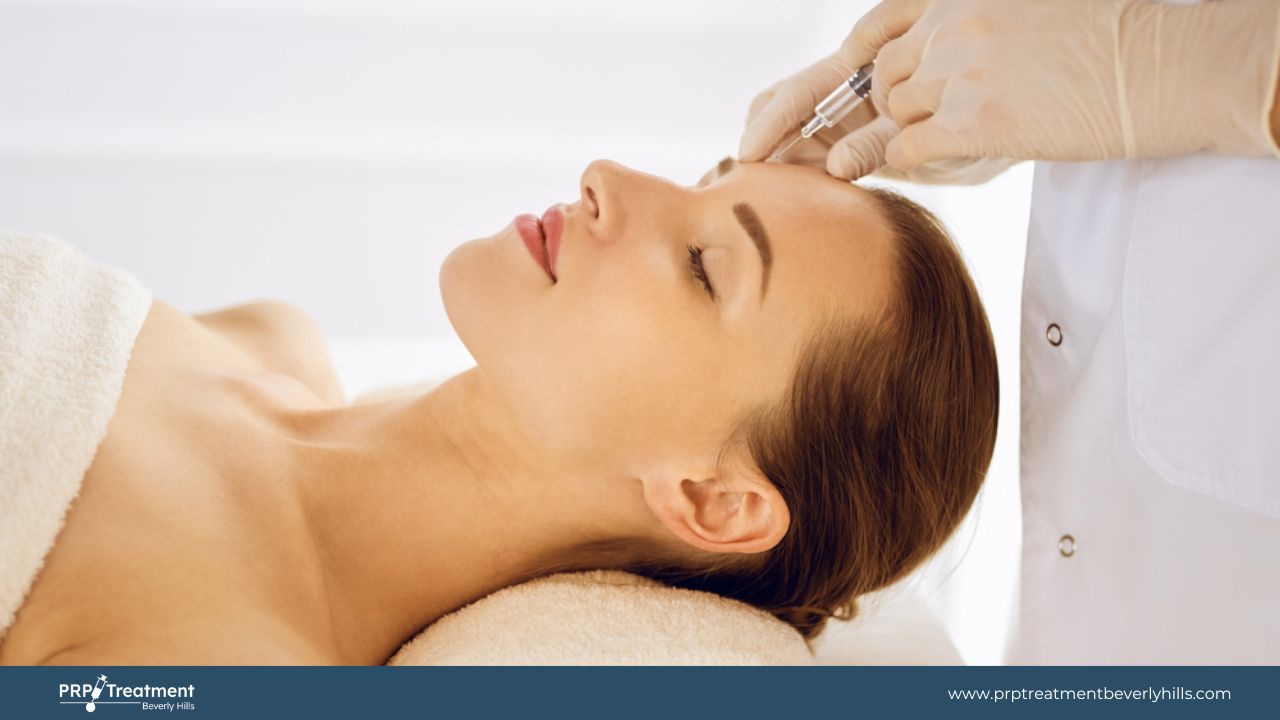
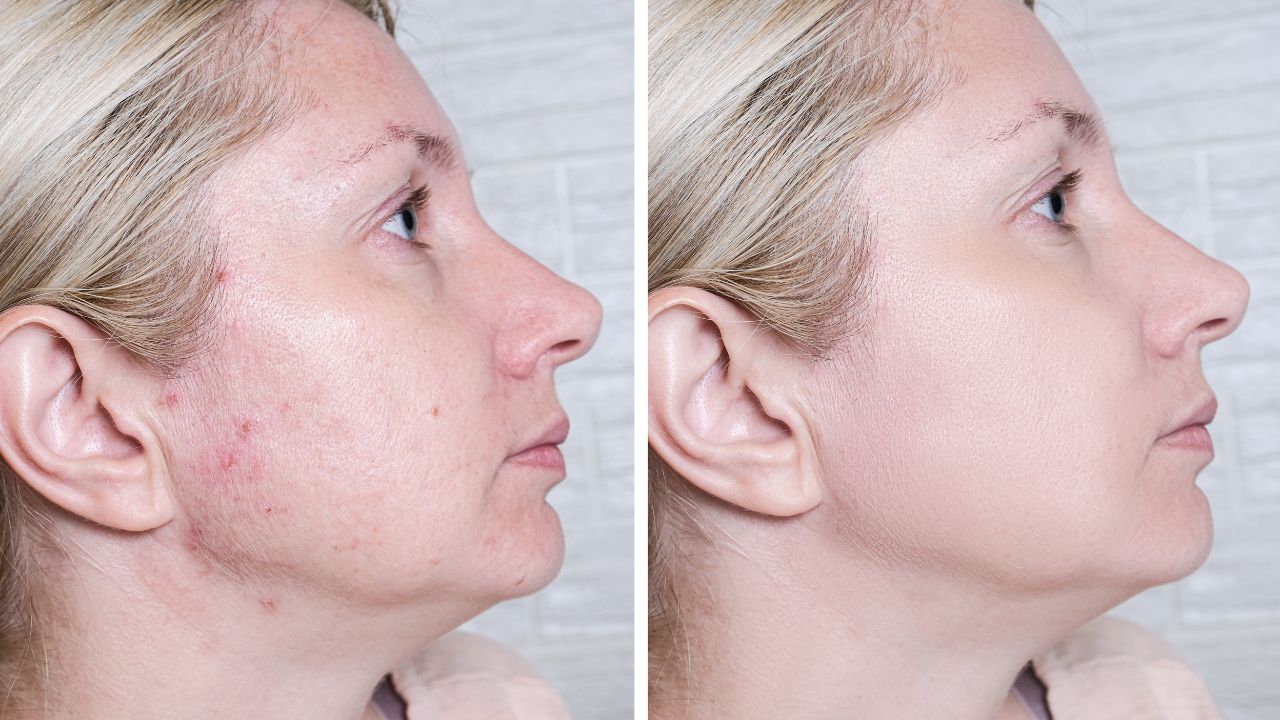
Acne scars can constantly remind one of past breakouts and affect one’s self-confidence. If you’re looking for a non-surgical solution to improve the appearance of acne scars, Platelet-rich plasma (PRP) facials may be the answer.

PRP facials harness the power of your blood’s platelets to promote collagen and elastin production, reducing the appearance of acne scars.

This article will look closely at how PRP facials work, the benefits, and what to expect during the treatment.

PRP Facial For Acne Scars: An Overview

PRP facial, also known as Platelet-Rich Plasma therapy, is a non-surgical cosmetic procedure that uses the patient’s blood to improve the appearance of acne scars.

The treatment involves taking a small sample of the patient’s blood, which is then processed to extract the platelet-rich plasma. The plasma is re-injected into the patient’s skin using a microneedling device.

Significance of PRP Facial For Acne Scars

The significance of PRP facial for acne scars lies in its ability to stimulate the body’s healing process. Platelets contain growth factors that promote the production of collagen and elastin, which are essential for the repair and regeneration of the skin.

By introducing a concentrated dose of these growth factors back into the skin, PRP facial can help to improve the appearance of acne scars by reducing the depth and size of the scars.

How Does PRP Facial For Acne Scars Make an Impact?

The impact of PRP facial on acne scars can be quite significant, with many patients reporting a noticeable improvement in the appearance of their scars after just one treatment. The treatment can also help improve the skin’s overall texture and tone, resulting in a more youthful and radiant appearance.

In addition, PRP facial is a safe and effective alternative to more invasive treatments such as laser resurfacing or chemical peels.

PRP Facial For Acne Scars Outcomes

The outcomes of PRP facial for acne scars can vary depending on the severity of the scars, as well as the individual’s skin type and overall health.

However, in general, most patients can expect to see a noticeable improvement in the appearance of their scars within a few weeks of treatment. Some patients may require multiple treatments to achieve the desired results.

Overall, PRP facial is a safe, effective, and non-invasive treatment for acne scars that can help improve the skin’s overall appearance.

How Microneedling With PRP For Acne Scars Works?

Microneedling with PRP for acne scars is a two-step process that combines a microneedling device and platelet-rich plasma (PRP) to improve the appearance of acne scars.

The first step of the treatment involves drawing a small sample of the patient’s blood, which is then processed to extract the platelet-rich plasma (PRP). The plasma is then re-injected back into the patient’s skin using a microneedling device.

The microneedling device creates tiny punctures in the skin, stimulating the skin’s natural healing process. The device is equipped with fine needles that make microscopic channels in the skin, which trigger collagen and elastin production.

The PRP is then applied to the skin, which delivers growth factors to the skin to promote the production of collagen and elastin further.

The combination of microneedling and PRP can help to improve the appearance of acne scars by promoting collagen and elastin production, which are essential for the repair and regeneration of the skin. The procedure can also improve the overall texture and tone of the skin.

Microneedling with PRP for acne scars is a medical procedure. A qualified practitioner should only perform it in a sterile environment to minimize the risk of complications or side effects.

It’s essential to set realistic expectations and discuss the risks and benefits of the treatment with the practitioner before making a decision. The procedure is not a permanent solution for acne scars, and you may need multiple treatments to achieve desired results.

Consultation with Dr. Nazarian, MD: $450
Credited toward your first treatment
Labs and imaging ordered when needed
  • PRP from $800 per session
  • PRF from $1,100 per session
  • Discounted 3-session packages on every treatment
  • See the full PRP and PRF price list
  • 4 tubes of blood drawn per session, more than many clinics use; 10 to 15 cc of PRP obtained
  • 4-ingredient numbing cream
  • 6-needle injector used for hair treatments
  • Providing PRP therapy since 2008
PRP Treatment & Therapy Specialist Beverly Hills - David Nazarian

Is PRP for Acne Scars Permanent?

PRP facial for acne scars is not permanent. The effects of the treatment are not permanent, as the skin’s natural aging process will continue, and new acne may occur. However, the treatment can produce long-lasting results by stimulating collagen and elastin production. And it can help improve the appearance of scars and the skin’s overall texture and tone.

The effects of PRP facial may last for several months, and some patients may need multiple treatments to achieve desired results.

Additionally, the patient’s lifestyle, skincare routine, and overall health can also impact the longevity of the treatment’s effects. For example, if you continue to get new acne or do not take proper care of your skin, the acne scars may re-appear, or the improvement will not last long.

How Many PRP Treatments Are Needed For Acne Scars?

How Many PRP Treatments Are Needed For Acne Scars - PRP Development

The number of PRP treatments needed for acne scars can vary depending on the individual case, the severity of the scars, and the desired results. Typically, a series of 2-3 treatments are needed, spaced 4-6 weeks apart.

PRP treatment can be combined with other treatments, such as microneedling, chemical peels, or laser resurfacing. The practitioner may recommend a combination of treatments to achieve optimal results.

The results of PRP treatment for acne scars may not be immediate, and it can take several weeks to see the full effects of the treatment. Additionally, the results are not permanent, and you may need maintenance treatments to maintain the results.

It’s important to discuss the number of treatments needed and the expected results with a qualified practitioner before starting any treatment. The procedure is not suitable for everyone, and you should consult a qualified practitioner before deciding.

What Are PRP For Acne Scars Side Effects?

PRP facial for acne scars is generally considered a safe procedure with minimal side effects. However, as with any medical procedure, there is always a risk of complications or side effects.

The most common side effects of PRP facial for acne scars include:

  • Redness and swelling in the treated area
  • Bruising and bleeding at the injection site
  • Itching or a burning sensation
  • Infection or an allergic reaction to the needles or equipment used

These side effects are usually mild and temporary and typically resolve within a few days of the procedure. Serious side effects are rare, but they can happen.

In rare cases, patients may experience an allergic reaction to the needles or equipment used during the procedure. You can treat these reactions with antihistamines or corticosteroids.

There is also a risk of infection with any needle-based procedure. Choosing a qualified practitioner and a sterile environment is crucial to minimize the risk of infection.

Some studies have been conducted on the safety of PRP for acne scars, showing that PRP facial is a safe procedure with minimal side effects. A study published in the Journal of Cutaneous and Aesthetic Surgery in 2018 found that PRP facial was well-tolerated by the patients and resulted in minimal side effects.

Another study published in the Journal of Dermatological Treatment in 2019 found that PRP facial was safe and effective for treating acne scars with minimal side effects.

Final Words

PRP facials offer a non-surgical solution for those looking to improve the appearance of acne scars. The treatment harnesses the power of the patient’s blood platelets to promote collagen and elastin production, reducing scarring.

It’s important to note that the results are not immediate, and you may need multiple treatments to achieve desired results. Having realistic expectations and consulting a qualified practitioner before starting any treatment is also essential.

If you’re considering a PRP facial for your acne scars, talk to Dr. David Nazarian in PRP Treatment Beverly Hills clinic to determine if it’s the right option.

5 Differences Between PRP vs Botox [Expert’s Opinion]

PRP (platelet-rich plasma) and Botox are both popular cosmetic treatments that can improve the appearance of specific skin concerns. PRP is a procedure that involves using a device with fine needles to create controlled injuries to the skin. At the same time, Botox is a prescription medication injected into the muscles to improve wrinkles’ appearance temporarily.

While both treatments have their unique benefits and drawbacks, it is essential to understand their differences to decide which treatment best suits your individual needs and goals.

This article will compare PRP and Botox, including how they work, their potential benefits and risks, and their suitability for different skin concerns.

What Are The Differences Between PRP vs Botox?

PRP and Botox have unique benefits and drawbacks; the most appropriate option depends on the individual’s specific needs and goals. Discussing your concerns and goals with a qualified healthcare provider like Dr. David Nazarian before undergoing any treatment is always a good idea.

Some critical differences between PRP and Botox include the following:

Procedure

PRP is a procedure that involves microneedling and the application of PRP to the skin, while Botox is an injection of prescription medication into the muscles.

Results

The effects of PRP may last longer than those of Botox, but the results of both procedures may vary from person to person.

Range of treatment

PRP can be used to treat a wider range of skin concerns than Botox, specifically used to improve the appearance of wrinkles.

Natural-looking results

Because PRP is derived from the patient’s blood, the procedure’s results may look more natural than Botox’s.

PRP is typically used to improve the appearance of particular skin concerns, such as fine lines and wrinkles, acne scarring, and uneven skin tone. It may also stimulate the production of collagen and elastin, which can help improve the skin’s overall appearance.

Botox is a prescription medication injected into the muscles to improve wrinkles’ appearance temporarily. It works by blocking the nerve impulses that cause muscles to contract, which helps to relax the muscles and smooth out the appearance of wrinkles.

Consultation with Dr. Nazarian, MD: $450
Credited toward your first treatment
Labs and imaging ordered when needed
  • PRP from $800 per session
  • PRF from $1,100 per session
  • Discounted 3-session packages on every treatment
  • See the full PRP and PRF price list
  • 4 tubes of blood drawn per session, more than many clinics use; 10 to 15 cc of PRP obtained
  • 4-ingredient numbing cream
  • 6-needle injector used for hair treatments
  • Providing PRP therapy since 2008
PRP Treatment & Therapy Specialist Beverly Hills - David Nazarian

What Are the Advantages of Microneedling With PRP Over Botox?

Microneedling with platelet-rich plasma (PRP) is a very organic approach to facial rejuvenation because it uses the body’s innate healing mechanisms and the patient’s blood supply. It is also an allergy-free therapeutic option. This is because PRP is derived from the patient’s body, while Botox is synthetic and hence not.

Some advantages of microneedling with PRP over Botox include the following:

  • Longer lasting results: The effects of microneedling with PRP may last longer than that of Botox.
  • Natural-looking results: Because PRP is derived from the patient’s blood, the procedure’s results may look more natural than Botox’s.
  • Can be used on a wider range of skin concerns: Microneedling with PRP can be used to treat a wider range of skin concerns than Botox, specifically used to improve the appearance of wrinkles.

PRP works well on any skin type and rarely causes any adverse reactions. Botulinum toxin can have unwanted side effects, such as a frozen appearance or drooping eyelids; however, these are not concerns for patients receiving Dysport.

At what age should you not get Botox?

The safety and effectiveness of Botox in younger individuals have not been established, and it is not generally recommended for use in people under the age of 18.

The best age to start receiving Botox injections will depend on individual factors, such as the presence and severity of wrinkles, the individual’s skin type, and their overall goals and concerns.

It is also important to note that Botox is not a permanent solution for wrinkles, and its effects typically wear off over time. You may need repeated treatments to maintain the desired results.

What happens if you stop using Botox?

If you stop using Botox, the muscles treated with the medication will gradually return to their regular activity, and the wrinkles that were improved by the treatment will gradually reappear.

The exact timing of this process will depend on individual factors, such as the strength of the muscles, the severity of the wrinkles, and the individual’s response to the treatment.

Who shouldn’t get Botox?

It is generally not recommended for people who:

Are pregnant or nursing

Are pregnant or nursing

The safety of Botox for pregnant or nursing women has not been established, and it is generally not recommended for use in these individuals.

Have a skin infection or inflammation at the injection site

Botox should not be injected into an area of the skin that is infected or inflamed, as this may increase the risk of complications.

Have an allergy to any of the ingredients in the medication

Botox contains several ingredients, and people allergic to these should not receive the treatment.

Have a neuromuscular disorder

People with certain neuromuscular disorders, such as myasthenia gravis or Lambert-Eaton syndrome, may be at increased risk of experiencing side effects from Botox.

Can You Have PRP After Botox?

Yes, it is generally safe to have PRP (platelet-rich plasma) treatment after receiving Botox injections. PRP is a cosmetic procedure that involves using a device with fine needles to create controlled injuries to the skin.

The procedure is typically performed by a trained medical professional, such as a dermatologist or plastic surgeon. It is generally recommended to wait at least two weeks after receiving Botox injections before having PRP treatment.

Conclusion

PRP and botulinum toxin differ in mechanism, evidence, duration, and risk profile. It is not appropriate to state that PRP is generally safer or that its effects reliably last longer; duration varies by indication, protocol, and individual response.

PRP is not a direct substitute for botulinum toxin because the treatments address different concerns. Cost, treatment time, expected benefit, and recovery should be compared in the context of the patient’s specific goals.

For candidacy, expected benefits, risks, alternatives, and the treatment process, visit our PRP Facial with Microneedling service page.

G-Shot vs. O-Shot: A Complete Overview

Female orgasm remained the most ignored topic for a long time due to social stigmata and females’ natural shyness to disclose the issue. Even there are women, around 40-50%, who don’t feel the pleasure of orgasm throughout their entire sexual life. How harsh that is?

Here comes the requirement of a G shot and an O shot, two market-leading vaginal rejuvenators. Both play a crucial role in making women feel the sensation and pleasure during intimacy.

But, in between the G shot and o shot, which one is better? Which one to pick, o-shot vs g-shot?

G shot is a painless, costly cosmetic procedure stimulating the g spot. On the contrary, the O shot is a painless, cosmetic, budget-friendly procedure to enhance sexual orgasm and aid some health issues.

To know the comparison between G-shot vs. O-shot, stay tuned with us.

G-shot vs O-Shot Reviews: Comparison Table

For now, you are quite acquainted with these two procedures. Still, if you are confused about which one to choose, look at this o shot vs g shot injections reviews comparison table:

Traits G shot O shot 
What is it? Refers to a shot target to stimulate the female grafenberg spot Refers to orgasm shot
Suitable candidates Women who have issues with penetrative orgasm Everyone (women) can take it, especially women struggling with lubrication.
Cost On average, $1000-$2500 On average, $500-$1800
Results Immediately Three weeks to 3 months
Last for 4-6 months 1-2 years

What Is G-Shot?

G shot for G-spot. Wait! Let me explain to you. G shot is a procedure used to increase sensation in your Grafenberg area. But, Why G spot- you may ask? The answer is it is claimed to be the most erotic area situated on the upper wall of the vaginal interior.

In this procedure, an injection loaded with hyaluronic acid is shot into the G-spot. It then increases circulation and stimulates new tissue growth there. After a few days, the recipient experiences an intense orgasm and also an improvement in overall sexual activity.

Who is suitable for G-shot?

Before going to take any treatment, you must consult with your doctor. If it is related to sexual activity, you should not take any chances.

Medically reviewed by David Nazarian, MD — Board Certified in Internal Medicine and Medical Director of PRP Treatment Beverly Hills.

G-Shot and O-Shot procedures are marketed for sexual-function concerns, but evidence is limited and outcomes are not guaranteed. A medical evaluation is important before considering these procedures.

Here is a list of people who may ask about G-Shot treatment:

  • Candidates who get stimulated with the G-spot stimulation should go for it.
  • Women who do not have H/O sexual dysfunction.
  • Women who enjoy normal sexual orgasms.
Consultation with Dr. Nazarian, MD: $450
Credited toward your first treatment
Labs and imaging ordered when needed
  • PRP from $800 per session
  • PRF from $1,100 per session
  • Discounted 3-session packages on every treatment
  • See the full PRP and PRF price list
  • 4 tubes of blood drawn per session, more than many clinics use; 10 to 15 cc of PRP obtained
  • 4-ingredient numbing cream
  • 6-needle injector used for hair treatments
  • Providing PRP therapy since 2008
PRP Treatment & Therapy Specialist Beverly Hills - David Nazarian

How Does the G-Shot Work?

The mechanism of the g shot involves augmentation of the g spot by increasing sensitivity. It is an office-based cosmetic procedure; discomfort, procedure time, risks, and response can vary.

It enlarges the g spot both in length and width. This increases frictional pressure during intercourse, heightening sexual pleasure and stimulation for a long time.

How Long Does G-Shot Take to Work?

There is not enough high-quality evidence to promise an immediate response or a fixed duration of benefit after a G-Shot.

How Much Does the G Shot Cost?

It will cost you around $1000-$2500.Practically, the amount of the G shot depends on the following things:

  • How much length do the women desire to enlarge
  • And for that, how many injections does she need to push in her G-spot
  • The more the length, the more filler she requires and the more money she will cost
  • Some other factors include location, certified surgeon, etc.

G shot injections side effects

Anything introduced from outside to modify your internal functions may have some adverse effects. Compared to other treatments, G-shot produces minimal side effects.

It depends on what extent your body can take. Based on the user’s experience, a g-shot receiver may go through the following effects:

  • Bleeding
  • Altered sensation
  • Constant vaginal wetness
  • Arousal for more extended periods
  • UTI
  • Urinary retention

Pros and Cons of G-shot

Here are some precise information regarding g-shot. These pros and cons shots will help you avoid decision-making paralysis.

Pros

  • Painless procedure.
  • Provides satisfactory vaginal orgasm.
  • Stimulate the G spot.
  • You can enjoy the effect for 4-6 months after the first shot.

Cons

  • Variable outcome.
  • Not approved by the FDA.

What Is An O-Shot?

This is another nonsurgical cosmetic procedure where your blood platelets are injected into your vagina to rejuvenate it.

After having this, you will experience intense and more frequent orgasms. Like the G shot, it also stimulates healthy tissue in your vagina, thereby increasing sexual arousal.

How Does O-Shot Work?

The working process of o-shot is homologous to p-shot, which works on Priapus, the female counterpart. Like platelets, a component of your blood is derived and concentrated by centrifuge to make it suitable for vaginal rejuvenation.

How Does O-Shot Work

After the shot, it generates steam cells in the vagina, which signals new healthy tissue growth. Also, it increases circulation there. More vascularization makes the area more sensitive. And thus, you can make each relaxing moment better.

Who is suitable for an o-shot?

Unlike the g shot, there is no limitation to getting an o shot. This procedure is 100% safe, minimally invasive, and effective in a good surgeon’s hands.

How Much Does the O-Shot Cost?

The average cost of an O-shot starts from $500-$1800.Similar to G-shot, the range is not absolute. It depends on how many sessions you need to get the results. It has no insurance coverage, either.

How Long Does O-Shot Take to Work?

On average, you will start feeling the changes within the first three weeks. But, to achieve the most out of it, you may need to wait three months after the first shot. This period requires the regrowth of the vaginal tissue.

Do you need more than one o-shot?

Coming to the second point, it depends on your goal. After the initial treatment, most women prefer to take another shot after eight months for more orgasms. Once you take this injection, it shows its effectiveness for 1-2 years. During these periods, you could take maintenance shots.

Pros And Cons of O-Shot

Here, we summarize and highlight this treatment’s core benefits and downsides. Take a look to make your final decision.

Pros

  • Promotes more intense and frequent orgasms.
  • Fulfills sexual desires.
  • Increase lubrication.
  • Increasing the sensitivity of the clitorises & also tightening the vaginal canal.
  • Treats medical conditions: urinary incontinence, stress incontinence, anon.

Cons

  • Not approved by FDA
  • May cause infection, nerve damage, etc.

FAQs

Does O-shot make you tighter?

Yes, it makes your vaginal canal much tighter than before. Tightening the canal will stimulate the pelvic floor muscle to contract again and again. Thus, friction occurs during sexual activity, which results in an intense orgasm and pleasurable sex.

Is There a Recovery Period After the G-Shot?

No, this is a minimally invasive procedure with fewer side effects which requires no recovery periods. During the process, there may be minor bleeding which can be subsided quickly by inserting a tampon. The entire thing takes only 5 minutes to complete. Even within 4 hours, you can have your sexual activity like a normal female.

Final Verdict

In this g shot vs. o shot review, we have tried to emphasize all the authentic information required to know before giving any of them a go! Hopefully, you have made up your mind also. Still, if you have minor doubts, don’t worry; let’s summarize again.

G-shot is suitable for those issues with penetrating orgasm and also wanting immediate action. Whereas O shot is ideal for people with sexual problems and other health issues, e.g., urinary and stress incontinence.

G-shot is a bit costly, while O-Shot comes cheaper and is long-lasting. Before taking the final call, please take the help of your doctor.

PRP Micro-needling for Hyperpigmentation

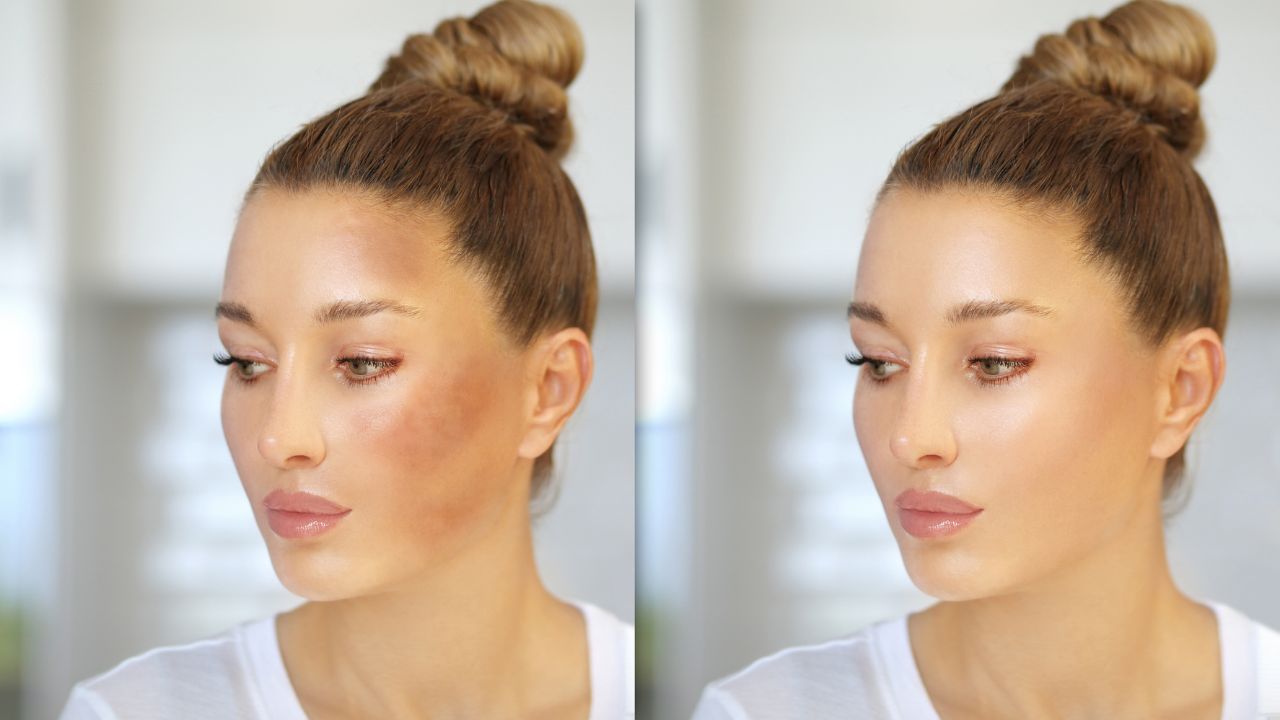
Are you getting upset due to some areas of your skin becoming darker than others? In medical terminology, it is called hyperpigmentation. It can appear as small patches, sometimes on larger areas, and even affect the entire body.

Although it is not harmful, it could indicate underlying health issues. So, timely evaluation is essential. We bring out the PRP microneedling. But what is that? Does PRP micro-needling for hyperpigmentation work or not?

PRP micro-needling therapy involves injecting your blood plasma, enriched in platelets and supplemented with vitamins and minerals, directly into the skin. It is applied to your skin to repair damaged skin and regenerate new tissue for removing hyperpigmentation.

Read the entire article to get some authentic information about the procedure. And if you are thinking about trying the procedure, contact Dr. David Nazarian in PRP Treatment Beverly Hill clinic now.

What Happens To Hyperpigmentation After PRP Microneedling?

The effectiveness of PRP microneedling for treating hyperpigmentation may vary from person to person, and you may need additional treatments to achieve the desired results.

PRP microneedling may improve the appearance of hyperpigmentation by stimulating the production of collagen and elastin, which can help even skin tone.

However, it is essential to note that the procedure may not eliminate hyperpigmentation, and additional treatments may be needed to achieve the desired results.

Discussing your specific concerns and goals with a qualified healthcare provider before undergoing any treatment is always a good idea.

Consultation with Dr. Nazarian, MD: $450
Credited toward your first treatment
Labs and imaging ordered when needed
  • PRP from $800 per session
  • PRF from $1,100 per session
  • Discounted 3-session packages on every treatment
  • See the full PRP and PRF price list
  • 4 tubes of blood drawn per session, more than many clinics use; 10 to 15 cc of PRP obtained
  • 4-ingredient numbing cream
  • 6-needle injector used for hair treatments
  • Providing PRP therapy since 2008
PRP Treatment & Therapy Specialist Beverly Hills - David Nazarian

Role of PRP micro-needling in hyperpigmentation

Before discussing that, let’s get a short outlook on PRP, micro-needling, and hyperpigmentation individually. It will help to find out why these things are happening to you. And how this procedure is going to help you out of your condition.

Firstly, Our skin’s color is determined by a chemical called melanin, and hyperpigmentation arises after our skin generates too much melanin.

Factors that play a role in these are:

  • If you are exposed to sunlight for a long time or,
  • When your skin cells get damaged
  • If you have hormonal issues, the number of melanin increases, and it causes hyperpigmentation.

If we talk about micro-needling is simply a skincare tool consisting of a small portable wheel and many needles. It is applied to the skin with PRP,platelet-rich plasma, to stimulate collagen generation.

As of now, you know that PRP and microneedling are two distinct procedures. Study shows that the combined effects of these two shows better results in aiding hyperpigmentation.

If we see the basic mechanisms, the core player in PRP is platelets. Its normal function in the body is to enable clotting and heal the body by repairing damaged tissue. Since platelets contain protein, they act as growth factors too.

Besides, It targets cells, activates receptors on the cell membrane, and stimulates tissue regeneration. As mentioned earlier, micro-needling involves needles that the doctor pierces the skin. And afterward, apply PRP to begin repairing damaged tissue.

Eventually, it will reduce the hyperpigmented areas on your skin. Also, if there is any dead tissue remaining, it will clear out and promote new tissue growth. This therapy also improves overall skin issues like brightening dark skin tones, fading blemishes, and repairing dull skin.

But how are these changes going to happen? You probably wanted to know the entire procedure. For your convenience, we will talk about them in the next.

What is the procedure for removing hyperpigmentation by PRP micro-needling?

Here you will find an idea about the whole procedure of PRP micro-needling for hyperpigmentation –

  • A doctor will examine your blood sample first. The plasma will now be separated from your blood using a centrifuge.
  • The doctor will introduce an anesthetic 45 to 60 minutes before starting the process, so you are pain-free.
  • Since micro-needling consists of tiny needles, the doctor pierces the skin through it, and the wheel of microneedling is held to apply to the entire skin.
  • The next step is to apply the PRP to the skin’s pores so that the PRP can penetrate.
  • PRP can be directly injected into more pores to reduce pigmentation.
  • A hyaluronic acid serum, which is very effective for the skin, is then used to moisturize and nourish your skin at the very end.
  • Since this process is a bit complicated, it takes a minimum of 2 hours to complete the treatment.

How many sessions are required for this treatment?

If the skin does not have too many complications, 3 to 4 treatments will usually cure this hyperpigmentation. There is a gap of 4-6 weeks between one session and the next. After 1 session, you may not notice any improvement in your skin.

For Significant improvement, you may need at least 2 to 3 sessions. Having said that, treatment effectiveness may vary depending on age. In this case, you may need more treatments.

What happens before and after PRP microneedling for hyperpigmentation?

Before the procedure, the doctor will clean the treatment area, and they may apply a numbing cream to reduce discomfort. The healthcare provider will then draw a small amount of blood from the patient’s arm and place it in a centrifuge to separate the platelets from the other components. The resulting platelet-rich plasma (PRP) is then applied to the treatment area.

What happens before and after PRP microneedling for hyperpigmentation

During the procedure, the healthcare provider will use the microneedling device to create tiny punctures in the skin. The PRP is then applied to the treatment area and is absorbed into the skin through the punctures. The process is usually repeated a few times to ensure that the PRP is evenly distributed.

After the procedure, the treatment area may be red and swollen for a few days. The healthcare provider will provide instructions on caring for the treated area and may recommend using a moisturizer and avoiding sun exposure. It is essential to follow these instructions carefully to help ensure optimal results.

How much does Microneedling with PRP for hyperpigmentation cost?

The expense of using PRP micro-needling to treat hyperpigmentation is high. One PRP injection might cost anywhere between $200 and $500. Since at least 4 sessions are required to cure hyperpigmentation, it becomes more expensive.

What kind of side effects can occur after this treatment?

Even though this therapy has many positive outcomes, it also has some negative ones. They are as follows:

  • Soreness
  • Allergic problems
  • Blood clotting
  • Infection

FAQs

Do dermatologists recommend this treatment?

Dermatologists recommend PRP micro-needling for hyperpigmentation treatment due to its effectiveness and fewer side effects. Dermatologists also forbid you to take this treatment if you have any major skin issues like sensitive skin, herpes simplex infection, etc. So, before making any decisions, you must consult with your doctor.

Can I do PRP micro-needling for hyperpigmentation treatment at home?

If you do this treatment without the help of experts, there is a risk of infection, blood clotting, inflammation, etc. Micro-needling requires a vertical angle, so it is better to go to the clinic instead of doing the treatment at home.

How long does it take to remove hyperpigmentation after PRP?

The typical recovery time of PRP micro-needling for hyperpigmentation is four to six weeks after treatment. You can see the results within 3 weeks. Improvement is not noticeable after the first treatment, requiring at least two sessions.

Is PRP Microneedling better than Microneedling alone for hyperpigmentation?

Yes, PRP micro-needling is better than microneedling alone for hyperpigmentation. Microneedling makes tiny holes in the top layer of the skin with needles that remove dead cells and induce growth factors. But when PRP is added to it, it heals faster.

Conclusion

PRP micro-needling for hyperpigmentation has very minimal risk and is quite beneficial in its functions. It repairs hyperpigmentation by rejuvenating the skin, with few side effects making it a reliable and popular treatment.

The improvement of this hyperpigmentation treatment started to appear within four weeks of treatment. However, caution should be needed if you have any skin disease. Such treatment should be avoided, or you can consult an experienced dermatologist.

PRP For Wrist Tendonitis: Can PRP Heal A Torn Tendon?

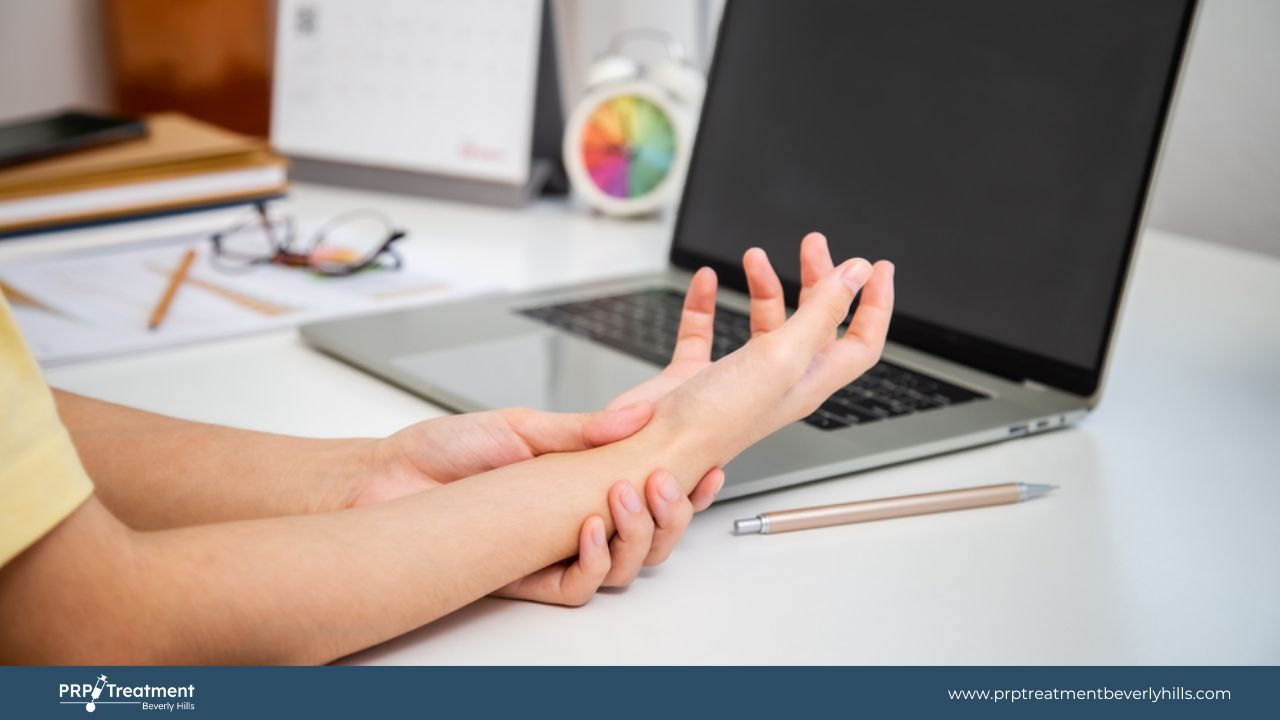
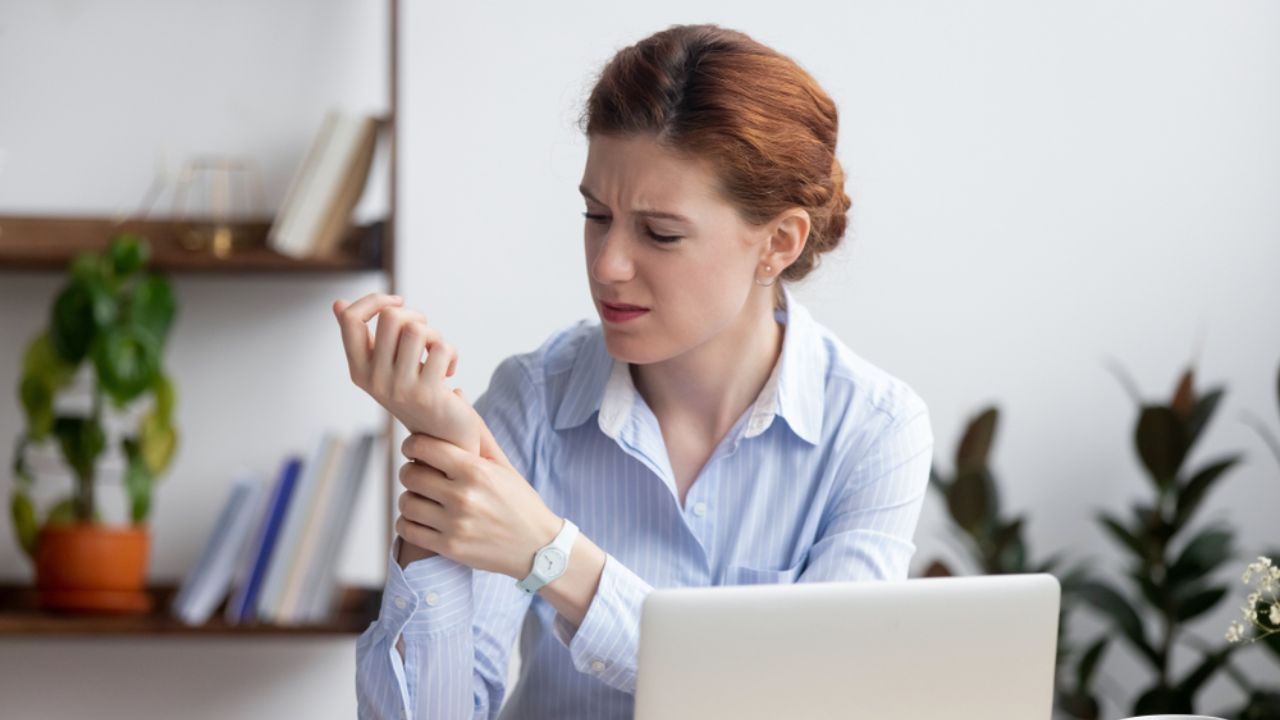
Are you feeling a catching or popping sensation in your wrist? The wrist becomes so stiff you cannot open a jar or turn doorknobs. Wrist tendonitis is an inflammatory condition of the wrist. During repetitive wrist movement, the wrist tendon rubs against the bone.

Are you finding a way to get rid of this agony? Then platelet-rich plasma treatment is what you are looking for. Now, you are probably thinking about how PRP for wrist tendonitis works.

This treatment refers to a process where a patient’s blood Plasma enriched with concentrated platelets is injected into the injured wrist. Generally, wrist tendonitis needs 4-6 weeks to go away completely. But with PRP, you can heal faster without any significant side effects.

But, Is PRP safe? How much money do you have to pay? Does PRP produce adverse effects?  Don’t worry. Just stay with us to get all the valuable information.

Role of PRP for wrist tendonitis

PRP injection is given in a specific body area, such as the wrist. After creating the solution of PRP from the patient’s blood with a centrifuge, it will be ready to be injected. This will increase the growth factor of that area to speed up the healing of an injury.

Typically wrist tendonitis needs some weeks to heal. The PRP will increase the growth factor of the tendon sheath. This will eliminate the inflammation faster than normal time. So, why will you feel the pain for a long time when you can fully heal in just a few days?

How does PRP help with wrist pain?

PRP works as a healing agent. When PRP is injected into the injured site, it augments some healing cells. These cells repair functions in a way that is the reverse procedure of feeling pain.

That means A cascade of cells can repair the damaged nerves and heal the pain. Another type of pain may arise by tearing cartilage. PRP fulfills the needs of blood and heals tissue.

Another type of wrist pain arises from a disease called Kienbock. There is a small bone in the wrist that is crescent-shaped. The fracture of this bone causes excessive pain in the wrist. PRP injection can also help to recover the fracture and thus relieve pain.

Consultation with Dr. Nazarian, MD: $450
Credited toward your first treatment
Labs and imaging ordered when needed
  • PRP from $800 per session
  • PRF from $1,100 per session
  • Discounted 3-session packages on every treatment
  • See the full PRP and PRF price list
  • 4 tubes of blood drawn per session, more than many clinics use; 10 to 15 cc of PRP obtained
  • 4-ingredient numbing cream
  • 6-needle injector used for hair treatments
  • Providing PRP therapy since 2008
PRP Treatment & Therapy Specialist Beverly Hills - David Nazarian

What is the procedure for PRP injection for wrist tendonitis?

Here you will get a brief idea of the entire procedure. Let’s move.

Before

A few things should be in consideration before going into treatment. Otherwise, the procedure might not be fruitful for you. Besides, you may also encounter intense side effects after going through the PRP procedure.

Those pre-procedures are:

  • Stop using any blood-thinning medicines or herbal supplements a week before your operation.
  • You must stop all systemic steroids at least one or two weeks before your pro treatment. And steroid injection before one month.
  • Eat healthy foods and drink enough water before you go for the operation.

During

PRP is a cell-free and nonsurgical treatment for accelerating growth function. Here we will discuss the overall procedure:

  • In the beginning, a doctor will draw out the patient’s blood.
  • Then the doctor will examine the blood sample. After that, if he thinks it is suitable, he will take it to the spinning equipment known as a centrifuge.
  • The centrifuge will separate the elements of blood from platelets.
  • The doctor will push the anesthetic before the treatment starts so that the treatment can be done entirely pain-free.
  • The PRP will inject into your injured wrist through the ultrasound-guided injection.

After

After completing the procedure of the PRP injection, you should maintain these things carefully.

  • Immediately after the injection, cover the treated place with the band-aid. Before wrapping up, ensure the site is cleaned well and dried.
  • After treatment, don’t use over-the-counter anti-inflammatory medicines such as Naprosyn, Motrin, Voltaren, etc. You can still take Aspirin in an emergency as it is a weak anti-inflammatory.
  • For 2-3 days after the treatment, go on complete rest. Don’t do any work with the treated wrist.
  • Avoid strenuous activities for 2-3 days.

How long does PRP take to work for tendonitis?

It may take around 4 weeks to get noticeable changes. However, the recovery process depends upon factors like severity, overall health conditions, sources of the injury, etc. Based on these factors, you may get rid of that inflammation sooner or later.

How long does PRP take to work for tendonitis

How much does this treatment cost?

The entire shot may cost you around $800 to $1,500. But, the cost also varies depending on the severity of the patient. Some of you now may ask -whether it is covered by insurance.  Well, this PRP therapy has not yet got insurance coverage. So, it is entirely a fee-for-service kind of treatment.

Side effects of PRP injection for wrist tendonitis

Platelet Rich Plasma(PRP) is a very low-risk operation or treatment. It has no significant side effects. Some side effects are,

Tissue Damage

It may damage some tissue, but it is not a significant issue. The damages will be recovered pretty soon if you give the treated wrist enough rest.

Bleeding

After injecting the PRP, blood from the injured site can come out. You should adequately cover the injected area to avoid bleeding. However, it rarely happens.

Infection(rare)

Bacteria may enter and spread if there is any fault in the immediate aftercare and the injected site is not properly covered. Then infection may occur.

Nerve injury

This also happens rarely. Sometimes, after injection of PRP, you may encounter nerve injury. It will hamper your daily life to a great extent.

Pain in the injected place

For 2 or 3 days, the inflammation may remain on the site.

Swelling

After the procedure, you may experience swelling in the injected place. This can last for a maximum of 3-7 days. This will be eliminated automatically.

Soreness

Sometimes, you may experience soreness in the injected place. This is not a significant issue. It will take 2-3 days to remove the pain automatically.

Discoloration

Sometimes the procedure may discolor the area of injection. It is normal to be bruised. But if the color is deeper and darker, immediately call a doctor. If any side effects make you nervous, you can consult a doctor.

FAQ

Is platelets-rich plasma safe for wrist tendonitis?

Yes, of course, it is safe. The great advantage of this treatment is that the plasma and the blood sample come from the patient on his own. However, it sometimes carries some side effects, but there is no major issue with PRP injection.

How long does PRP take to work for tendonitis?

The entire procedure takes approximately one hour to complete, from drawing blood samples to injecting PRP. There is no reliable one- to two-week timeline for a “full effect” of PRP in wrist tendon disorders. When benefit occurs, improvement may take weeks or longer and depends on the underlying diagnosis, severity, rehabilitation, and individual response.

How Painful is the PRP injection?

Injection discomfort varies by patient and treatment site. PRP injections are not pain-free; temporary soreness, tenderness, swelling, bruising, or increased pain can occur after treatment.

Are there any people who can’t take PRP?

Yes, there are. If a person has a history of cancer, he can’t be a candidate for taking PRP. Also, active smokers and leukemia patients can’t take PRP.

Conclusion

Evidence for PRP in wrist and tendon disorders is mixed and condition-specific. It should not be presented as appropriate for everyone, as a guaranteed way to heal an injury, or with a single success rate that applies across different tendons and diagnoses.

For physician-supervised information on PRP for tendon disorders, visit our PRP for Tendon & Sports Injuries service page. The appropriate treatment depends on the diagnosis, severity, prior care, imaging when indicated, and patient goals.

Swelling After PRP Injection Under Eyes: Recovery & After-care

Medically reviewed by David Nazarian, MD — Board Certified in Internal Medicine and Medical Director of PRP Treatment Beverly Hills.

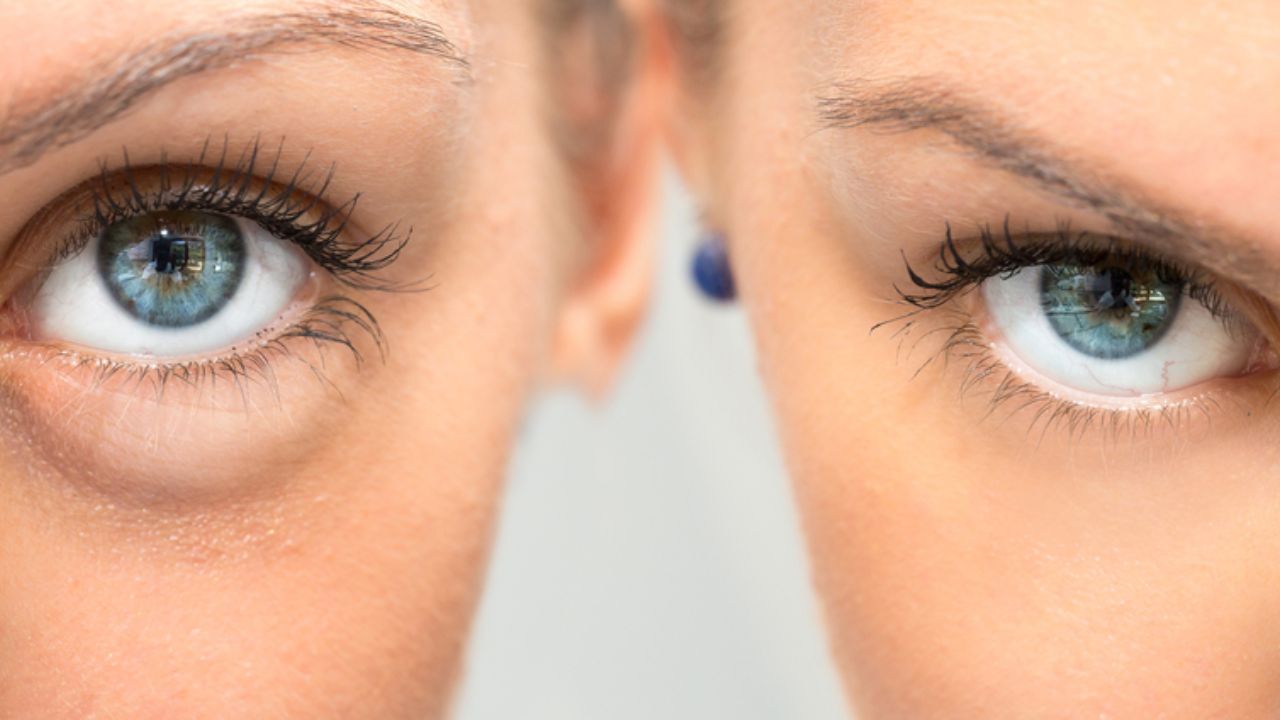
Swelling after PRP under-eye treatment is common and is usually related to injection trauma, local inflammation, and temporary fluid accumulation in the thin periorbital tissues.

If you’re experiencing swelling after PRP injection under the eyes, there are a couple of reasons why that may be the case and some after-care tips to consider.

Swollen eyes are the most common side effect of this treatment session. PRP treatment is a bio-stimulator and not a filler. So, the higher the concentration of platelets in the injection, the more swollen your under-eyes will be. This reaction should resolve within a week with the help of after-care solutions.

Here’s what you need to know about swelling after PRP injection under the eyes, how to deal with it, and suggestions for proceeding once the initial swelling has settled down.

What Causes Swelling Under Eyes After PRP Injections?

Swelling under the eyes after PRP can occur because the periorbital tissues are thin and prone to edema after injections. The degree of swelling varies with injection technique, volume, individual anatomy, and inflammatory response; it is not simply caused by whether numbing was used.

Temporary tenderness and swelling can occur after needle placement. Because PRP is autologous, allergic reactions to the platelet product itself are uncommon, although reactions to antiseptics, anesthetics, or other materials used during a procedure can occur.

The chemicals include an activating stimulus (typically a soluble agonist), a plasma protein (predominantly fibrinogen), or a platelet surface receptor (integrin αIIbβ3 or GPIIb-IIIa).

How to Manage Swelling Under Eyes After PRP Injections

It is common to experience some swelling after a PRP injection under the eye. Swelling will generally subside within a few days, but you can take steps to reduce or manage it. Follow these tips for reducing swelling after a PRP injection under the eye.

  1. Keep your head elevated as often as possible.
  2. Apply cold compresses to your eyes for 20 minutes every 2 hours.
  3. Gently massage around the eye area with your ring fingers
  4. Get plenty of rest and avoid excess sun exposure.
  5. If you have pain, inflammation, and swelling, take over-the-counter pain medications if required.

When to Seek Help

Mild to moderate swelling after PRP injection under the eyes is nothing exceptional, and it can sometimes last for days or a week. The good news is that this will likely go away within a few days to a week.

However, if you notice any of the following symptoms, call your doctor or seek immediate medical attention:

  • Severe swelling in your face and under your eyes that does not go away even after a week of the treatment
  • Acute pain in your under eye area that does not go away even after taking OTC painkillers
  • If you notice bruises or any unexpected bleeding
  • Contact your doctor immediately if you experience excessive redness or itching in that region.

Call your doctor or seek medical attention if you notice these symptoms.

How Does PRP Help Under Eye Skin?

PRP is a naturally occurring protein that helps the body to heal itself. You can use it for many different purposes, including facial skin treatment.  When applied to under-eye skin, it has been shown to help with puffiness, dark circles, wrinkles, and uneven skin tone.

The process involves drawing a blood sample from your body, where the platelets are harvested. These platelets are then injected into your under-eye area, where they will help regenerate tissue.

Consultation with Dr. Nazarian, MD: $450
Credited toward your first treatment
Labs and imaging ordered when needed
  • PRP from $800 per session
  • PRF from $1,100 per session
  • Discounted 3-session packages on every treatment
  • See the full PRP and PRF price list
  • 4 tubes of blood drawn per session, more than many clinics use; 10 to 15 cc of PRP obtained
  • 4-ingredient numbing cream
  • 6-needle injector used for hair treatments
  • Providing PRP therapy since 2008
PRP Treatment & Therapy Specialist Beverly Hills - David Nazarian

PRP Injections Under Eyes Side Effects

PRP injections under the eyes can treat wrinkles and fine lines, but they are not without side effects.

Swelling after PRP injection under the eyes is usually edema caused by local inflammation and fluid movement within the tissues after injection. It should not be explained as injected plasma needing to ‘set’ in the skin.

PRP Injections Under Eyes Side Effects

Other side effects include redness, rashes, inflammation, and mild pain under the eyes. The side effects may last for up to 2 weeks after the injection. It’s important to remember that this is normal and should go away with time.

Who Should Avoid PRP Treatment For Under Eyes?

PRP under-eye treatment is autologous but not risk-free. Temporary swelling, bruising, tenderness, bleeding, infection, pigment changes, vascular injury, and other injection-related complications can occur, and candidacy should be assessed individually.

The most common reasons for avoiding PRP injections for under-eye bags are people with a history of bleeding disorders, blood clotting disorders, or allergies to any of the ingredients in the injection.

Ensure you provide every detail of your medical conditions to your doctor before treatment.

After-care of PRP treatment Under Eyes – Things to Do and Not To Do

Here are a few things listed that you should maintain post-PRP treatment of the under eyes.

  • Follow the treating clinician’s aftercare instructions. Cold compresses may be recommended for comfort in the early recovery period; avoid heat unless your clinician specifically advises it.
  • Apply cold compresses or ice packs to the treated area for 20 minutes every hour (or more often if needed) on the first day following treatment.
  • To avoid inflammation and pain, take OTC painkillers before bedtime for the first three nights following your injection.
  • Avoid direct sun exposure after your procedure- wear sunglass when stepping out.
  • Continue your regular skincare routine as usual but try to avoid rubbing harsh products such as exfoliants or retinol products into your skin until you see how your skin reacts post-procedure.
  • Keep the under-eye area hydrated with neutral moisturizers or oils.

How Long Does Swelling Last After PRP Under Eyes?

Swelling commonly improves over several days, but the amount and duration vary by injection volume, technique, anatomy, and individual response. Persistent, severe, worsening, or one-sided swelling should be medically evaluated.

The lesser your age, the longer it will last. Also, sleeping well, sun protection, and properly hydrating the under eyes will retain the effects of PRP for a long time.

However, remember that PRP treatment is not a permanent solution to your under eyes issues. But it works long enough compared to other non-invasive treatments for under eyes such as microneedling or laser.

For physician-supervised treatment details, risks, candidacy, and pricing, see our PRP under-eye treatment page. Swelling often improves over several days, although recovery varies and persistent or worsening symptoms should be medically reviewed.

How Many Sessions of PRP for Under Eye is Required?

The number of sessions required for this procedure will vary depending on how your body responds to the injections, but most people can see some results after a single session.

Usually, to obtain the best results for a long time, your doctor will recommend 2-3 sessions max, at the interval of two months between each session.

FAQs

How long does swelling last after PRP injection?

The main side effect of the treatment is swelling, which should go away within a couple of days post-treatment. The swelling lasts 24 hours to a week, depending on your treatment’s intensity.

What are some PRP injections under eye side effects?

Some common side effects from PRP treatment under the eyes are swelling, redness, itching, and inflammation. If these side effects are out of control or last more than a week, you should seek help from your doctor as soon as possible.

Does PRP work under the eyes?

Yes, PRP treats under-eye issues like dark circles, wrinkles, etc., in that region. Because the treatment uses your blood, it is one of the safest minimally invasive cosmetic treatments making all your money worth it.

Conclusion

Although many people have had PRP injections, also known as platelet-rich plasma injections, few know about the healing process and side effects that can occur after one of these procedures.

The most important thing to remember is that swelling after a PRP injection under the eyes is common and will disappear. If you follow these tips, it should be gone in a few days. Be sure to keep your eye area clean and moisturized throughout this time.

To improve your under-eye look, call us or text us today.

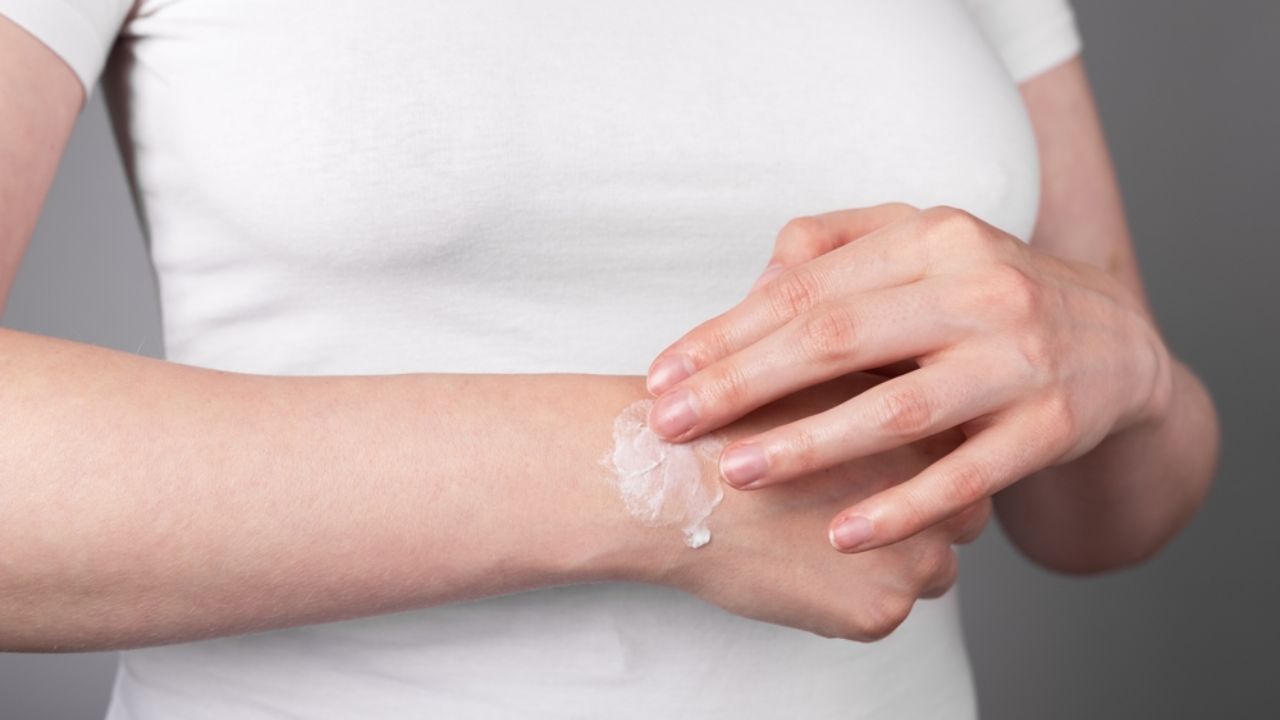
3 Types of Numbing Cream for PRP Injections [Effects and Side Effects]

If you are going for a PRP treatment within the next few days, you might be concerned about how to deal with the pain associated with this cosmetic procedure!

PRP, or platelet-rich plasma, injections are an increasingly popular alternative to surgery and other painful medical treatments due to their natural healing properties. However, one downside of PRP injections is that the process can be pretty uncomfortable.

Fortunately, numbing creams are available that can help numb the skin during the injection process. Some are topical, while others are prescription-based- so you should talk to your doctor before putting anything on! Remember, there are side effects of such creams too!

Let’s have a look at a few that work well!

PRP With Numbing Creams

The good news is that this procedure doesn’t have to be as painful as you think! Many numbing creams are on the market, with different benefits and side effects. Here’s a look at some popular types of numbness creams, what they do, and their potential risks.

  • Lidocaine: Topical lidocaine is commonly used to reduce procedure discomfort, but concentration, application area, duration, and whether the skin is covered all affect absorption and safety. High-concentration or improperly used products can cause serious systemic toxicity, including cardiac and neurologic effects.
  • Benzocaine: Benzocaine is a topical anesthetic, but it is not simply a weaker substitute for lidocaine. It has a recognized risk of methemoglobinemia, a potentially serious reduction in the blood’s oxygen-carrying capacity.
  • Tetracaine: Tetracaine is a potent local anesthetic used in some topical preparations. Onset and duration depend on formulation and application. Because systemic absorption and toxicity are possible, it should be used according to clinician or product-specific guidance rather than a fixed timing rule.

How to Make PRP Less Painful?

PRP injections are a quick procedure that usually only takes a few minutes. The numbing cream is applied to the area where you will be receiving the injection. A topical anesthetic may also be used on the surface to help with any discomfort.

There are two types of numbing creams: topical anesthetic cream, which is applied before the injection, and local anesthetic cream, which is applied after the injection or is prescribed by your doctor for use when the injected area feels sore.

Can Scalp Numbing Cream Be Used As Face Numbing Cream For PRP?

Scalp numbing cream can be used as face numbing cream for PRP injections to help ease the pain of the process. While scalp numbing cream typically contains a topical anesthetic, it is not the same as the numbing creams specially formulated for the face.

Medically reviewed by David Nazarian, MD — Board Certified in Internal Medicine and Medical Director of PRP Treatment Beverly Hills.

Topical anesthetic safety depends on the drug, concentration, treatment area, amount applied, application time, skin condition, and whether the area is covered. Do not use high-concentration numbing products or apply them to large, irritated, or broken areas unless specifically directed by a qualified clinician.

Consultation with Dr. Nazarian, MD: $450
Credited toward your first treatment
Labs and imaging ordered when needed
  • PRP from $800 per session
  • PRF from $1,100 per session
  • Discounted 3-session packages on every treatment
  • See the full PRP and PRF price list
  • 4 tubes of blood drawn per session, more than many clinics use; 10 to 15 cc of PRP obtained
  • 4-ingredient numbing cream
  • 6-needle injector used for hair treatments
  • Providing PRP therapy since 2008
PRP Treatment & Therapy Specialist Beverly Hills - David Nazarian

Side Effects of Numbing Creams

While applying numbing cream can effectively decrease pain, it may lead to some adverse effects.

Side Effects of Numbing Creams

Numbness is a PRP numbing cream’s most common side effect, but some people may experience burning or itching sensations. These adverse effects may include skin irritation, redness, swelling, dry or sensitive skin, hives, or rash.

If you are going through a numbing cream treatment with a physician or doctor, ask if any of these side effects will occur.

FAQ

Can numbing cream work on scalp PRP?

Numbing cream can be a great way to reduce the pain associated with a PRP injection. It works by numbing the injected area, which will also help you feel less pressure. You can also use it to numb your scalp before getting a hair PRP procedure.

What types of numbing creams for PRP are available in the market?

The two leading numbing creams available today are topical anesthetic and nerve-blocking agents. Topical anesthetic creams decrease pain signals to the brain, while nerve-blocking agents interfere with nerve function by targeting specific receptors.

How to get rid of pain after PRP at home?

Menthol has been shown to relieve minor soreness and pains after the procedure. It can also ease muscle aches, headaches, and sore throats. You can also use ice packs to alleviate soreness or redness after PRP procedures.

Final Thought

Numbing cream can help decrease the pain associated with PRP injections and help you get through the procedure without feeling sore afterward.

There is no single “best” numbing cream for every PRP procedure. The appropriate anesthetic and technique depend on the treatment area, expected discomfort, medical history, medication interactions, and clinician judgment. For a broader overview, see our PRP pain and numbing guide.

PRP With Derma Roller For Acne Scars

Isn’t it so frustrating to see acne scars on your face in the mirror? Like other scars, they may persist for months to years. Perhaps! you have tried all the possible remedies but cannot get rid of them. Don’t lose hope!  Here we have a solution for you.

Nowadays, PRP with Derma roller treatment is top-rated for acne scar removal. According to dermatologists, this treatment effectively removes the appearance of acne scars, reduces enlarged pores, and finally brings back the natural glow to the skin. But how does it work? Is it painful? Does it cause any side effects?

Well, this article will give you a clear overview of the necessity of the PRP with derma roller for acne scars. So read till the end to know its side effects, benefits, and process.

What Are PRP And Derma Rollers, And How Do They Work?

PRP, the platelet-rich plasma, is a process where a natural serum is created in the blood of people with acne scars by injecting PRP injection 1mm under the wounds. PRP injection repairs skin conditions, and also it contains some growth factors.

Derma roller is a skincare device containing numerous needles with a tiny handheld wheel. It rejuvenates the skin and removes acne scars while increasing the amount of collagen using the needles that are pierced into the skin by rolling those needles throughout the skin.

Adding PRP with the derma roller makes it more effective as it induces more collagen in the skin and smooths the tissue. The PRP is plasma, the concentration of platelets in it is higher than that of blood, so it stimulates platelet activation. Consequently, it helps to generate collagen and diminish acne scars.

Consultation with Dr. Nazarian, MD: $450
Credited toward your first treatment
Labs and imaging ordered when needed
  • PRP from $800 per session
  • PRF from $1,100 per session
  • Discounted 3-session packages on every treatment
  • See the full PRP and PRF price list
  • 4 tubes of blood drawn per session, more than many clinics use; 10 to 15 cc of PRP obtained
  • 4-ingredient numbing cream
  • 6-needle injector used for hair treatments
  • Providing PRP therapy since 2008
PRP Treatment & Therapy Specialist Beverly Hills - David Nazarian

What Are The Procedures Of PRP With Derma Roller For Acne Scars?

Professionals follow a few steps for better enhancement.

  • A practitioner will first test your blood sample. Now a centrifuge tool will separate the plasma from your blood.
  • Forty-five minutes to 1 hour before the entire procedure begins, the doctor will give you anesthesia so that you do not feel any pain.
  • A derma roller has numerous needles that penetrate your skin and create micropores on the skin.
  • PRP will be applied throughout your skin.
  • At the very end, a hyaluronic acid serum is applied to hydrate and replenish the skin.
  • It takes 2 hours to complete the entire procedure.

Is PRP with derma rollers effective for acne scar removal?

Yes, derma rollers with PRP are very effective for acne scar removal. There is no doubt that this procedure uses your blood to create a natural serum that completely takes away your acne scars. Here is some of its functionality-

Help to regenerate skin tissue

PRP contains proteins, cytokines, and growth factors that help regenerate skin tissue, and acne scars start to disappear. Moreover, it reduces enlarged pores and improves skin elasticity.

Improve the surface of the skin

As the serum is injected deep into the skin, it helps clear the skin from within and gives it a glow.

Induce collagen

For better skin improvement, it needs to induce collagen. Because of the increase of collagen in the skin, it helps to stimulate the growth of new cells.

How long does the effectiveness of  PRP with derma roller for acne scars last?

How long does the effectiveness of PRP with derma roller for acne scars last

PRP with derma roller is not a lifetime treatment. Its effectiveness lasts 9 to 18 months after treatment or a maximum of 2 years. Since its efficacy does not last long, dermatologists recommend going through this procedure once a year.

What to expect after PRP with derma roller treatment?

After the treatment, the doctor will ask you to follow some important skin improvement procedures.

The first thing you need to follow is to stay away from washing your face where the treatment was done for at least 1 to 2 days. Apart from water, you cannot apply any skin product without consulting your dermatologist. Because there is a 1% risk of infection in that treated area if you apply any external products without consulting a doctor.

You may feel soreness for two days when the injection is pushed. After the treatment, you will gradually see improvement in the skin. However, it will take at least six months or more before you experience the best results.

Is it okay to use a PRP with a derma roller at home?

No, It is not safe, you may face problems like infection, saggy skin, and too many punctures. Thus acne scars removal treatment with a PRP with a derma roller should not be done at home. To do this treatment at home, you must know its precautions and rules.

However, it can be dangerous for wrong use, and there is a lot of risks. Experts apply the derma roller vertically on the skin in the clinics where they provide this treatment. Now, if you use it at a 45 angle instead of vertically due to a lack of proper knowledge, it may cause skin damage.

Since this is a very sensitive issue for the skin, professionals should do this treatment. Even if the cost is a little high, it is essential to do this treatment with the help of experts at the clinic.

What are the side effects of PRP with derma roller?

Using a PRP with a derma roller carries some risks. We should be aware of these side effects before doing this procedure.

  • Darkening the skin: According to Dr. Saya Obayan, if you are not careful, you will permanently have spots on the skin, or the skin will become dark.
  • Infection: As these platelets are made from your blood, there is a low chance of infection, but there is a 1% chance of local infection.
  • Inflammation and redness: It is a common side effect. Redness and inflammation may appear on the skin after the procedure, but don’t worry, these side effects disappear in 4-6 days.

How many sessions do you need to overcome acne scars?

You need to go through this treatment several times to get good results. The number of sessions required depends on the intensity and area of your acne scars.

A session takes 1 to 2 hours. To receive a Derma Roller with PRP treatment, you must complete three sessions in 4-6 weeks. After completing the whole session, you can noticeably find the best improvement within six months.

When should I avoid this treatment?

You should be careful about a few things so that your skin doesn’t get damaged or worse because of this treatment. Make sure you discuss these issues with your dermatologist before treatment.

  • You should avoid this procedure if you have skin diseases like psoriasis or eczema.
  • If you have active acne due to supplementation or medication on your skin, don’t do it, and stay away if your skin has any injuries or bruises.
  • If you have previously had radiation therapy to the face for any reason, do not undergo this treatment.
  • If you are pregnant, keep away from such treatment, or you can talk about it with a gynecologist if there is any risk.

Do doctors recommend using a PRP with a derma roller?

Dermatologists recommend using it as its effectiveness is visible and side effects are significantly less. Experts say to avoid retinol for a minimum of 5 days before using the derma roller.

FAQ

Which derma roller size is best for use?

Experts use various sizes of needles in derma roller depending on the severity of the scars. Its size range starts from 0.25 mm and ranges between 1.5 mm. But the perfect size of the needle is 1-1.5 mm. But for pigmentation, 0.25-0.5 is the ideal size. Professionals suggest sizes based on your acne condition, skin, and pigmentation.

Can I use a PRP with a derma roller if I have acne?

No, you cannot apply this treatment to active acne. Dermatologists avoid such areas where active acne is present on the skin. If your active acne is pierced with needles, it can cause inflammation. Bacteria can also infect the skin.

Is it affordable to use them?

This treatment is quite expensive. The cost of  PRP with derma roller treatment is the most expensive of all acne scar removal treatments, which depends on the quality of the equipment. Its price ranges from about 500 dollars to 3000 dollars per session, or it can be more. Depending on their skills, this cost includes the equipment and the providers’ experience.

For physician-supervised information on treating acne scars, including candidacy, expected benefits, alternatives, and risks, see our PRP for Acne Scars service page.

\r\n

Conclusion

After reading this PRP with derma roller for acne scars, you must clearly understand the procedure. You will agree with the fact that it is not an easy process. The point should be noted that don’t go through this treatment if you have any skin disease.

As it has some side effects, you should consult a dermatologist before taking action. By this, you can be sure about the after-effects of the treatment.