
...
Yelp Logo

CALL US NOW +1-844-669-0939

What is the Best Treatment for Alopecia? Exploring Effective Solutions

Are you grappling with alopecia and feeling overwhelmed by the array of treatment options out there?

You’re not alone. In the bustling streets of Los Angeles, where appearance often feels as essential as talent, dealing with hair loss can be particularly challenging. But here’s some good news: effective solutions are within reach.

With its various forms and intensities, Alopecia demands more than just a one-size-fits-all approach. From the well-known aisles of over-the-counter treatments to the advanced realms of PRP therapy, the path to hair restoration is as diverse as the city itself.

In this blog, we’re not just listing treatments; we’re diving deep into what really works. We’ll explore how factors like your condition’s severity, lifestyle, and personal preferences are crucial in finding the right solution.

Let’s unravel the technicalities of alopecia treatments together and discover what’s best for you.

Best Treatments for Alopecia

While various common treatments are available for alopecia, each comes with its own set of considerations. From topical applications to oral medications, the choice depends on the type of alopecia, stage of hair loss, and individual lifestyle factors.

Topical Treatments: The First Line of Defense

For many dealing with alopecia, topical treatments are often the first step. Minoxidil, available over the counter, is a popular choice. It’s applied directly to the scalp and works by stimulating hair growth. However, results vary among individuals, and consistent application is crucial. Additionally, it’s more effective in the early stages of hair loss and might not yield significant results for advanced alopecia.

Oral Medications: Tackling Hair Loss Internally

Oral medications like finasteride are another common route, particularly for androgenetic alopecia. These medications work by targeting hormones that contribute to hair loss. While effective for some, they have potential side effects and are typically more suitable for long-term treatment. It’s important for patients, especially those in Los Angeles, to consider these aspects, given the lifestyle and health consciousness prevalent in the area.

Corticosteroids: Reducing Inflammation

In cases like alopecia areata, where inflammation is a factor, corticosteroids can be prescribed. They can be used topically, injected, or even taken orally. While they can effectively stimulate hair growth, their long-term use is often limited due to potential side effects.

Light and Laser Therapy

Light and laser therapies are emerging as a non-invasive option. These treatments use light energy to stimulate hair growth. While they are gaining popularity due to their non-invasive nature, it’s essential to have realistic expectations regarding their efficacy, as results can be gradual and vary widely.

The Los Angeles Factor: Considering Lifestyle and Environment

For alopecia patients in Los Angeles, it’s vital to consider the impact of lifestyle and environmental factors on hair health. Stress, diet, and even exposure to the sun can influence the effectiveness of these treatments. Patients should consider these factors in conjunction with their chosen treatment for optimal results.

Comparing PRP with Other Alopecia Treatments

PRP therapy stands out for its personalized approach, effectiveness, and safety profile compared to other alopecia treatments. It addresses the unique challenges faced by alopecia patients, offering a viable and effective treatment alternative, particularly for those in dynamic environments like Los Angeles.

For patients exploring their options, PRP therapy for hair loss at a specialized clinic offers a promising path to hair restoration and confidence renewal.

PRP vs. Topical Treatments

Topical treatments like minoxidil are often the first line of defense against alopecia. They are easy to apply and accessible.

However, their effectiveness can be limited, especially for more advanced stages of hair loss or certain types of alopecia. In contrast, PRP (Platelet-Rich Plasma) therapy offers a more dynamic approach. PRP targets the root cause of hair loss by rejuvenating hair follicles at a cellular level, making it a potent option for those who have not seen significant results from topical treatments.

PRP and Oral Medications

Oral medications, such as finasteride, work systemically to combat hair loss, primarily used for androgenetic alopecia. While effective for some, they can come with side effects and are not suitable for everyone, including women of childbearing age.

PRP therapy, being a localized and natural treatment, sidesteps these systemic side effects, offering a safer alternative for a broader range of patients, including women experiencing hair thinning.

Corticosteroids and Light Therapy Compared to PRP

Corticosteroids, used in alopecia areata, can help reduce inflammation and promote hair growth but may not be viable for long-term use due to potential side effects. While non-invasive and painless, light therapy often requires ongoing, frequent sessions and may not yield dramatic results.

PRP therapy, meanwhile, offers a balance between efficacy and safety. It requires fewer sessions than light therapy and avoids the systemic effects of corticosteroids, providing a suitable long-term solution.

PRP’s Edge in Personalization and Effectiveness

One of the critical advantages of PRP therapy is its ability to be tailored to each patient’s specific type of alopecia and severity. This personalization enhances its effectiveness, as treatments are targeted to individual needs.

For alopecia patients in Los Angeles, where lifestyle and environmental factors like sun exposure and stress are prevalent, PRP therapy’s adaptability makes it an attractive option.

Sustainability and Maintenance

In terms of sustainability and maintenance, PRP therapy also shines. Unlike daily topical applications or oral medications, PRP typically requires an initial series of treatments followed by periodic maintenance sessions.

This less frequent treatment schedule is appealing to the busy lifestyles of North American patients, particularly those in Los Angeles.

Why PRP Might Be a Better Option

For certain types of alopecia patients, particularly those with alopecia areata, traction alopecia, or those not responding to traditional treatments, PRP therapy offers a promising alternative.

Its natural, minimally invasive approach and effectiveness in stimulating hair growth and improving scalp health make it a compelling choice for those seeking a solution that aligns with a health-conscious, active lifestyle.

Key Factors to Consider Before Choosing an Alopecia Treatment

Before choosing a treatment for alopecia, consider your condition’s severity, medical history, lifestyle, pros and cons, cost, and accessibility. By considering these factors, you can make a well-informed decision that aligns with your needs and leads to the best possible outcome for your hair restoration journey.

Understanding the Severity of Your Condition

Before diving into any treatment for alopecia, it’s crucial to assess the severity of your hair loss. Are you just beginning to notice thinning hair, or are you dealing with more extensive bald patches?

The stage of your alopecia can significantly influence which treatment will be most effective. For instance, early stages of thinning might respond well to topical treatments, while more advanced alopecia may require interventions like PRP therapy for significant improvement.

Your Medical History and Health

Your overall health and medical history are vital to deciding a treatment path. Specific treatments, such as oral medications, may not be suitable if you have particular health conditions or are taking other medications.

For those with a preference for natural, minimally invasive options, PRP therapy, which uses your body’s growth factors, can be an excellent choice. Discussing your medical background with your healthcare provider to identify the safest and most effective treatment for you is crucial.

Lifestyle Considerations

Your lifestyle can also play a significant role in your treatment decision. Treatments requiring daily application might not be best if you lead a busy life and prefer a low-maintenance solution.

With its initial series of treatments followed by less frequent maintenance sessions, PRP therapy can be more conducive to a fast-paced lifestyle.

Additionally, for residents of Los Angeles, where outdoor activities and sun exposure are common, choosing a treatment that doesn’t increase sun sensitivity, such as PRP, might be preferable.

Weighing the Pros and Cons of Each Treatment

Every alopecia treatment comes with its own set of pros and cons. Topical treatments might be easy to use but can require a long-term commitment, and oral medications might be effective but come with potential side effects.

While more of an upfront investment, PRP therapy offers a natural and effective approach with minimal side effects. Evaluating these aspects against your personal preferences and needs is vital.

Cost and Accessibility

Consider the financial aspect of the treatment. While some options, like minoxidil, are more budget-friendly, others, like PRP therapy, require a more significant investment.

However, the cost should be weighed against the treatment’s potential long-term benefits and effectiveness. It’s also important to consider the available therapies in your area, especially for those in Los Angeles, where options like PRP therapy are readily accessible at specialized clinics.

Seeking Professional Advice

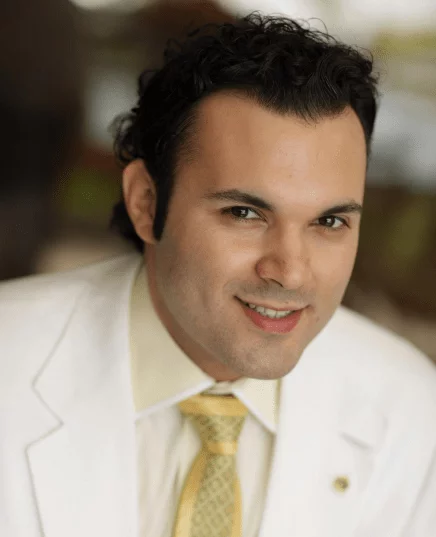
Finally, seeking advice from a hair loss specialist or a dermatologist is crucial. They can diagnose your alopecia type professionally and recommend the most suitable treatment options. For those in Los Angeles, consulting with Dr David Nazarian at PRP Treatment Beverly Hills, who understands the specific environmental and lifestyle factors, can be particularly beneficial.

Why PRP Therapy is Considered Superior for Treating Alopecia

Why PRP Therapy is Considered Superior for Treating Alopecia - PRP Treatment

PRP therapy stands out as a superior treatment for alopecia, offering a scientifically backed, personalized, and natural approach to hair restoration.

Its adaptability to the Los Angeles lifestyle, minimal maintenance requirements, long-term results, and safety profile make it an increasingly popular choice for those seeking practical solutions for hair loss.

Grounded in Science: The Effectiveness of PRP Therapy

PRP (Platelet-Rich Plasma) therapy is gaining recognition as a superior treatment for alopecia, and this is not just anecdotal – it’s backed by science. Studies show that PRP’s concentration of growth factors is crucial in stimulating hair follicles, promoting new hair growth, and strengthening existing hair.

Unlike other treatments that may superficially target hair loss symptoms, PRP therapy works at a cellular level, enhancing hair’s natural growth cycle.

Tailored for Individual Needs

One of the standout benefits of PRP therapy is its customization. Each treatment is tailored to the patient’s unique hair loss pattern, making it highly personalized.

This is particularly important for alopecia patients in diverse areas like Los Angeles, where individual lifestyle and environmental factors play a significant role in the health and condition of hair.

Adaptability to Los Angeles Lifestyle and Climate

In Los Angeles, where lifestyle and climate are key factors, PRP therapy offers a fitting solution. The city’s sunny climate and active lifestyle can exacerbate certain types of hair loss.

PRP therapy, being a minimally invasive and natural treatment, fits seamlessly into Los Angeles residents’ busy, health-conscious lives. Its ability to strengthen hair without the need for daily application or exposure to chemicals makes it an ideal choice for those living in this vibrant city.

Long-Term Results with Minimal Maintenance

Another reason PRP therapy is viewed as superior is its potential for long-term results. While treatments like minoxidil require ongoing, daily application, PRP therapy usually involves an initial series of treatments followed by less frequent maintenance sessions.

This aspect of PRP particularly appeals to people seeking a sustainable and time-efficient solution to hair loss.

Safety and Natural Approach

Safety is a paramount concern, and PRP therapy excels in this area. Utilizing the patient’s blood significantly reduces the risk of allergic reactions or side effects. This natural approach to treating alopecia is a significant draw, especially for those who prefer treatments in line with a holistic health philosophy.

Enhanced Effectiveness in Hair Restoration

PRP therapy has shown enhanced effectiveness in halting the progression of hair loss and regrowing hair in alopecic areas.

For patients experiencing various forms of alopecia, this treatment can lead to noticeable improvements in hair density and scalp health, as evidenced by multiple clinical studies and patient testimonials.

Final Words

There is no one-size-fits-all solution for alopecia. The best treatment for you hinges on understanding the unique story of your hair loss, weighing the pros and cons of each option, and aligning them with your lifestyle and personal needs.

Whether it’s the simplicity of topical treatments, the systemic approach of oral medications, or the natural and targeted effectiveness of PRP therapy, your path to hair restoration is uniquely yours.

In the vibrant city of Los Angeles, where life moves fast and appearances matter, consider a treatment that addresses hair loss effectively and fits seamlessly into your dynamic lifestyle.

At PRP Treatment Beverly Hills, we specialize in providing personalized, state-of-the-art PRP therapy tailored to your hair restoration needs.

Don’t let alopecia hold you back.

Visit us at PRP Treatment Beverly Hills and take the first step towards reclaiming your hair and confidence. Book your consultation today and discover the transformative power of PRP therapy in your fight against hair loss.

Does Minoxidil Work On Hairline Restoration: Fact or Fiction?

Let’s tackle a big question: does minoxidil help bring back hair along your hairline?

You know, that’s the part of your hair right above your forehead. Some people find their hair getting thinner there and wonder if minoxidil can fix it.

Minoxidil is a hair treatment many people use when they notice they’re losing hair. It’s like a special liquid or foam you put on your scalp. But the question is, does it work for the hairline, which is a tricky spot for hair to grow back?

In this blog, we’re going to dig into this topic. We’ll look at what minoxidil is, how it’s supposed to work, and if it’s the hero for hairlines that some people hope it is.

So, let’s get started and see if this treatment is fact or just fiction!

Does Minoxidil Work On Hairline?

Yes, minoxidil is an effective treatment for a receding hairline. While most testing of minoxidil involves hair loss near the crown, it can also be used to treat a receding hairline.

Minoxidil can stimulate hair follicles, improving hair density, normal hair growth, and a thicker appearance. It is available as a topical solution or foam and increases blood flow to the scalp, helping curb hair loss and improve hair growth.

However, it’s important to note that minoxidil may produce modest improvements to receding hairlines and is not a miracle cure for advanced baldness.

Effectiveness of Minoxidil on Hairline

While minoxidil has helped many with their hair woes, its efficacy on the hairline is still debatable. It might be a solution for some, but not a surefire answer for everyone.

What We Know About Minoxidil

Minoxidil is like a special helper for hair growth, often used when people notice their hair getting thinner.

It’s a treatment you apply right where you need it, hoping it will wake up those sleepy hair follicles. For many, it’s like a go-to solution for hair loss. But does it work wonders on the hairline?

Does Minoxidil Work on the Hairline?

The big question everyone’s asking is whether minoxidil can bring back hair along the hairline. The hairline is a tricky spot.

Some people have seen good results, noticing their hair getting thicker around the forehead. But here’s the catch – minoxidil doesn’t work the same for everyone. It’s like a magic potion for some, but it might not do the trick for others.

Studies and Research

When scientists looked into minoxidil, they found it works best on certain head parts, like the crown. But less evidence shows it works just as well on the hairline.

It’s a gray area, with some studies showing positive results and others not. It’s like putting together a puzzle with some missing pieces.

What This Means for You

If you’re thinking about using minoxidil for your hairline, it’s a gamble. It could work and bring back that full, thick hair along your forehead, or it might not make much difference. It’s like rolling the dice and hoping for the best outcome.

A Word of Caution

Remember, minoxidil isn’t a quick fix. It takes time, often months, to see any changes. And if you stop using it, your new hair might say goodbye and leave. So, it’s a commitment you’ll want to think about before diving in.

Comparing Minoxidil and PRP Therapy

Choosing between Minoxidil and PRP therapy for hairline restoration depends on your specific situation, how much daily commitment you’re up for, and what kind of results you’re hoping to see.

The Approach: Topical vs. Injected

When looking at Minoxidil and PRP (Platelet-Rich Plasma) therapy, the first big difference is how they’re used. Minoxidil is a topical solution or foam – you apply it directly when seeing hair loss. It’s like watering plants on a dry lawn.

On the other hand, PRP therapy is more like a special treatment. It involves taking some of your blood, spinning it to concentrate the good stuff (platelets), and injecting it into your scalp. It’s like using a special fertilizer to help the whole lawn grow evenly.

Effectiveness: What Works Where?

Minoxidil has a track record of working well in certain areas, like the crown of the head, but it’s a bit hit-or-miss on the hairline. PRP, meanwhile, offers a more targeted approach.

Because it’s injected, it can be directed exactly where it’s needed, potentially making it more effective for tricky areas like the hairline.

Time and Commitment

With Minoxidil, you’re looking at a daily commitment, applying it twice daily for the best chance of seeing results. And if you stop, you might lose what you’ve gained.

PRP therapy, however, usually involves a few treatment sessions spread out over time and then some maintenance visits. It’s not a daily chore but requires a bit more effort upfront.

Results: Slow and Steady vs. Quick Impact

Minoxidil often takes a while to show results – we’re talking months. And the results can vary a lot from person to person.

PRP therapy can show results more quickly, often within a few weeks or months. And because it uses your body’s healing abilities, the results can be more consistent.

Safety and Side Effects

Both treatments are generally safe. Minoxidil might cause some scalp irritation, and in rare cases, it can affect blood pressure.

PRP therapy, being a bit more involved, carries a small risk associated with blood draws and injections, like bruising or infection, but these are rare when done by a professional.

Cost Comparison

Minoxidil is often seen as the more budget-friendly option, available over the counter.

PRP therapy can be more of an investment, requiring specialized equipment and professional expertise. However, the cost of PRP can be worth it for the targeted, potentially more effective results.

Making the Right Choice for Hair Restoration

Making the Right Choice for Hair Restoration - PRP Treatment

choosing between Minoxidil and PRP therapy for hairline restoration is a personal decision based on various factors, including the nature of your hair loss, lifestyle, budget, and expectations.

Understanding the pros and cons of each treatment will guide you in making an informed choice that best suits your needs.

Evaluating Your Hair Loss Situation

When choosing a treatment for hair restoration, the first step is understanding your unique hair loss situation. Are you just beginning to notice thinning along your hairline, or has it been a concern for a while? Is your hair loss localized to the hairline, or is it more widespread?

These questions are crucial because they help determine which treatment – Minoxidil or PRP therapy – might suit you better.

Considering Treatment Effectiveness and Preferences

Reflect on what you’re most comfortable with regarding treatment application and maintenance. Minoxidil requires daily application, which is relatively straightforward but demands consistency.

On the other hand, PRP therapy, offered at clinics like Dr. Nazarian’s, involves a few initial sessions and then periodic maintenance. It’s less of a daily commitment but requires visits to a specialist.

Understanding the Financial Aspect

Cost is an essential factor. Minoxidil is generally more affordable and easily accessible. PRP therapy is a more significant investment but can offer more targeted and potentially more effective results.

Consider your budget and how much you’re willing to invest in your hair restoration journey.

Looking at Long-Term Commitment

Think about the long-term aspect of both treatments. With Minoxidil, if you stop using it, you risk losing the hair that regrew.

PRP therapy may have longer-lasting effects after the initial set of treatments, but it also may require follow-up sessions for maintenance.

Seeking Professional Advice

Consulting with a hair restoration specialist like Dr. Nazarian can provide personalized insights into your hair loss. A professional can assess your hair’s condition, discuss your medical history, and recommend the most suitable treatment option.

Weighing Safety and Convenience

Both treatments have high safety profiles when administered correctly. Minoxidil is convenient to use at home, while PRP therapy requires visits to a clinic. Consider which fits better into your lifestyle and comfort level.

Making an Informed Decision

Finally, it’s about making an informed decision that aligns with your hair restoration goals, lifestyle, and budget. Whether it’s the ease of Minoxidil or the personalized approach of PRP therapy, the choice should be one that you’re comfortable with and committed to in the long run.

Final Worlds

Choosing the proper hair restoration treatment is a big decision. Whether you’re considering Minoxidil for its convenience or intrigued by the personalized PRP therapy approach, choosing a path that aligns with your hair restoration goals and lifestyle is essential.

At PRP Treatment Beverly Hills, under the expert guidance of Dr. David Nazarian, we specialize in providing tailored PRP treatments that cater to your unique needs, offering a promising solution for hairline restoration.

If you’re ready to explore how PRP therapy can benefit you, or if you’re looking for more information to make an informed decision, we’re here to help. Visit us at PRP Treatment Beverly Hills to learn more about our services or schedule a consultation.

Let us be a part of your journey towards achieving a fuller, healthier head of hair.

Understanding Hairloss: Does Alopecia Go Away On Its Own?

Let’s talk about alopecia, a fancy word for when people lose their hair. It can happen to anyone, and it makes some people feel apprehensive. You might wonder if this hair loss stops on its own or if you need to do something about it.

Alopecia can be sneaky because it comes in different types. Some people might lose small patches of hair, while others might lose a lot more.

The big question is: can your hair make a comeback all by itself, or do you need help from treatments like PRP therapy, which we’ll talk about later?

In this blog, we will explore alopecia and whether it can go away without treatment. We’ll keep it simple and clear, just like chatting with a friend.

So, let’s dive in and learn more about this hair-loss mystery!

Does Alopecia Go Away On Its Own?

Unfortunately, alopecia areata does not go away on its own, and there is no cure for the disease. However, there are treatments available that may help both adults and children with hair regrowth.

The treatments include medications, such as minoxidil (Rogaine), which is put on the scalp and is already used for pattern baldness. It usually takes about 12 weeks to see growth, and some users are disappointed in the results.

Other alopecia areata treatments include medications sometimes used for other conditions, such as corticosteroids, immunosuppressants, and biologics.

Contact immunotherapy is another treatment option for the immune system to stop attacking hair follicles. In some people, their hair grows back but falls out later; in others, it grows back and never falls again.

Each case of alopecia areata is unique, and it can be unpredictable. If you notice hair loss, you must contact a healthcare provider immediately for proper diagnosis and treatment recommendations.

Different Faces of Alopecia: Understanding the Types

Understanding different types of alopecia helps you know what you might be dealing with and how it could affect your hair in the long run.

Alopecia Areata: The Patchy Hair Loss

Imagine waking up one day and finding small, bald patches on your head. That’s what Alopecia Areata is like. It’s a type where your hair falls out in small patches.

It might not be all over the head, but these patches can be quite noticeable. The good news? Sometimes, the hair can grow back on its own, even without treatment.

Androgenetic Alopecia: The Common Hair Thinner

This type is what many people think of when they hear “hair loss.” It’s also called male-pattern baldness in guys and female-pattern baldness in women.

Men might see their hairline receding, like their forehead is getting bigger, while women might notice their hair getting thinner all over, especially at the top of their head.

This type of alopecia tends to be more about genetics, and the hair loss is usually permanent.

Traction Alopecia: Pulled Too Tight

Traction Alopecia happens because of the way you style your hair. Tight ponytails, braids, or dreadlocks can pull on your hair over time and cause it to fall out.

Changing your hairstyle can help, and you might see your hair start to grow back.

Other Types: From Stress to Medicine

There are other types, too, like Telogen Effluvium, which can happen after stress, surgery, or some medicines.

This usually isn’t permanent, and your hair can grow back once the stressful event is over or you stop taking the medicine.

Then there’s Scarring Alopecia, where hair loss is permanent because scar tissue has formed on your scalp.

Alopecia’s Journey: Does It Fade Away Naturally?

The Unpredictable Path of Alopecia Areata

Alopecia Areata, where hair falls out in small patches, is quite unpredictable. For some, the hair might start growing back without any treatment, often within a year.

But it’s a bit like a roller coaster – sometimes the hair returns, and other times, new bald patches appear. The regrowth might not be permanent, and the color and texture of the new hair could be different at first.

Androgenetic Alopecia: A More Permanent Guest

When it comes to Androgenetic Alopecia, the story is different. This type, known as male or female-pattern baldness, usually doesn’t get better on its own.

It’s a gradual process where hair becomes thinner over time, and this hair loss tends to be more permanent. That’s because it’s linked to genetics and hormones, and these factors don’t just go away.

Reversible Cases: Traction Alopecia and Telogen Effluvium

Traction Alopecia, caused by tight hairstyles, can often be reversed. If you catch it early and change your hair-styling habits, your hair might start growing back.

Similarly, Telogen Effluvium, which can happen after stress or illness, often improves on its own. Once the stressful period is over or you recover from the illness, your hair might start to fill in again.

Scarring Alopecia: When the Damage Is Done

Scarring Alopecia is a bit more serious. It can cause permanent hair loss because the hair follicles get destroyed and replaced by scar tissue. In such cases, the hair doesn’t come back on its own.

PRP Therapy as an Alopecia Treatment Option

Platelet-Rich Plasma (PRP) therapy is emerging as a beacon of hope for those battling alopecia. Unlike traditional treatments, PRP is a cutting-edge procedure that harnesses the healing power of your own body.

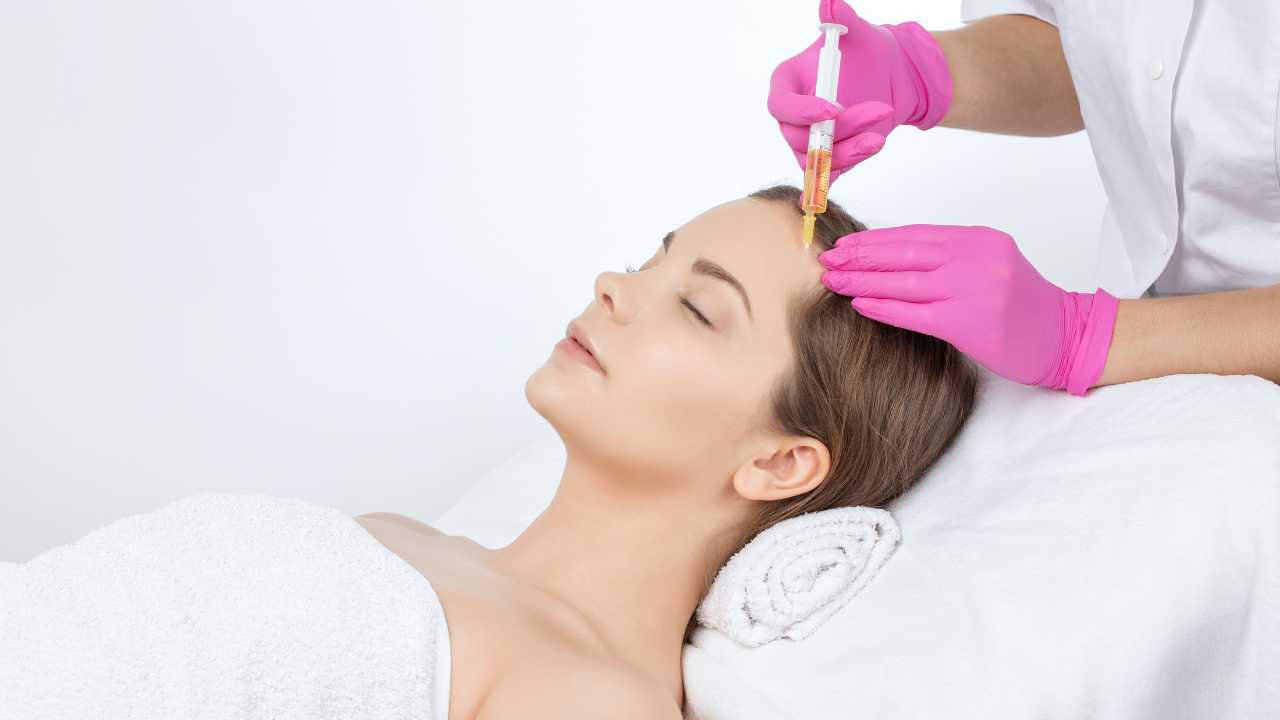
It involves taking a small sample of your blood, spinning it in a centrifuge to concentrate the platelets, and injecting this enriched plasma back into your scalp. Think of it as giving your hair follicles a powerful, natural boost.

How PRP Works Against Hair Loss

The magic of PRP lies in the concentrated platelets rich in growth factors. These growth factors are like secret messengers that encourage hair follicles to grow.

When injected into the scalp, they jumpstart the natural regrowth process, rejuvenating weakened follicles and promoting new hair growth. It’s a natural, holistic approach, tapping into the body’s resources to combat hair loss.

PRP: Tailored to Your Needs

At PRP Treatment Beverly Hills, Dr. David Nazarian emphasizes the personalized nature of PRP therapy. Each treatment is customized based on the individual’s specific type of alopecia and the severity of their condition.

This tailored approach ensures that each patient receives the most effective treatment for their unique hair loss situation.

Safety and Efficacy of PRP

One of the key advantages of PRP therapy is its safety profile. Since it uses the patient’s blood, the risk of allergic reactions or infections is minimal.

Moreover, PRP has shown promising results in various types of alopecia, particularly in cases where traditional treatments have been ineffective. Patients often observe noticeable improvements in hair density and scalp health after undergoing PRP therapy.

PRP at Beverly Hills: A Cut Above the Rest

At our clinic, PRP therapy is more than just a procedure; it’s a part of a comprehensive approach to hair restoration. Dr. Nazarian combines his expertise with advanced techniques to provide the best possible outcomes.

The clinic’s state-of-the-art equipment ensures that the PRP prepared is of the highest quality, maximizing the treatment’s effectiveness.

Why Consider PRP for Your Hair Loss Journey

For those wondering about alternative treatments for alopecia, PRP therapy offers a compelling option. It’s less invasive than surgical approaches, devoid of the daily commitment required by topical therapies, and is backed by growing scientific evidence.

It’s especially appealing to those seeking a natural solution to hair loss, as it uses the body’s healing mechanisms to regenerate and strengthen hair follicles.

PRP Therapy at PRP Treatment Beverly Hills

PRP Therapy at PRP Treatment Beverly Hills

At Dr. Nazarian’s clinic, PRP therapy is not a one-size-fits-all solution. Recognizing that each case of alopecia is unique, Dr. Nazarian and his team take a personalized approach.

Before beginning treatment, they thoroughly assess each patient’s hair loss pattern, scalp health, and overall medical history. This meticulous evaluation ensures that the PRP therapy is customized to meet the specific needs of every individual.

Advanced Techniques in PRP Preparation

What sets Dr. Nazarian’s clinic apart is advanced techniques in preparing the Platelet-Rich Plasma. The clinic has cutting-edge technology that isolates the highest quality platelets from the patient’s blood.

This ensures a concentration of growth factors crucial for effective hair restoration. The precision in PRP preparation at Dr. Nazarian’s clinic significantly enhances the potential for successful outcomes.

The PRP Treatment Process

The treatment process at Dr. Nazarian’s clinic is designed for maximum comfort and efficacy. The procedure begins with drawing a small amount of blood, similar to a routine blood test.

The blood is then processed to extract the PRP, which is meticulously injected into the areas of the scalp affected by hair loss. Dr. Nazarian uses fine needles and a gentle technique to ensure patient comfort throughout the procedure.

Safety and Comfort: Top Priorities

Safety and patient comfort are paramount at Dr. Nazarian’s clinic. The entire PRP process is conducted in a sterile environment to minimize any risk of infection.

Patients are also given detailed aftercare instructions to ensure a smooth recovery and optimal results.

Experience and Expertise

Dr. Nazarian’s extensive experience in PRP therapy is a crucial advantage for patients. His expertise in the field of hair restoration is reflected in his approach to treatment and patient care.

He is dedicated to staying abreast of the latest advancements in PRP research, ensuring that his patients receive the most up-to-date and effective treatments available.

Supportive and Caring Environment

Understanding that dealing with hair loss can be emotionally challenging, the clinic provides a supportive and caring environment.

Dr. Nazarian and his team are focused on the clinical aspects of treatment and on providing emotional support and guidance to their patients throughout their hair restoration journey.

Why Choose Dr. Nazarian’s Clinic for PRP Therapy

Choosing Dr. Nazarian’s clinic for PRP therapy means entrusting your hair restoration journey to a team that combines medical expertise with a compassionate approach.

The clinic’s commitment to personalized care, advanced techniques, and a supportive environment make it an ideal choice for those seeking effective solutions for alopecia.

Final Words

Understanding alopecia and its various forms is the first step toward finding the right solution for your hair loss. While some types of alopecia may resolve independently, others require a more proactive approach.

PRP therapy, as offered at Dr. Nazarian’s PRP Treatment Beverly Hills, stands out as a cutting-edge, personalized treatment option that leverages your body’s natural healing abilities. With our advanced techniques, individualized care, and Dr. Nazarian’s expertise, we’re committed to helping you achieve the best possible results in your hair restoration journey.

If you’re considering PRP therapy or looking for more information on how it can help with your specific type of alopecia, we invite you to reach out to us.

Visit our PRP Treatment Beverly Hills website to learn more, or contact us directly to schedule a consultation.

Let us be your partner in regaining your hair, confidence, and well-being.

Does Rogaine Work for Women? A PRP Expert Weighs In

Rogaine is a popular product people use when they’re worried about losing their hair. Now, does this work for women too? Well, that’s what we’re going to talk about today.

Rogaine is like a special lotion for your hair. Women put it on their scalp, hoping it will help them grow more or stop their hair from falling out. It’s pretty famous, but the big question is, does it work for ladies?

As a hair growth therapy specialist, I’ve seen many ways to help with hair loss. One of them is called PRP, and it’s another way to tackle this hair problem.

This blog will compare Rogaine and PRP, especially for women. We’ll look at how they work if they’re good at their work, and which one might be better.

So, let’s get into it and find out more!

Does Rogaine Work for Women?

Rogaine, known to scientists as minoxidil, is like a special helper for hair. It’s a liquid or foam that women can put on their scalp.

For women, Rogaine can help treat genetic hair loss, which usually manifests as a gradual thinning along the part of the hair. It is generally considered safe, and side effects tend to be mild.

However, it is not recommended for women who are pregnant or breastfeeding.

The idea is that it wakes up hair follicles – those tiny places where hair grows – and helps new hair to start growing. It’s like giving your hair a little nudge to help it grow.

What Does the Research Say?

So, what do the experts say about Rogaine?

Research shows that it can indeed help some women. When women use Rogaine, many see their hair get fuller and thicker over time.

It doesn’t work overnight, though – noticing a difference can take several months. But remember, not every woman will get the same results; for some, it might not make a significant change.

Rogaine’s Success Rates for Women

Let’s talk numbers. Studies show that about two out of five women (around 40%) see their hair grow back with Rogaine. This isn’t a small number, so it’s clear that Rogaine has helped many women.

However, it also means that it doesn’t work for everyone. For some women, Rogaine is not the right fit for their hair growth journey.

The Limitations of Rogaine

Rogaine sounds great. But it’s not perfect.

First, you must keep using it regularly, or the new hair might say goodbye and fall out again. Also, it might not work well for everyone, especially if the hair loss is severe.

Plus, some women might experience a little scalp irritation or unwanted hair growth in other areas, like the face.

Side Effects and Considerations of Rogaine

When we talk about Rogaine, it’s not just about how it helps your hair grow; we also need to chat about its side effects. Some women using Rogaine experience a bit of scalp irritation.

This can feel like itching, flakiness, or redness on the scalp where you apply the product. It’s like your scalp saying, “Hey, I’m not so sure about this new stuff!”

The Unusual Hair Growth

Here’s a quirky thing about Rogaine – sometimes, it can cause hair to grow in places you didn’t expect, like on your forehead or face. It’s like the Rogaine gets a little too excited and goes beyond where it’s needed.

Most women find this surprising, and it’s something to remember when considering this treatment.

Rogaine’s Long-Term Relationship with Your Scalp

Think of Rogaine as a long-term relationship for your hair. If you start using it and then stop, your hair might decide to leave, too. That means the new hair growth can decrease if you stop using Rogaine. It’s a commitment – once you start, you might need to keep going to maintain those results.

The Heart Matters with Rogaine

Here’s something interesting: Rogaine was initially a blood pressure medication. So, for some women, especially those with heart issues, it can affect their blood pressure or heart rate.

If you have heart concerns, it’s like walking on a tightrope – you must balance carefully and talk to your doctor before starting Rogaine.

Rogaine and Pregnancy: A Delicate Balance

If you’re pregnant or planning to be, Rogaine might not be your best friend. It’s not recommended for use during pregnancy or breastfeeding.

It’s like putting your hair’s needs on hold for a while as your and your baby’s health comes first.

The Emotional Side of Hair Loss and Rogaine Use

Dealing with hair loss can be a rollercoaster of emotions, and adding Rogaine to your routine might bring its own set of feelings.

Some women feel hopeful, others get frustrated, especially if results take time. It’s essential to stay patient and remember that everyone’s hair journey is unique.

PRP: Natural Alternative Treatment to Rogaine

While Rogaine is like a one-size-fits-all solution, PRP is more personalized. It uses your blood, so there’s a lower risk of allergic reactions.

PRP treatments are spaced out over time, so there’s no daily commitment like with Rogaine. Plus, PRP can address various hair loss causes, not just the ones Rogaine targets.

The PRP Process: Simple and Natural

Getting PRP treatment is a pretty straightforward process. It starts with a blood draw, like getting a regular blood test. Then, the blood is spun to separate the platelets.

The final step is injecting these platelets into your scalp. The process takes about an hour, and you can return to your day without downtime.

PRP’s Growing Popularity

PRP is gaining popularity, especially among those looking for a more natural approach to hair restoration. It’s being recognized for its effectiveness in promoting hair growth and improving the overall health of the scalp. For many, using their own body’s resources is a big draw.

How Does PRP Work?

PRP therapy works by tapping into your body’s natural healing abilities. The concentrated platelets are a total of growth factors – think of them as little cheerleaders encouraging hair follicles to wake up and grow.

These growth factors increase blood supply to the hair roots and stimulate the scalp to promote hair regrowth. It’s a way of telling your hair, “Hey, it’s time to get growing!”

The Science Behind PRP

The science of PRP is fascinating. Platelets are a vital part of our blood that helps with healing. When concentrated and injected into the scalp, they release growth factors like a wake-up call for dormant hair follicles.

This process can lead to thicker, fuller hair. It’s like fertilizing a garden to help everything grow better.

PRP vs. Rogaine: A Comparative Analysis

Both Rogaine and PRP have their strengths in combating hair loss, and their choice depends on individual preferences, needs, and hair goals.

Rogaine offers a convenient and non-invasive option, whereas PRP provides a more personalized and natural approach to hair restoration.

Understanding these differences can help you decide which treatment is proper for your journey towards healthier hair.

The Approach to Treatment

When we compare PRP to Rogaine, the first thing to note is their approach to treating hair loss. Rogaine works like a daily supplement for your hair. It’s applied directly to the scalp, usually twice daily, and stimulates hair growth.

PRP, on the other hand, is more like a targeted therapy. It involves a few sessions where your blood, enriched with platelets, is injected into the scalp. This method focuses on rejuvenating the hair follicles from within.

Effectiveness in Hair Regrowth

Effectiveness in Hair Regrowth - PRP Treatment

Rogaine has a proven track record, especially in the early stages of hair thinning.

It’s known to work well for many, but not all, and the results can vary. PRP, in contrast, uses your body’s natural healing ability, which can lead to more consistent and sometimes more dramatic hair regrowth.

However, the effectiveness of PRP can also depend on factors like age, overall health, and the pattern of hair loss.

The Time Factor

With Rogaine, patience is the key. It may take several months before you see any noticeable changes. And you need to keep using it regularly to maintain new hair growth. PRP requires a few treatment sessions, and results can often be observed quicker than with Rogaine.

However, like Rogaine, PRP may also require ongoing treatments to maintain hair growth over time.

Side Effects and Safety

Rogaine is generally safe but can cause scalp irritation, itching, or unwanted hair growth in areas near the application site. In rare cases, it can affect blood pressure.

PRP typically has fewer side effects as a natural treatment using your blood. The most common are mild pain or swelling at the injection site, but these usually subside quickly.

Cost and Commitment

Rogaine is a more budget-friendly option and is readily available. But it requires a daily commitment and ongoing expense.

PRP is more of an upfront investment. It’s generally more expensive than Rogaine, but it doesn’t require daily application. The cost can vary depending on the number of sessions needed.

Personalization of Treatment

PRP offers a personalized approach. Each treatment is tailored to the individual, using their blood and targeting specific areas of the scalp.

Rogaine, while effective for many, is a more general treatment and does not offer the same level of personalization.

Why Choose PRP Treatment at PRP Treatment Beverly Hills

At PRP Treatment Beverly Hills, we pride ourselves on our expertise and extensive experience in PRP therapy. Our team, led by Dr. David Nazarian, deeply understands hair restoration techniques.

We’re not just practitioners but specialists who have dedicated years to mastering PRP treatments. This ensures that you receive care from experts who are thoroughly familiar with the nuances of this innovative procedure.

State-of-the-Art Techniques

Our clinic is equipped with the latest technology in PRP therapy. We use advanced methods to prepare the platelet-rich plasma, ensuring the highest concentration of growth factors.

This state-of-the-art approach enhances the effectiveness of the treatment, offering you the best possible results for your hair restoration journey.

Personalized Care

We believe that every individual’s hair loss journey is unique. That’s why we offer personalized care tailored to your specific needs.

Our team takes the time to understand your hair loss history, assess your scalp’s condition, and design a treatment plan that addresses your particular concerns. This individualized approach ensures that your treatment is perfectly suited to your requirements.

Comfortable and Welcoming Environment

We understand that undergoing any medical treatment can be daunting. That’s why we’ve created a welcoming and comfortable environment at our clinic.

From the moment you step in, you’ll be treated with warmth and care, making your experience as pleasant and stress-free as possible.

Proven Track Record of Success

Our clinic boasts a proven track record of successful PRP treatments. We have helped numerous clients significantly improve hair density and scalp health. Our clients’ before-and-after transformations speak volumes about the effectiveness of our PRP treatments.

Comprehensive Consultation and Follow-up

We begin with a comprehensive consultation to discuss your expectations and answer any questions you may have.

We provide detailed follow-up care to ensure you achieve the best results after the treatment. Our ongoing support is a testament to our commitment to your hair restoration success.

Integrating PRP with Holistic Hair Health Strategies

At PRP Treatment Beverly Hills, we don’t just focus on the treatment itself. We believe in a holistic approach to hair health.

This means we also provide advice on nutrition, lifestyle changes, and hair care practices that can complement your PRP treatment and contribute to the overall health of your hair.

Final Words

Whether you’re exploring options like Rogaine or considering the natural, personalized approach of PRP therapy for hair restoration, choosing a treatment that aligns with your needs and expectations is crucial.

At PRP Treatment Beverly Hills, we’re committed to providing top-notch care with our expert team, state-of-the-art technology, and personalized treatment plans. Our track record of successful transformations is a testament to our dedication to helping you achieve the best possible results.

If you’re ready to take the next step in your hair restoration journey, we invite you to visit us at PRP Treatment Beverly Hills. Let us be a part of your path to thicker, healthier hair. To learn more or schedule a consultation, visit our PRP Treatment Beverly Hills website or call us.

We’re here to guide you towards a solution that brings out the best in your hair and boosts your confidence.
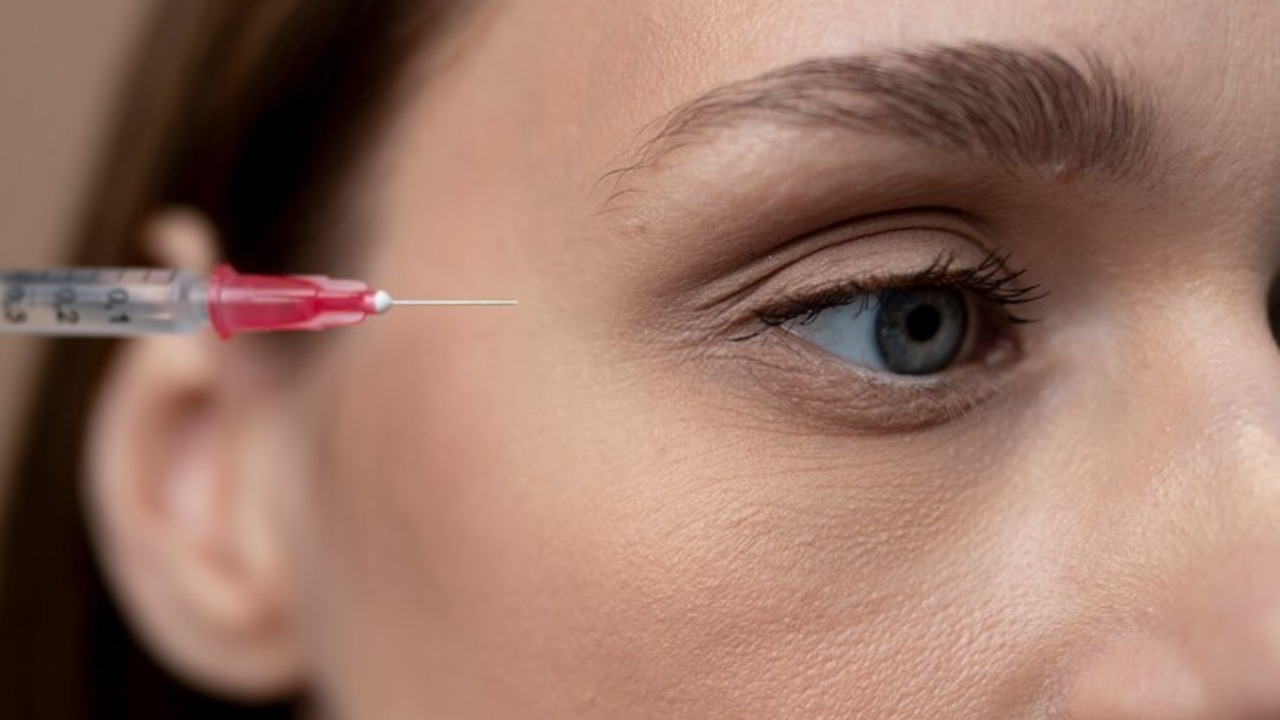

PRP Under Eyes Before And After Queries: FAQs Answered

Are you curious about the transformative effects of PRP treatments for those troublesome under-eye areas?

You’re not alone. Many of us constantly search for that magical remedy to rejuvenate our tired eyes and restore a youthful appearance. PRP (Platelet-Rich Plasma) therapy has emerged as a beacon of hope in this quest, promising remarkable before-and-after transformations. But with curiosity comes questions, and plenty of them.

In this comprehensive blog, we dive into the most pressing FAQs about PRP under-eye treatments, especially focusing on those intriguing before-and-after results. From understanding the basics of PRP to unraveling the mysteries of its effects, we’ve got your questions covered.

Whether you’re considering the treatment or simply fascinated by its potential, join us as we explore the ins and outs of PRP therapy and uncover what it truly has to offer for revitalizing those delicate under-eye areas. Let’s embark on this journey of discovery together!

PRP Under Eyes Before-and-After Specific FAQs

Addressing these specific before-and-after FAQs helps potential patients better understand what to expect from PRP under-eye treatments, allowing them to make informed decisions about pursuing this increasingly popular cosmetic procedure.

What Changes Can I Expect to See After PRP Under Eye Treatment?

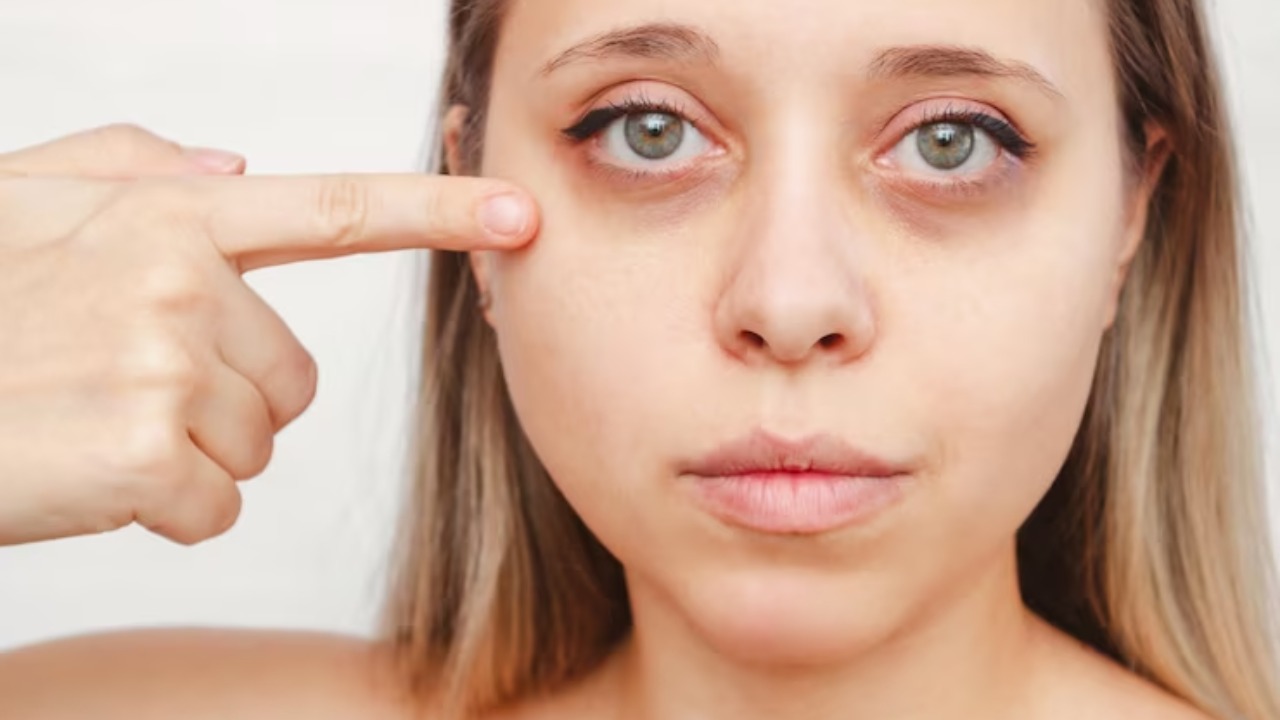
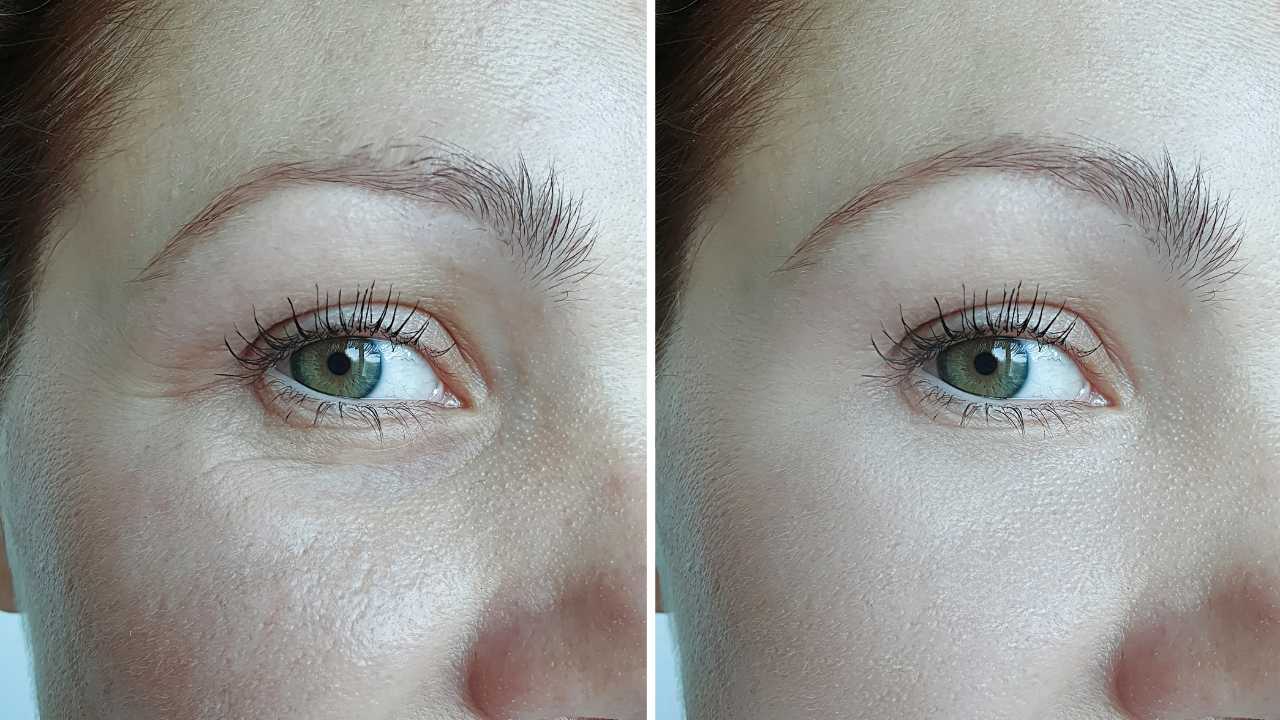
The most noticeable change post-PRP treatment is reduced under-eye darkness and puffiness. Patients often report a more refreshed and rejuvenated appearance. The treatment aims to improve skin texture and tone, making the under-eye area appear brighter and more youthful.

How Long Before I See Results from PRP Under Eye Treatment?

Results can vary, but patients typically notice improvements within a few weeks after the treatment. The total effect of PRP therapy usually becomes evident after a couple of months as the body’s natural collagen production is stimulated, leading to gradual skin regeneration.

Are the Results of PRP Under Eye Treatment Permanent?

While PRP treatment can offer significant improvements, the results are not permanent. The longevity of the results depends on factors like age, skin type, and lifestyle. Maintenance treatments are often recommended to sustain the benefits.

Do I Need Multiple PRP Sessions for the Best Results?

Many patients achieve optimal results after a series of PRP sessions. The exact number of sessions varies depending on individual goals and the initial condition of the under-eye area. Your practitioner can provide a personalized treatment plan after assessing your specific needs.

Will There Be Any Immediate Visible Changes Right After the Treatment?

Immediately following the treatment, slight redness or swelling might occur, a normal part of the healing process. The initial visible changes are generally subtle, with more significant improvements appearing gradually over time as the skin heals and rejuvenates.

How Do Before-and-After Photos Accurately Represent PRP Under Eye Treatment Results?

Before-and-after photos provide a visual representation of the changes brought by PRP treatments. These photos are valuable for setting realistic expectations and showcasing the potential improvements in under-eye darkness, wrinkles, and overall skin quality.

Additional Considerations for PRP Under Eye Treatment

Considering these additional aspects of PRP under-eye treatment can help individuals make a well-informed decision and prepare adequately for the procedure, ensuring a positive experience and satisfying results.

Assessing Candidacy for PRP Treatment

Not everyone is an ideal candidate for PRP under-eye treatment. Factors such as overall health, skin condition, and the specific nature of the under-eye issues play a significant role in determining suitability. A consultation with a healthcare provider is essential to assess if PRP is the right option for you.

Understanding the Risks and Side Effects

While PRP treatment is generally safe, being aware of potential risks and side effects is crucial. These may include temporary swelling, bruising, or redness at the injection site.

Rarely, more severe side effects like infection or tissue damage could occur. Discussing these risks with your practitioner beforehand can help set realistic expectations.

The Importance of Choosing a Qualified Practitioner

The experience and skill of the practitioner performing the PRP treatment significantly impact the outcomes.

Choosing a qualified and experienced professional specializing in facial treatments is essential to ensure the highest safety standards and best results.

Cost Considerations

PRP treatments can vary in cost, depending on the provider and the number of sessions required.

It’s essential to consider the financial aspect and to understand that multiple sessions might be needed for optimal results. Some clinics offer payment plans or packages to make the treatment more accessible.

Lifestyle Factors Influencing Treatment Outcomes

Lifestyle choices can affect the results of PRP treatment.

Factors like smoking, alcohol consumption, diet, and sun exposure can impact the healing process and the longevity of the outcomes. Adopting a healthy lifestyle can enhance and prolong the benefits of the treatment.

Post-Treatment Care and Maintenance

Proper aftercare is crucial for maximizing the results of PRP treatment.

Following the practitioner’s guidelines on skincare, sun protection, and other aftercare instructions can help maintain the rejuvenated appearance of the under-eye area.

Side Effects of PRP for Dark Circles Treatment

Side Effects of PRP for Dark Circles Treatment - PRP Treatment

Being aware of the potential side effects of PRP and risks allows patients to make an informed decision about undergoing PRP treatment for dark circles.

It also underscores the importance of choosing an experienced and reputable practitioner to perform the procedure.

Potential Complications Caused by Injections or Blood Draws

While PRP treatment for dark circles is minimally invasive, it does involve injections and blood draws, which carry their own set of potential complications.

Patients may experience discomfort, bruising, or swelling at the blood draw site and the injection sites under the eyes. Though typically mild and temporary, these side effects can cause some inconvenience.

More significant reactions like hematoma (a localized collection of blood outside the blood vessels) or nerve injuries could occur in rare cases. Patients must discuss these risks with their healthcare provider to understand the full scope of potential complications.

Risk of Infection From Injection Treatments

Any procedure that involves injections also carries a risk of infection. While the risk is low with PRP treatments, as it uses the patient’s blood, it’s not non-existent.

Ensuring a qualified professional performs the treatment in a sterile environment is essential to minimize this risk.

After the procedure, following the aftercare instructions provided by the practitioner, such as keeping the injection sites clean and avoiding touching the area unnecessarily, can further reduce the risk of infection.

Before-and-after photographs are only one part of evaluating treatment. For candidacy, realistic expectations, risks, alternatives, and treatment details, visit our PRP Under Eyes service page.

\r\n

Conclusion

PRP (Platelet-Rich Plasma) therapy offers a promising solution for those seeking to address dark circles under the eyes. While the treatment is generally safe and effective, understanding the potential side effects and risks is crucial for anyone considering this option.

It’s important to acknowledge the possibility of discomfort, bruising, swelling, and a rare but real risk of infection associated with the injections and blood draws. These factors underscore the importance of seeking treatment from a qualified and experienced practitioner who adheres to the highest standards of safety and sterility.

Patients can make decisions that align with their health and cosmetic goals by being well-informed about the benefits and risks. PRP therapy, with its approach of using the body’s natural healing processes, is an attractive choice for those looking to rejuvenate and refresh their under-eye appearance, promising a brighter and more youthful look.

What To Avoid After Prp Hair Treatment? 10 Things You Can’t Forget

Medically reviewed by David Nazarian, MD — Board Certified in Internal Medicine and Medical Director of PRP Treatment Beverly Hills.

After PRP hair treatment, early aftercare is mainly about reducing scalp irritation and following the treating clinician’s instructions.

Aftercare recommendations vary by injection technique, scalp sensitivity, medications, and clinic protocol. The goal is to limit irritation, protect the treated scalp, and recognize symptoms that need medical review.

Think of your scalp as a freshly seeded garden. Just as you wouldn’t trample over new plantings or neglect them after sowing, your scalp requires a similar level of care post-PRP treatment.

The actions you take and the products you use (or avoid) in the days following your treatment can significantly influence the results. Imagine sabotaging your efforts and investment by making uninformed choices!

The points below cover common precautions patients are often advised to discuss after PRP hair treatment. Your own clinician’s instructions should take priority because protocols differ.

So, let’s dive in and discover how to protect and maximize your investment for the best possible outcomes!

Top 10 Things to Avoid After PRP Hair Treatment

Harsh Chemical Hair Products

After a PRP treatment, your scalp is more sensitive and vulnerable. Using hair products with harsh chemicals can lead to irritation and negatively impact the healing process.

Opt for gentle, natural hair care products instead to ensure your scalp remains healthy and can fully benefit from the PRP treatment.

Check why you should have no caffeine after PRP.

Excessive Heat Styling

High temperatures from hairdryers, straighteners, or curling irons can harm your hair’s health post-PRP treatment.

Heat styling can cause dehydration and weaken the hair strands, counteracting the benefits of the treatment. It’s advisable to let your hair air dry and minimize the use of heat styling tools.

Strenuous Exercise

Engaging in heavy physical activity immediately after PRP treatment can lead to excessive sweating and potential irritation to the treated area.

It’s recommended to avoid strenuous exercise for a few days post-treatment to allow your scalp to heal correctly.

Swimming

Chlorinated water in pools and salt water can be harsh on your hair and scalp, especially after PRP treatment.

These environments can lead to dryness and irritation, so it’s best to avoid swimming for at least a week after your treatment.

Direct Sun Exposure

Exposing your scalp to direct sunlight can be harmful post-PRP treatment. The sun’s UV rays can cause damage and irritation to the treated area.

Wearing a hat or using a scalp sunscreen is recommended outdoors.

Alcohol Consumption

Some clinicians recommend limiting alcohol around the time of treatment, but there is not a universal evidence-based interval for every patient. Follow the instructions given for your procedure and medical history.

Smoking

Smoking can adversely affect vascular and overall health. Whether it changes an individual PRP hair outcome is not precisely established, but smoking cessation is beneficial for general health.

Coloring or Bleaching Hair

Chemical processes like coloring or bleaching can be extremely harsh on your scalp and hair, especially after a PRP treatment.

It’s recommended to wait at least a few weeks before undergoing any chemical hair treatments to avoid damaging your hair.

Using Tight Hairstyles

Tight hairstyles can pull and stress your hair follicles, which is not ideal after PRP treatment. Opt for looser hairstyles to reduce tension and allow your scalp to heal effectively.

Neglecting Scalp Hygiene

Maintaining a clean scalp is crucial after PRP treatment. Avoiding proper scalp hygiene can lead to the buildup of products and oils, which can clog hair follicles and hinder the effectiveness of the treatment.

Gentle washing with suitable products is vital in maintaining scalp health.

Additional Aftercare Tips

Additional Aftercare Tips - PRP Treatment

You must incorporate these aftercare tips into your routine to achieve better and lasting results from your PRP hair treatment. By doing so, you’ll not only enhance the healing process but also maximize the treatment’s effectiveness.

Gentle Hair Washing Practices

After PRP treatment, washing your hair gently is essential to avoid stressing the hair follicles. Use lukewarm water and a sulfate-free shampoo to cleanse the scalp without irritating it. Avoid vigorous scrubbing; lightly massage the scalp to enhance blood circulation while keeping the area clean.

Hydration and Nutrition

Your body needs adequate hydration and nutrition to heal effectively. Drinking plenty of water and maintaining a balanced diet rich in vitamins and minerals can significantly impact the success of your PRP treatment.

Foods high in protein, omega-3 fatty acids, and antioxidants can support hair growth and improve the health of your scalp.

Managing Stress Levels

High stress can negatively impact hair health and healing after PRP treatment. Engaging in stress-reducing activities like yoga, meditation, or light exercise can promote relaxation and enhance the overall effectiveness of the treatment.

Avoiding Alcohol-Based Hair Products

Alcohol-based hair products can cause dryness and irritation to the scalp. Avoiding these products post-treatment to maintain the scalp’s natural moisture balance and avoid adverse reactions is crucial.

Regular Follow-Up Appointments

Regular follow-up appointments with your healthcare provider is vital to monitor your treatment progress. These check-ups provide an opportunity to adjust aftercare routines and address any concerns that may arise during the healing process.

Sun Protection for Scalp

Protecting your scalp from UV rays is vital after PRP treatment. When outdoors, use a scalp sunscreen or a hat to shield the treated area from sun exposure, which can cause damage and slow the healing process.

Avoiding Over-the-Counter Medications

Some over-the-counter medications, like anti-inflammatories, can interfere with the healing process. Consult with your healthcare provider about any medications you plan to take post-treatment to ensure they won’t hinder your recovery.

Which Hair Loss Patients Can Benefit From PRP Treatments?

Platelet-Rich Plasma (PRP) treatments have become an effective option for certain types of hair loss. The patients who can benefit most from PRP treatments typically include:

  • Patients with Androgenetic Alopecia: This is a common form of hair loss, known as male-pattern baldness in men and female-pattern hair loss in women. PRP is particularly beneficial in these cases, as it can help stimulate dormant hair follicles, leading to increased hair density.
  • Those Experiencing Early Hair Loss: PRP treatments are generally more effective in individuals who have just started experiencing hair loss. Early intervention can yield better results, as the aim is to stimulate hair growth and prevent further loss.
  • Patients with Alopecia Areata: PRP has been studied in alopecia areata, but it is not a universal or first-line treatment. This autoimmune condition should be diagnosed and managed with evidence-based options appropriate to disease severity.
  • Individuals Not Responding Well to Conventional Treatments: Patients who have not seen significant results from traditional treatments like minoxidil (Rogaine) or finasteride (Propecia) may benefit from PRP as an alternative or complementary therapy.
  • Those Seeking a Non-Surgical Solution: PRP is an attractive option for patients looking for non-surgical methods to treat hair loss. It uses the patient’s blood, reducing the risk of allergic reactions, and does not require surgical intervention.
  • Individuals who notice their hair is thinning, but not necessarily balding, can benefit from PRP treatments. PRP can help thicken the hair and improve the scalp’s overall health.
  • Patients with Good Overall Health: The effectiveness of PRP can also depend on the individual’s general health. Those with good health tend to respond better to PRP treatments.

Don’t forget to discover the side effects of PRP treatment for hair.

Final Words

PRP has its strongest hair-loss evidence in androgenetic alopecia. Evidence for other causes of hair loss is less consistent, so diagnosis should come before treatment selection.

Its appeal lies in its non-surgical nature and the use of the body’s natural healing mechanisms, making it a suitable option for patients seeking alternatives to traditional hair loss treatments.

However, it’s crucial to remember that the efficacy of PRP can vary based on individual factors like the extent of hair loss, overall health, and response to previous hair loss treatments. For those considering PRP therapy, it’s essential to consult with a healthcare professional to assess suitability and set realistic expectations.

For candidacy, pricing, risks, alternatives, and physician-supervised treatment planning, see our PRP Hair Restoration & Hair Loss Treatment page.

The Science Behind PRP for Dark Circles: How Does it Work?

Are you tired of looking in the mirror and seeing those stubborn dark circles under your eyes? You’re not alone. Dark circles can be a frustrating sign of stress, fatigue, or aging, making you look more tired than you feel.

But what if there was a way to conceal and treat these unwelcome shadows? Enter PRP (Platelet-Rich Plasma) therapy – a revolutionary approach turning heads in cosmetic treatments.

PRP for dark circles isn’t just another skincare fad; it’s a scientifically backed treatment that taps into your body’s healing power. Imagine using your body’s natural abilities to rejuvenate and restore the delicate skin under your eyes. Intriguing, right?

This blog post will dive into the fascinating science behind PRP and how it explicitly targets those pesky dark circles. We’ll explore everything from what PRP is to the nitty-gritty of how it works its magic.

Whether you’re a skincare enthusiast or just curious about new treatments, understanding the science behind PRP will give you insights into one of the most talked-about advancements in cosmetic care. So, let’s get ready to shed some light on those dark circles and discover how PRP might be the game-changer you’ve been looking for!

Understanding Dark Circles

Dark circles are more than just signs of a sleepless night. They are visible discolorations or shadowing under the eyes, often accompanied by puffiness.

While they are usually harmless, dark circles can be a cosmetic concern for many, influencing their overall appearance and confidence. The skin under our eyes is the thinnest on our body, making it more prone to showing signs of stress, fatigue, or aging.

The Root Causes

Several factors contribute to the formation of dark circles. Genetics plays a crucial role; some people are predisposed to having darker skin pigmentation under their eyes.

Age is another essential factor. As we age, our skin loses collagen and becomes thinner, making the blood vessels underneath more visible. This visibility can give the appearance of dark circles.

Lifestyle and Environmental Factors

Lifestyle choices and environmental factors can exacerbate dark circles. Lack of sleep, high-stress levels, and dietary deficiencies can lead to skin pallor and the prominence of blood vessels.

Allergies and eye strain can also contribute, as they cause blood vessels to enlarge and become more visible. Environmental factors such as sun exposure can increase melanin production, leading to pigmentation in the under-eye area.

Health-Related Influences

In some cases, dark circles are indicative of underlying health issues. Dehydration can cause the skin to look more sunken and pale, emphasizing dark circles.

Certain medical conditions, like thyroid problems, can manifest as dark circles under the eyes. It’s essential to understand that dark circles are primarily a cosmetic issue; they can occasionally signify more significant health concerns.

The Psychological Impact

The presence of dark circles under eyes can affect more than just physical appearance; they can also impact mental well-being. People with prominent dark circles often feel self-conscious or less confident in social or professional settings.

This psychological aspect is a crucial reason why effective treatments, such as PRP therapy, are in high demand.

How Does PRP Work for Dark Circles?

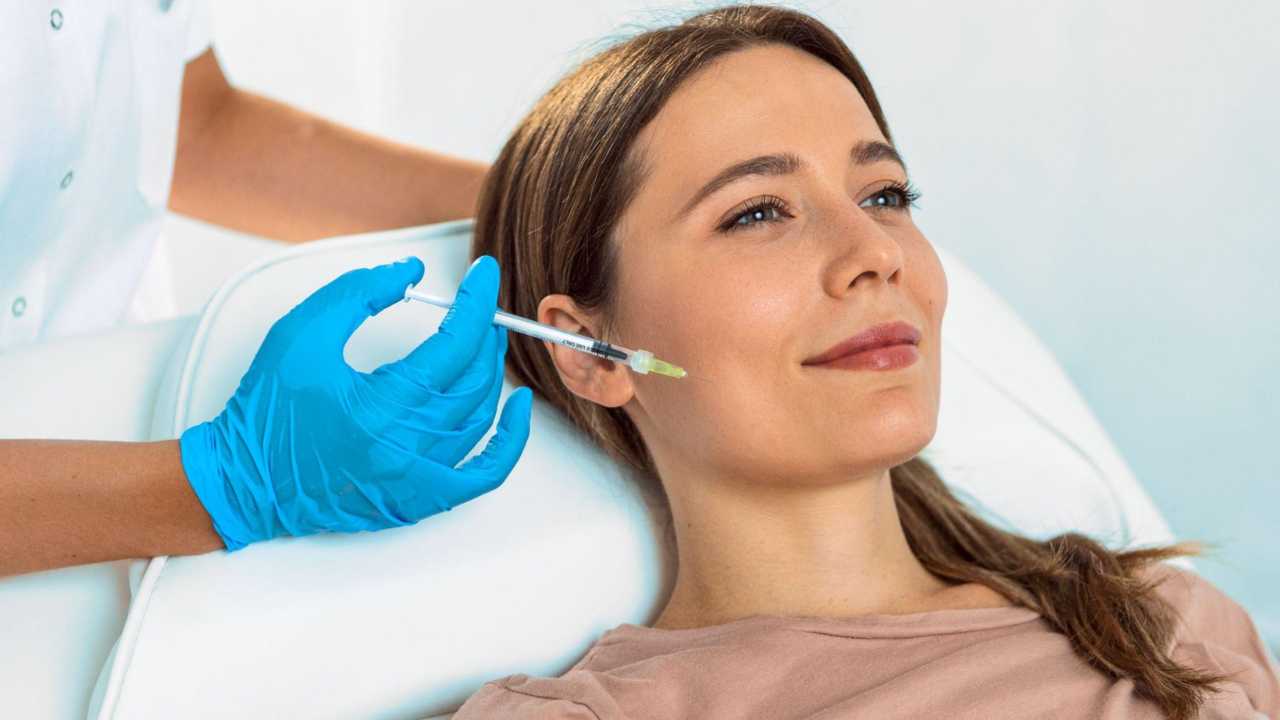
PRP therapy begins with drawing a small amount of the patient’s blood, which is then processed to concentrate the platelets. This Platelet-Rich Plasma, rich in growth factors and healing properties, is carefully injected into the under-eye area.

The process harnesses the body’s natural healing mechanisms, focusing them where they are most needed. These injections aim to rejuvenate the skin from within, addressing the root causes of dark circles.

Growth Factors to Stimulate Cell Renewal and Fluid Retention Reduction

The key to PRP’s effectiveness lies in the growth factors released by the concentrated platelets. These growth factors play a vital role in cell regeneration and repair. They stimulate collagen production and improve skin elasticity, making the under-eye skin thicker and less prone to discoloration.

Additionally, they help reduce fluid retention, a common contributor to puffiness and shadowing under the eyes. This dual action of cell renewal and fluid retention reduction significantly diminishes the appearance of dark circles.

Use of Hyaluronic Acid as a Dermal Filler

In some PRP treatments, hyaluronic acid, a natural substance in our skin, is used alongside PRP as a dermal filler. Hyaluronic acid can provide immediate improvement in the appearance of the under-eye area by adding volume and hydration.

This combination treatment can enhance results, offering immediate cosmetic improvement and long-term rejuvenation.

Systematic Review of Studies Showing Positive Outcome with Liquid Gold Treatments

Various studies and clinical trials, often referred to as ‘Liquid Gold’ treatments, have supported the efficacy of PRP in treating dark circles. These systematic reviews highlight significant skin texture, tone, and color improvements following PRP therapy.

Patients report a reduction in dark circles and an overall rejuvenated appearance of the skin. These studies validate PRP as a promising, scientifically-backed treatment for those struggling with under-eye dark circles.

Benefits of PRP for Dark Circles

PRP for dark circles offers a comprehensive approach to rejuvenating the under-eye area.

Its ability to improve blood circulation, stimulate collagen and elastin production, and enhance skin tone and texture makes it an increasingly popular choice for those seeking a natural yet effective solution to under-eye concerns.

Reduced Eye Issues

One of the most significant benefits of PRP treatment for dark circles is its effectiveness in reducing the prominence of under-eye problems. Patients often notice a marked decrease in the darkness and puffiness around their eyes.

This reduction is due to the healing properties of PRP, which not only address the cosmetic appearance but also improve the overall health of the skin in this delicate area.

Improved Blood Flow and Circulation

PRP therapy enhances blood flow and circulation in the under-eye region. Improved circulation means more oxygen and nutrients reach the skin, contributing to a healthier, more vibrant appearance.

This increased blood flow also helps reduce the accumulation of blood under the eyes, a common factor contributing to dark circles.

Increased Collagen Production

Collagen is a vital protein responsible for maintaining skin strength and elasticity. PRP stimulates the natural production of collagen in the treated area.

As the skin under the eyes thickens with increased collagen, it becomes less translucent, masking the dark circles caused by visible blood vessels or hollow tear troughs.

Improved Elastin Production

Alongside collagen, elastin is another critical protein for skin elasticity. PRP treatment enhances elastin production, which helps tighten and firm the skin under the eyes.

This improvement in elasticity reduces sagging and puffiness, contributing to a more youthful and refreshed appearance.

Smoother Skin Tone and Texture

Patients undergoing PRP therapy often report a smoother skin tone and texture. The treatment helps even out pigmentation and improves skin quality, leading to a more uniform and radiant under-eye area.

This benefit is particularly appreciated by those who have struggled with uneven skin texture or chronic dark circles, offering them a more consistent and bright skin appearance.

Risks Involved in PRP Treatment for Dark Circles

While PRP treatment for dark circles is a promising option with numerous benefits, patients need to be aware of the potential risks and side effects.

Consulting with a reputable healthcare provider, understanding the procedure, and having realistic expectations are essential steps before undergoing PRP therapy.

Possible Side Effects from the Procedure

While PRP treatment for dark circles is generally considered safe, primarily since it uses the patient’s blood, there are some potential side effects and risks involved, similar to any medical procedure.

Mild Pain and Discomfort

Mild Pain and Discomfort - PRP Treatment

During the PRP injection process, patients may experience mild pain and discomfort. The sensitivity of this varies depending on the individual’s pain threshold. The under-eye area is particularly delicate, making the injections slightly more uncomfortable than in other areas.

Swelling and Bruising

Swelling and bruising at the injection site are common side effects. The under-eye skin is thin and sensitive, making it prone to swelling after prp injection under eyes. While these symptoms are typically temporary, lasting a few days to a week, they can be noticeable and may require some downtime.

Infection Risk

As with any procedure involving injections, there is a small risk of infection. However, this risk is minimized by following strict sterile techniques and proper aftercare. Patients should follow their practitioner’s guidelines to reduce the likelihood of infection.

Allergic Reactions

Even though PRP uses the patient’s blood, reducing the risk of allergic reactions, there is still a tiny chance of an adverse response to other materials used during the procedure, such as the anticoagulant or numbing agent.

Individual Variation in Results

The effectiveness of PRP treatment can vary from person to person. Factors such as age, lifestyle, and the extent of dark circles can influence the outcomes.

Some patients may require multiple sessions to achieve desired results, and in a few cases, the treatment might not be as effective as anticipated.

Need for Expertise

The success and safety of PRP treatment largely depend on the skill and experience of the practitioner. Choosing a qualified and experienced professional minimizes risks and ensures the best possible outcome.

For treatment candidacy, expected benefits, risks, alternatives, and the clinical process, see our PRP Under Eyes service page.

\r\n

Conclusion

PRP (Platelet-Rich Plasma) therapy presents a groundbreaking approach to tackling the persistent issue of dark circles. Its unique method of utilizing the body’s healing mechanisms offers a natural and effective solution. PRP is a holistic treatment that stimulates collagen and elastin production, improving blood flow and skin texture.

Although there are potential risks like mild discomfort, swelling, and individual variations in results, these are generally outweighed by the promising outcomes many patients experience. It’s essential to approach PRP treatment with realistic expectations and under the guidance of a skilled professional.

As we’ve explored, the science behind this innovative therapy is robust, offering more than just cosmetic benefits but also a boost in confidence and psychological well-being. If dark circles have been a long-standing concern for you, PRP therapy could be the key to unlocking a brighter, more refreshed appearance.

Comprehensive SLU-PP-332 Research Guide for Laboratories

What is SLU-PP-332?

SLU-PP-332 is an emerging, innovative synthetic compound gaining rapid recognition among scientific researchers for its potential as a metabolic modulator. Its unique properties make it a valuable asset for laboratories exploring the intricate details of cellular metabolism, mitochondrial function, neuroprotection, and aging at a molecular level.

All content in this article pertains strictly to laboratory and in vitro research—SLU-PP-332 is not approved for human consumption or medical application.

The Scientific Basis of SLU-PP-332

SLU-PP-332 is a small-molecule, non-peptidic research compound meticulously designed to modulate key metabolic and nuclear receptor pathways. Unlike SARMs, peptides, or commonly used stimulants, SLU-PP-332 is structurally stable, providing researchers with a dependable tool for reproducible results in various assay conditions.

Mechanistic Uniqueness

One of the most notable characteristics of SLU-PP-332 is its ability to target estrogen-related receptors (ERRα/ERRγ). These nuclear receptors are pivotal regulators of genes that orchestrate mitochondrial function, energy expenditure, and lipid and glucose metabolism. Because mitochondrial health underpins nearly every aspect of cellular vitality, the ability to modulate these pathways opens unprecedented research possibilities.

Broader Research with Amino Compounds

Many progressive laboratories now pair SLU-PP-332 with amino-based compounds for synergistic studies. The Aminos Research catalog is a valuable resource for obtaining high-quality amino research materials to enhance studies into metabolism, cell signaling, and tissue repair.

Mitochondrial Biogenesis and Cellular Energy

Unlocking Cellular Potential

The promotion of mitochondrial biogenesis—the formation of new, functional mitochondria within cells—is considered one of the key mechanisms behind SLU-PP-332’s value in research. Mitochondria are essential organelles responsible for ATP production, calcium signaling, apoptosis, and overall energy homeostasis. Dysfunction in mitochondrial processes is implicated in a broad spectrum of metabolic and neurodegenerative diseases.

Cutting-Edge Scientific Context

Recent studies have shown that molecules targeting mitochondrial pathways can profoundly affect neurodegenerative and metabolic models. For instance, the Nature Reviews Neurology article on mitochondria-targeted small molecules discusses how compounds like SLU-PP-332 represent a new generation of research tools capable of dissecting mitochondrial involvement in complex cellular processes. This growing field has huge implications for aging, chronic metabolic diseases, and brain health.

Beyond Energy: Redox, Inflammation & Cellular Longevity

By enhancing mitochondrial function, SLU-PP-332 may indirectly support redox balance, cellular detoxification, and inflammatory regulation. As highlighted in Free Radical Biology and Medicine, mitochondrial regulation influences how cells respond to oxidative stress and environmental insults, providing insight into both protective and pathological mechanisms.

Cellular Crosstalk and Systems Biology

An additional layer of SLU-PP-332’s importance is how mitochondrial activity interplays with other cellular systems. For example, improved mitochondrial output can facilitate better nutrient sensing, impact AMPK and mTOR pathways, and influence autophagy and mitophagy—processes central to both normal physiology and pathological conditions. Researchers utilizing SLU-PP-332 can thus examine the systems biology of health and disease with greater clarity and specificity.

Neuroprotection and Cognitive Research

Bridging Metabolism and Brain Health

The brain, being the body’s most energy-demanding organ, relies heavily on optimal mitochondrial function. SLU-PP-332 enables researchers to model how mitochondrial modulation may enhance neuroprotection, improve neuronal resilience, and possibly slow age-associated cognitive decline. Research in this area can inform new approaches for investigating disorders such as Alzheimer’s, Parkinson’s, and other neurodegenerative diseases, offering valuable clues about how mitochondrial dynamics affect synaptic health and neurotransmitter signaling.

Investigating Neuroinflammation

Ongoing studies are using SLU-PP-332 to explore neuroinflammatory pathways and their impact on neuronal health. By modulating mitochondrial activity, this compound allows scientists to evaluate the delicate interplay between energy production, inflammation, and cellular stress responses, providing a more comprehensive understanding of disease pathogenesis.

Translational Opportunities

While all research use is strictly preclinical and in vitro, SLU-PP-332 is also sparking interest in how mitochondrial-targeting agents may eventually play a role in the development of neurotherapeutic strategies. Its application in brain organoid and iPSC-derived neuron models enables nuanced exploration of cellular and subcellular mechanisms driving both health and disease.

Expanding Applications: Metabolic, Regenerative & Aging Research

Modeling Metabolic Disorders

SLU-PP-332 is a cornerstone compound in cellular models of obesity, type 2 diabetes, fatty liver disease, and other metabolic syndromes. By precisely modulating metabolic gene expression and mitochondrial output, it gives researchers the tools to analyze disease progression, test novel interventions, and uncover new therapeutic targets.

Cellular Stress, Senescence, and Longevity

As the interest in longevity science grows, so does the focus on how compounds like SLU-PP-332 affect cellular aging. Enhanced mitochondrial biogenesis is linked to reduced cellular senescence, greater resistance to oxidative damage, and prolonged cellular function. Scientists are deploying SLU-PP-332 in in vitro aging models to uncover strategies for promoting healthy lifespan at the cellular and tissue levels.

Integrating Regenerative Medicine Concepts

Research at the intersection of metabolic and regenerative medicine is expanding rapidly. Clinics and research facilities such as PRP Treatment Beverly Hills are at the forefront of regenerative therapies—often relying on robust cellular energy and mitochondrial support for effective tissue repair. SLU-PP-332 fits naturally into this research landscape, as mitochondrial optimization is increasingly recognized as a critical component of successful regenerative strategies.

Metabolic Flexibility and Environmental Stress

Another expanding research frontier for SLU-PP-332 involves its use in studies on metabolic flexibility—the ability of cells to efficiently switch between fuel sources based on physiological demand or environmental stress. Experimental evidence suggests that compounds like SLU-PP-332 may improve adaptation to nutrient stress, oxidative challenges, and fluctuating energy supplies, all of which are critical factors in cell survival and organismal adaptation.

Laboratory Use, Compliance, and Best Practices

  • Consistent, High Purity: Modern Aminos provides SLU-PP-332 at research-grade purity for maximum reliability.

  • Versatility: Applicable across metabolic, neurological, regenerative, and aging studies.

  • Safety: For research use only; never for human or veterinary consumption.

Ensuring Regulatory Adherence

SLU-PP-332 must be handled in accordance with all federal, state, and institutional regulations. Its use is limited to trained research personnel in licensed facilities, and all experimental work should be properly documented and reviewed. Researchers are responsible for safe storage, accurate recordkeeping, and lawful disposal.

Optimizing Laboratory Outcomes

Utilizing best laboratory practices is essential for maximizing the value of SLU-PP-332. This includes standardized assay protocols, regular calibration of equipment, routine quality checks on compound integrity, and collaborative data sharing among research teams. Pairing SLU-PP-332 with other amino-based modulators from the Aminos Research collection can facilitate robust experimental designs and enhance the statistical power of results.

Building a Comprehensive Experimental Toolkit

To maximize experimental outcomes, researchers are encouraged to leverage the full scope of research compounds available in the Aminos Research collection. Pairing SLU-PP-332 with other amino-based modulators can create powerful multi-pathway models for studying metabolism, disease, and regeneration.

The Future of Mitochondrial and Metabolic Modulation

The ongoing evolution of mitochondrial science is expected to unlock transformative discoveries in metabolic regulation, neuroprotection, and regenerative medicine. SLU-PP-332 represents a critical asset for laboratories seeking to push the boundaries of our understanding of cellular energy, longevity, and disease. As new data emerges and research collaborations grow, compounds like SLU-PP-332 will continue to play a vital role in shaping the next era of biomedical science.

Conclusion

SLU-PP-332 is a dynamic, highly specialized tool for advancing research in mitochondrial function, metabolic health, neurobiology, and regenerative science. Its precision targeting of nuclear receptors and support of mitochondrial biogenesis make it indispensable for scientists committed to exploring the next frontiers of cell biology and therapeutic discovery.

For comprehensive laboratory research, explore both SLU-PP-332 and the wider Aminos Research suite of compounds, ensuring the highest standards for purity, compliance, and experimental flexibility.

Hair Restoration Innovations: PRP Versus Stem Cell Therapy

You’re not alone if you’ve ever looked in the mirror and felt a pang of worry seeing more scalp than hair. The American Academy of Dermatology reports that over 80 million men and women in the United States experience hair loss. It’s an issue that affects not only one’s appearance but also self-esteem and confidence.

With the advancements in science and technology, the fight against hair loss has taken a hopeful turn. Platelet-Rich Plasma (PRP) and stem cell therapies have emerged as revolutionary treatments, promising impressive results.

This blog post delves into the world of these hair restoration innovations, offering you insights and comparisons to help you navigate your hair regrowth journey.

Whether you’re exploring treatment options or seeking deeper understanding, we’re here to unravel the intricacies of PRP and Stem Cell therapy for hair loss.

Understanding Hair Loss

Hair loss, clinically known as alopecia, is a common issue affecting millions worldwide. It transcends age and gender, impacting men and women alike.

Hair loss is not merely an aesthetic concern—it can significantly affect an individual’s self-esteem and emotional well-being.

Causes of Hair Loss

Hair loss can be attributed to a variety of factors. Genetic predisposition, aging, hormonal changes, stress, nutritional deficiencies, and certain medical conditions or treatments are common causes.

It’s crucial to understand that hair loss is not a one-size-fits-all issue—its cause and pattern can vary considerably from person to person.

Types of Hair Loss

Different types of hair loss include androgenetic alopecia (male or female pattern baldness), alopecia areata (patchy hair loss), telogen effluvium (temporary hair thinning), and cicatricial (scarring) alopecia. The type of hair loss one experiences can influence the best treatment options.

Importance of Choosing the Right Treatment

Given the multifaceted nature of hair loss, seeking professional medical advice when considering treatment options is essential.

A comprehensive understanding of the underlying cause, type of hair loss, and individual health considerations can guide the treatment choice. An effective hair restoration approach must be personalized, considering these factors.

An Overview of PRP Therapy for Hair Loss

Platelet-Rich Plasma (PRP) Therapy is a non-surgical hair restoration treatment that leverages the body’s natural healing capabilities.

PRP, a concentration of platelets derived from a patient’s blood, is rich in growth factors that can stimulate hair growth when injected into the scalp.

How PRP Works for Hair Restoration

PRP Therapy works by promoting cellular regeneration and improving the supply of nutrients to hair follicles.

When injected into the scalp’s targeted areas, PRP stimulates the dormant hair follicles, encouraging them to enter the active growth phase. The result is increased hair thickness and coverage over time.

The PRP Procedure

The PRP therapy procedure begins with drawing a small amount of the patient’s blood. This blood is placed in a centrifuge to separate the platelet-rich plasma from the other components. The concentrated PRP is then injected into the scalp’s areas experiencing hair thinning or loss.

Efficacy of PRP Therapy

Research and patient testimonials suggest that PRP therapy can effectively treat hair loss, particularly androgenetic alopecia.

However, it’s important to note that results can vary based on the individual’s hair loss pattern, overall health, and adherence to treatment protocol. Typically, patients see hair growth and thickness improvement within three to six months of treatment.

An Overview of Stem Cell Therapy for Hair Loss

Stem cell therapy represents the frontier of regenerative medicine. It involves using stem cells, unique in their ability to develop into various types of cells, to treat or prevent diseases and conditions. In hair loss, stem cells regenerate hair follicles, leading to hair regrowth.

Stem Cell Therapy for Hair Restoration

The science behind stem cell therapy for hair loss revolves around hair follicle stem cells. These are located in a part of the hair follicle called the bulge and can generate new hair follicles.

By introducing new stem cells into the scalp, it is believed that damaged or dormant hair follicles can be revitalized, leading to increased hair growth.

The Procedure

Stem cell therapy for hair loss involves several steps. First, a small amount of fat tissue is harvested from the patient’s body, usually from the abdomen or flanks.

This tissue contains a rich source of stem cells. These stem cells are isolated in a laboratory and then injected into the scalp areas showing hair loss.

Consultation with Dr. Nazarian, MD: $450
Credited toward your first treatment
Labs and imaging ordered when needed
  • PRP from $800 per session
  • PRF from $1,100 per session
  • Discounted 3-session packages on every treatment
  • See the full PRP and PRF price list
  • 4 tubes of blood drawn per session, more than many clinics use; 10 to 15 cc of PRP obtained
  • 4-ingredient numbing cream
  • 6-needle injector used for hair treatments
  • Providing PRP therapy since 2008
PRP Treatment & Therapy Specialist Beverly Hills - David Nazarian

Efficacy of Stem Cell Therapy

Initial research and clinical studies suggest that stem cell therapy could be a promising option for hair restoration. Some patients have reported an increase in hair density and thickness after treatment.

However, as stem cell therapy is a relatively new treatment, long-term effectiveness, and safety data are still being evaluated.

Comparing PRP and Stem Cell Therapy

Comparing the Processes

Both PRP and Stem Cell Therapy involve using the body’s cells to stimulate hair regrowth, but they do so in different ways. PRP uses platelets from the patient’s blood, which are rich in growth factors, to invigorate hair follicles.

On the other hand, Stem Cell Therapy utilizes the regenerative capacity of stem cells to generate new hair follicles.

Cost Comparison

The cost of both treatments can vary based on location, the expertise of the clinician, and the number of sessions required.

Generally, Stem Cell Therapy tends to be more expensive than PRP due to the complexity of the procedure and the requirement for specialized laboratory equipment.

Results and Recovery Time

PRP and Stem Cell Therapy usually require multiple sessions for optimal results, and neither offers an instant cure for hair loss.

The recovery time for both treatments is minimal, but patients may experience some scalp tenderness and swelling post-procedure.

Suitability for Patients

Both therapies can suit individuals experiencing hair thinning or loss, particularly from androgenetic alopecia.

However, the choice between PRP and Stem Cell Therapy should depend on the individual’s hair loss pattern, overall health status, budget, and preference.

The Bottom Line

While both PRP and Stem Cell Therapy have shown promise in treating hair loss, it’s important to remember that results can vary from person to person.

Additionally, as these treatments are relatively new, more research is needed to determine their long-term effectiveness and safety. Always consult with a healthcare provider before deciding on a treatment plan. Choosing a treatment that aligns with your needs and circumstances is essential.

Pros and Cons of PRP Therapy

Benefits of PRP Therapy for Hair Loss

Benefits of PRP Therapy for Hair Loss - PRP Treatment

  • Natural Approach: One of the main advantages of PRP therapy is that it utilizes your body’s platelets, making it a natural approach to hair restoration.
  • Minimally Invasive: The procedure is minimally invasive, requiring only a series of injections into the scalp. This means there is no downtime, and patients can resume their normal activities immediately.
  • Promising Results: Many patients experience increased hair thickness and coverage with PRP therapy, particularly those with androgenetic alopecia.

Potential Side Effects and Risks of PRP Therapy

Despite the benefits, PRP therapy does have potential downsides.

  • Temporary Results: PRP is not a permanent solution to hair loss. Regular treatment sessions are necessary to maintain the results over time.
  • Varied Response: Not everyone responds to PRP therapy in the same way. Some may see a significant improvement, while others may notice minimal changes.
  • Cost: PRP therapy can be costly, especially considering the need for regular sessions. It’s important to weigh the potential benefits against the cost before treating them.
  • Minor Side Effects: Some patients may experience minor side effects after treatment, such as scalp tenderness, swelling, or minor bleeding at the injection sites.

Conclusion

PRP and Stem Cell Therapy represent significant advancements in the dynamic landscape of hair restoration. Each offers a unique approach to combating hair loss, leveraging the body’s innate healing and regenerative abilities.

While they show promise, it’s essential to remember that individual responses can vary. No treatment offers a one-size-fits-all solution. Consultation with a knowledgeable healthcare provider is crucial in making an informed decision.

Understanding the procedures, potential benefits, risks, and costs will enable you to choose the treatment best suited to your circumstances and hair restoration goals. Keep exploring, stay informed, and take confident strides on your hair restoration journey.

PRF Hair Treatment: Evidence, Results and Limitations

Hair loss can be a personal and challenging experience, silently stealing self-confidence and becoming an unwelcome reflection in the mirror.

According to the American Hair Loss Association, two-thirds of American men experience hair loss by age 35. It’s a struggle millions face, constantly searching for an effective solution.

Platelet-Rich Fibrin (PRF) is an autologous blood-derived preparation being studied for hair restoration. Early research is promising, but evidence is still limited and outcomes vary by diagnosis, preparation method, treatment protocol, and individual patient factors.

In this blog, we’ll delve into the compelling world of PRF hair treatment, exploring why it’s become a game-changer in hair restoration. Let’s explore the science behind the success stories.

What is Platelet-Rich Fibrin (PRF)?

Platelet-Rich Fibrin, or PRF, is a second-generation platelet concentration system, an advanced form of the well-known Platelet-Rich Plasma (PRP).

PRF is derived from your blood, ensuring the treatment is autologous, meaning it comes from your own body, thereby minimizing any risk of allergic reactions.

The Key Components of PRF

The PRF matrix is a rich mix of platelets, leukocytes (white blood cells), cytokines, and circulating stem cells. The slow polymerization process during its preparation makes PRF unique and especially potent in hair restoration.

This process leads to a higher concentration of platelets and a more significant release of growth factors over an extended period, enhancing its ability to stimulate hair growth.

PRF in Medical Treatments and Hair Restoration

PRF’s application in medicine is not new. It has been used for wound healing, bone regeneration in dentistry, and cosmetic facial rejuvenation. The leap into hair restoration, however, is what sets it apart as a significant advancement.

In hair restoration, PRF works by injecting your platelet-rich fibrin into the areas of the scalp that need hair growth stimulation.

These platelets release growth factors that signal your body’s natural healing instincts, increasing blood supply and promoting new hair growth. The result is thicker, natural-looking hair, making PRF a transformative solution for restoration.

The Science Behind PRF Hair Treatment

To truly understand what makes PRF hair treatment a ground-breaking approach, it’s essential to delve into the science that powers it.

Role of Platelets in PRF Hair Treatment

Platelets, one of the critical components of our blood, are the first responders when an injury occurs, initiating clot formation to prevent excessive bleeding. But their role goes beyond this primary function. They are also powerhouses of growth factors – proteins that regulate cellular growth and division.

In PRF hair treatment, when these platelets are injected into the scalp, they become a catalyst for growth, releasing these potent growth factors into the area.

Consultation with Dr. Nazarian, MD: $450
Credited toward your first treatment
Labs and imaging ordered when needed
  • PRP from $800 per session
  • PRF from $1,100 per session
  • Discounted 3-session packages on every treatment
  • See the full PRP and PRF price list
  • 4 tubes of blood drawn per session, more than many clinics use; 10 to 15 cc of PRP obtained
  • 4-ingredient numbing cream
  • 6-needle injector used for hair treatments
  • Providing PRP therapy since 2008
PRP Treatment & Therapy Specialist Beverly Hills - David Nazarian

Growth Factors: The Driving Force for Hair Growth

The growth factors the platelets release play a critical role in hair restoration. They signal the body’s healing processes, including angiogenesis (forming new blood vessels) and cell proliferation (increased cell division).

The formation of new blood vessels enhances the blood supply to the scalp, providing hair follicles with the essential nutrients and oxygen they need to grow. At the same time, the increased cell division encourages the growth of new, healthy hair follicles.

Long-Term Release for Enhanced Effect

What sets PRF apart from its predecessor, PRP, is the duration and amount of growth factors it releases. Due to its unique preparation process, PRF releases a higher concentration of growth factors over extended periods.

This sustained release prolongs the treatment’s effects, leading to more substantial and longer-lasting hair growth.

PRF is intended to concentrate platelets within a fibrin matrix and is being studied as a hair-restoration option. Some patients may experience improvement in hair density or thickness, but results are variable and larger controlled studies are still needed.

Benefits of PRF Hair Treatment

Benefits of PRF Hair Treatment - PRP Treatment

Harnessing the body’s innate healing abilities to combat hair loss, PRF hair treatment offers several unique benefits that make it a compelling option for those battling hair loss.

Minimally Invasive Procedure

Unlike traditional hair restoration surgeries, PRF hair treatment is minimally invasive. It involves small injections into the scalp and does not require incisions or stitches. This reduces the risk of complications and significantly shortens recovery time, making it a desirable choice for many.

Natural and Autologous

The PRF used in the treatment is derived from the patient’s blood, making it a natural solution to hair loss. This dramatically minimizes the risk of allergic reactions or rejections, ensuring a safer treatment process.

Effective and Long-Lasting Results

PRF treatment has been shown to significantly improve hair count, hair thickness, and hair growth over a few months after treatment. Thanks to the slow release of growth factors, PRF provides sustained results, making the effects of the treatment more long-lasting.

Improvement of Hair Quality

Besides stimulating new hair growth, PRF treatment also enhances the health of existing hair follicles. This leads to an overall improvement in hair quality, with patients reporting shinier, thicker, and healthier hair.

Applicable for Various Stages of Hair Loss

Whether you’re in the early stages of hair thinning or facing more advanced hair loss, PRF hair treatment can be an effective solution. By customizing the treatment areas and the concentration of the PRF, it can be adapted to suit different hair loss conditions.

PRF is a minimally invasive, autologous option that has generated interest in hair restoration. Its potential advantages need to be weighed against the limited evidence base, treatment cost, need for repeated sessions, and the possibility of little or no benefit.

Who is the Right Candidate for PRF Hair Treatment?

Not all hair restoration treatments are suitable for everyone. Various factors, like the stage of hair loss, overall health, and lifestyle, can influence the effectiveness of the treatment. So, let’s delve into who makes an ideal candidate for PRF hair treatment.

Understanding Hair Loss Stages

Hair loss doesn’t occur overnight. It’s a gradual process that progresses through various stages, each characterized by a different degree of hair thinning and balding.

The Norwood Scale for men and the Ludwig Scale for women are commonly used to classify these stages. PRF hair treatment can be effective at different stages of hair loss, from mild hair thinning to more significant hair loss.

General Health Considerations

As PRF hair treatment uses your blood to stimulate hair growth, your overall health can impact the effectiveness of the treatment. Factors like blood disorders, chronic diseases, or certain medications might affect the results.

A thorough health check-up and consultation with a qualified professional can help determine your suitability for the treatment.

Expectations and Commitment

PRF hair treatment should be approached with realistic expectations. Any improvement is gradual rather than immediate, and response varies depending on the type and severity of hair loss as well as individual patient factors.

Regular follow-up sessions might be required to maintain the results. Being committed to the process and patient with the results is critical to benefit from this treatment.

Customizing PRF Hair Treatment

PRF hair treatment isn’t a one-size-fits-all solution. It can be tailored to suit individual needs, considering the specific pattern and stage of hair loss, general health, and personal goals.

A personalized evaluation can help determine whether PRF, PRP, medication, another hair-restoration approach, or no procedure is the most appropriate option for the individual patient.

Conclusion

Platelet-Rich Fibrin (PRF) hair treatment represents a significant leap forward in restoration. Its unique approach harnesses the body’s healing mechanisms, offering a natural, minimally invasive solution that yields long-lasting results.

Understanding the science behind PRF and its numerous benefits makes it clear why this treatment is revolutionizing the field. While it may not be a one-size-fits-all remedy, its adaptability to individual needs makes it a promising option for many battling hair loss.

PRF hair treatment shines as a beacon of hope, illuminating a new path to restoring not just hair but confidence and self-esteem too.