...
Yelp Logo

CALL US NOW +1-844-669-0939

Managing Side Effects Post PRP Injections: Expert Tips

Imagine the excitement of embarking on a journey toward rejuvenation and healing with Platelet-Rich Plasma (PRP) injections.

Medically reviewed by David Nazarian, MD — Board Certified in Internal Medicine and Medical Director of PRP Treatment Beverly Hills.

This guide focuses on how common PRP side effects are managed after treatment and when symptoms should prompt a call to your healthcare provider.

Let’s dive into the world of PRP injections, understand the possible side effects, and, most importantly, arm ourselves with expert tips on managing these effects post-treatment. Remember, every successful journey begins with a well-informed traveler.

Let’s take this journey together, understanding and navigating the side effects of PRP injections, ensuring a smooth, beneficial experience.

Common PRP Injection Side Effects

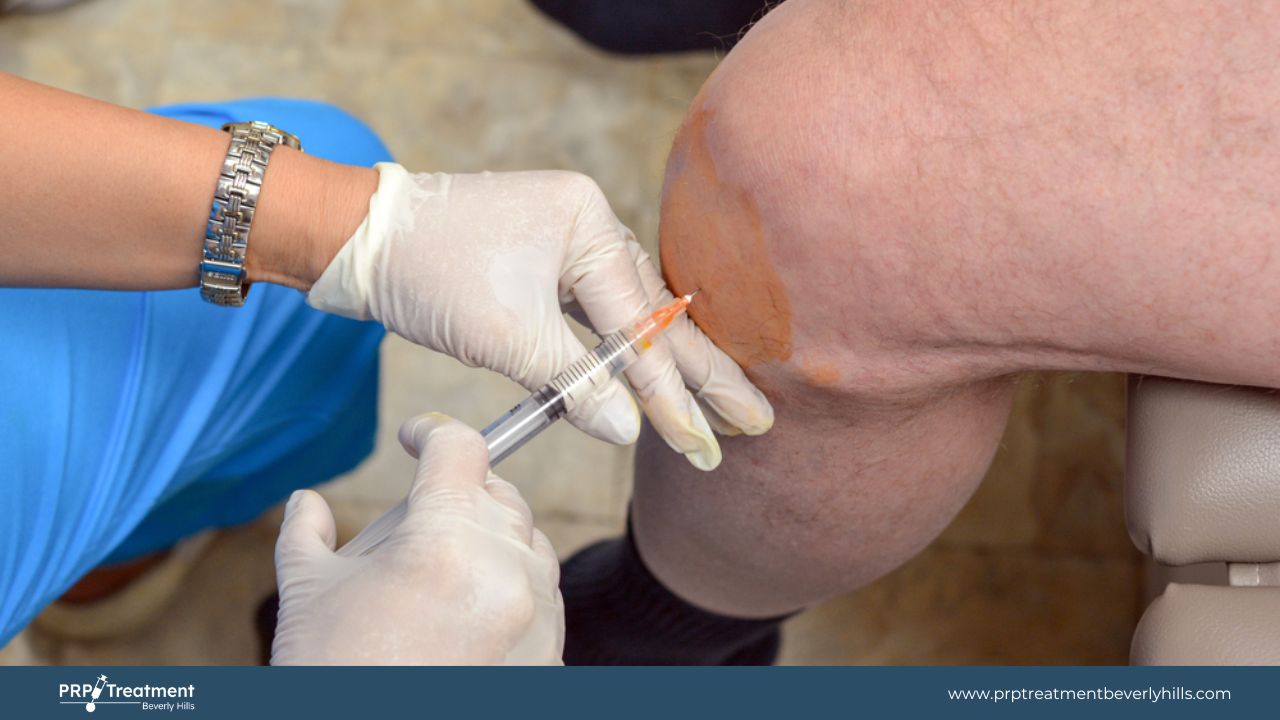
PRP is prepared from the patient’s own blood, which reduces some immune-related risks but does not eliminate complications from injections, infection, bleeding, nerve or vascular injury, anesthetics, or other materials used during the procedure.

Mild Pain and Discomfort

One of PRP injections’ most common side effects is mild pain or discomfort in the area where the injection was administered. This is a natural response of the body to any invasive procedure.

Swelling

Swelling is another common side effect that can occur after a PRP injection. This is typically a result of the body’s inflammatory response, which is part of the healing process initiated by PRP.

Redness and Warmth

Post-PRP injection, you may also notice some redness and warmth in the treated area. Again, this is a natural response of the body’s immune system.

Bruising

As the PRP treatment involves drawing blood and injections, it is possible to experience some bruising. The extent of bruising can vary based on skin sensitivity and blood clotting efficiency.

Uncommon but Possible Side Effects

While PRP injections generally have a good safety profile, it’s important to acknowledge some less familiar but potential side effects. Awareness of these can ensure you’re fully informed about the treatment.

Allergic Reaction

Allergic reactions to PRP injections are infrequent, given that the treatment uses your blood. However, reactions can occasionally occur due to sensitivity to the anesthetic used during the procedure.

Infection

Infection is a rare but possible side effect of PRP injections, as with any procedure that involves penetrating the skin. Proper sterilization practices and aftercare can significantly reduce this risk.

Nerve Damage

In sporadic cases, if the injection is not administered properly, there can be damage to the nerves. This emphasizes the importance of getting your PRP treatment from a qualified, experienced healthcare provider.

Consultation with Dr. Nazarian, MD: $450
Credited toward your first treatment
Labs and imaging ordered when needed
  • PRP from $800 per session
  • PRF from $1,100 per session
  • Discounted 3-session packages on every treatment
  • See the full PRP and PRF price list
  • 4 tubes of blood drawn per session, more than many clinics use; 10 to 15 cc of PRP obtained
  • 4-ingredient numbing cream
  • 6-needle injector used for hair treatments
  • Providing PRP therapy since 2008
PRP Treatment & Therapy Specialist Beverly Hills - David Nazarian

Blood Clots

Blood clots are not a commonly established direct complication of PRP itself. However, severe pain, marked swelling, chest pain, shortness of breath, or other concerning symptoms require prompt medical evaluation regardless of cause.

How to Manage Common Side Effects

While side effects post-PRP injections are typically minor, having a few tricks up your sleeve is always beneficial to manage them effectively. Here are some expert tips:

Managing Mild Pain and Discomfort

Over-the-counter pain medication can help manage any discomfort after your PRP treatment. It’s important to avoid anti-inflammatory drugs like ibuprofen, as they can interfere with the healing response that PRP is designed to stimulate.

Controlling Swelling

Applying a cold pack to the treated area can help control swelling. Remember to wrap the ice pack in a cloth before applying it to your skin. Gentle compression with a wrap or bandage can also reduce swelling.

Reducing Redness and Warmth

A gentle, cooling gel or cream can help soothe the area and reduce redness and warmth. Avoid hot baths or showers for the first 24 hours after treatment, as heat can exacerbate these symptoms.

Minimizing Bruising

Bruising usually resolves on its own. Follow your clinician’s aftercare instructions and ask before applying topical products to the treated area. Activity restrictions vary by treatment site and indication.

How to Manage Uncommon Side Effects

Uncommon side effects of PRP injections, while rare, should be handled with care. Here are some tips on how to manage these side effects should they occur:

Dealing with Allergic Reactions

In the rare event of an allergic reaction, antihistamines can help alleviate symptoms such as itching, redness, or swelling. It is crucial to contact your healthcare provider immediately if you suspect an allergic reaction.

Preventing and Managing Infections

To prevent infection, follow the aftercare instructions given by your healthcare provider closely. This may include cleaning the injection site with a mild antiseptic solution. Contact your healthcare provider immediately if you notice signs of infection, such as increasing redness, swelling, or pus.

Addressing Nerve Damage

Nerve damage from PRP injections is infrequent but should be treated immediately if it occurs. If you experience numbness, tingling, or loss of movement in the treated area, contact your healthcare provider.

Recognizing and Handling Blood Clots

Blood clots following PRP injections are very rare. If you notice severe pain, swelling, warmth, or redness in the treated area or experience symptoms such as chest pain or difficulty breathing, seek medical attention immediately.

Preventing Side Effects: Best Practices Before and After PRP

Understanding how to prevent potential side effects can make your PRP treatment experience smoother and more comfortable. Here are some best practices to follow before and after your PRP procedure:

Before Your PRP Procedure

  • Hydrate: Ensure you are well-hydrated before your PRP procedure. This can help with blood draws and improve your overall experience.
  • Avoid Certain Medications: Some medications can increase the risk of bruising and bleeding. Your healthcare provider will guide you on which ones to avoid.
  • Maintain a Healthy Lifestyle: A balanced diet and regular exercise can promote overall health and enhance your body’s healing response.

After Your PRP Procedure

  • Rest: Give your body time to heal by taking it easy for a few days post-treatment. This can minimize swelling and bruising.
  • Follow Aftercare Instructions: Your healthcare provider will provide detailed aftercare instructions. Adherence to these can prevent infection and facilitate your recovery.
  • Stay Hydrated and Nourished: Proper hydration and nutrition support healing.
  • Avoid Excessive Sun and Heat Exposure: Too much sun and heat can exacerbate swelling and redness. Avoid these, especially in the first few days after your PRP treatment.

When to Seek Medical Attention

While most side effects of PRP injections are mild and manageable at home, there are times when you should seek medical attention. Here’s what you should look out for:

Worsening Pain

If pain at the injection site gets worse over time or doesn’t improve with over-the-counter pain relievers, you should consult your healthcare provider. This could indicate an infection or other complication.

Increasing Swelling or Redness

While some swelling and redness are normal, if these symptoms increase or persist over a few days, it may be a sign of infection. Don’t hesitate to contact your healthcare provider.

Fever

Fever isn’t a typical side effect of PRP injections and could indicate an infection. If you have a fever after your PRP treatment, seek medical attention promptly.

Difficulty Breathing or Chest Pain

Difficulty Breathing or Chest Pain - PRP Treatment

Though extremely rare, if you experience difficulty breathing or chest pain, seek immediate medical attention, as these could be symptoms of a severe allergic reaction or a blood clot.

Conclusion

PRP injections are used for selected indications, with evidence and risks varying by condition. Aftercare should be individualized to the treatment site, procedure, medications, and medical history.

Every journey is unique, and everybody responds differently. You’re not just a passive passenger in this journey; you’re the co-pilot.

The power to navigate lies in your hands – in your understanding, questions, and choices. With knowledge and support from your healthcare provider, you’re well-equipped to manage any side effects and make the most of your PRP treatment journey.

Happy healing!

Reducing Pain During PRP: An Expert’s Approach

PRP, or Platelet-Rich Plasma, has become famous for those seeking a natural, effective rejuvenation solution- skin renewal or hair growth. As a PRP specialist for over a decade, I’ve seen its transformative potential firsthand.

However, I’ve also heard the same concern voiced time and again: “Will the PRP procedure be painful?” It’s a valid question because PRP involves drawing blood and multiple injections. This concern about pain often keeps individuals from experiencing PRP’s remarkable benefits.

That’s why I’ve decided to address this head-on in this blog post. Drawing from my extensive experience, I’ll share practical strategies to make your PRP treatment journey as comfortable and pain-free as possible.

So, let’s delve into it without further ado.

Why Can PRP Procedures be Painful?

Understanding the procedure before discussing ways to reduce discomfort during PRP therapy is essential. Let’s delve into why PRP treatments might be painful.

The Procedure

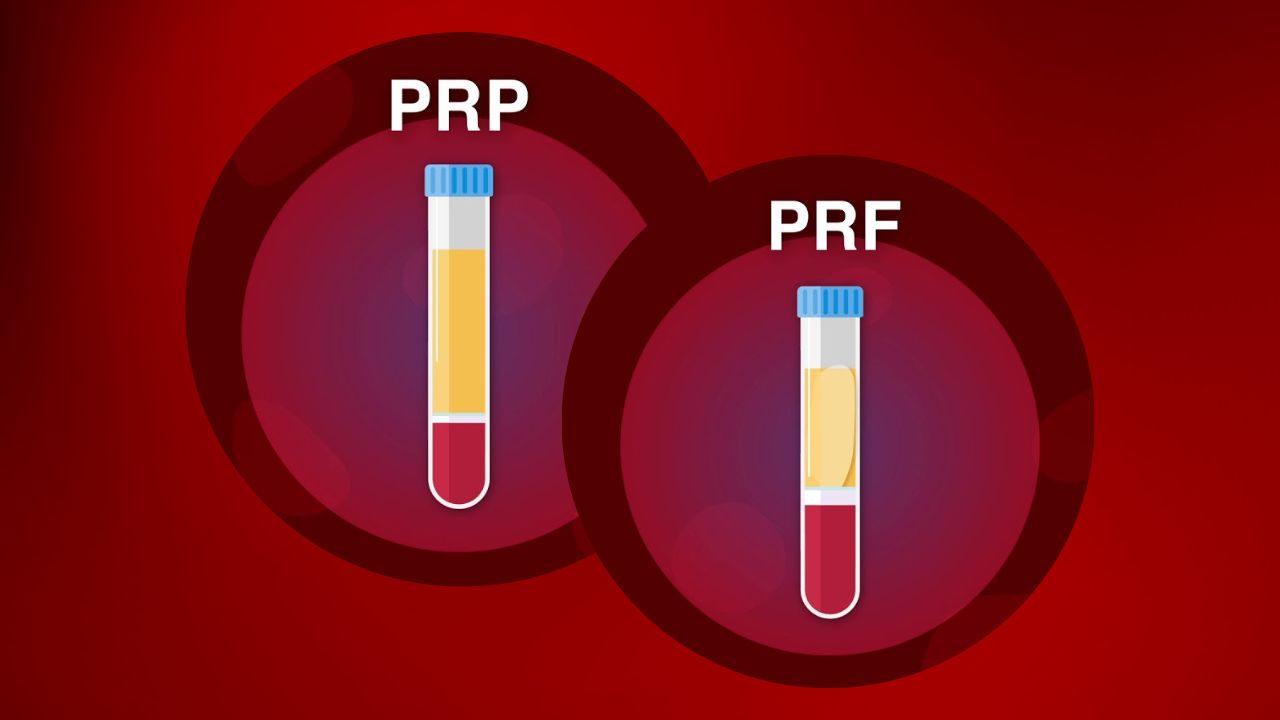
PRP treatment involves two main steps. The first is a blood draw, similar to your experience during a routine blood test. The drawn blood is then placed in a centrifuge that separates the platelet-rich plasma from the rest of the blood components.

The second step involves injecting the prepared PRP into the treatment area. It’s this step that usually causes discomfort due to the use of multiple injections. The degree of discomfort can vary depending on the sensitivity of the treatment area, the number of injections, and individual pain tolerance.

Sensitivity of Treatment Areas

Certain body areas, like the scalp or face, are more sensitive than others due to a higher density of nerve endings. Even small injections can cause more discomfort in these areas than in other body parts.

Individual Pain Thresholds

Everyone has a different pain threshold, meaning what one person finds slightly uncomfortable, another might find quite painful. It’s a subjective experience, and it’s normal for people to react differently to the same treatment.

While PRP can cause some discomfort, the procedure’s benefits make it worth it for many. More importantly, there are effective ways to manage and reduce pain during and after PRP, which we’ll discuss in the upcoming sections.

What to Expect During PRP Procedure: Reducing Pain

A little preparation goes a long way, but knowing what to expect during the procedure and how we can help reduce discomfort can put your mind at ease even further. Let’s walk through it.

Use of Numbing Creams and Local Anesthesia

Before starting the PRP treatment, your healthcare provider will typically apply a numbing cream or use local anesthesia to minimize discomfort during the procedure. This is especially helpful for sensitive areas like the face or scalp. The type of anesthesia used will depend on your personal needs and the specific area being treated.

The PRP Injection Process: Step-by-Step

The PRP injection process begins once the treatment area is adequately numbed. While the thought of multiple injections might seem daunting, remember that these are usually very fine needles, and the process is quick.

Here’s what the process generally looks like:

  • Blood Draw: This procedure part is similar to any standard blood draw. A small amount of blood is taken from your arm, which typically only causes minor discomfort.
  • Preparation of PRP: The blood is then processed in a centrifuge to separate the platelet-rich plasma. During this time, you can relax before the injections begin.
  • PRP Injections: The prepared PRP is carefully injected into the treatment area. Remember, the area has been numbed, so while you might feel some pressure or a slight pricking sensation, significant pain is generally not a concern.

Your comfort is paramount during this process. Your healthcare provider will check in frequently to ensure you feel okay throughout the procedure.

Consultation with Dr. Nazarian, MD: $450
Credited toward your first treatment
Labs and imaging ordered when needed
  • PRP from $800 per session
  • PRF from $1,100 per session
  • Discounted 3-session packages on every treatment
  • See the full PRP and PRF price list
  • 4 tubes of blood drawn per session, more than many clinics use; 10 to 15 cc of PRP obtained
  • 4-ingredient numbing cream
  • 6-needle injector used for hair treatments
  • Providing PRP therapy since 2008
PRP Treatment & Therapy Specialist Beverly Hills - David Nazarian

Expert Tips to Minimize Pain Before PRP Procedure

Preparation is vital when it comes to minimizing discomfort during your PRP treatment. Here are some steps you can take before your appointment to ensure a more comfortable experience.

Stay Well-Hydrated

Good hydration is essential for overall health and affects pain perception. Dehydration can make your skin more sensitive, potentially leading to more discomfort during the procedure. Make sure to drink plenty of fluids the day before and on the day of your treatment.

Ensure Good Health

Your body may be more sensitive to pain if you feel unwell or stressed. Schedule your PRP treatment for a day when you feel well-rested and relaxed.

Take Care of Your Skin

Keeping your skin healthy and moisturized can help reduce sensitivity during the procedure. If you have PRP on your face or scalp, use a mild cleanser and a good quality moisturizer before your treatment.

Mental Preparation and Relaxation Techniques

Knowing what to expect can reduce anxiety, which can help reduce perceived pain. Research the procedure and ask your provider any questions you may have. Practice relaxation techniques like deep breathing or meditation before your appointment to help calm your nerves.

Post-PRP Procedure: Pain Management Strategies

Even after the procedure is complete, there are strategies you can employ to manage any residual discomfort. Here’s what to expect and how you can ensure a smoother recovery.

Expected After-Effects of PRP Treatment

It’s common to experience minor discomfort, swelling, and redness after your PRP treatment. These are normal responses as your body starts the healing process. These symptoms typically subside within a few days.

Ice Packs: A Simple Solution

Ice Packs - A Simple Solution - PRP Treatment

Applying an ice pack to the treated area can be a simple yet effective way to reduce swelling and discomfort. However, it’s important to wrap the ice pack in a cloth to avoid applying extreme cold directly to the skin.

Rest and Relaxation

Resting after your PRP treatment can aid your recovery. Avoid strenuous activity for the first 24 hours post-procedure and try to get a good night’s sleep.

Over-the-counter Pain Medication

If discomfort persists, over-the-counter pain medication such as acetaminophen can be used. However, avoiding anti-inflammatory drugs like ibuprofen is essential, as they can interfere with the healing response that PRP is designed to stimulate.

Taking Care of Your Skin

After PRP treatment, your skin may be more sensitive. Avoid using harsh products or exposing the treated area to extreme heat or cold for a few days post-treatment. Use a gentle cleanser and moisturizer, and protect your skin from the sun.

Role of Healthcare Providers in Pain Management During PRP

While there’s a lot you can do to minimize discomfort during PRP, your healthcare provider plays an equally crucial role in ensuring a pain-free experience. Here’s how:

Expertise and Skill

The expertise and skill of your healthcare provider are key to a smooth, less painful PRP procedure. An experienced practitioner can perform the injections efficiently and effectively, causing minimal discomfort.

Patient-Provider Communication

Good communication between you and your healthcare provider can significantly enhance your comfort. Let them know if you’re feeling anxious or uncomfortable at any stage. They can adjust their approach, provide reassurance, or take a break.

Tailored Pain Management Strategies

Every patient is unique, and a good healthcare provider will tailor pain management strategies to your specific needs. This could include using different numbing creams or adjusting the PRP injection technique.

Aftercare Advice

Your healthcare provider will advise and recommend aftercare to minimize discomfort and promote healing. Follow their advice closely for a more comfortable recovery.

Conclusion

While PRP treatment can cause some discomfort, there are numerous strategies to effectively manage and minimize pain before, during, and after the procedure. From being well-prepared to following post-treatment care, you have the power to ensure a comfortable treatment journey.

As a PRP specialist, I assure you that the remarkable benefits of PRP often outweigh the temporary discomfort. So, don’t let the fear of pain hold you back. Embrace PRP, embrace the change, and step forward confidently towards a rejuvenated, healthier self.

Science Behind Swelling After PRP Treatments: How Long Will it Last?

Medically reviewed by David Nazarian, MD — Board Certified in Internal Medicine and Medical Director of PRP Treatment Beverly Hills.

Swelling can occur after PRP injections and usually reflects injection-related inflammation and temporary fluid accumulation. The expected duration varies by treatment area, technique, and individual response.

You’re not alone. Many hesitate before taking the plunge, wondering how long that pesky swelling will stick around. It’s a valid concern, one that deserves a deep-dive explanation.

This blog post highlighted the science behind swelling after PRP treatments, its usual timeline, and when to seek professional advice. By better understanding the process, we can demystify the experience, quelling fear of the unknown.

Buckle up as we embark on this illuminating journey, and let’s turn your hesitation into confident anticipation for your PRP treatment.

Why Does Swelling Occur After PRP Treatments?

When the PRP solution, rich in platelets and growth factors, is injected into the designated areas, the body interprets this as a minor injury.

In response, it launches a protective inflammatory response, which we observe as swelling, warmth, and redness. This inflammation process is a crucial part of the body’s healing mechanism.

The platelets in the PRP solution release many growth factors and cytokines, which call upon various cells like leukocytes, macrophages, and fibroblasts to the ‘injury’ site. The resulting cellular activity causes an increase in blood flow and migration of fluids to the area, leading to temporary swelling.

Science Behind Swelling After PRP

Swelling, or edema, happens when fluid accumulates in your body’s tissues. In the case of PRP treatments, this is a natural and expected part of the body’s inflammatory response.

Once the PRP is injected into the treatment area, platelets, the primary players in this scenario, release growth factors and proteins. These substances, including

  • Platelet-Derived Growth Factor (PDGF)
  • Transforming Growth Factor (TGF)
  • Vascular Endothelial Growth Factor (VEGF)

These growth factors serve as biological signals that kick-start the healing process.

They trigger the dilation of local blood vessels, increasing blood flow to the area. This process, known as vasodilation, causes the characteristic redness and warmth associated with inflammation.

Moreover, they increase the permeability of these blood vessels, allowing fluids, white blood cells, and other healing elements to leak into the surrounding tissues. This leads to swelling that you might notice post-treatment.

In addition, these growth factors attract various cells, including leukocytes and macrophages, to the treatment site. Along with the platelets, these cells release more cytokines and chemokines, further fueling the inflammatory response and adding to the swelling.

This cascade of biological processes is critical in stimulating collagen production and cellular growth, key factors in the skin rejuvenation effects of PRP treatments.

Consultation with Dr. Nazarian, MD: $450
Credited toward your first treatment
Labs and imaging ordered when needed
  • PRP from $800 per session
  • PRF from $1,100 per session
  • Discounted 3-session packages on every treatment
  • See the full PRP and PRF price list
  • 4 tubes of blood drawn per session, more than many clinics use; 10 to 15 cc of PRP obtained
  • 4-ingredient numbing cream
  • 6-needle injector used for hair treatments
  • Providing PRP therapy since 2008
PRP Treatment & Therapy Specialist Beverly Hills - David Nazarian

How Long Does Swelling Last After PRP?

Now that we understand the science behind swelling, you’re likely wondering how long this process takes. While it’s difficult to pinpoint an exact timeline due to individual variations, we can discuss a typical range.

Immediate Reaction

Immediately after facial PRP injections, temporary redness, puffiness, tenderness, or bruising can occur. These are procedure-related effects and should not be interpreted as proof that the treatment is working.

24 to 48 Hours Later

Facial swelling may be most noticeable during the first day or two, but timing varies with injection volume, treatment area, technique, and individual response.

Swelling often improves over several days, but recovery varies by treatment area, injection volume, technique, and individual response. Sensitive areas such as under the eyes can remain swollen longer than larger musculoskeletal treatment areas.

Weeks Later

In some cases, residual swelling could last for two weeks or more, but this is generally mild and may not be noticeable to others. The timeline for extensive procedures or individuals with slower healing responses could be slightly longer.

It’s important to remember that everyone’s body is unique, and responses can vary. This timeline is a general guide and might differ based on your physiology, the specific treatment area, the concentration of the PRP used, and the overall health and lifestyle habits.

If you experience prolonged, severe, or painful swelling, contacting your healthcare provider is crucial, as this might indicate an unusual reaction or complication.

When to be Concerned About Post-PRP Swelling

Although swelling is a normal part of the healing process following PRP therapy, there are certain situations where it might be a cause for concern. Here are some things to watch out for:

Prolonged Swelling

As we’ve discussed, swelling typically begins to subside within a few days and is mainly gone within one to two weeks. If your swelling persists beyond this time frame, it’s a good idea to contact your healthcare provider. Prolonged swelling could indicate a slower-than-usual healing response or, in rare cases, an infection or other complication.

Severe Swelling

Mild to moderate swelling is expected after PRP treatment. However, this could indicate an abnormal response if you experience severe swelling that causes significant discomfort or functional impairment (interfering with your ability to see or talk if the treatment is on your face).

Pain and Other Symptoms

While mild discomfort can accompany swelling, severe or escalating pain is not typical and warrants medical attention. Additionally, if the swelling is associated with other symptoms such as fever, chills, or an overall feeling of being unwell, it’s essential to seek medical advice as these could indicate an infection.

Changes in Skin Color or Texture

Look out for changes such as red streaks, unusually dark or light patches, or hot skin around the treatment area. These could indicate complications like infection or tissue damage.

Allergic Reaction

In rare cases, an allergic reaction could occur, which might cause symptoms like difficulty breathing, dizziness, rapid heart rate, or a rash breaking out. If any of these occur, seek immediate medical help.

Managing and Reducing Swelling After PRP

Experiencing swelling after a PRP treatment is completely normal, but that doesn’t mean you can’t take steps to minimize its extent and duration. Let’s explore several strategies you can use to manage and reduce swelling effectively:

Cool Compresses

Applying a cool compress to the swollen area can relieve and reduce inflammation. Remember not to apply ice directly to your skin – use a cloth as a barrier to avoid causing damage to the skin.

Elevate the Treated Area

Elevate the treated area, especially during the first 24 hours post-treatment. This can help reduce swelling by aiding the drainage of excess fluids.

Stay Hydrated

Stay Hydrated - PRP Treatment

Keeping well-hydrated can help your body flush out the inflammatory by-products more efficiently, reducing swelling.

Avoid Strenuous Activities

High-intensity physical activities can exacerbate inflammation and prolong the swelling. It’s generally recommended to avoid strenuous activities for at least 24 to 48 hours after a PRP treatment.

Follow a Balanced Diet

Eating a balanced diet rich in anti-inflammatory foods can support your body’s healing process. Foods like berries, fatty fish, broccoli, avocados, green tea, peppers, and mushrooms are known for their anti-inflammatory properties.

Over-the-Counter Medications

Medication recommendations after PRP vary by indication and protocol. Some clinicians advise avoiding NSAIDs around treatment because of theoretical effects on platelet activity and inflammation, while others may permit them for symptom control. Follow the instructions of the treating clinician rather than starting or stopping medication on your own.

Follow Your Provider’s Aftercare Instructions

Your healthcare provider will give you specific aftercare instructions tailored to your treatment and individual needs. Following these closely can aid your recovery and minimize swelling.

Conclusion

Some swelling can be expected after PRP treatment, especially in facial areas, but swelling itself is not evidence of rejuvenation or treatment effectiveness.

Understanding the science behind it, the typical timeline, and when to seek medical advice can make your journey toward renewed skin or hair growth smoother and stress-free. Implementing our tips to manage and reduce swelling can further enhance your recovery.

Contact your healthcare provider for severe, worsening, asymmetric, unusually persistent, or painful facial swelling, or swelling accompanied by fever, vision changes, breathing difficulty, hives, or other concerning symptoms.

Sweat It Out: How Long After Microneedling Can I Workout?

The quest for radiant, youthful skin has led many down the path of microneedling – a cosmetic treatment that’s captured the attention of celebrities and skincare enthusiasts alike. As a PRP specialist, I’ve witnessed the transformative power of this procedure firsthand.

But microneedling is more than just a simple in-office treatment; it’s a journey beyond the doctor’s chair. The recovery process, often overlooked, plays a critical role in achieving the desired results.

Medically reviewed by David Nazarian, MD — Board Certified in Internal Medicine and Medical Director of PRP Treatment Beverly Hills.

A common aftercare question is when to resume exercise after microneedling. The answer depends on treatment depth, redness, skin sensitivity, heat exposure, and how much a workout causes sweating.

This blog delves into this question, uncovering the relationship between your workout regimen and the post-microneedling recovery process. Ready to sweat it out? Let’s dive in!

Post-Microneedling Recovery: The Basics

Post-treatment recovery is a pivotal part of the microneedling journey, and understanding the basics can make all the difference. Microneedling, often termed collagen induction therapy, utilizes tiny needles to create micro-injuries on the skin’s surface.

This prompts your body’s natural healing process, increasing collagen and elastin production – the building blocks for plump, youthful-looking skin.

Immediately after the procedure, it’s common to experience redness, a sensation similar to a mild sunburn, and some skin tightness. These effects usually subside within a few days, depending on your skin’s natural healing abilities and how aggressively the treatment was performed.

The most crucial part of this phase is to let your skin rest and recover. This means avoiding anything irritating or hindering your skin’s healing process. Your provider recommends a gentle skincare routine, ample hydration, and sun protection.

An often overlooked but significant aspect of post-microneedling care is your exercise routine. Exercise naturally increases your body’s temperature and induces sweat, which could impact your skin’s healing after a microneedling procedure.

So, let’s dive into why this is important and when it’s safe to return to your regular workouts.

When Can You Resume Exercise After Microneedling?

Many clinicians recommend avoiding strenuous exercise and heavy sweating for at least the first day after microneedling, then returning gradually as redness and sensitivity improve. Deeper treatments or more reactive skin may justify a longer pause.

During the first day, the skin barrier is recovering and may be more sensitive to heat, sweat, friction, and topical products. Avoiding heavy sweating during this period is a common precaution.

Light activity may be reasonable after the first day if the skin is comfortable and not significantly red or irritated. Return to more strenuous exercise should be individualized.

By the 72-hour mark, most of the redness and sensitivity should have subsided, and you can gradually return to your regular workout routine. However, it’s always best to listen to your body and consult your skincare professional if unsure.

Consultation with Dr. Nazarian, MD: $450
Credited toward your first treatment
Labs and imaging ordered when needed
  • PRP from $800 per session
  • PRF from $1,100 per session
  • Discounted 3-session packages on every treatment
  • See the full PRP and PRF price list
  • 4 tubes of blood drawn per session, more than many clinics use; 10 to 15 cc of PRP obtained
  • 4-ingredient numbing cream
  • 6-needle injector used for hair treatments
  • Providing PRP therapy since 2008
PRP Treatment & Therapy Specialist Beverly Hills - David Nazarian

Why Exercise Might Affect Your Microneedling Results

While undeniably beneficial for overall health, exercise might raise concerns regarding post-microneedling care. There are two primary reasons for this: sweat and body temperature.

Heat, sweat, and friction can irritate recently treated skin. That is a practical reason to delay intense exercise briefly, but there is not strong evidence that one workout directly reduces microneedling effectiveness.

Furthermore, exercise increases body temperature. This elevation in temperature can exacerbate the skin’s inflammation caused by microneedling, potentially leading to prolonged redness and discomfort.

Given these potential risks, avoiding exercising immediately after a microneedling procedure is recommended. But don’t fret; this hiatus from your workout routine is temporary. The key lies in understanding when it’s safe to resume your regular workouts, which we’ll explore in the next section.

Tips for Resuming Exercise After Microneedling

Tips for Resuming Exercise After Microneedling - PRP Treatment

When you’re ready to hit the gym again, keep these tips in mind to protect your skin and enhance the results of your microneedling treatment:

  • Cleanse Your Skin: Before your workout, ensure your skin is clean to avoid the risk of bacteria getting into the microchannels the microneedling creates. Post-workout, gently cleanse your face again to remove any sweat and grime.
  • Avoid Direct Sun Exposure: Protect your skin from the sun as much as possible. If you’re working out outside, opt for early morning or late evening when the sun isn’t as strong. Don’t forget to apply a broad-spectrum SPF!
  • Stay Hydrated: Keep your skin and body hydrated by drinking plenty of water, which aids healing.
  • Cool Down: After your workout, allow your body to cool down before washing your face. This helps to reduce any additional inflammation that might occur from the heat generated during your workout.
  • Listen to Your Body: If your skin feels sensitive or irritated during a workout, it might be a sign that it’s not fully healed. Listen to these cues and give your skin the rest it needs.

The goal is to allow your skin to heal properly and to reap the full benefits of your microneedling procedure. A few days of adjusted workout routine is a small price to pay for radiant, rejuvenated skin.

What to Expect from Your Post-Microneedling Exercise Routine

When returning to your exercise routine after microneedling, it’s essential to have realistic expectations. It’s normal to experience some skin sensitivity during your first few workouts. You might notice that your skin reddens more easily, or you might feel a slight tingling sensation. These symptoms should gradually subside as your skin continues to heal.

Moreover, you’ll need to be more diligent with your skincare routine, especially if you’re a regular exerciser. This includes using gentle, non-irritating cleansers, keeping your skin well-moisturized, and never skipping sunscreen. A tailored skincare routine will complement your microneedling results and help maintain the health of your skin despite regular workouts.

Finally, remember that taking care of your skin doesn’t stop at the skincare products you use. A balanced diet, adequate sleep, and regular exercise all contribute to the overall health of your skin. When you take a holistic approach to skin health, you’ll find that your skin is more resilient and capable of handling microneedling treatments and regular exercise.

Ultimately, your journey to healthier skin is a delicate balance between effective professional treatments and mindful daily habits. Remember that patience is vital; give your skin the time it needs to heal, and soon enough, you’ll be able to enjoy both your workouts and the benefits of your PRP microneedling treatments.

Final Words

Post-treatment activity should be adjusted to skin response and treatment depth. Follow the treating clinician’s instructions if they differ from general aftercare guidance.

Remember, while you might be eager to return to your regular workout regime, giving your skin the time to heal properly is vital for achieving the best results. Stay patient, listen to your body, and follow your skin care professional’s advice.

This balance between self-care, professional treatments, and a healthy lifestyle ultimately leads to radiant, rejuvenated skin. Happy healing and happy exercising!

Can You Wear Makeup After Microneedling: Makeup Guidelines After Microneedling

Has the thought of a smoother, fresher, and younger-looking complexion enticed you towards the microneedling treatment? You’re not alone! This minimally invasive procedure has gained widespread acclaim for its impressive skin rejuvenation benefits.

Medically reviewed by David Nazarian, MD — Board Certified in Internal Medicine and Medical Director of PRP Treatment Beverly Hills.

After microneedling, skin is temporarily more sensitive. Makeup is generally avoided immediately after treatment, and many clinicians advise waiting about 24 hours before restarting makeup if redness and irritation are settling.

In this blog, we’ll navigate the makeup maze post-micro needling, dispelling myths, clarifying doubts, and offering guidelines to help you maintain the glow without jeopardizing your skin’s health.

Ready to learn how to pamper your skin after microneedling? Let’s dive in!

Understanding Microneedling

Microneedling, or collagen induction therapy, is a minimally invasive skin care procedure that has won over beauty enthusiasts and professionals. The goal? To stimulate your skin’s natural ability to heal itself and, in the process, boost collagen production, an essential protein that keeps our skin firm and youthful.

The procedure involves a device equipped with tiny, fine needles that create hundreds of microscopic punctures in the top layer of your skin. Sounds intimidating? Don’t worry; it’s not as scary as it sounds!

Numbing cream is applied before the treatment to ensure your comfort. These tiny, painless injuries trigger your skin’s healing process, stimulating new collagen and elastin formation.

The results are nothing short of impressive. Microneedling can help address a plethora of skin concerns, such as fine lines and wrinkles, acne scars, skin laxity, uneven skin tone, and even enlarged pores. By promoting skin regeneration, microneedling leaves your skin looking smoother, fresher, and more youthful.

But, like with any skincare procedure, understanding what happens after the treatment is just as crucial as the procedure itself. This is where post-micro needling care comes in, and one question often pops up – “When can I wear makeup again?”

Consultation with Dr. Nazarian, MD: $450
Credited toward your first treatment
Labs and imaging ordered when needed
  • PRP from $800 per session
  • PRF from $1,100 per session
  • Discounted 3-session packages on every treatment
  • See the full PRP and PRF price list
  • 4 tubes of blood drawn per session, more than many clinics use; 10 to 15 cc of PRP obtained
  • 4-ingredient numbing cream
  • 6-needle injector used for hair treatments
  • Providing PRP therapy since 2008
PRP Treatment & Therapy Specialist Beverly Hills - David Nazarian

When Can You Wear Makeup After Microneedling?

A common clinical recommendation is to avoid makeup immediately after microneedling and wait roughly 24 hours before reapplying it. If the skin remains notably red, swollen, tender, or irritated, waiting longer is reasonable.

However, this period can vary based on the individual’s skin type and how it responds to the treatment.

Remember that the redness and sensitivity you experience after microneedling is your skin’s natural response to the micro-injuries caused during the procedure. Covering this up with makeup might seem like a good idea, but it could hamper healing.

There is no single exact hour at which every patient’s skin becomes “safe” for makeup. Treatment depth, device settings, skin sensitivity, and recovery all matter.

However, if your skin is still red, irritated, or uncomfortable after the 24-hour mark, it’s better to hold off on the makeup for another day or two.

It’s also important to remember that everyone’s skin is different. Factors such as the depth of microneedling performed, your skin’s sensitivity, and your natural healing rate can all affect how quickly you can safely return to wearing makeup.

Importance of Post-Microneedling Care

After your microneedling session, you might notice that your skin is slightly red and sensitive, similar to a mild sunburn. This is a perfectly normal reaction and a sign that your skin’s healing process is kicking in.

During this critical period, your post-procedure skincare regimen can significantly influence your treatment’s outcome and the health of your skin.

Think of your skin as a freshly tilled garden, receptive and open. The microscopic channels created by microneedling are like tiny furrows in the soil, enhancing the absorption of topical skin products.

But just like you’d protect a newly seeded garden from harsh elements, it’s crucial to shield your skin from potential irritants during this period – and makeup is one of them.

Especially with heavy formulations or certain ingredients, makeup can clog these open channels, leading to breakouts or irritation. Moreover, due to the enhanced absorption, harmful chemicals commonly found in certain makeup products could penetrate deeper into your skin and cause damage.

Thus, understanding when and how to reintroduce makeup into your routine after microneedling is crucial to ensuring your skin heals beautifully, and you get the most out of your treatment. Let’s delve deeper into this topic in the upcoming sections.

The Debate: Makeup After Microneedling

There’s a fair amount of debate and confusion about when it’s safe to apply makeup after undergoing microneedling.

The core of this discussion often hinges on balancing the desire to cover up temporary post-treatment redness or swelling with the need to keep the skin clean and free from potential irritants.

Applying makeup immediately after a surface-disrupting procedure may increase irritation and contamination risk. When makeup is restarted, clean applicators and gentle, non-irritating products are preferable.

Moreover, some makeup contains harsh chemicals that you generally don’t want penetrating deeper layers of your skin, which is a risk with the increased absorption following microneedling.

On the other hand, waiting too long to apply makeup might not be practical for many, especially those who need to return to work or social activities. This dilemma often leaves patients asking: “How long should I wait after microneedling before applying makeup?” Let’s explore this crucial question in the next section.

Best Practices for Applying Makeup Post-Microneedling

Best Practices for Applying Makeup Post-Microneedling - PRP Treatment

Once you’ve passed the safe period and your skin feels ready for makeup, there are a few best practices to remember.

Opt for Mineral Makeup

After microneedling, your skin may still be somewhat sensitive. Mineral-based makeup products can be a better choice as they’re often free from irritants and harsh chemicals. They’re lightweight, non-comedogenic, and can provide good coverage without clogging your pores.

Clean Brushes and Sponges

Using clean tools to apply your makeup is crucial. Dirty brushes or sponges can harbor bacteria you don’t want to introduce to your freshly treated skin.

Gentle Application

Apply your makeup gently to avoid irritating your skin. A soft brush, sponge, or even your clean fingers can be the best tools for the job.

Prioritize Sunscreen

Post-micro needling, your skin can be more susceptible to sun damage. Consider makeup products with built-in SPF; remember, these are no substitute for a broad-spectrum sunscreen.

Hydrate

Keeping your skin hydrated after microneedling can support healing. Opt for products that boost hydration, like a BB or CC cream with hydrating properties.

Easy Does It

Initially, keep your makeup routine simple. Heavy, full-face makeup might not be the best choice immediately after healing your skin. A bit of concealer, some mascara, and a dab of lip balm might be all you need.

Post-Microneedling Skincare: Dos and Don’ts

Besides makeup, choosing skincare products post-micro needling can significantly impact your results and recovery. Here are some general dos and don’ts to guide you through this crucial period:

Do

  • Hydrate Your Skin: Keeping your skin hydrated is essential after microneedling. Look for non-comedogenic, fragrance-free moisturizers to soothe and hydrate your skin without clogging your pores.
  • Use Sunscreen: Your skin will be more sensitive to the sun after microneedling. Apply a broad-spectrum sunscreen with an SPF of at least 30, even on cloudy days.
  • Cleanse Gently: Cleanse your skin with a gentle, soap-free cleanser. Your skin might feel tender, so avoid scrubbing or using hot water, which can further irritate your skin.

Don’t

  • Avoid Exfoliating Products: Skip any products that could further irritate or dry out your skin. This includes exfoliants (chemical and physical), alcohol-based toners, and retinoids. You can reintroduce these into your routine after your skin fully recovers, usually about a week after your procedure.
  • Steer Clear of Harsh Ingredients: Ingredients like benzoyl peroxide, salicylic acid, or other acids (glycolic, lactic, etc.) can be too harsh on the skin after microneedling.
  • Skip the Sauna and Swimming Pool: Exposure to extreme heat (like in saunas) or chlorinated water can irritate your skin. It’s best to avoid these for at least a week post-treatment.

For procedure-specific aftercare and treatment details, visit our PRP Facial with Microneedling service page. Your treating clinician’s instructions should take priority over general online guidance.

\r\n

Conclusion

And there you have it – the essential guide to wearing makeup and taking care of your skin after microneedling. Your skin’s journey to rejuvenation post-treatment is as critical as the procedure. 

Ensuring a proper skincare routine and following the advised makeup guidelines can make all the difference in your healing process and the final result. Remember, when it comes to post-treatment skincare, patience is critical, and less is often more.

As always, your skincare professional is your best resource, so don’t hesitate to reach out with any concerns or questions. Here’s to a smooth and beautiful recovery!

Long-Lasting or Fleeting? The Truth about PRP Under Eye Treatment Results

Have you ever caught your reflection and wished for a solution to those stubborn under-eye circles or wrinkles?

Platelet-Rich Plasma (PRP) under-eye treatments have emerged as a promising answer. But how long do the results last? Are they long-lasting, or just a fleeting improvement? In the quest for a more youthful appearance, understanding the longevity of any treatment is crucial.

Medically reviewed by David Nazarian, MD — Board Certified in Internal Medicine and Medical Director of PRP Treatment Beverly Hills.

This article focuses on PRP under-eye maintenance and touch-ups: when follow-up may be considered, why results vary, and how to distinguish maintenance questions from the initial treatment timeline.

So, sit back and let’s delve into the fascinating world of PRP treatments and the truth about their results’ longevity.

PRP Under Eyes: How Long Does It Last?

For a physician-supervised overview of the procedure, see our PRP under-eye treatment page. If you’re contemplating PRP under eye treatments, one of the lingering questions is, “How long will the results last?” To answer this, let’s turn to what we know from medical studies and practitioner experiences.

Platelet-Rich Plasma (PRP) under-eye treatments leverage your body’s natural healing capabilities. The procedure involves injecting PRP – a component of your blood rich in growth factors – into the under-eye area.

These growth factors stimulate collagen production, an essential skin structure component. This process rejuvenates the skin, leading to a reduction in wrinkles and dark circles.

There is no single evidence-based duration that applies to every patient. Improvements, when they occur, may persist for months, but durability varies with the treatment protocol, baseline anatomy and skin quality, age, lifestyle, and individual response. Follow-up should be based on clinical response rather than a fixed calendar interval.

The exact duration can vary between individuals due to several influencing factors, which we will explore in the next section.

One significant advantage of PRP treatments is that the results are gradual and natural-looking. Unlike treatments that deliver immediate but stark changes, PRP facilitates a subtle transformation over time. Many patients see improvements within a few weeks after their first treatment, with results peaking around three months post-treatment.

Consultation with Dr. Nazarian, MD: $450
Credited toward your first treatment
Labs and imaging ordered when needed
  • PRP from $800 per session
  • PRF from $1,100 per session
  • Discounted 3-session packages on every treatment
  • See the full PRP and PRF price list
  • 4 tubes of blood drawn per session, more than many clinics use; 10 to 15 cc of PRP obtained
  • 4-ingredient numbing cream
  • 6-needle injector used for hair treatments
  • Providing PRP therapy since 2008
PRP Treatment & Therapy Specialist Beverly Hills - David Nazarian

Factors Affecting the Longevity of PRP Under Eye Results

The durability of PRP under-eye results is variable. Published studies use different preparation methods, treatment schedules, outcome measures, and follow-up periods, so expectations should be individualized rather than based on a guaranteed duration.

Individual Skin Characteristics

Firstly, your skin characteristics play a pivotal role. Factors such as skin type, thickness, natural collagen production, and the severity of under-eye issues can all influence how long the results last.

For instance, if you naturally have thin skin with lower collagen levels, the effects might not last as long as those with thicker skin.

Lifestyle Factors

Believe it or not, your lifestyle can significantly impact the results’ duration. Habits like smoking or excessive sun exposure can accelerate skin aging and shorten the lifespan of PRP under-eye results.

Similarly, a balanced diet and adequate hydration, which support overall skin health, can help prolong the effects of the treatment.

Post-Treatment Skincare Routine

The way you care for your skin after the treatment is equally crucial. Ensuring adequate sun protection, maintaining a healthy skincare routine, and keeping your skin hydrated can help maximize and extend the benefits of the treatment.

Frequency of Treatment Sessions

Generally, a series of treatment sessions are recommended for optimum results. The more consistent you are with your treatments, the longer-lasting the results tend to be. The frequency depends on your personal goals and skin condition, which your practitioner can guide you on.

How to Prolong the Effects of PRP Under Eye Treatments

Having PRP under eye treatment is just one part of the puzzle. To ensure your results are both impressive and enduring, you should also consider some additional measures. Let’s explore some strategies to extend the lifespan of your PRP under eye treatment results.

Post-Treatment Care

Post-treatment care plays a significant role in optimizing the results. Following your practitioner’s instructions, such as avoiding sun exposure, intense workouts, or applying makeup immediately after the treatment, can prevent complications and maximize results.

Healthy Skin Care Routine
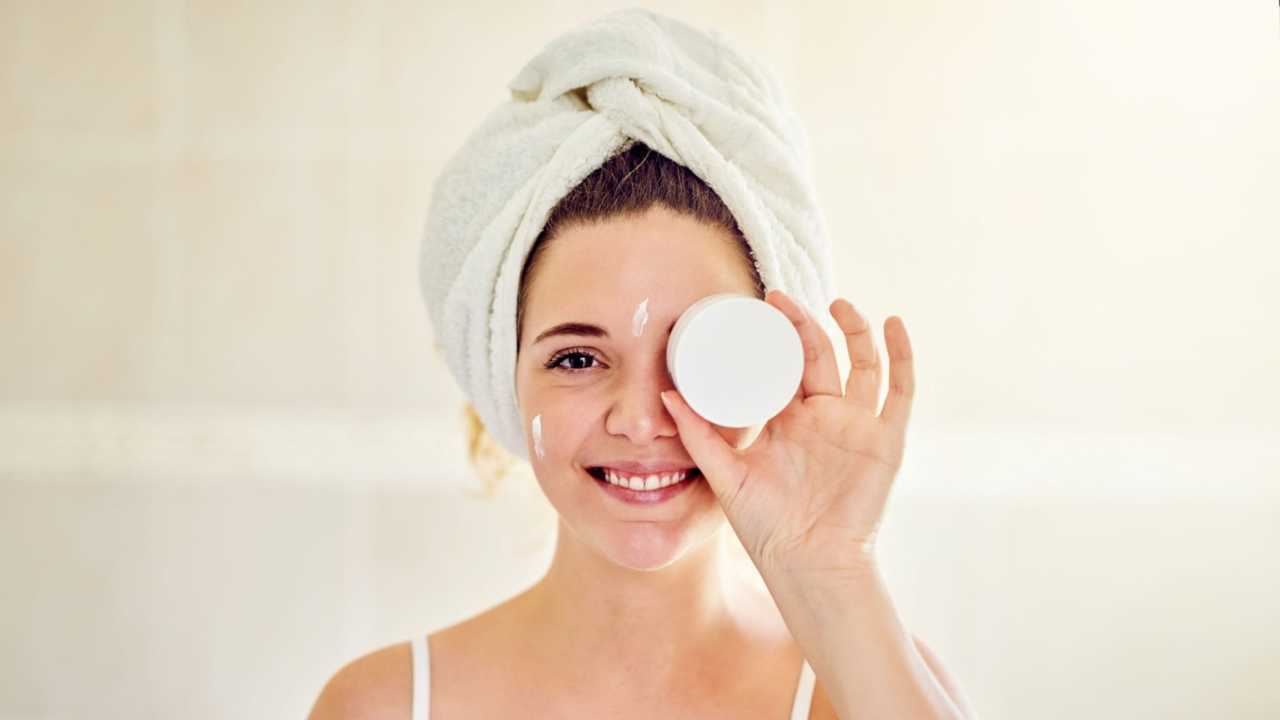
Healthy Skin Care Routine - PRP Treatment

A good skincare routine is an excellent ally for lasting results. This includes cleansing, moisturizing, and, most importantly, sun protection.

Applying a broad-spectrum sunscreen daily can protect the treated area from harmful UV rays, accelerating skin aging and shortening the lifespan of your PRP treatment results.

Lifestyle Modifications

Lifestyle choices like maintaining a balanced diet, staying well-hydrated, getting sufficient sleep, and avoiding smoking can all contribute to overall skin health and the longevity of treatment results.

Consuming a diet rich in vitamins A and C can support collagen production, complementing the effects of PRP.

Consistent Treatment Sessions

Consistency is key. Sticking to the recommended treatment schedule from your practitioner is crucial for sustained results. While some patients might see desired results after a single session, most need multiple sessions. Regular touch-ups help maintain and extend the results.

Complementary Treatments

PRP under-eye treatments can be combined with other skin care treatments like microdermabrasion or specific facials to enhance and prolong the results. Your practitioner can guide you about suitable complementary treatments based on your skin type and goals.

When Should You Consider a PRP Under Eye Touch-Up?

Now that we’ve covered what influences the longevity of your PRP under eye treatment and how to prolong it, you might wonder when it’s the right time to consider a touch-up.

PRP under eye touch-ups are typically recommended to maintain the results and continually stimulate collagen production.

Recognizing the Signs

The most common sign that it’s time for a touch-up is when you notice the initial under-eye concerns creeping back in. This could be an increased appearance of fine lines, wrinkles, or dark circles.

Since the results of PRP under eye treatments wear off gradually, these changes will be subtle and slow, not sudden.

Frequency of Touch-ups

The typical frequency of touch-ups depends mainly on the individual’s skin characteristics and how well they’ve maintained their post-treatment care and overall lifestyle.

There is no universally established maintenance interval for under-eye PRP. A touch-up may be considered if prior benefit has diminished and repeat treatment remains appropriate after reassessment.

Consultation with Your Practitioner

Always consult with your practitioner when you’re considering a touch-up. They can evaluate the current condition of your under-eye area and advise whether it’s the right time for a touch-up or if other treatments might be beneficial.

FAQ

In this final section, let’s address some common questions people often have about the longevity of PRP under eye treatments. Understanding these will help clarify doubts or misconceptions and aid in making an informed decision.

Are the Results of PRP Under Eye Treatments Permanent?

PRP under-eye results are not permanent, and not every patient responds the same way. If improvement occurs and later diminishes, repeat treatment can be discussed, but maintenance is not automatically necessary or appropriate for everyone.

Can I Speed Up the Results of PRP Under Eye Treatment?

PRP treatments leverage your body’s natural healing process, and this can’t be rushed. However, maintaining a healthy lifestyle and skincare routine can help optimize the results and ensure you see them as soon as possible.

Does age Affect the Longevity of PRP Under Eye Treatment Results?

Age can impact the results as the skin’s natural ability to produce collagen decreases. However, the PRP treatment stimulates collagen production; hence, even those with mature skin can see significant improvement.

How soon after my PRP Under Eye Treatment can I Return to my Regular Skincare Routine?

Typically, you can return to your regular skincare routine after 24 hours, but it’s essential to follow the specific instructions given by your practitioner. Some treatments or products may need to be avoided for a while post-treatment.

Can I wear Makeup after PRP Under Eye Treatment?

It’s usually recommended to wait at least 24 hours after your treatment before applying makeup. This allows your skin ample time to heal and absorb the full benefits of the treatment.

Conclusion

Embarking on a journey to brighter, healthier under-eye skin with PRP treatments can be exciting. Understanding the expected duration of results, factors affecting longevity, and strategies to maximize benefits will undoubtedly put you in a stronger position to make informed decisions.

Remember, while PRP treatments offer significant benefits, treatment consistency, post-care, and a healthy lifestyle play equally crucial roles in achieving the best results. Always consult with your practitioner regarding your unique needs and expectations.

With the right knowledge and care, you’re well on your way to enjoying long-lasting under-eye rejuvenation through PRP treatments.
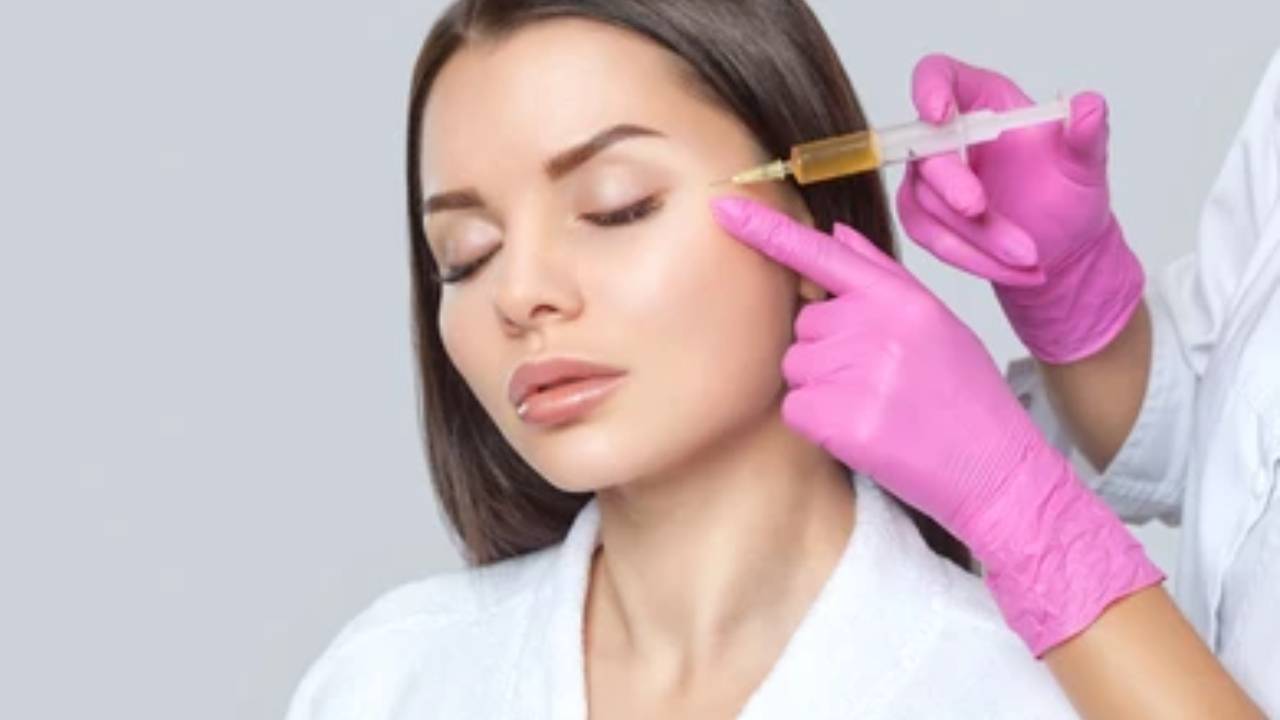

Healing Acne Scars with Vampire Facials: A Comprehensive Look

Acne scars can often feel like the ghosts of breakouts past, a constant reminder of skin struggles that can linger on your face. They can take a toll on your self-esteem, making you want to hide instead of shine.

But what if there was a treatment that could help rewrite your skin’s history? Enter the vampire facial, a revolutionary treatment creating a buzz in the skincare world and beyond. Harnessing the power of your blood, this treatment has been hailed as a game-changer in tackling stubborn acne scars.

But is it as magical as it sounds? Look at how vampire facials heal acne scars and transform skin stories. Buckle up; we’re about to embark on a rejuvenating journey!

What is a Vampire Facial?

A vampire facial, or Platelet-Rich Plasma (PRP) therapy, is a revolutionary skin treatment that uses your body’s natural healing abilities to rejuvenate your skin. The name may sound intimidating, but the process is simple and scientific.

During a vampire facial, a small amount of your blood is drawn and spun in a centrifuge to separate the platelets rich in growth factors. These growth factors are key players in skin repair and regeneration. The separated plasma is then re-applied to your face, often after micro-needling, which creates tiny channels in your skin for the plasma to penetrate.

This process stimulates collagen production, promotes cell turnover, and helps to heal scars, including those caused by acne. It’s a natural approach to skin enhancement that can provide dramatic results.

Consultation with Dr. Nazarian, MD: $450
Credited toward your first treatment
Labs and imaging ordered when needed
  • PRP from $800 per session
  • PRF from $1,100 per session
  • Discounted 3-session packages on every treatment
  • See the full PRP and PRF price list
  • 4 tubes of blood drawn per session, more than many clinics use; 10 to 15 cc of PRP obtained
  • 4-ingredient numbing cream
  • 6-needle injector used for hair treatments
  • Providing PRP therapy since 2008
PRP Treatment & Therapy Specialist Beverly Hills - David Nazarian

How Does a Vampire Facial Help with Acne Scars?

Vampire facials sound like something straight out of a fantasy novel, don’t they? However, this treatment has a scientific basis and has been making significant waves in the skincare world, particularly regarding healing acne scars. Let’s dive in and demystify how this innovative treatment works.

Stimulates Collagen Production

Acne scars often form because of damage to the skin’s collagen, a protein that provides structure and strength to your skin. Vampire facials stimulate collagen production in your skin. As new collagen is produced, it can help fill the areas where acne has left depressions or ‘pits,’ smoothing your skin’s texture over time.

Promotes Cell Turnover

One of the critical ways vampire facials help heal acne scars is by promoting cell turnover. This means it encourages your skin to produce new, healthier cells and shed older, damaged ones. As new cells surface, acne scars can become less noticeable, giving your skin a fresher, revitalized appearance.

Harnesses Growth Factors

The plasma applied to your skin during a vampire facial is rich in growth factors. These molecules are crucial in healing by signaling skin cells to repair damage. Introducing these growth factors directly to your acne scars encourages the healing process, helping to reduce the appearance of those stubborn scars.

Natural and Personalized Approach

One of the main reasons why vampire facials are so effective is that they use your body’s natural healing mechanisms. Your blood is used in the treatment, making it a highly personalized approach with a reduced risk of adverse reactions.

What to Expect During a Vampire Facial

We’ve explored the science behind the vampire facial; now, let’s walk through what actually happens when you sit in the chair for the treatment. While it might sound a little daunting, the procedure is typically well-tolerated by patients, and many have found the results to be worth the initial apprehension.

Initial Consultation

Before you even get to the treatment day, you’ll have a consultation with your medical practitioner. They’ll review your medical history, assess your skin and acne scars, and discuss your goals and expectations. This is your opportunity to ask questions and ensure you’re comfortable and well-informed about the procedure.

Blood Drawing

The procedure begins with a small blood draw, similar to what you’d experience during a regular blood test. This blood is the show’s star in a vampire facial, so the platelet-rich plasma (PRP) will be extracted from this.

PRP Preparation

Your blood will be spun in a centrifuge to separate the plasma from the other blood components. The plasma, rich in growth factors, is the ‘vampire’ part of the vampire facial.

Application of Topical Anesthetic

A topical anesthetic will be applied to your face to ensure you’re comfortable during the treatment. This numbs the area and helps minimize any discomfort during the micro-needling process.

Micro-needling

Micro-needling involves using a particular device with tiny needles that make microscopic punctures in the skin. This might sound scary, but the punctures are small, and the topical anesthetic helps you feel comfortable. Micro-needling helps to stimulate collagen production and also creates channels for the PRP to penetrate deeply into the skin.

PRP Application

The extracted PRP is then applied to your face, seeping into the tiny channels created by micro-needling. This part of the process is where the magic happens, as those growth factors get to work to rejuvenate your skin.

Recovery

Once the PRP has been applied, your treatment is complete! Your skin may appear red or slightly sensitive, similar to a mild sunburn. These effects usually subside in a day or two.

Post-Treatment Care and Maintenance

Post-Treatment Care and Maintenance - PRP Treatment

After a vampire facial, your journey to rejuvenated skin has only just begun. The road to maximum results involves a few more steps, and it’s vital to know what to expect post-treatment and how best to take care of your skin. Let’s walk through this together.

Immediate Aftercare

In the first 24 to 48 hours following your treatment, your skin may be slightly red and sensitive, similar to a mild sunburn. Avoid washing your face or applying any make-up during this time. It’s best to let your skin rest and reap the benefits of the PRP.

Sun Protection

Sun protection is always crucial, especially so after a vampire facial. Your skin will be more sensitive to the sun’s rays, so apply a broad-spectrum sunscreen before you step outside. Avoid direct sun exposure as much as possible for a week after treatment.

Skincare Routine

Once the initial sensitivity subsides, you can return to your regular skincare routine. A gentle cleanser, hydrating products, and a high-quality sunscreen will help maintain the results. Avoid exfoliating your skin for the first few days after treatment.

Follow-up Treatments

While you may see some improvement after your first vampire facial, maximum results often require multiple treatments. Your practitioner will advise you on the best action based on your skin’s response and individual goals.

Healthy Lifestyle

To further enhance the results of your vampire facial and promote overall skin health, maintain a healthy lifestyle. Eating a balanced diet, staying hydrated, regular exercise, and adequate sleep can all contribute to healthier skin.

FAQ about Vampire Facials for Acne Scars

In our exploration of vampire facials, you may have found yourself with questions bubbling to the surface. Not to worry! Let’s address some of the most common queries about this skin rejuvenating treatment.

Is the Vampire Facial Painful?

While the name may suggest otherwise, the vampire facial is typically not painful. A topical anesthetic is applied to your skin before treatment, which helps minimize any discomfort. You may feel a mild prickling sensation during micro-needling, but most patients find this manageable.

Are there any Side Effects to a Vampire Facial?

The most common side effects include redness, swelling, and a slight sensitivity, like a mild sunburn. These effects usually subside within a day or two. Because the treatment uses your blood, minimal adverse reactions or allergy risk exists.

How Long does it take to See Results?

Some patients see a glow and improvement in skin texture within a few days. However, since vampire facials rely on the body’s natural healing process and collagen production, more significant results can take a few weeks to become visible.

How many Sessions will I Need?

The number of sessions needed varies from person to person, depending on the severity of acne scars and individual skin response. On average, three treatments spaced about a month apart are common.

Is a Vampire Facial only for Acne Scars?

Not at all! While this blog focuses on the benefits of vampire facials for acne scars, it’s a versatile treatment. It’s often used to combat signs of aging, improve skin texture and tone, reduce the appearance of pores, and revitalize overall skin health.

For treatment-specific information on acne scars, including candidacy, expected benefits, risks, alternatives, and the role of microneedling, visit our PRP for Acne Scars service page.

\r\n

Conclusion

Navigating the world of acne scars treatment can feel like a winding journey, but treatments like the vampire facial have changed the game. This treatment offers a promising approach to tackling those stubborn scars by harnessing your body’s natural healing powers.

Remember, it’s not just about erasing the past but empowering your future self with confidence and radiant skin. We hope this comprehensive guide has demystified vampire facials and equipped you with the needed knowledge.

As you venture on your skincare journey, remember we’re here to assist you every step of the way!

Swelling After PRP Injection on Face: Causes and Remedies

As we continue our journey towards preserving our youth and enhancing our natural beauty, cutting-edge treatments like Platelet-Rich Plasma (PRP) injections are taking center stage. PRP has found its place in facial rejuvenation with its promising results and organic origin.

But with all great things, certain side effects can come, and facial swelling is one of them. You may wonder why does it happen? How long will it last? And most importantly, how can you manage it?

These are the pressing questions we’ll tackle in this blog post, arming you with a wealth of knowledge to make your PRP journey as comfortable and well-informed as possible.

Get ready to unlock the secrets behind PRP-induced facial swelling and discover effective remedies to speed up your recovery.

Why PRP for the Face?

The answer lies in their natural and minimally invasive approach. Unlike fillers or Botox, PRP uses your body’s resources to rejuvenate your skin. This “natural facelift” doesn’t introduce foreign substances into your body and is generally well-tolerated with a lower risk of allergic reactions.

PRP has emerged as a game-changer in our constant pursuit of age-defying treatments. The platelets in our blood are a natural source of growth factors, proteins that stimulate cell growth and healing. When injected into the face, they can stimulate collagen production, reduce wrinkles, and promote a youthful, rejuvenated appearance.

However, like all medical procedures, PRP injections have potential side effects, and one of the most common is facial swelling. As we delve deeper into this topic, we’ll unpack the causes and the most effective ways to manage this swelling.

Understanding Facial Swelling after PRP

Facial swelling following a PRP injection is a common side effect that patients should be aware of. This is the body’s normal reaction to an invasive procedure and can be seen as a sign that the healing process has begun.

Micro-trauma Triggering Inflammation

When the PRP is injected into the facial tissues, it causes micro-trauma to the skin, triggering an inflammatory response. This inflammation is an essential part of the body’s healing process, rushing increased blood flow and immune cells to the area to aid tissue repair and regeneration.

Swelling or Edema

One of the byproducts of this inflammation is swelling or edema, as fluids and white blood cells accumulate in the treated area. This typically results in temporary puffiness or a slightly swollen face appearance.

Swelling can vary from person to person. Some individuals might experience only minor swelling, while others might see more noticeable puffiness. This variation can depend on various factors, including individual skin type, overall health, the specific area treated, and the volume of PRP injected.

In most cases, facial swelling after PRP is not a cause for concern and resolves independently. However, understanding this process can help patients manage their expectations and ensure a more comfortable recovery after a PRP facial treatment.

Consultation with Dr. Nazarian, MD: $450
Credited toward your first treatment
Labs and imaging ordered when needed
  • PRP from $800 per session
  • PRF from $1,100 per session
  • Discounted 3-session packages on every treatment
  • See the full PRP and PRF price list
  • 4 tubes of blood drawn per session, more than many clinics use; 10 to 15 cc of PRP obtained
  • 4-ingredient numbing cream
  • 6-needle injector used for hair treatments
  • Providing PRP therapy since 2008
PRP Treatment & Therapy Specialist Beverly Hills - David Nazarian

How Long Does Facial Swelling Last After PRP Injection?

On average, the swelling starts to become noticeable a few hours after the procedure, reaching its peak within 24 to 48 hours. Generally, most patients find the swelling significantly reduces after the first three days.

However, this timeline can vary among individuals. The swelling’s duration can be influenced by factors such as

  • Patient’s overall health
  • Skin sensitivity
  • The extent of the treatment area
  • Individual physiological responses

The swelling may sometimes linger slightly longer, extending up to a week.

The good news is that this swelling is usually temporary and subsides naturally as the body progresses through its healing cycle. As the PRP stimulates tissue regeneration and healing, the inflammation response gradually reduces, decreasing swelling.

Patients should remember that while the swelling can be surprising initially, it’s a normal part of the body’s healing response. This understanding can help mitigate anxiety or discomfort associated with post-treatment facial swelling.

Of course, should the swelling persist beyond a week or be accompanied by severe pain, redness, or other signs of infection, it’s critical to seek immediate medical attention. These could be signs of a rare complication and require prompt treatment.

When Should You Be Concerned About Swelling?

While swelling is a natural and expected response to PRP facial treatments, there are circumstances where swelling could indicate a problem. Understanding these warning signs can help ensure that any potential complications are addressed quickly and effectively.

Severe Swelling

Although some swelling is expected after PRP treatment, severe swelling can indicate an adverse reaction. If the swelling significantly impedes your ability to perform normal activities or rapidly worsens, you must contact your healthcare provider immediately.

Prolonged Swelling

As previously mentioned, facial swelling typically begins to subside after a few days and, in most cases, completely resolves within a week. If your swelling persists beyond a week or appears to be worsening instead of improving, this could be a sign of a potential problem.

Additional Symptoms

Swelling that’s accompanied by other symptoms like severe pain, redness, heat, pus or discharge, or fever could be a sign of an infection or other complication. These symptoms should not be ignored, and immediate medical attention should be sought.

Localized Hardness or Lumps

While temporary hardness or small lumps may be experienced due to the normal healing process, any lumps that persist, grow in size or become painful should be evaluated by your doctor.

Allergic Reactions

Although rare, as PRP uses your body’s plasma, allergic reactions can occur due to the numbing cream or any other substance used during the procedure. Symptoms can include rash, itching, shortness of breath, or dizziness.

Remedies for Facial Swelling after PRP

Remedies for Facial Swelling after PRP - PRP Treatment

While facial swelling after a PRP treatment is usually temporary and self-resolving, several strategies can help manage and reduce swelling, making your post-treatment recovery more comfortable.

Cold Compress

Applying a cold compress to the swollen area can help reduce inflammation and provide relief. It’s important to remember not to apply ice directly to the skin; instead, wrap the ice in a cloth or use a commercial cold pack. Aim to apply the cold compress for 15 minutes, with 15-minute breaks.

Elevation

Keep your head elevated, especially while sleeping, for the first few days post-treatment. This can help reduce fluid accumulation in the facial area, thereby reducing swelling.

Hydrate

Staying well-hydrated can help your body function optimally and support healing. However, avoid alcohol and excessive caffeine, as they can lead to dehydration and exacerbate swelling.

Healthy Diet

Consuming a balanced, nutritious diet can support your body’s healing process. Foods rich in vitamins, particularly C and K, can support skin health and recovery. Avoid salty foods as they can lead to water retention and increased swelling.

Rest

Your body heals best when it’s at rest. Avoid strenuous activity and get plenty of sleep after treatment to give your body the best chance to recover efficiently.

Over-the-counter Medication

Non-prescription anti-inflammatory drugs, like ibuprofen, can help reduce swelling and discomfort. However, always consult your doctor before taking any new medication following a PRP treatment.

Final Thoughts

While facial swelling after a PRP injection can be inconvenient, it’s typically a short-lived and manageable part of the healing process. Understanding why it happens, how long it lasts, and the remedies to ease it will equip you to navigate your PRP journey confidently.

It’s essential to remember that this temporary discomfort is often overshadowed by the lasting benefits PRP offers for skin rejuvenation. Don’t let the prospect of swelling deter you; with the right knowledge and guidance, you’re well on your way to enjoying the youth-restoring benefits of PRP facial treatments.

Understanding the Factors that Influence PRP Under Eyes Cost

If you’ve ever marveled at the flawless under-eye area of your favorite celebrity, you’ve likely come across the magic of PRP treatments. Despite its growing popularity, many potential clients wonder about the costs of such a transformative procedure.

It’s no secret that medical cosmetic treatments have a price tag, but what determines that price? Today, we’ll delve deep into the factors that influence PRP under-eye treatment costs so that you can decide about your beauty investments.

From the practitioner’s expertise to the number of sessions needed, we’re breaking down every aspect of the cost – because understanding is the first step toward a confident, informed decision.

Breaking Down PRP Under Eyes Cost

When considering investing in your well-being and beauty through PRP under-eye treatment, understanding what you’re paying for is essential.

Let’s unravel the cost factors one by one in a way that’s easy to understand, even if you don’t have a medical background.

Procedure Complexity

The complexity of the procedure can directly impact the cost. PRP under-eye treatment involves extracting your blood, separating the platelets, and injecting them under your eyes.

Each step needs meticulous precision to ensure the desired outcome and safety. More complex procedures usually cost more due to the expertise and time involved.

Practitioner’s Expertise

The proficiency and reputation of your practitioner play a substantial role in the cost of the treatment. Highly experienced doctors specializing in PRP treatments often charge more due to their deep knowledge, skills, and proven results.

It might be tempting to go for a cheaper option, but remember that the expertise of your practitioner is paramount to your treatment’s success and overall safety.

Geographical Location

Like property values vary across cities and states, so do medical treatments. Costs for PRP under-eye treatments might differ based on the city or country you’re in.

Generally, clinics in metropolitan cities or higher cost-of-living areas might charge more than those in smaller towns or regions.

Clinic’s Overhead Costs

The operation costs of a clinic also impact the treatment’s price. Higher-end clinics offering luxurious comfort, state-of-the-art facilities, and premium customer service might charge more to cover overhead costs.

These features provide a more comfortable and relaxing experience, an essential consideration for many when undergoing a cosmetic treatment.

Consultation with Dr. Nazarian, MD: $450
Credited toward your first treatment
Labs and imaging ordered when needed
  • PRP from $800 per session
  • PRF from $1,100 per session
  • Discounted 3-session packages on every treatment
  • See the full PRP and PRF price list
  • 4 tubes of blood drawn per session, more than many clinics use; 10 to 15 cc of PRP obtained
  • 4-ingredient numbing cream
  • 6-needle injector used for hair treatments
  • Providing PRP therapy since 2008
PRP Treatment & Therapy Specialist Beverly Hills - David Nazarian

Number of Sessions Required

Typically, PRP under-eye treatments aren’t a one-and-done deal. You may require multiple sessions to achieve optimal results, influencing the total cost.

Your practitioner can guide you on the required sessions based on your needs and goals.

Comparative Analysis: PRP vs Other Methods

Now that we’ve looked at the elements affecting the cost of PRP under-eye treatment, comparing it with the costs of other under-eye therapies can be helpful. This way, you can put things into perspective and better understand PRP treatment’s value.

Traditional Under-Eye Creams and Serums

Most of us start our under-eye care journey with creams and serums. While they seem cost-effective, their continuous use over months or years can add up. Moreover, they often only offer temporary relief from under-eye concerns rather than long-term improvements.

Dermal Fillers

Dermal fillers are another popular treatment for under-eye issues. They are often used to fill hollow areas and smooth out wrinkles. While fillers typically show immediate results, they may need to be repeated every 6 to 12 months, which can significantly increase costs over time.

Surgical Options

Surgical procedures like blepharoplasty (eyelid surgery) can offer a more permanent solution to under-eye concerns. However, they come with higher upfront costs and involve more significant recovery time and potential risks than non-invasive treatments like PRP.

Laser Treatment

Laser treatments can also effectively treat under-eye issues, but the costs are typically higher than PRP treatments. Also, like other treatments, they may require multiple sessions for optimal results.

Why Does PRP Treatment Stand Out?

Why Does PRP Treatment Stand Out - PRP Treatment

While each option has benefits, PRP treatments stand out because they utilize your body’s natural healing process to rejuvenate your under-eye area.

Consider PRP’s long-term benefits and natural approach when considering the cost. These factors help you see why many people choose PRP treatments despite the higher cost than other options.

Understanding Value vs. Cost

Now that we’ve broken down the costs and compared them to other treatments, we must focus on a different yet equally important aspect – understanding the value of PRP under-eye treatments.

Firstly, what do we mean by ‘value’? Simply put, it’s the long-term benefits and improvements you gain from the treatment. When choosing a cosmetic treatment, it’s crucial to look beyond the immediate price tag and consider what you’re getting for your investment.

Natural and Personalized Treatment

One of the significant values of PRP under-eye treatment is its natural approach. The treatment uses your blood platelets to rejuvenate the skin, significantly reducing the risk of allergic reactions or side effects often associated with synthetic substances.

Long-Lasting Results

PRP treatments offer lasting improvements to the under-eye area. While creams and serums require daily application and their effects wear off quickly, PRP helps to restore your skin’s youthful appearance for a more extended period.

Non-Surgical and Minimal Downtime

Unlike surgical options, PRP is non-invasive, with less discomfort, fewer risks, and minimal downtime. This allows you to return to your routine quickly, saving you valuable time.

Boost Confidence

The ultimate value of PRP treatment comes from the boost in self-confidence that it can provide. Looking in the mirror and feeling satisfied with the person staring back at you can be priceless. It’s not just about looking good but feeling good too.

How to Plan Financially for PRP Under Eye Treatment

Deciding to get PRP under-eye treatment is a step towards investing in your beauty and confidence. However, it’s also a financial commitment. Here are some strategies to help you plan your budget for the procedure, making the whole process easier and more affordable.

Research and Compare

The first step is to research and compare the prices at different clinics. Remember to check what is included in their quoted price – it should cover the entire treatment process, from consultation to follow-up appointments.

Save Up

Once you’ve got an idea of the cost, start saving specifically for your treatment. Setting aside a small amount every week or month can accumulate into a sizable fund over time.

Financing Options

Some clinics offer financing options or payment plans to make the treatment more affordable. This could involve paying for the treatment in installments over a set period. Be sure to check the terms and conditions and any applicable interest or fees.

Health Savings Account or Flexible Spending Account

Sometimes, you can use funds from a Health Savings Account (HSA) or Flexible Spending Account (FSA) for cosmetic procedures. Check with your provider to see if this is a possibility for you.

Special Offers and Discounts

Keep an eye out for special offers, discounts, or package deals. Some clinics may offer a reduced price for buying multiple sessions at once or have seasonal offers. Be sure to ask about this when you’re doing your research.

Conclusion

So, we’ve taken a journey together, peeling back the layers to understand the costs tied to PRP under-eye treatments.

We’ve navigated the maze of procedure complexity, practitioner’s expertise, geographical variances, and the number of sessions required, each playing its part in sculpting the cost landscape.

But cost is only one part of the story, right? Equally important are the long-term benefits of PRP under-eye treatment and the invaluable boost to your self-confidence. It’s about investing in your radiant future, not just spending money today. We trust this guide has lit up the path toward your decision about under-eye care.

Got lingering questions? Need to book a consultation? Don’t hesitate to reach out – we’re here to help you navigate your beauty journey.

Transform Your Skin: The PRP Facial Before and After Journey

Has your reflection in the mirror been lacking lately? Imagine harnessing your body’s natural healing power to rejuvenate your skin, leaving it glowing and youthful. Sounds like a dream, right?

Well, with PRP Facials, this dream can become a reality. Platelet-Rich Plasma (PRP) facials have taken the skincare world by storm, touted by celebrities and skincare enthusiasts.

In fact, according to a report by Grand View Research, the global PRP market is expected to reach a staggering $647.1 million by 2025!

So, let’s dive into the world of PRP facials and embark on a transformative journey, exploring the remarkable before and after effects of this revolutionary skincare treatment.

Transformation: PRP Facial Before and After

After the initial PRP facial procedure, your skin will embark on a rejuvenation journey that is unique and individual. The first change many notices is a ‘glow’ or ‘plumpness’ to their complexion, often seen immediately after the treatment.

Over a few days to weeks, as your skin produces more collagen in response to the PRP, you’ll see a reduction in fine lines and wrinkles and improve overall skin texture. Remember, the regeneration process takes time and varies from person to person, so patience is vital when awaiting your transformation.

Comparison of Before and After Photos and Experiences

The before and after photos of PRP facial recipients can be downright astonishing. The results speak for themselves, from significant reductions in acne scarring to a vibrant glow that no makeup can replicate.

But it’s not just about the photos – the experiences are equally transformative. Many recipients share how the treatment has boosted their self-confidence and revitalized their outlook on skincare. PRP facials are more than just cosmetic procedures. They’re an investment in your skin’s health and self-esteem.

Embracing your transformation is about more than just visible changes. It’s about experiencing the confidence of having healthier, more youthful skin. The PRP facial before and after the journey takes your skin and you to a new level of radiance and wellness.

How do PRP Facials Work?

PRP facials work by harnessing the body’s natural healing ability. The process begins with drawing a small amount of your blood, which is then placed in a centrifuge to separate the platelet-rich plasma (PRP) – a substance rich in growth factors that stimulate cell regeneration. 

After your skin has been cleansed and prepared, the PRP is applied to your face. A device with tiny needles – often a microneedling tool – creates microscopic channels in the skin, allowing the PRP to penetrate deeply. These tiny wounds also stimulate your skin to produce more collagen, improving texture and tone.

Consultation with Dr. Nazarian, MD: $450
Credited toward your first treatment
Labs and imaging ordered when needed
  • PRP from $800 per session
  • PRF from $1,100 per session
  • Discounted 3-session packages on every treatment
  • See the full PRP and PRF price list
  • 4 tubes of blood drawn per session, more than many clinics use; 10 to 15 cc of PRP obtained
  • 4-ingredient numbing cream
  • 6-needle injector used for hair treatments
  • Providing PRP therapy since 2008
PRP Treatment & Therapy Specialist Beverly Hills - David Nazarian

Scientific Explanation Behind PRP

At a cellular level, PRP facials are fascinating. The PRP obtained from your blood is teeming with growth factors – proteins that play a crucial role in healing and cell regeneration.

When PRP is applied to your skin, these growth factors stimulate your cells to produce more collagen and elastin, the proteins responsible for the skin’s firmness and elasticity. By triggering this natural healing response, PRP facials encourage your skin to rejuvenate, leading to a more youthful, radiant appearance.

Setting Expectations For PRP Treatment

Setting Expectations For PRP Treatment - PRP Treatment

Before you embark on your skin transformation journey with a PRP facial, it’s essential to have a realistic understanding of what to expect. The initial consultation with your skincare professional will involve an evaluation of your skin and a discussion of your concerns and expectations.

They’ll explain the process in detail and assess if you’re a good candidate for the treatment. Common pre-procedure advice includes staying hydrated, avoiding sun exposure, and refraining from using harsh skin products.

Preparing for the Procedure

Preparation is critical for any skincare treatment, and PRP facials are no exception. You might be asked to maintain a good skincare routine to ensure your skin is in its best possible condition before the treatment. Some practitioners may advise avoiding certain medications and supplements that could affect blood clotting, such as aspirin, before your PRP facial.

Possible Immediate Reactions and Results

After the procedure, it’s normal for your skin to feel slightly sensitive. You might notice some redness, swelling, or a tight feeling in your skin – these reactions are normal and typically subside within a day or two.

In terms of results, don’t expect overnight miracles. The real magic of PRP facial unfolds gradually, improving skin texture and tone over several weeks as your skin generates new, healthier cells. Good things take time, and the path to radiant, youthful skin is no exception.

PRP Facial Journey: Procedure Day

On the day of your PRP facial, you’ll arrive at the clinic, likely filled with anticipation. You’ll be greeted by your skincare professional, who will guide you through each step of the procedure. First, a small amount of blood is drawn from your arm – much like a routine blood test.

This blood is then placed in a centrifuge, separating the platelet-rich plasma from the other components. Meanwhile, your skin is cleansed and prepared for the procedure. The PRP is then applied to your skin, typically using a microneedling device to enhance penetration and stimulate collagen production.

Personal Experiences and Testimonials

Procedure day brings excitement, curiosity, and maybe a bit of nervousness. But most people find the process more comfortable than expected. “I felt a slight tingling sensation, but no discomfort,” shares one PRP facial recipient.

Others express surprise at the speed of the procedure, with one patient noting, “Before I knew it, the procedure was done. It was quick and efficient.” Overall, procedure day is essential in your PRP facial journey, bringing you closer to your skin transformation goals.

Tips and Tricks for Enhancing Results

After your PRP facial, taking care of your skin is paramount to maximize the treatment’s effects. Initially, you should avoid harsh products and exfoliation to allow your skin to recover.

Apply a good quality, soothing moisturizer, and don’t forget to protect your rejuvenated skin with a broad-spectrum sunscreen. Keeping your skin well-hydrated will also aid healing and promote a plumper, more radiant complexion.

Products to Complement PRP Facial Results

Alongside your post-procedure care, certain products can complement your PRP facial results. A serum rich in hyaluronic acid can provide deep hydration and further plump the skin. In contrast, a quality vitamin C serum can help protect your skin from environmental damage and enhance collagen production. If unsure which products are best for you, consult your skincare professional. They can provide personalized advice based on your skin type and goals.

Remember, maintaining a regular skincare routine is essential to prolong the effects of your PRP facial. A consistent cleansing regimen, moisturizing, and sun protection can help maintain your newfound radiance and keep your skin at its healthiest, most vibrant state.

Final Words

PRP facial treatments continue to be studied for skin rejuvenation. Before-and-after photographs can help document an individual response, but outcomes vary and images do not establish effectiveness for every patient.

If you are considering treatment, review our PRP Facial with Microneedling service page for candidacy, realistic expectations, risks, alternatives, and the treatment process.

As you start your skin transformation journey, always remember the key to achieving and maintaining radiant skin lies in treatments and a balanced, dedicated skincare regimen.