...
Yelp Logo

CALL US NOW +1-844-669-0939

Does Insurance Cover PRP? Cigna & Other Plans

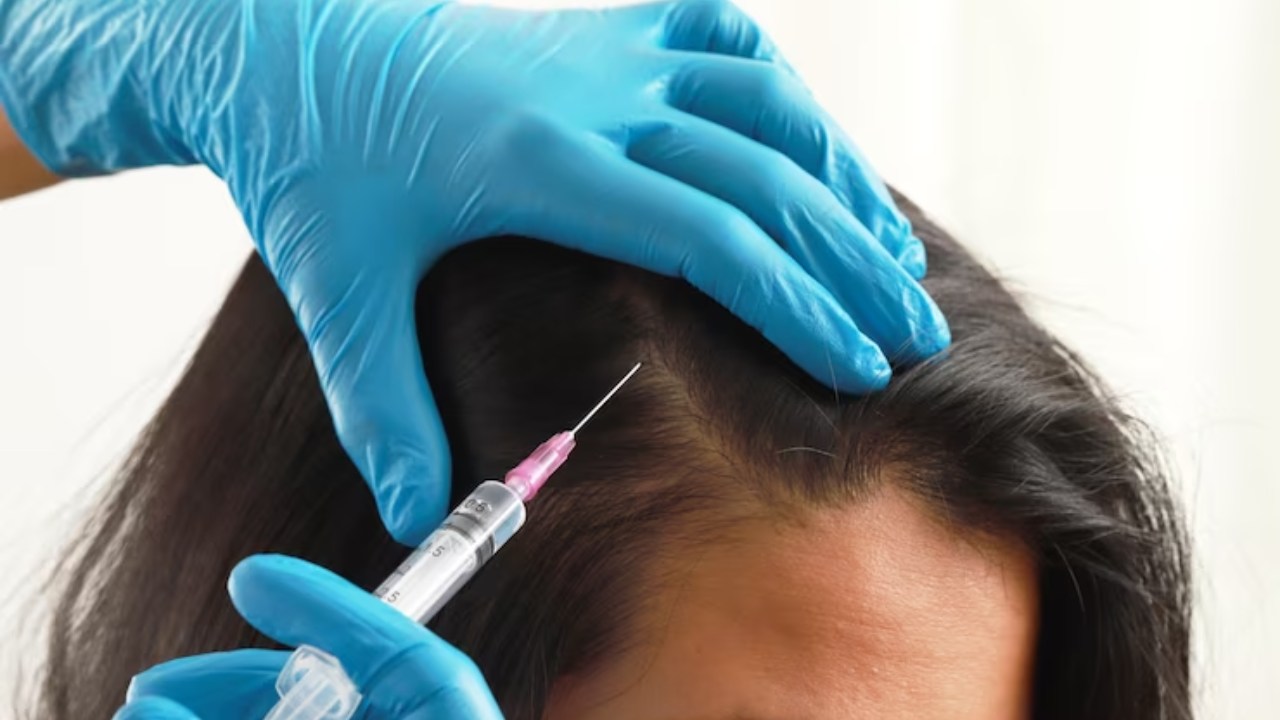
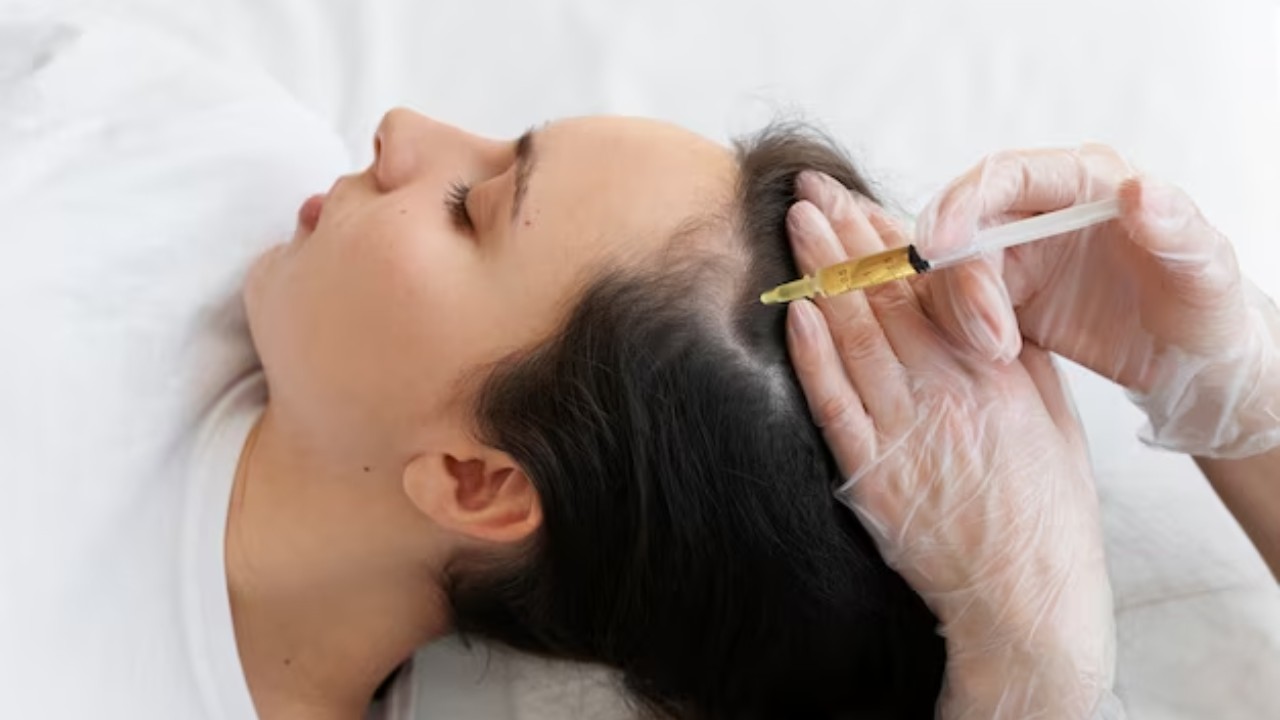
Platelet-rich plasma (PRP) therapy is becoming increasingly popular for various treatments, from sports injuries to skin rejuvenation and hair loss.

Medically reviewed by David Nazarian, MD — Board Certified in Internal Medicine and Medical Director of PRP Treatment Beverly Hills.

As more people consider PRP, a common question is whether insurance covers it: Does insurance cover PRP therapy? 

Many have heard rumors that it’s entirely out-of-pocket, while others claim some insurance companies might offer partial coverage. Let’s break down the facts, debunk some myths, and explore the current landscape of PRP coverage.

Why Don’t Most Insurance Companies Cover PRP or Stem Cell Injections?

Despite growing use of PRP, coverage remains limited and varies by insurer, indication, plan, and medical-necessity policy. The primary reason is that PRP therapy is often considered an elective, experimental, or investigational procedure. 

Many insurers view PRP as lacking enough solid, large-scale clinical evidence to guarantee its effectiveness, especially compared to more traditional treatments like surgery or physical therapy.

Insurance companies typically seek FDA approval or conclusive, long-term studies before agreeing to cover a treatment. While PRP has shown promise, particularly in treating joint pain, tendon injuries, and hair restoration, it has yet to reach the threshold of medical consensus that it needs to be widely covered by insurers.

Additionally, PRP’s use in aesthetic treatments, such as facials and skin rejuvenation, falls under the “cosmetic” category, which rarely, if ever, sees insurance coverage. Because many insurance companies consider cosmetic treatments non-essential, they are left to the patient’s discretion and wallet.

How To Get PRP Injection Insurance Coverage

That said, not all hope is lost. In some cases, you might still be able to get PRP therapy covered by insurance, but it usually requires persistence and a strategic approach. 

If you want to determine whether your plan may cover PRP, the most useful steps are to verify the current medical policy, ask whether prior authorization is required, and confirm your specific benefits before treatment:

Talk to Your Healthcare Provider:

Start by having a candid conversation with your healthcare provider. 

If PRP is being recommended for a medical condition rather than an elective or cosmetic reason, your doctor may be able to write a letter of medical necessity. 

This letter outlines why PRP is essential to your treatment plan and why traditional methods are unsuitable.

  • Document Your Treatment Journey: Document your history if you’ve tried other treatments. Insurance companies are more likely to cover PRP if you’ve already attempted other therapies (such as medications, physical therapy, or surgery) without success.
  • Pre-Authorization: Some insurance plans may allow for pre-authorization. Your doctor will submit your case to the insurance company for approval before treatment begins. It’s not guaranteed, but it might improve your chances of getting partial or complete coverage.
  • Check for Employer-Specific Coverage: Some companies or industries offer specialized healthcare plans that include alternative therapies like PRP. Check with your employer’s HR department or benefits coordinator if your coverage includes PRP treatments.

What Insurance Companies Cover PRP Therapy?

PRP coverage varies by insurer, plan type, diagnosis, and current medical policy. Many plans classify common PRP uses as investigational or non-covered, while some policies address limited circumstances separately. Because policies change, patients should verify the current policy and benefits directly with their insurer before treatment. The examples below should be read as policy snapshots rather than guarantees of coverage:

Aetna

Aetna does not generally cover PRP therapy, citing it as experimental or investigational. However, there are rare exceptions where PRP might be covered for specific conditions like osteoarthritis or tendinitis, provided the treatment is deemed medically necessary.

United Healthcare

United Healthcare also considers PRP an investigational treatment. As of now, the company does not cover it under most plans. However, similar to Aetna, they may review cases individually if a medical necessity is demonstrated.

Tricare

Tricare, the health insurance provider for military personnel and their families, generally excludes PRP therapy from coverage. 

However, as with other insurance companies, medical necessity may influence exceptions for active duty members with specific conditions that could benefit from PRP.

Blue Cross Blue Shield

BCBS typically does not cover PRP, classifying it as experimental. However, state-by-state coverage might vary, and it’s worth checking with your local BCBS provider to see if any exceptions apply in your area. 

In some cases, BCBS has been known to offer partial reimbursement for PRP when prescribed for orthopedic issues like joint injuries.

Medicare

Medicare doesn’t currently cover PRP therapy and will not reimburse for it since it is classified as an investigational treatment. However, partial coverage might be available in limited cases where PRP is part of a broader medical procedure.

Cigna

As of Cigna Medical Coverage Policy 0507, effective October 15, 2025, Cigna considers autologous platelet-derived growth factors/PRP experimental, investigational, or unproven for any condition or indication listed under the policy, including knee osteoarthritis, epicondylitis, tendonitis, soft-tissue injuries, and wound healing. Individual benefit-plan documents still control coverage, so patients should verify their specific plan before treatment.

The Cost of PRP Therapy

For current Beverly Hills pricing by treatment area, see our PRP and PRF cost guide.

Patients often have to pay out of pocket because PRP is not widely covered by insurance. On average, PRP injections can range from $500 to $2,500 per session, depending on the treatment area, the number of injections, and the provider’s expertise. 

Some clinics offer payment plans or discounts for multiple sessions, which can ease the financial burden for those needing long-term treatments.

Coverage and out-of-pocket cost can vary by indication. For hair-loss-specific insurance questions, see our dedicated guide on PRP hair loss treatment and insurance coverage. Patients considering treatment can also review our PRP Hair Restoration service page for candidacy, treatment details, risks, and expected results.

Could PRP Insurance Coverage Change in the Future?

Why PRP Will Soon Be a Widely Covered Treatment - PRP Treatment

Coverage policies can change as insurers review new evidence, coding guidance, and benefit-plan terms. However, there is no basis to promise that PRP will soon become broadly covered, so patients should rely on the current policy in effect for their plan.

In recent years, smaller-scale studies have shown PRP’s potential benefits in treating joint injuries, osteoarthritis, and tendon repair, which are slowly gaining attention from insurers.

Insurers periodically update medical policies as evidence changes. A policy update does not necessarily mean coverage will expand, and plan-specific exclusions or benefit limitations may still apply.

Takeaways

PRP therapy is still considered an out-of-pocket expense for most patients. However, that means you still need more luck regarding insurance coverage. 

Prior authorization or documentation of medical necessity does not guarantee payment. Coverage depends on the insurer’s current medical policy and the patient’s specific plan benefits.

In the coming years, we may see a shift in how insurers view PRP therapy, mainly as more research solidifies its benefits for various conditions. If you’re considering PRP therapy and want to know more about your options, contact our team to schedule a consultation and explore how PRP might work for you—whether insurance covers it or not.

Is Exosome Better Than PRP?

Medically reviewed by David Nazarian, MD — Board Certified in Internal Medicine and Medical Director of PRP Treatment Beverly Hills.

Regulatory note: FDA states that exosome products intended to treat disease or conditions generally require FDA approval and that there are currently no FDA-approved exosome products. Hair-loss and cosmetic exosome uses should therefore be discussed as investigational rather than established treatment.

Regenerative-medicine research includes PRP and experimental exosome-based approaches for hair loss and skin concerns, but these should not be treated as equivalent in evidence or regulatory status. Two of the most talked-about therapies in this area are PRP (Platelet-Rich Plasma) and Exosome therapy. If you’ve ever been curious about which option might be better, you’re not alone. Both treatments offer promising benefits, but they work in very different ways. Let’s break it down in a way that doesn’t feel like you’re reading a textbook.

What is the Difference Between PRP and Exosomes?

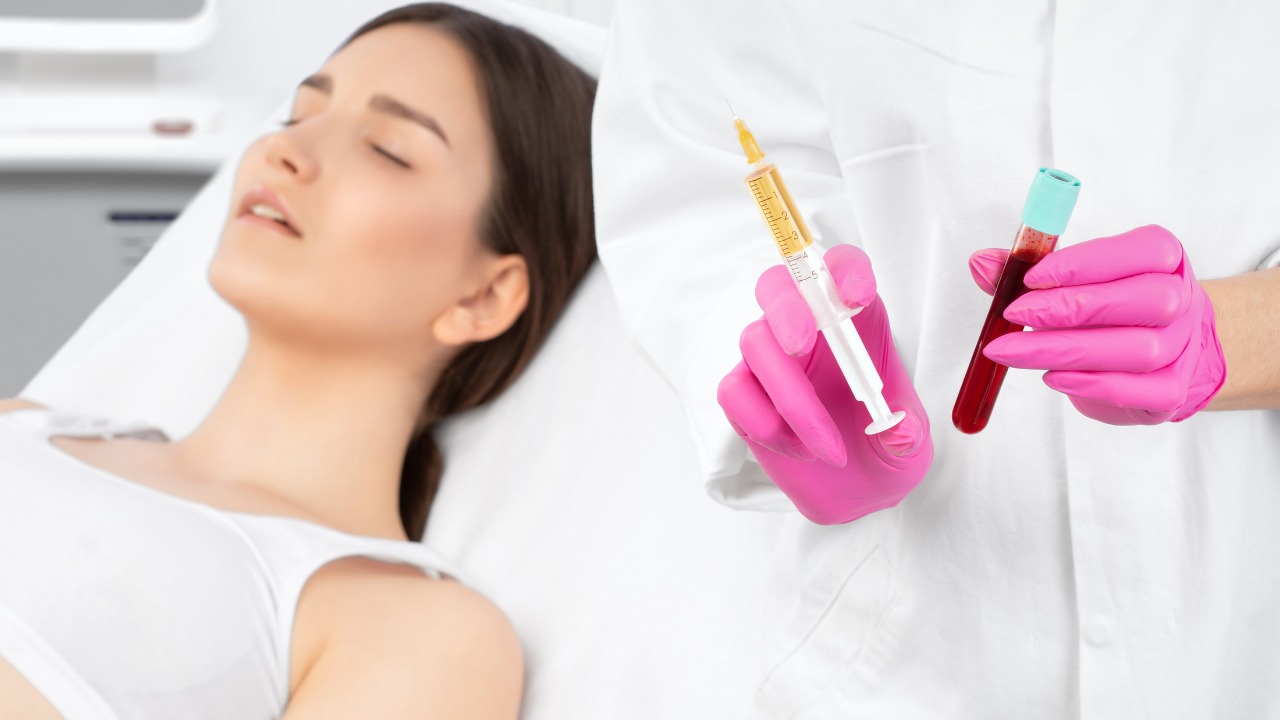
To start, PRP and Exosomes both aim to help the body heal itself, but their origins and how they function couldn’t be more different. PRP therapy uses the patient’s blood. After drawing, a small amount of blood is spun in a centrifuge to separate the platelet-rich plasma. It is then injected into the treatment area—whether the scalp for hair loss or the face for skin rejuvenation. PRP is rich in growth factors that can help stimulate healing and promote cell growth.

On the other hand, exosome therapy is a newer treatment that uses exosomes—tiny, naturally occurring extracellular vesicles packed with proteins, RNA, and other molecules responsible for cell communication. Unlike PRP, exosomes don’t come from your body. Instead, they are derived from stem cells and are believed to have a more potent ability to boost cell regeneration and repair due to their high concentration of growth factors.

Mechanism of Action: How Do They Work?

PRP utilizes your body’s healing processes. When PRP is injected into the targeted area, the concentrated platelets release growth factors that signal your body to begin the repair process. These growth factors promote cell regeneration, increase collagen production, and improve blood flow, which can help rejuvenate the skin or stimulate hair follicles.

Exosomes, however, take it to another level. These tiny blisters act like “messengers” in your body, delivering powerful signals to damaged or aging cells. They can direct cells to regenerate, reduce inflammation, and promote healing. Because exosomes are derived from stem cells, they contain a higher concentration of growth factors compared to PRP, which could make them more effective for specific conditions.

Effectiveness: Which One Works Better?

While both PRP and Exosomes show significant potential in promoting hair growth and skin rejuvenation, the effectiveness of each treatment can vary depending on the individual.

PRP has been used for years and has a solid track record of success in improving hair density and skin texture. Studies have shown that PRP injections can help slow hair thinning and improve skin elasticity, making it a popular choice for those seeking non-invasive cosmetic enhancements.

Exosome products are being studied in regenerative medicine, but current clinical evidence does not establish faster, more dramatic, or longer-lasting results than PRP. Product composition and manufacturing can vary substantially, and these uses remain investigational. hair regrowth and skin rejuvenation over time.

Safety: PRP vs. Exosomes

When it comes to safety, both PRP and Exosome therapies are considered non-invasive with minimal risks. Since PRP uses your blood, the chances of an allergic reaction or rejection are meager. The most common side effects are mild swelling, redness, or tenderness at the injection site.

Exosome therapy, while newer, also appears to be safe. However, because exosomes are not derived from your body, some patients may be concerned about these vesicles’ source and safety. It’s essential to ensure that you get exosomes from a reputable provider that uses high-quality, lab-tested products to ensure their safety and efficacy.

Which is Better, PRP or Exosomes?

Choosing between PRP and Exosome therapy depends on your specific goals and needs. PRP is a solid choice if you’re looking for a tried-and-true method with years of proven success. It’s well-established, safe, and can yield excellent results for many people, especially in the early stages of hair loss or skin aging.

Exosome products are newer and remain investigational for many hair and cosmetic uses. Current evidence does not establish that they are more powerful than PRP or that they produce superior outcomes for advanced hair thinning or skin concerns.

Is Microneedling with Exosomes Better Than PRP?

Microneedling is often paired with PRP or exosomes to enhance the overall effects of the treatment. The microneedling process creates tiny punctures in the skin, stimulating the body’s natural healing response. Combined with PRP or exosomes, this can help deliver growth factors more effectively to deeper layers of the skin.

Microneedling with exosome-containing products is being studied, but current evidence does not establish that adding exosomes produces faster, stronger, or more durable results than PRP or microneedling alone.

Are Exosomes Safer Than PRP?

In terms of safety, both PRP and exosomes are considered low-risk treatments. PRP has been around for a long time and has a well-documented safety profile. Exosomes are newer but have shown promising safety results. The main concern with exosomes is ensuring that they come from a reputable source to avoid any complications or contamination.

Unlocking the Secrets of Hair Restoration: PRP vs. Exosomes

For hair restoration, both PRP and exosome therapy can stimulate hair growth, but exosomes might have the edge due to their higher concentration of growth factors. If you’re struggling with more severe hair thinning or want to explore the latest innovations in hair restoration, exosomes could offer better results.

Expert Insights on Exosome Treatments

According to leading dermatologists and cosmetic surgeons, exosome therapy is revolutionizing regenerative medicine. By harnessing the power of stem cell-derived vesicles, exosome treatments offer a more targeted approach to healing, which could lead to better and faster results than traditional methods like PRP.

Effectiveness and Safety of Exosomes

While the jury is still out on whether exosomes are definitively better than PRP, early results show they have immense potential in regenerative medicine. Many patients report quicker and more noticeable improvements after exosome treatments than PRP.

How to Evaluate Exosome Treatment Claims

Exosome therapy should not be recommended simply because it is newer. Patients should consider the limited clinical evidence, product source, regulatory status, risks, and better-established alternatives before pursuing treatment.

Embracing the Future of Skincare

Embracing the Future of Skincare - PRP Treatment

As we learn more about regenerative medicine’s power, exosomes represent an exciting new chapter in non-surgical treatments. Whether you’re looking to restore lost hair, rejuvenate your skin, or boost healing, exosomes might be the future of skincare.

Exosomes IV Therapy

Beyond hair and skin treatments, exosomes are also being explored in IV therapy to promote overall wellness. By delivering these tiny vesicles directly into the bloodstream, exosomes could help with systemic healing, reduce inflammation, and boost immune function.

Stem Cell Activation Patch

In addition to IV therapy, exosomes can be incorporated into stem cell activation patches, promoting localized healing. This is particularly useful for injuries or chronic conditions that require targeted regeneration.

Exosome Therapy Near Me

Finding a trusted provider near you is essential if you’re curious about trying exosome therapy. Look for clinics specializing in regenerative medicine and offering lab-tested, high-quality exosome treatments.

Conclusion

When it comes to PRP vs. exosomes, both therapies have their strengths. PRP is reliable, safe, and effective, while exosomes offer cutting-edge innovation with the potential for faster and more profound results. Ultimately, the best choice depends on your unique needs and what you hope to achieve. If you’re in the Beverly Hills or LA area and are ready to explore the possibilities of PRP or exosome therapy, now is the perfect time to take action. Schedule a consultation today at PRP Treatment Beverly Hills, LA, and unlock the full potential of your body’s natural healing power.

Does Retinol Brighten Under Eyes? Exploring Effective Treatments in Beverly Hills

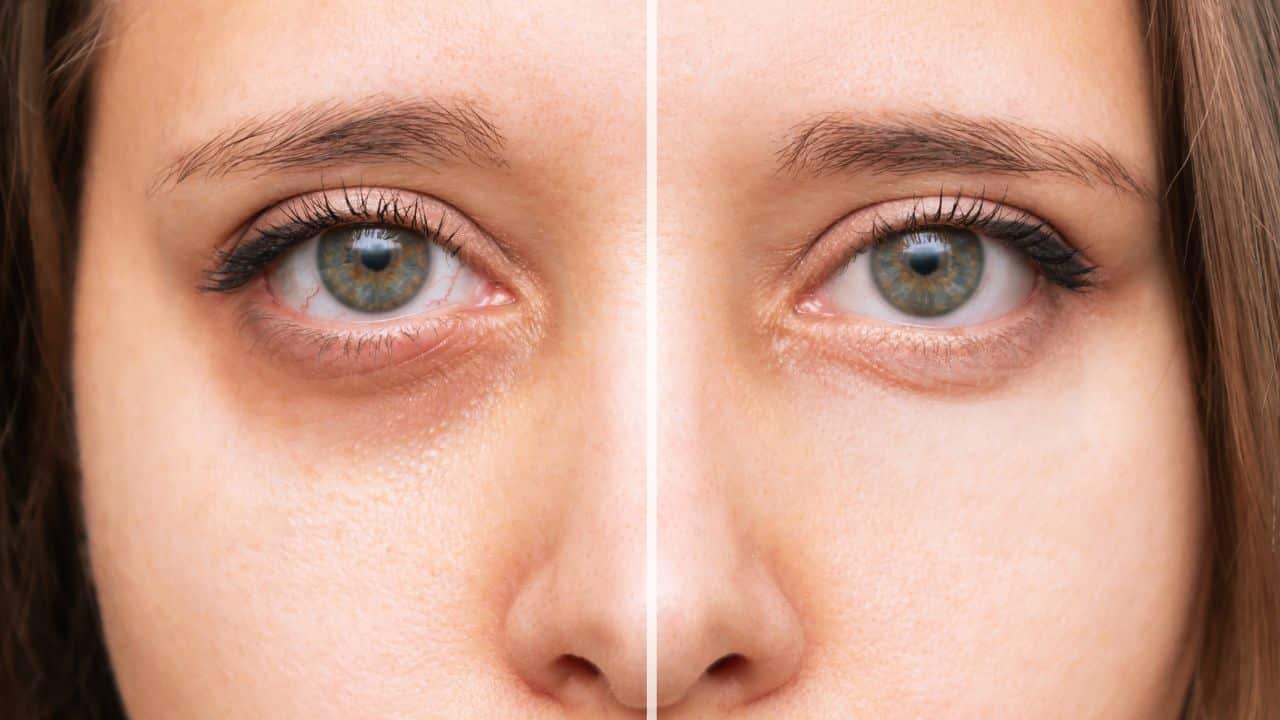
One of the most common complaints people have about beauty concerns is the under-eye area. Whether it’s dark circles that make you look perpetually tired, fine lines that add years to your face, or puffiness that just won’t quit, the struggle to maintain a fresh, bright appearance is natural.

Medically reviewed by David Nazarian, MD — Board Certified in Internal Medicine and Medical Director of PRP Treatment Beverly Hills.

Many people turn to retinol, a common skincare ingredient, hoping to improve the appearance of the delicate under-eye area. But how effective is retinol, really? And are there other options out there that offer better, faster results?

Welcome to Beverly Hills, where treatments such as PRP under-eye treatment are giving people a new reason to smile—without the bags. In this article, we’ll explore how retinol compares to more advanced treatments, particularly PRP, and why Beverly Hills might just be the best place for your under-eye transformation.

Understanding Under-Eye Concerns

The under-eye area is one of the first places that shows signs of aging. The skin here is thinner and more delicate than other parts of your face, making it more vulnerable to various issues, from dark circles to puffiness to those pesky fine lines that keep coming back.

Various factors can cause dark circles: lack of sleep, genetics, and allergies. Puffiness can result from water retention, diet, or a bad night. Fine lines, meanwhile, are part of the natural aging process, exacerbated by sun exposure and facial expressions over time. While these problems might seem purely cosmetic, they can significantly affect your overall appearance, making you look older or more tired than you are.

Retinol: A Traditional Approach to Under-Eye Brightness

For years, retinol has been touted as the gold standard in anti-aging skincare. Derived from Vitamin A, retinol increases cell turnover and boosts collagen production. This makes it a go-to ingredient for addressing various skin concerns, including fine lines, uneven skin tone, and texture.

But can it really brighten the under-eye area?

Retinol can be effective for treating fine lines and promoting smoother skin. It can also help lighten pigmentation over time, which is why some people see an improvement in dark circles after consistent use.

However, retinol is limited, especially when dealing with stubborn under-eye issues. The delicate skin around the eyes can be sensitive, and improper use of retinol may cause irritation, redness, or dryness.

For some, these side effects outweigh the potential benefits, leading them to search for more advanced options.

The Effectiveness of Retinol for Under-Eye Brightness

There’s scientific evidence to support the use of retinol for improving skin texture and lightening pigmentation, but patience is key. Most people won’t see noticeable changes in their under-eye area for at least 6 to 12 weeks, and even then, the results may be subtle. For those looking for a quick fix or a more dramatic improvement, retinol alone might not cut it.

It’s also worth noting that retinol can be too harsh for some people, mainly when used around the sensitive eye area. If your skin is irritated, you might experience redness or flakiness, which can make the under-eye area look worse before it looks better.

Beyond Retinol: Advanced Solutions for Under-Eye Rejuvenation

If you’re tired of waiting for retinol to work—or if you’ve tried it and it hasn’t delivered the desired results—it might be time to consider more advanced treatments. In Beverly Hills, one of the most popular and effective options for rejuvenating the under-eye area is Platelet-Rich Plasma (PRP) therapy.

Unlike retinol, which works on the surface level of your skin, PRP goes deeper, addressing the underlying causes of dark circles, puffiness, and fine lines.

PRP Treatment: The Beverly Hills Solution for Under-Eye Brightness

PRP therapy has been making waves in the beauty world, especially in Beverly Hills, where cutting-edge treatments are practically a way of life. But what exactly is PRP?

PRP involves using your blood to promote skin healing and rejuvenation. A small sample of your blood is drawn, processed to separate the platelets, and then injected into targeted areas of your skin. These platelets release growth factors that stimulate collagen production, improve skin texture, and increase elasticity.

For under-eye concerns, PRP may help selected patients, but outcomes vary by the cause of dark circles and the evidence is more modest for pigmentation than for some texture-related outcomes. It can reduce dark circles, smooth out fine lines, and improve overall skin tone and texture—without the irritation that sometimes comes with retinol. Best of all, the results are natural, subtle, and long-lasting.

The PRP Treatment Process at Our Beverly Hills Clinic

The PRP Treatment Process at Our Beverly Hills Clinic - PRP Treatment

So, how does it work?

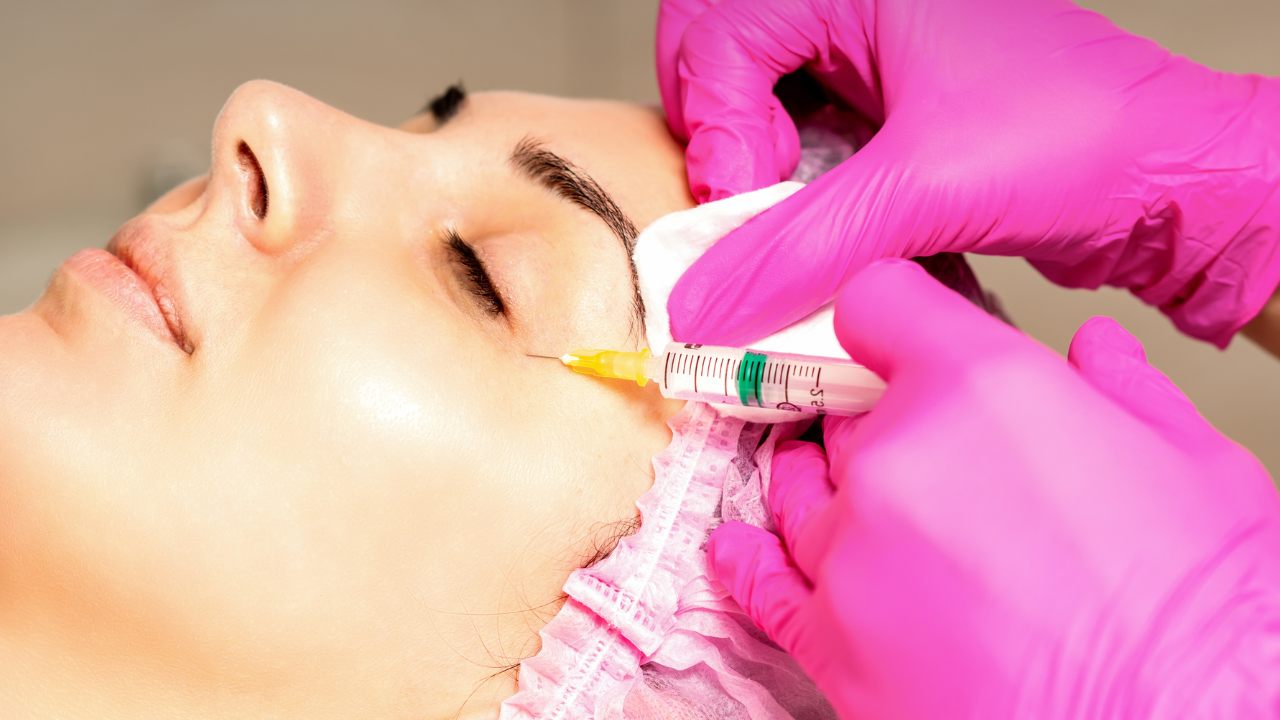
Our Beverly Hills clinic begins with a consultation to assess your concerns and determine whether PRP is the right treatment for you. If you’re a good candidate, we’ll draw a small sample of your blood and process it to extract the platelet-rich plasma. This PRP is then carefully injected into the under-eye area using a fine needle.

The procedure is quick and minimally invasive, with little to no downtime. Some patients experience mild swelling or bruising for a day or two afterward, but these side effects typically subside quickly.

After treatment, you can expect to see gradual improvements in the weeks following the procedure as your skin’s natural healing processes are triggered. The result? Brighter, smoother, and more youthful-looking under-eye skin.

Why Choose PRP Over Retinol for Under-Eye Brightness?

While retinol can help address some under-eye concerns, PRP offers several distinct advantages. First and foremost, PRP uses your body’s natural healing powers, making it a safe and effective treatment with minimal risk of side effects.

PRP does not guarantee faster or more dramatic results than topical therapy; treatment choice should depend on anatomy, pigmentation, skin quality, tolerance, and goals. Many patients notice an improvement in their under-eye appearance after just one session, with results improving over time. PRP can also address multiple concerns at once, from dark circles to puffiness to fine lines, making it a more comprehensive solution than retinol alone.

Combining PRP with Other Treatments for Optimal Results

One of the great things about PRP is that it can be combined with other treatments for even better results. Some patients choose to use PRP in conjunction with topical treatments like retinol to maximize their results, while others opt for a full facial rejuvenation plan that includes PRP along with other non-surgical procedures.

Working with our Beverly Hills team, you can create a personalized treatment plan that addresses your unique concerns, giving you the best possible results for your under-eye area—and beyond.

Patient Experiences with PRP in Beverly Hills

We believe in letting our results speak for themselves. Our patients have seen incredible transformations after just a few PRP sessions. Their eyes appear brighter, smoother, and more refreshed, with long-lasting results that can keep them youthful and vibrant for months.

Is PRP Right for You?

PRP is an excellent option for anyone looking for a natural, effective solution to under-eye issues. However, consulting with a professional is important to determine if PRP is the best treatment for your specific needs. During your consultation, we’ll evaluate your skin and discuss your goals, ensuring you receive the most appropriate treatment plan.

The Beverly Hills Advantage: Why Choose Our Clinic for PRP

At our Beverly Hills clinic, you’ll receive expert care from our team of board-certified physicians. We pride ourselves on offering the latest and most effective treatments in a state-of-the-art facility. Our personalized approach ensures you receive the best possible care, with follow-up appointments and customized post-treatment recommendations to help you maintain your results.

FAQs About PRP for Under-Eye Brightness

How long do results last?

Most patients enjoy their results for several months, with maintenance treatments recommended for lasting improvement.

Is the treatment painful?

Discomfort is minimal, with most patients describing the experience as mild.

How many sessions are needed?

While many patients see significant improvements after one treatment, a series of treatments may be recommended for optimal results.

Cost Considerations: Retinol vs. PRP

Investing in your skin health is always a good idea, but it’s essential to weigh the costs and benefits. While retinol is more affordable upfront, PRP offers faster, more dramatic results.

The cost of retinol products can vary widely depending on the brand, formulation, and where you purchase them. Here are some examples:

  • Budget options: Retinol serums like Artnaturals Retinol Serum, which costs around $12.99, and DOUBLE SIZED Retinol Serum, which costs $9.99.
  • Mid-range options: Products like Glow Recipe Avocado Retinol Eye Cream cost about $36.59, and Obagi 360 Retinol 1.0 costs around $47.00.
  • High-end options: ISDIN Retinal Advanced Night Serum is priced at $185.00

PRP therapy in our Beverly Hills medical facility is $1200, including a comprehensive consultation with our physician. 

  • The package of 3 PRP sessions is $3200.
  • The package of 5 PRP sessions is $5000.  

And with flexible financing options at our Beverly Hills clinic, you can get the necessary treatments without breaking the bank. 

Conclusion

When it comes to brightening your under-eye area, retinol can be a helpful tool—but if you’re looking for real, noticeable results, PRP is the way to go. By choosing PRP, you’re investing in a treatment that not only addresses your concerns more comprehensively but does so in a way that works with your body’s natural healing processes. 

Ready to learn more? Schedule your consultation today at PRP Treatment LA and start your journey to brighter, more youthful eyes in the heart of Beverly Hills. Your eyes will thank you!

From Wound Care to Skin Care: PRP Treatments for Optimal Healing

Wound healing involves a complex series of events. Starting with inflammation and leading to tissue repair and remodeling, a patient must go through many stages.

When skin gets damaged, it can become red, swollen, and painful. If not cared for, wounds may linger in the inflammatory phase, increasing the risk of infection and scarring. Healthy skin helps protect your body from these problems and speeds up recovery. 

In our expert guide, you’ll find helpful tips from wound care to skincare to ensure your wounds heal quickly and effectively.

PRP Treatment For Wound Care to Skin Care

Applications of PRP in Wound Care and Skin Care:

  • Chronic Wounds: PRP is effective in treating chronic wounds such as diabetic ulcers, pressure ulcers, and venous ulcers.
  • Surgical Wounds: PRP can accelerate healing after surgery, reducing the risk of complications and improving cosmetic outcomes.
  • Burns: PRP can help promote healing and reduce scarring in burn patients.
  • Skin Rejuvenation: PRP is used in various skin rejuvenation procedures, including microneedling, laser treatments, and fillers, to enhance their effects.
  • Hair Loss: PRP injections treat hair loss, particularly androgenetic alopecia (male or female pattern baldness).

How PRP Works in Wound Care and Skin Care:

Wound Healing

  • Faster Healing: PRP contains a high concentration of growth factors that promote tissue repair and regeneration, leading to more rapid wound healing.
  • Reduced Inflammation: PRP helps regulate inflammation, essential for optimal wound healing.
  • Improved Blood Flow: PRP stimulates the formation of new blood vessels (angiogenesis), which improves blood flow to the injured area and delivers essential nutrients and oxygen for healing.
  • Reduced Scarring: PRP can help minimize scar tissue formation, resulting in a more aesthetically pleasing outcome.

Skin Rejuvenation

  • Collagen Stimulation: PRP stimulates the production of collagen, a protein that provides structural support to the skin, improving skin elasticity and reducing wrinkles.
  • Skin Tone and Texture: PRP can help improve skin tone and texture, reducing the appearance of fine lines, wrinkles, and acne scars.
  • Hair Growth: PRP is also used to treat hair loss by stimulating hair follicle growth.

8 Preventive Skin Care Strategies for Wound Healing

1. Ensure Proper Wound Cleansing

Keeping a wound clean is super important! It helps remove dirt and germs, speed up healing, and lower the risk of infection.

Use clean tap water or saline. Avoid harsh chemicals and scrubbing to prevent further irritation. Clean hands before starting, and if possible, use a disinfectant for extra safety.

2. Use Simple Dressings

Just like cleaning your wound, choosing the right dressing is important for healing. The right dressing helps keep your wound moist, speeding up healing and protecting the skin by soaking up fluid.

Here are some helpful dressing options you can choose from:

  • Foam Dressing: Foam dressing for wounds is soft and absorbent. It keeps the wound moist and helps soak up extra fluid. You should use them for wounds with a lot of drainage.
  • Hydrocolloid: Hydrocolloid dressings are sticky and form a gel when they touch moisture. They help keep the wound moist and protect it from dirt. Use these for minor cuts and scrapes.
  • Absorbent Dressings: Absorbent dressings are great for soaking up fluid from a wound and helping keep the area dry and clean. They should be used when a wound is oozing or bleeding.
  • Gauze: Gauze is a thin, breathable fabric that can cover a wound. It helps protect the area and allows air to reach it. Use gauze for more minor cuts and scrapes.

3. Consider Moisturization

Moisturizers have a big role in dermatology, especially when looking for effective and quick ways to heal wounds. Keeping your wound moist is essential for proper healing.

Regularly use a gentle moisturizing agent like petroleum jelly on your wound. This helps relieve discomfort and prevents your skin from becoming dry and irritated.

Moisturizing keeps your skin hydrated and reduces the risk of breaking or cracking, especially if you have sensitive skin. Additionally, you can use silicone sheets or gels to help prevent scars from forming. Always remember to apply moisturizer gently!

4. Dead Skin Removal

Removing dead skin is an important step in wound healing. When you have a wound, dead skin can slow down the healing process and make it easier for germs to enter. You can gently remove dead skin by soaking the wound in warm water and using a soft cloth to wipe it away.

Make sure to be very gentle so you don’t hurt the healthy skin underneath. Always wash your hands before and after to keep everything clean. By keeping the area clean, you help your wound heal faster and reduce the risk of infection!

5. Tetanus Vaccination

Tetanus acts as a shield for your body. Just as a shield blocks danger, the vaccine protects you from harmful germs that can enter through cuts and wounds. Any cut or scrape that breaks the skin, even a tiny poke, can put you at risk for a tetanus infection. So doctors recommend staying up-to-date with this shot to keep you safe.

If you haven’t had a tetanus shot in the last five years, it’s important to get a booster. The vaccine can prevent serious illness and complications. Always talk to your doctor about your vaccination status, especially after an injury.

6. Monitor for Healing

Monitoring your wound for healing is very important. Check your wound every day for changes. Look for signs like redness, swelling, or increased pain, which might mean it’s not healing properly.

If you notice any bad smells or pus, tell an adult right away. Keeping an eye on your wound helps ensure it heals well and stays safe!

7. Photoprotection

Photoprotection is like giving your skin a special armor after a wound heals. Applying sunscreen to the area can help reduce the appearance of scars and blotching.

The American Academy of Dermatology recommends using a broad-spectrum sunscreen with SPF 30 or higher. Make sure to apply it every day to keep your skin safe from the sun and help it look its best!

8. Manage Pain Level

Managing pain after an injury is very important for healing. When you first get hurt, you might feel a sharp sting for the first few days. To help reduce pain and swelling, keep the injured area elevated and still as much as possible.

You can take non-narcotic pain relievers during this time. After a couple of days, the sting usually goes away, but you might feel pain when you try to move the injured part. At this point, listen to your body and stop taking pain medicine so you know what hurts.

Avoid activities that cause pain, as this can slow down healing. Remember, inflammation helps wounds heal, so it’s okay to feel some pain!

Professional Self-Care Suggestions for Optimal Wound Healing

Taking care of yourself can help your wounds heal faster. Here are some important tips to follow:

  • Avoid Interfering Medications: Some medications can slow down healing. Always talk to your doctor about what you’re taking, especially if you have a wound.
  • Ensure Proper Nutrition: Eating healthy foods gives your body the nutrients it needs to heal. Focus on fruits, vegetables, protein, and whole grains to help your wounds heal better.
  • Avoid Antiseptics on Chronic Wounds: Using antiseptics on wounds that don’t heal well can cause more harm than good. It’s better to keep the wound clean and covered with the right dressing.
  • Regular Exercise: Moving your body helps improve blood flow, which can speed up healing. Gentle exercises like walking or stretching can be good, but don’t overdo it!
  • Avoid Smoking: Smoking can slow down healing and cause more problems. If you smoke, try to quit or cut back to help your body heal faster.

In Closing

Taking care of your skin and wounds is very important for fast healing. Healthy skin helps stop infections and scars from forming. By following the tips in our guide, like cleaning your wounds and using the right dressings, you can help your body heal better.

PRP Treatment for Under-Eye Twitching: A Revolutionary Approach in Beverly Hills

Medically reviewed by David Nazarian, MD — Board Certified in Internal Medicine and Medical Director of PRP Treatment Beverly Hills.

Under-eye twitching (often eyelid myokymia) is usually related to factors such as fatigue, stress, caffeine, eye strain, or irritation. PRP is not an established treatment for eyelid twitching, so persistent or unusual symptoms should be medically evaluated rather than assumed to be a cosmetic PRP indication. Eye twitching is a common problem, often caused by stress, fatigue, or even staring at screens for too long. But when it starts interfering with your daily life or making you self-conscious about your appearance, finding a solution becomes a top priority.

Fortunately, an innovative treatment in Beverly Hills is changing the game: PRP (Platelet-Rich Plasma). This groundbreaking, natural approach to regenerative medicine gives patients new hope for relief from under-eye twitching. At our Beverly Hills clinic, we’re proud to offer PRP as one of our leading cosmetic and wellness solutions.

What Causes Under-Eye Twitching?

To understand why PRP can be such a game-changer, let’s first examine what’s really behind those frustrating eye twitches. Known medically as myokymia, these spasms usually occur due to muscle fatigue or irritation of the nerves around the eye. While they’re often temporary, twitching can persist for days or even weeks, leading to discomfort and self-consciousness.

The most common causes include:

  • Stress and anxiety
  • Lack of sleep
  • Eye strain (especially from screens)
  • Caffeine or alcohol consumption
  • Dry eyes
  • Nutritional imbalances

Traditional treatments for these spasms focus on managing the symptoms rather than addressing the root cause. Options like reducing screen time, using artificial tears, or trying to manage stress can sometimes provide relief, but they don’t always work. That’s where PRP steps in, offering a more targeted, natural solution.

Can PRP Treat Under-Eye Twitching? What the Evidence Shows

You might be wondering what PRP is. Platelet-rich plasma is derived from your blood and contains high growth factors and proteins that stimulate tissue repair and healing. It has long been used in regenerative medicine to help heal injuries and accelerate athlete recovery. However, PRP has gained widespread popularity in the cosmetic world in recent years due to its ability to rejuvenate the skin and improve overall health.

When injected into specific areas, PRP encourages the body’s natural healing process, promoting collagen production and tissue regeneration. This makes it a highly sought-after treatment for various cosmetic concerns, from hair restoration to skin rejuvenation.

PRP for Under-Eye Twitching: A New Frontier in Treatment

There is not enough clinical evidence to recommend PRP as a treatment for eyelid myokymia or other causes of eye twitching. PRP may be used for selected under-eye aesthetic concerns, but twitching itself requires evaluation for common triggers and, when persistent, possible neurologic or ophthalmic causes.

PRP should not be expected to reduce or eliminate eye twitching. Its under-eye use is better discussed in the context of selected aesthetic concerns such as skin quality, crepiness, or certain causes of dark-circle appearance.

And how does PRP compare to more conventional treatments? Instead of relying on medications or temporary fixes that merely mask the problem, PRP taps into your body’s healing power to address the root cause. It’s a natural, minimally invasive treatment that offers long-lasting results.

Your PRP Journey at Our Beverly Hills Clinic

If you’re considering PRP for your under-eye twitching, the process at our Beverly Hills clinic is designed with your comfort and care in mind. During your initial consultation, our board-certified physicians will assess your needs, review your medical history, and ensure that PRP is the right solution.

The procedure is simple and straightforward once we’ve determined that you’re a good candidate. A small amount of your blood is drawn and processed to separate the plasma, then injected into the target area around your eyes. The process typically takes about 45 minutes to an hour, with minimal discomfort.

After under-eye PRP, temporary swelling, redness, tenderness, or bruising may occur. Improvement in skin appearance varies, and there is no established expectation that PRP will improve twitching.

Why Choose PRP for Under-Eye Twitching?

Aside from its natural approach, PRP offers several other compelling benefits:

It’s your blood: Because PRP is derived from your body, there’s virtually no risk of allergic reactions or side effects.

Minimal downtime: You can typically resume normal activities immediately after your treatment, making it a convenient option for busy lifestyles.

Long-lasting results: With proper care, the effects of PRP can last for several months, meaning fewer clinic visits for maintenance.

Bonus aesthetic benefits: In addition to addressing twitching, PRP can also help improve the overall look and feel of the skin around your eyes, reducing puffiness, fine lines, and dark circles.

Why Our Beverly Hills Clinic?

When it comes to treating the area around your eyes, experience matters. At our Beverly Hills clinic, we’re proud to offer PRP treatments performed by board-certified physicians who specialize in regenerative medicine and cosmetic procedures. Our state-of-the-art facilities and cutting-edge technology ensure you receive the highest care and precision. Every treatment is tailored to your needs, ensuring you get the best possible results.

And don’t just take our word for it—our patients love sharing their success stories. The transformative results, from reduced eye twitching to improved skin tone, speak for themselves.

Combining PRP with Other Treatments for Enhanced Results

Combining PRP with Other Treatments for Enhanced Results - PRP Treatment

While PRP can be incredibly effective, many clients combine it with other eye rejuvenation treatments for even better results. Whether it’s Botox, fillers, or laser treatments, our team will work with you to create a customized plan that addresses your aesthetic and wellness goals.

FAQs: Everything You Need to Know

We know you might have questions about PRP, and we’re here to answer them all. For example:

1. Is PRP painful? 

Most patients report mild discomfort, similar to a standard blood draw or injection.

2. How many sessions will I need? 

While results can be seen after just one treatment, we typically recommend a series of 2-3 sessions for optimal, long-lasting results.

3. Are there any side effects? 

PRP is highly safe, with very few risks. Any side effects, such as mild swelling or redness, are usually temporary.

4. When will I see the results? 

There is no established timeline showing that PRP improves eyelid twitching. Cosmetic skin changes, when they occur, tend to develop gradually and vary by patient and protocol.

5. Is PRP suitable for all skin types? 

Yes! PRP works well for all skin types and tones.

Ready to Transform Your Eyes?

If you are concerned about persistent under-eye twitching, a medical evaluation is more appropriate than assuming PRP is the treatment. For cosmetic under-eye concerns, see our PRP under-eye treatment and PRF under-eye treatment pages. At our Beverly Hills clinic, we’re dedicated to providing you with the highest standard of care in a welcoming, luxurious environment. Schedule your consultation today and discover how PRP can help you stop the twitching and refresh and rejuvenate your eyes like never before.

Let’s work together to bring out the best in your eyes. Call us now or visit PRP Treatment LA to book your appointment and take the first step toward a healthier, more vibrant look.

Banish Dark Circles Forever: Your Guide to Permanent Under-Eye Rejuvenation

Dark circles. We’ve all been there—waking up, looking in the mirror, and seeing those shadowy rings beneath our eyes that make us look more tired than we actually feel.

For many of us, those pesky dark circles aren’t just an occasional inconvenience; they can stick around long enough to chip away at our confidence. And no matter how much sleep or concealer we try, they don’t seem to disappear. But what if there was a permanent solution to banish dark circles for good?

In this guide, we will dive deep into one of the most innovative treatments on the market: PRP (Platelet-Rich Plasma) therapy. It’s a breakthrough that’s giving people real, long-lasting results. But before we get into how it works, let’s look at what causes dark circles in the first place—and why your go-to fixes might not be enough.

Understanding Dark Circles

Dark circles can feel like a mystery. One day, your skin looks bright and refreshed, and the next, you wake up with deep shadows under your eyes. What gives? The truth is, there’s no one-size-fits-all answer. Dark circles are genetic for some—they’ve been there since day one, inherited from family members. Aging plays a role for others, as the delicate skin under the eyes becomes thinner and shows more prominently blood vessels.

Lifestyle factors like lack of sleep, stress, dehydration, or even allergies can make dark circles worse. While traditional remedies—like cold compresses or eye creams—may offer a little relief, they rarely provide lasting results. This begs the question: Is there a way to treat dark circles permanently?

Conventional Methods to Reduce Dark Circles

Let’s be honest. Most of us have tried the usual suspects: better sleep habits, drinking more water, eating right, and applying countless under-eye creams. And while these efforts may improve your overall skin health, they often fall short when treating stubborn dark circles.

Many topical treatments promise miracles but often lack the potency to address the underlying causes. You can always resort to makeup, but it’s just a temporary fix—more of a quick cover-up than a solution.

That’s where the need for a more permanent, science-backed approach comes in. Wouldn’t it be nice to stop relying on concealers and creams once and for all?

Advanced Solutions for Permanent Results

As technology advances, so do the options available for under-eye treatments. Today, many medical therapies target dark circles more effectively than ever before. Enter PRP (Platelet-Rich Plasma) therapy, an innovative solution that is gaining popularity, especially in areas like Beverly Hills, where people always seek the best, cutting-edge beauty treatments.

PRP harnesses the power of your body’s blood cells to rejuvenate and repair skin, giving you long-lasting, natural results. It’s no wonder PRP has become a go-to treatment in the world’s beauty capital.

PRP Treatment: The Beverly Hills Solution for Dark Circles

So, what exactly is PRP? It’s a treatment that involves taking a small sample of your blood, processing it to extract the platelets and plasma, and injecting this potent mixture into the under-eye area. These platelets are packed with growth factors that stimulate collagen production and promote tissue regeneration, which helps to plump up the skin, reduce the appearance of dark circles, and give you a more youthful, refreshed look.

The science behind PRP’s effectiveness is solid. It’s used in everything from sports medicine to hair restoration, and now, it’s making waves in the world of beauty. Because PRP comes from your blood, it’s a natural, minimally invasive option that requires little downtime and delivers lasting results.

The PRP Treatment Process at Our Beverly Hills Clinic

Are you curious about how PRP works at our Beverly Hills clinic? It all starts with an initial consultation, where we assess your skin and discuss your goals. Once you’re ready, we’ll begin the treatment by drawing a small amount of blood—don’t worry—it’s quick and painless.

The blood is spun in a centrifuge to separate the plasma and platelets. This golden liquid is what we inject into the under-eye area, using precise, targeted techniques to ensure maximum results with minimal discomfort. Afterward, there’s minimal downtime, though you might experience some mild swelling or redness. The best part? You’ll start seeing results in just a few weeks as your skin begins to repair itself from the inside out.

Why Choose Our Beverly Hills Clinic for PRP Treatment?

At our Beverly Hills clinic, we pride ourselves on delivering top-notch care from board-certified physicians specializing in cosmetic treatments. Our state-of-the-art facilities ensure you get the most advanced technology and techniques available.

But it’s not just about technology—it’s about personalized care. We work closely with you to develop a treatment plan tailored to your unique skin concerns and goals, ensuring you get the best possible results. Plus, with a long history of satisfied clients, we’ve built a reputation for delivering accurate, noticeable changes without sacrificing your natural beauty.

Real Patient Experiences

Real Patient Experiences - remove dark circles under eyes permanently - PRP Treatment

Want proof? Our patients are raving about their results. After just one or two treatments, many have reported brighter, more youthful-looking eyes—and they couldn’t be happier. We suggest you come to our clinic and check out our before-and-after photos to see the transformations for yourself. These aren’t just testimonials—they’re stories of renewed confidence and a refreshed appearance.

Combining PRP with Other Treatments for Optimal Results

While PRP is incredibly influential, it can also be combined with other treatments to enhance results. Whether dermal fillers to add volume or laser treatments to improve skin texture, we can create a customized plan that delivers optimal results for your unique needs.

FAQs About PRP for Dark Circles

Still have questions? Let’s tackle some of the most common ones:

  • Is PRP treatment painful?
    Most patients report minimal discomfort. We use fine needles and apply a numbing cream to ensure your comfort throughout the procedure.
  • How long do results last?
    Results can last anywhere from 6 months to over a year, depending on your skin type and how well you care for your skin post-treatment.
  • Are there any side effects?
    Mild swelling and redness are normal but typically subside within a few days.
  • How many sessions are needed?
    We recommend 2-3 sessions spaced a few weeks apart for the best results.
  • Is PRP suitable for all skin types?
    Yes! Because it uses your blood, PRP is safe for all skin tones and types.

Cost Considerations and Financing Options

Investing in PRP treatment may seem more expensive than creams or makeup, but consider this: PRP offers long-lasting, natural results. No more buying expensive eye creams every month or constantly reapplying makeup. Plus, we offer flexible financing plans at our Beverly Hills clinic to make your path to brighter eyes as easy and stress-free as possible.

To know more about your pricing, give us a call at +1-844-669-0939 or email us at info@prptreatmentbeverlyhills.com

Conclusion

Persistent dark circles can have several causes, including pigmentation, vascular visibility, shadowing from tear-trough anatomy, skin thinning, allergies, and lifestyle or medical factors. PRP may be considered for selected patients, but it is not a permanent cure and results vary.

If you are considering treatment, review our PRP Under Eyes service page for candidacy, evidence, risks, alternatives, expected results, and the treatment process.

Does Collagen Help With Loose Skin During Weight Loss?

Picture this: you’ve set a goal, put in the hard work, and finally, after months of dedication, the pounds start to shed. Your energy is up, your clothes fit better, and you feel lighter on your feet. 

But then you notice something unexpected—your skin isn’t bouncing back the way you’d hoped. Instead, it’s looser, less firm, and not matching your new physique. This scenario is more common than you might think and is a challenge many people face during their weight loss journey. If you’re here, you’ve likely wondered whether collagen can help tighten that loose skin. Let’s dig into that.

What Causes Loose Skin After Weight Loss?

When you gain weight, your skin stretches to accommodate the new fat underneath. Over time, if you’ve carried that weight for a while, your skin’s elasticity can diminish. This is similar to how a rubber band stretched for too long doesn’t snap back to its original shape as quickly.

The loss of elasticity is influenced by age, genetics, and how much weight you lose and how quickly you lose it. Your skin’s main components, collagen, and elastin, are crucial in determining how well it bounces back. When these components are compromised due to aging or other factors, your skin may not return to its former tightness, leading to that loose, sagging appearance post-weight loss.

Can Collagen Help With Loose Skin?

So, where does collagen fit into this picture? Collagen is a protein that your body naturally produces, and it’s responsible for keeping your skin firm, smooth, and resilient. As we age, our bodies produce less collagen, which is one reason we start seeing more wrinkles and sagging skin.

The idea behind using collagen supplements is that by increasing the amount of collagen in your body, you can improve your skin’s elasticity and reduce the appearance of loose skin after weight loss. But does it really work?

Research suggests that collagen supplements boost skin elasticity and hydration, key factors in minimizing loose skin. These supplements, usually derived from animal sources like bovine or marine collagen, provide your body with the building blocks needed to create new collagen. By incorporating them into your routine, you may notice firmer, more resilient skin over time.

However, it’s important to manage expectations. Collagen supplements aren’t magic pills that will instantly tighten loose skin. They work best when combined with other healthy habits, and the results can vary from person to person.

How to Take These Supplements

If you’re considering adding collagen to your routine, you’re probably wondering how to take it for the best results. Collagen supplements come in various forms—powders, capsules, and even liquid. The most popular is collagen powder because it’s easy to mix into smoothies, coffee, or even water.

For optimal results, consistency is key. Most studies suggest taking collagen daily for at least a few months to see noticeable changes in your skin. The good news? It’s relatively easy to incorporate into your routine. Just scoop, mix, and enjoy.

It’s also worth mentioning that while collagen supplements are generally safe, it’s always a good idea to talk to your healthcare provider before starting any new supplement, especially if you have underlying health conditions or are pregnant or breastfeeding.

How to Increase Collagen’s Impact on Skin?

Taking collagen supplements is just one piece of the puzzle. To maximize collagen’s impact on your skin, consider integrating other lifestyle practices promoting skin health. Let’s break it down.

Nutrient-Rich Diet

You are what you eat, and this couldn’t be more true when it comes to your skin. Foods rich in vitamins C, A, and E and zinc help support your body’s natural collagen production. Think citrus fruits, leafy greens, nuts, seeds, and berries. These foods provide the antioxidants needed to protect your skin from free radical damage, which can break down collagen.

Bone broth is another powerhouse for skin health, rich in collagen, gelatin, and minerals that are easily absorbed by the body. Integrating it into your diet can support your skin’s elasticity and overall health.

Hydration Is Key

Water is life, and it’s also essential for maintaining healthy, plump skin. Staying hydrated ensures that your skin cells function correctly and can make your skin look more supple and less saggy. Aim for at least eight glasses of water a day, and consider upping that intake if you’re active or live in a hot climate.

Regular Exercise

Exercise doesn’t just help you lose weight; it also boosts blood circulation, bringing more oxygen and nutrients to your skin, which in turn can help it stay firm and healthy. Cardio workouts, in particular, improve blood flow, while strength training helps build muscle mass that can fill out loose skin.

Avoid Rapid Weight Loss

While it might be tempting to lose pounds quickly, especially if you have a specific goal or event in mind, slow and steady wins the race to prevent loose skin. Gradual weight loss gives your skin time to adjust and contract as your body changes, reducing the likelihood of sagging.

Strength Training

Building muscle mass through strength training is another excellent way to combat loose skin. When you lose fat, the underlying muscle can help fill in some of that space, giving your skin a firmer appearance. Incorporate weight lifting or resistance training into your routine at least two to three times a week to see the best results.

At-Home Treatments

At-Home Treatments - PRP Treatment

In addition to the lifestyle changes mentioned above, several at-home treatments can support your skin’s elasticity and reduce the appearance of loose skin. Here’s a closer look.

Exercise

While we’ve already touched on the importance of strength training, it’s worth reiterating that staying active can make a big difference in how your skin looks. Regular exercise, especially activities that build muscle, can help your skin fit more snugly against your body, minimizing that loose, saggy look.

Compression Clothing

Compression garments aren’t just for athletes. They can help support your skin as it adjusts to your new body shape. Compression clothing provides a supportive environment for your skin, which might help it regain some of its elasticity over time. Plus, it can make you feel more comfortable and confident in your new body.

Diet

We’ve discussed the importance of a nutrient-rich diet, but it’s worth emphasizing that what you put into your body shows up on your skin. A diet high in sugar and processed foods can contribute to inflammation and accelerate skin aging. Instead, focus on whole foods that provide the vitamins and minerals your skin needs to stay firm and healthy.

Firming Cream

While firming creams aren’t a cure-all, they can be a helpful addition to your skincare routine. Look for products that contain ingredients like retinoids, hyaluronic acid, and vitamin C, which can help boost collagen production and improve skin elasticity. Regular application and gentle massage can help you see gradual improvements over time.

Is It Possible to Avoid Loose Skin After Weight Loss?

The short answer? It depends. The longer answer involves a combination of factors: age, how long you’ve been carrying extra weight, your skin’s natural elasticity, and how you approach your weight loss journey.

While some degree of loose skin is inevitable after significant weight loss, following the strategies we’ve discussed—gradual weight loss, strength training, staying hydrated, and nourishing your body with the right foods—can help you minimize the impact. And, of course, collagen supplements may give you an extra boost.

Final Words

Losing weight is a transformative journey, one that comes with its own set of challenges and rewards. Loose skin is a common issue that can be frustrating after all your hard work. But don’t let it overshadow your achievements.

Taking steps to improve your skin’s elasticity, whether through collagen supplements, a healthy diet, or exercise, can make a noticeable difference. And remember, your body is a reflection of the journey you’ve been on—embrace it, loose skin and all.

If you’re curious about how collagen can specifically help you in your journey or looking for tailored advice on managing loose skin, why not book a consultation with us? Our experts at PRP Treatment LA can guide you through personalized treatments designed to support your skin’s health and appearance. Take the first step towards a more confident you—schedule your consultation today and discover the power of collagen and beyond!

Unlocking the Potential of PRP for Skin Disease Treatment

Platelet-Rich Plasma (PRP) therapy has become a cornerstone in regenerative medicine, celebrated for its ability to promote healing and rejuvenation. While it’s widely known for its role in aesthetic procedures like hair restoration and facial rejuvenation, PRP’s potential extends far beyond beauty treatments. This natural therapy is now gaining traction as an effective solution for treating various skin diseases that affect adults, including acne scars, rosacea, eczema, and psoriasis.

In this blog, we will explore how PRP therapy can be utilized to enhance skin health and appearance, offering hope for those struggling with chronic skin conditions.

Understanding PRP Therapy

PRP therapy involves the extraction of a patient’s own blood, followed by the separation and concentration of platelets, which are then injected back into the body. These platelets are rich in vital growth factors for tissue repair and regeneration.

The science behind PRP therapy lies in its ability to accelerate the body’s natural healing processes. When PRP is introduced into damaged tissue, it releases growth factors that stimulate collagen production, reduce inflammation, and promote the regeneration of healthy skin cells.

PRP’s Role in Treating Skin Diseases

PRP therapy’s therapeutic effects on skin health are profound. Its anti-inflammatory properties make it an ideal treatment for conditions like rosacea and eczema, where inflammation is a significant concern. Additionally, PRP’s ability to stimulate collagen production is particularly beneficial for treating acne scars and psoriasis, as it helps to improve skin texture and elasticity.

Several studies and case reports have demonstrated PRP’s effectiveness in treating these conditions. For instance, patients with acne scars have shown significant improvement in skin smoothness and scar reduction after undergoing PRP therapy. Similarly, those suffering from rosacea have experienced reduced redness and irritation, leading to a more even skin tone.

Benefits of PRP for Skin Disease

Benefits of PRP for Skin Disease - PRP Treatment

One of the most compelling advantages of PRP therapy in dermatology is its autologous nature. Since the plasma is derived from the patient’s own blood, the risk of allergic reactions or adverse effects is minimal. This makes PRP a safe and viable option for those who may be sensitive to other treatments.

Beyond safety, PRP therapy offers tangible results. Patients often see a reduction in symptoms, improved skin texture, and a noticeable decrease in the appearance of scars and inflammation. The regenerative properties of PRP mean that the results can continue to improve over time as the skin heals and rejuvenates itself.

Combining PRP with Other Treatments

PRP therapy is versatile and can be combined with other dermatological treatments to enhance outcomes. For example, when used in conjunction with laser therapy, PRP can accelerate healing and reduce downtime. Similarly, combining PRP with microneedling can further stimulate collagen production, leading to even more dramatic improvements in skin texture and tone.

Integrative approaches that include PRP as part of a comprehensive treatment plan are often the most effective. Patients can achieve optimal results and a more satisfying treatment experience by addressing skin concerns from multiple angles.

What to Expect During PRP Treatment

Undergoing PRP therapy for skin diseases is straightforward. The treatment begins with a blood draw, similar to a routine lab test. The blood is then processed to extract the platelet-rich plasma, which is prepared for injection. Patients typically require multiple sessions to achieve the best results, with each session lasting 30 to 60 minutes.

Post-treatment care is essential for maximizing the effects of PRP therapy. Patients are advised to follow specific skincare routines, avoid direct sunlight, and stay hydrated to support healing. With proper care, the results of PRP therapy can be long-lasting and continue to improve over several months.

Potential Side Effects and Considerations

While PRP therapy is generally safe, it’s essential to address any potential side effects. Patients may experience mild swelling, redness, or bruising at the injection site, but these symptoms typically resolve within a few days. Ensuring that a qualified and experienced provider performs the procedure is crucial to minimize risks and provide the best possible outcome.

Why Choose Our Clinic for PRP Therapy?

Our clinic stands out for its expertise in PRP therapy and dedication to treating skin diseases with the latest regenerative medicine techniques. Our team of highly qualified professionals is committed to providing personalized care, tailoring each treatment plan to meet the unique needs of our patients.

With a track record of success stories and satisfied patients, we are proud to offer state-of-the-art PRP treatments that deliver real results. Whether you’re struggling with chronic skin conditions or looking to enhance your skin’s appearance, our clinic is equipped to help you achieve your skincare goals.

Conclusion

PRP therapy is proving to be a promising option for treating a variety of skin diseases. Its natural, minimally invasive approach makes it an attractive alternative to more conventional treatments. By harnessing the body’s healing powers, PRP offers a unique solution for those seeking to improve their skin health and appearance.

If you’re interested in learning more about how PRP therapy can help with your skin condition or are ready to schedule a consultation, we encourage you to contact our PRP Treatment Beverly Hills clinic today. Visit our website, read patient testimonials, and book your appointment to start your journey toward healthier, more radiant skin.

Will Collagen Help Loose Skin After Weight Loss?

Losing weight is a remarkable achievement. It takes dedication, effort, and perseverance. Yet, after shedding those extra pounds, many face a new challenge: loose skin. It’s a common issue often overlooked in the excitement of hitting weight loss goals. You might wonder if there’s a way to tighten that skin back up, and collagen has likely popped up in your search. But can it help? Let’s dive into what causes loose skin and whether collagen can play a role in firming things up.

What Causes Loose Skin After Weight Loss?

When you gain weight, your skin stretches to accommodate the extra mass. This is especially true if the weight gain is significant or happens quickly. Skin is incredibly elastic, but when stretched for an extended period, it can lose some of its ability to snap back. Think of it like a rubber band that’s been overstretched—it just doesn’t bounce back to its original shape.

Age is another factor. As we age, our skin naturally loses elasticity due to decreased collagen and elastin production. This can exacerbate the appearance of loose skin after weight loss. Rapid weight loss, mainly through bariatric surgery, can also leave you with more loose skin than gradual weight loss.

Factors That Influence the Loss of Skin Elasticity

Several factors can affect how much loose skin you might have after losing weight:

  • Age: Older skin has less collagen and elastin, making it less likely to bounce back.
  • Genetics: Some people are naturally predisposed to more elastic skin.
  • Amount of weight lost: Losing a large amount of weight, especially over a short period, can result in more loose skin.
  • How quickly the weight was lost: Rapid weight loss doesn’t give skin enough time to adjust.
  • Lifestyle factors: Smoking, poor diet, and dehydration can all negatively impact skin elasticity.

Can Collagen Help With Loose Skin?

Collagen is a protein that your body naturally produces. It’s a major component of your skin, providing structure and elasticity. Our bodies produce less collagen as we age, leading to wrinkles and sagging skin. This has led to the popularity of collagen supplements and skincare products that promise to boost your body’s collagen production.

But does taking collagen help with loose skin after weight loss? The evidence is mixed. Some studies suggest collagen supplements can improve skin elasticity, hydration, and density. However, these studies are often small and funded by the supplement industry, which can bias the results.

Many people report improvements in their skin’s appearance after taking collagen supplements. Anecdotal evidence is strong, but individual results can vary. Collagen supplements are generally considered safe, so they might be worth a try if you’re looking for a non-invasive way to improve your skin’s elasticity.

How to Increase Collagen’s Impact on Skin?

How to Increase Collagens Impact on Skin - PRP Treatment

If you’re looking to boost collagen to help with loose skin, it’s not just about taking a supplement. You need a holistic approach with several lifestyle changes to maximize the benefits. Here’s how you can enhance collagen production and improve skin elasticity:

Hyaluronic Acid for Hydration

Hyaluronic acid is a substance naturally found in your skin that holds water and helps keep it hydrated and plump. A hyaluronic acid serum or moisturizer can help maintain hydration and support collagen.

Sleep

Good sleep is crucial for overall health, including skin health. During deep sleep, your body goes into repair mode, producing growth hormones that help boost collagen. Aim for 7-9 hours of quality sleep each night to give your skin time to rejuvenate.

Nutrition

Your diet plays a significant role in skin health. Eating foods rich in vitamins and minerals, particularly vitamin C, zinc, and antioxidants, supports collagen production. Think colorful fruits and vegetables, lean proteins, and healthy fats.

Exercise

Regular exercise improves circulation, which helps nourish skin cells and keep them vital. It can also reduce stress, which has been linked to skin aging. Strength training, in particular, can help build muscle mass, filling out some loose skin.

Bone Broth, Vitamin C, Zinc

Bone broth is a natural source of collagen, and incorporating it into your diet can give you a direct source of this important protein. Vitamin C is crucial for collagen synthesis, so eat plenty of citrus fruits, berries, and leafy greens. Zinc, found in meat, shellfish, legumes, and seeds, is another critical player in collagen production.

Skincare Procedures That May Improve Collagen Production

Several dermatological procedures can stimulate collagen production in your skin. Treatments like microneedling, laser therapy, and radiofrequency can help tighten loose skin by promoting collagen and elastin production. These procedures are typically more effective than topical treatments and can provide more noticeable results.

Can I Reverse Wrinkles with Collagen?

Wrinkles are another common concern; many wonder if collagen can help reverse them. While collagen supplements can improve skin hydration and elasticity, they’re unlikely to reverse deep wrinkles completely. However, they can make fine lines less noticeable and improve your skin’s overall texture and appearance.

Topical collagen products are less effective because collagen molecules are too large to penetrate the skin. Look for products with ingredients that stimulate collagen production, like retinoids, peptides, and vitamin C.

The Final Say

Loose skin after weight loss can be frustrating, but it’s important to remember that it’s a sign of your hard-earned success. Collagen supplements and a collagen-boosting lifestyle can help improve skin elasticity, though they might not be a miracle cure. Combining a healthy diet, regular exercise, proper hydration, and skincare routines can give you the best chance at tightening your skin.

Ready to take the next step in your skin journey? Discover how PRP treatments at our LA clinic can enhance your skin’s elasticity and overall appearance. Our team of experts is here to help you look and feel your best. Schedule a consultation today, and let us guide you toward firmer, healthier skin. Your future self will thank you!

Revitalize Your Look: PRP for Under-Eye Wrinkles in Beverly Hills

In beauty and skincare, non-surgical cosmetic treatments are taking center stage. People are increasingly seeking effective ways to enhance their appearance without invasive procedures.

Medically reviewed by David Nazarian, MD — Board Certified in Internal Medicine and Medical Director of PRP Treatment Beverly Hills.

PRP has been studied for selected under-eye skin-quality concerns, including fine lines and texture. This blog is designed to inform you about PRP therapy and how it is being studied as one possible option for rejuvenating your under-eye area, helping you naturally achieve a refreshed, youthful look.

What is PRP Therapy?

Platelet-rich plasma (PRP) therapy is a revolutionary treatment that uses your body’s healing properties to repair and rejuvenate tissue. Here’s a closer look at how it works:

First, a small sample of your blood is drawn, much like a routine blood test. This sample is then placed in a centrifuge, a machine that spins it at high speeds to separate the different components of the blood.

The key player here is platelet-rich plasma (PRP), which is rich in growth factors and vital for tissue repair. Once isolated, this PRP is carefully injected into the targeted under-eye area.

PRP has been used or studied in several medical and aesthetic fields, but effectiveness varies substantially by indication and protocol. Proposed regenerative mechanisms should not be treated as proof of clinical benefit.

How Does PRP Help with Under-Eye Wrinkles?

PRP contains platelets and signaling proteins involved in normal tissue repair. Small studies have explored whether under-eye PRP may influence skin texture, elasticity, or fine lines, but the magnitude and durability of benefit remain uncertain.

Collagen production is essential for thickening the skin and reducing the appearance of fine lines and wrinkles. Conversely, elastin improves skin’s elasticity, making it look more youthful and vibrant. 

Scientific studies have demonstrated that PRP can significantly improve skin texture and elasticity, effectively reducing under-eye wrinkles and promoting a rejuvenating appearance.

Benefits of PRP for Under-Eye Treatment

PRP therapy for under-eye treatment is creating quite a buzz in cosmetic procedures, and for good reason. 

If you’re tired of looking in the mirror and seeing dark circles or fine lines staring back at you, PRP might be the rejuvenating solution you’ve been searching for. Here’s why this treatment is so beneficial:

Natural and Safe

One of the biggest draws of PRP therapy is that it uses your blood. There are no synthetic substances or foreign chemicals involved.

This means the risk of allergic reactions or adverse effects is significantly lower than other treatments. It’s your body’s natural healing power, harnessed and concentrated to improve your skin.

Reduction of Wrinkles

PRP may improve some measures of fine lines or skin texture in selected patients, but published studies are small and protocols differ. Results should not be described as predictable or universal.

Over time, this leads to a noticeable reduction in the appearance of wrinkles, giving you a more youthful look.

Improved Skin Tone and Texture

Dark circles and uneven skin tone can make you look tired and older than you feel. PRP therapy helps to even out skin tone and improve texture, making the under-eye area look brighter and more refreshed.

The growth factors in PRP promote cellular regeneration, which can improve your skin’s overall health and appearance.

Long-Lasting Results

While some treatments offer only temporary improvements, PRP works at a deeper level to promote long-term skin health.

As your skin’s collagen and elastin levels increase, you’ll see continued improvements over several months.

The results are natural-looking and can last a significant amount of time, especially with periodic maintenance treatments.

Minimal Downtime

In today’s fast-paced world, nobody wants to be out of commission for days or weeks after a cosmetic procedure.

PRP therapy requires minimal downtime. You might experience some minor swelling or redness immediately after the treatment, but these effects typically subside within a day or two. Most people can return to their normal activities almost immediately.

Customized Treatment

Every person’s skin is different, and one of the great things about PRP is that it can be customized to meet your specific needs.

During your consultation, we’ll assess your skin and create a tailored treatment plan that addresses your unique concerns, ensuring you get the best possible results.

Boost in Confidence

Let’s face it: when you look good, you feel good. Reducing under-eye wrinkles and improving your skin’s appearance can significantly impact your confidence and self-esteem. You’ll love how you look in the mirror, and others will notice the positive change, too.

Potential Side Effects and Considerations

Potential Side Effects and Considerations - PRP Treatment

PRP therapy for under-eye rejuvenation is gaining popularity for its natural and effective results. However, like any cosmetic procedure, it’s essential to understand the potential side effects and considerations to ensure you’re fully informed before making a decision.

Common Side Effects

While PRP is generally considered safe, some common side effects can occur. These are usually mild and temporary, including:

Swelling: It’s normal to experience some swelling around the injection sites. This is your body’s natural response and typically subsides within a day or two.

Bruising: Minor bruising can occur when injections are made. This is usually minimal and can be easily covered with makeup if needed.

Redness: Some redness in the treatment area is also common, but it should fade within a few hours to a couple of days.

These side effects are generally short-lived and should not cause significant discomfort or concern.

Rare Complications

Though rare, there are potential complications that can occur with PRP therapy:

Infection: As with any procedure involving injections, there is a small risk of infection. Our clinic follows strict sterilization protocols to minimize this risk.

Allergic Reaction: Since PRP uses your blood, the risk of an allergic reaction is extremely low. However, it’s still important to monitor for any unusual symptoms.

Nerve Damage: This is a rare complication that can occur if the injection is not performed correctly. Choosing a skilled and experienced practitioner is crucial to avoid this risk.

What to Expect During and After the Treatment

Understanding what to expect can help you prepare for your PRP treatment and recovery:

During the Treatment: The procedure begins with a blood draw, followed by preparing PRP and its injection into the under-eye area. You might feel a slight pinch or discomfort during the injection, but it’s usually well-tolerated.

Immediately After: Post-treatment, you may notice swelling, redness, or minor bruising. These effects are typically mild and subside within a few days.

Recovery: PRP therapy involves minimal downtime. Most people return to their normal activities right away, though they should avoid strenuous exercise and direct sun exposure for the first 24 hours.

Considerations for PRP Treatment

Before deciding on PRP therapy, there are a few considerations to keep in mind:

Medical History: It’s essential to disclose your full medical history during the consultation. Conditions like blood disorders, certain skin conditions, or infections can affect your suitability for PRP therapy.

Expectations: While PRP can provide significant improvements, it’s essential to have realistic expectations. Results can vary, and it may take a few weeks to months to see the full benefits of the treatment.

Maintenance Treatments: Periodic maintenance treatments might be recommended for optimal and sustained results. This will be discussed during your consultation to create a personalized plan tailored to your needs.

Ideal Candidates for PRP Treatment

PRP therapy is ideal for individuals experiencing natural aging or those with lifestyle-induced skin issues. PRP could be the perfect solution for you if you’re looking to reduce under-eye wrinkles and improve skin quality without invasive surgery.

Ideal candidates are those with fine lines and wrinkles under the eyes, dark circles, or a hollow appearance. Healthy skin is also important, as it is free from infections or severe chronic conditions.

However, PRP might be less effective or not recommended for certain medical conditions or skin types. A consultation with our specialists will help determine if PRP is the right treatment for your needs.

Why Choose PRP Treatment in Beverly Hills?

Choosing PRP treatment in Beverly Hills means trusting a clinic with extensive experience and expertise in administering this advanced therapy. Our clinic stands out for several reasons.

Our team is highly skilled and knowledgeable in PRP treatments, ensuring you receive the best care possible. We also use the latest technology and maintain state-of-the-art facilities to ensure patient safety and comfort.

We prioritize your well-being and satisfaction, tailoring each treatment to meet your needs. Our numerous success stories and testimonials from satisfied patients attest to the transformative effects of our PRP treatments, giving you confidence in the results you can achieve.

Conclusion

PRP is autologous, but injections are not risk-free. Temporary swelling, bruising, tenderness, redness, pigment change, infection, and rare injection-related complications are possible.

PRP may be considered for selected under-eye concerns after evaluating whether the main issue is fine lines, pigmentation, visible vessels, hollowing, skin laxity, or another cause. See our PRP Under Eyes page for treatment-specific information.

If you’re intrigued by the benefits of PRP and want to see if it’s the right fit for you, why not take the next step? Schedule a consultation at PRP Treatment Beverly Hills today, and let us help you achieve the rejuvenated, youthful look you deserve.

Don’t wait to start your journey to revitalized eyes – book now and discover the transformative power of PRP!